
Navigating the complexities of residency applications in Costa Rica can be challenging. The Costa Rica Immigration Department, known as DGME, oversees all legal residency requests. Understanding the reasons behind residency application denials is crucial for anyone planning to move to this beautiful country.
Facing a denial can be stressful for individuals and families hoping to start anew. Our aim is to shed light on the common pitfalls that lead to application rejections. By examining the systemic challenges within the immigration system, we can help you prepare for the realities of securing your legal status.
Being well-informed about specific residency requirements is the first step toward a successful outcome. This guide will explore various factors contributing to application denials, ensuring you have the knowledge needed to navigate the system with confidence and patience.
Understanding the Residency Landscape in Costa Rica
Understanding the landscape of residency applications in Costa Rica requires careful consideration. Obtaining legal residency is essential for anyone wishing to stay in the country for more than six months each year. A residency card, known as a DIMEX, greatly enhances the experience for foreign nationals living here.
Historically, the DGME has encountered significant delays, especially during the COVID-19 pandemic when offices were closed for months. Such logjams can lead to frustration for applicants eagerly awaiting approval.
Residency is crucial because it grants the legal right to remain in the country indefinitely, own property, and conduct banking activities. Choosing the correct residency type is vital, as each category has unique financial and lifestyle requirements.
As we navigate the current immigration landscape, it’s important to be prepared for potential delays in the approval process. Securing residency is a vital step for families looking to integrate into the local culture and community.
Key Factors at Play
The journey to secure residency in Costa Rica can be fraught with obstacles. Recent policy changes, like the initiative launched by the DGME on September 1, 2025, aim to tackle the backlog of 38,000 pending applications.
However, applicants should be aware of various administrative hurdles. The DGME’s attempts to implement new digital platforms have often faced functionality issues, complicating the approval process. Furthermore, the immigration system in Costa Rica is frequently stretched thin, resulting in inconsistent evaluations of submitted files.
Additionally, the growing number of refugee status seekers adds pressure to an already burdened system. Understanding these systemic challenges is crucial for managing your expectations regarding the timeline and requirements for your residency journey. For more insights, check out our detailed guide on residency as a child of a Costa.
Common Documentation and Compliance Issues
The importance of thorough documentation cannot be overstated when applying for residency in Costa Rica. Each application requires specific documents to ensure compliance with local laws.
Essential documents include police clearance records and birth certificates. Missing or mis-translated documents are among the most frequent reasons for application rejections. We advise applicants to double-check all paperwork.
For those pursuing investor residency, a minimum investment of USD$150,000 is mandatory. Additionally, pensionado residency requires proof of a fixed monthly income of at least USD$1,000.
Meticulous preparation of tax records and bank statements is crucial. These documents must demonstrate your financial standing and ability to support yourself. Properly apostilled and translated documents can prevent unnecessary delays or outright denials.
Navigating the Application Process Effectively

Embarking on the residency application journey in Costa Rica requires careful planning and attention to detail. The process begins at the Dirección General de Migración y Extranjería with a formal letter of intent and supporting financial proofs.
Applicants may also need to complete registration procedures, such as fingerprinting or medical check-ups. These steps are standard in the immigration process and help ensure compliance with local regulations.
To enhance your chances of approval, we recommend working with experienced professionals. At CRIE, we have helped families navigate the Costa Rica residency process for over 20 years.
Organizing your documentation systematically is crucial. This method helps ensure that your residency application moves smoothly through the government system.
Each case is unique, influenced by nationality, family situation, and immigration history. Therefore, personalized guidance is essential. Regularly verifying your status with the DGME can help ensure no additional requirements arise.
By maintaining a diligent checklist of all documents, you can mitigate the risks associated with the complex and often lengthy residency approval process.
Overcoming Bureaucratic and Systemic Hurdles
The path to securing residency in Costa Rica is often riddled with bureaucratic challenges. Understanding these hurdles can help applicants manage their expectations during the application process.
Bureaucratic delays are cyclical, often influenced by shifts in government management and budget constraints. These fluctuations can impact the efficiency of the Dirección General de Migración y Extranjería (DGME).
Inconsistent evaluations may arise when different officials review similar applications. This can lead to frustration for applicants who have diligently followed all procedures. We advise you to remain patient, as experienced staff members are working hard to manage the high volume of applications.
Recognizing that the government system is under strain can help you maintain emotional resilience. Stay focused on your long-term goals, as these challenges are temporary. For more guidance on navigating document errors, visit this resource.
Strategies for a Successful Residency Application
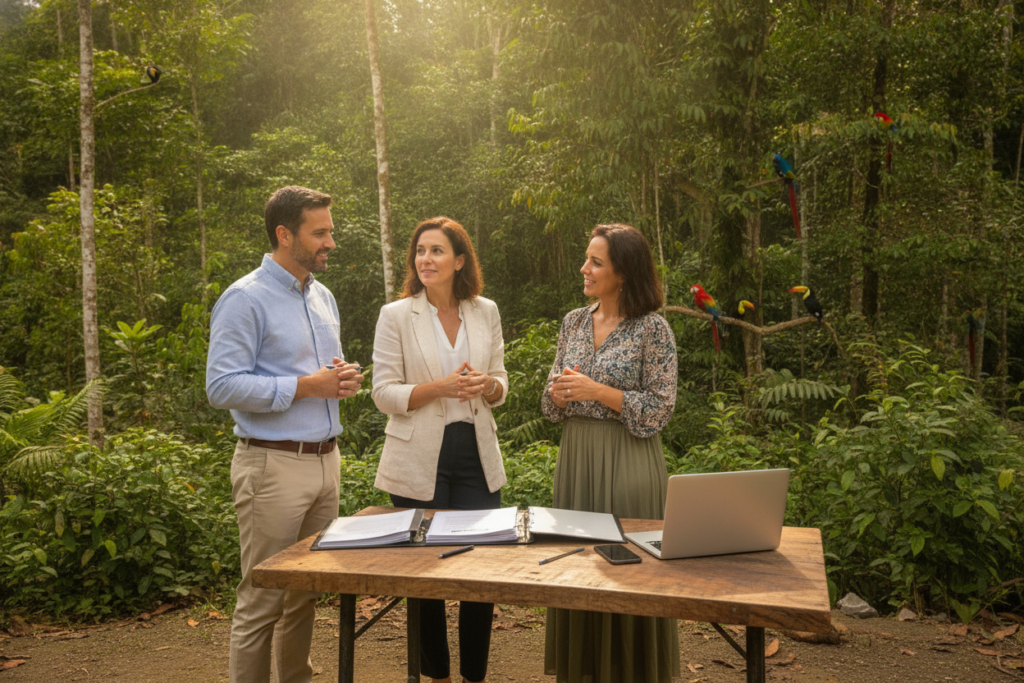
Achieving a successful residency application in Costa Rica requires strategic planning and informed decision-making. Our experience over the past 20 years has taught us that proactive communication and thorough document preparation are essential.
Here are some recommendations to enhance your chances of approval:
- Engage with a trusted advisor who understands the nuances of Costa Rican law to ensure your application is complete.
- Prepare your financial and personal documents well in advance of your submission.
- For those interested in the real estate market, consider investor residency, provided you meet all specific financial requirements.
- Regularly check your application status to stay informed and overcome potential delays.
- Work with experts who can guide you through the complexities of the residency approval process.
Insights from Over Two Decades in Costa Rica Immigration
Over the years, we have gained valuable insights into the residency application process in Costa Rica. Our experience has shown that each residency case is unique, requiring a tailored approach based on the applicant’s nationality and history.
From September 2021 to September 2022, our team successfully secured 118 approvals for residency applications. This achievement highlights the importance of thorough document preparation, especially during times of backlog.
We focus exclusively on residency and immigration services. This specialization ensures that our clients receive dedicated attention for their specific type of application. Our immigration expert, Johanna Alvarez, is available to guide you through the process.
If you’re interested in learning more about pricing and next steps, feel free to reach out. You can contact us via WhatsApp at +506 8373 2085 or email info@crie.cr.
Final Thoughts and Next Steps for Your Costa Rica Residency Journey
Starting your residency journey in Costa Rica requires understanding and preparation. Securing residency is rewarding but demands patience and attention to detail. By staying informed, you can successfully navigate the application process and embrace the Pura Vida lifestyle.
Every residency case is unique, so having expert support can significantly influence your outcome. We are here to help you move forward with confidence, ensuring your path to legal status is as smooth as possible.
For personalized guidance and current pricing, please contact Johanna Alvarez at CRIE via WhatsApp at +506 8373 2085 or visit our website today.
FAQ
What are the common reasons for residency application denials in Costa Rica?
Common reasons include incomplete documentation, failure to meet financial requirements, and issues with background checks. Ensuring all paperwork is in order can significantly reduce the chances of denial.
How long does the residency application process typically take?
The residency application process can take anywhere from a few months to over a year, depending on the type of residency and the completeness of the application. Staying organized can help speed up the process.
What essential documents do we need for our residency application?
Essential documents include a valid passport, proof of income or investment, police clearance certificates, and health insurance. It’s crucial to verify that all documents are accurate and properly translated.
What should we do if our application is denied?
If your application is denied, you can appeal the decision or reapply. It’s advisable to consult with an immigration expert to understand the reasons for denial and how to address them.
Are there specific compliance issues we should be aware of?
Yes, compliance issues can arise from not adhering to tax obligations or failing to maintain the required investment. Understanding the legal requirements is essential for a successful application.
How can we effectively organize our residency application documents?
We recommend creating a checklist of required documents, categorizing them, and keeping digital copies. This organization can help ensure that nothing is overlooked during the application process.
What strategies can we use to expedite our residency application?
Strategies include thorough preparation of documents, consulting with experienced professionals, and being proactive in communication with immigration authorities. This can help minimize delays.
What insights can we gain from others who have navigated the residency process?
Learning from others’ experiences can provide valuable tips on avoiding common pitfalls and understanding the nuances of the application process. Engaging with community forums can be beneficial.