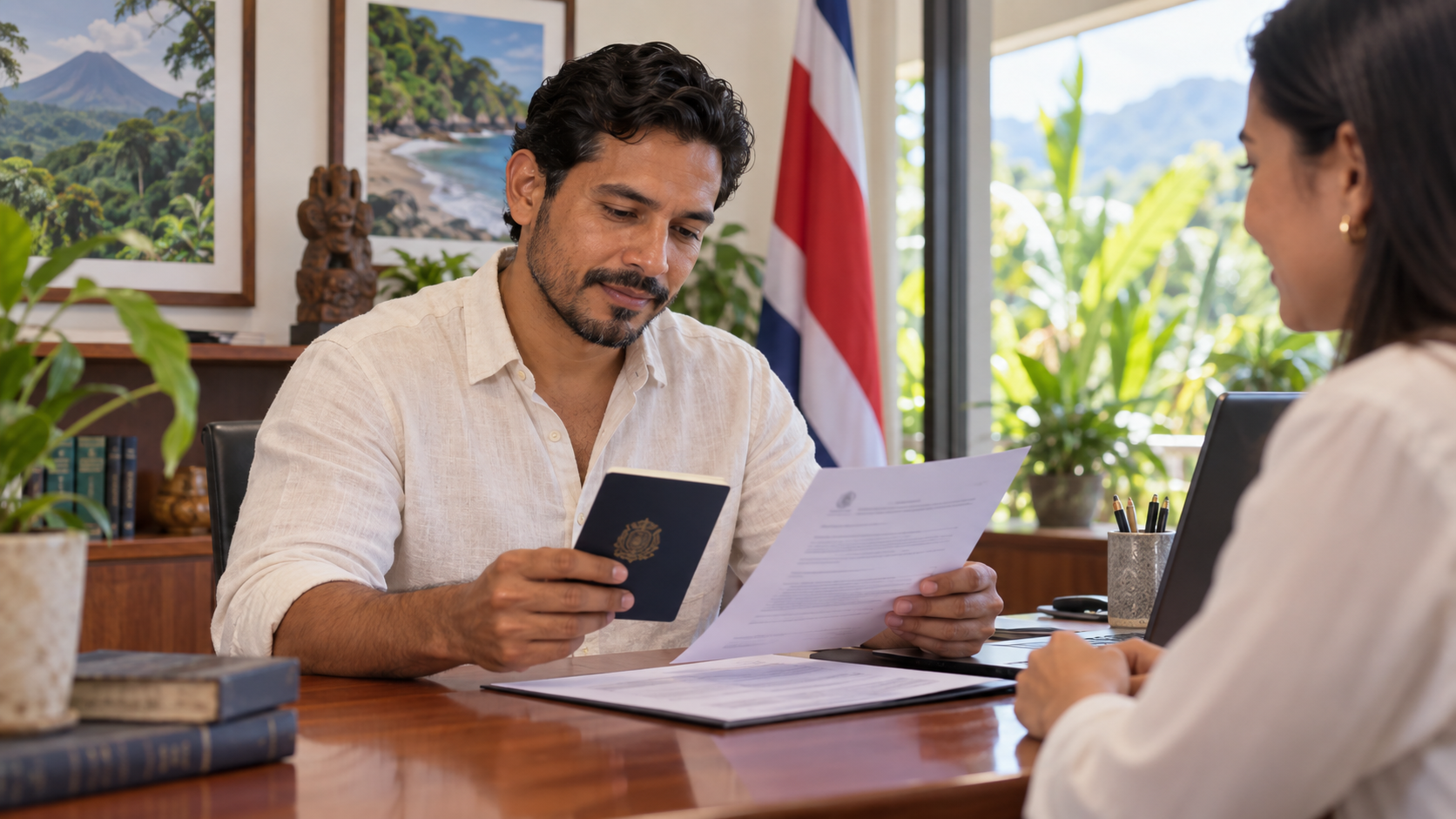
Engaging in professional activities in Costa Rica requires specific legal authorization for foreign nationals. Understanding this process is crucial for anyone looking to live and work in this vibrant country.
We aim to provide clear and factual information that will guide you through the steps necessary for securing a work permit. By grasping the legal frameworks that govern foreign employment, you will be better prepared for your journey.
Our goal is to equip you with the foundational knowledge needed for professional integration in Costa Rica. With the right information, navigating the complex immigration landscape becomes more manageable.
Understanding Work Permits in Costa Rica
A valid work permit is essential for foreigners wishing to pursue employment opportunities in Costa Rica. This official document is issued by the Dirección General de Migración y Extranjería, which is responsible for processing immigration and work applications.
The primary purpose of a work permit is to regulate the labor market. It ensures that foreign workers complement the existing Costa Rican workforce effectively. Therefore, understanding the connection between residency and work is crucial. Most work permits are tied to specific temporary residency categories.
It’s important to note that holding a work permit is different from tourist status. Tourists are strictly prohibited from engaging in any paid employment. We emphasize that legal compliance is vital for anyone planning to live and work in Costa Rica for an extended period.
The Special Category: Overview of Costa Rican Work Visas
Foreign nationals looking to work in Costa Rica must navigate a specialized visa system. This system includes various types of permits tailored to meet specific labor needs within the country.
The Special Category visa serves as the primary framework for foreign workers. It encompasses roles such as professional athletes, artists, and technicians. Employers are required to demonstrate that the foreign worker has unique skills that are not readily available in the local Costa Rican labor market.
Eligibility for these visas often necessitates proof of a formal job offer or a contract with a legal entity in Costa Rica. Each visa type within this category is crafted to address distinct labor needs, from academic professors to interns at local companies.
Moreover, the government closely monitors these categories to ensure compliance with national labor and social security regulations. For more information on residency options, check out Costa Rica residency for technical staff.
Document Requirements for a Costa Rica Work Permit

Securing employment in Costa Rica mandates a comprehensive set of legal documents for foreign applicants. To ensure a successful application, it’s vital to gather all necessary paperwork ahead of time.
Essential documents include:
- A signed application form and a certified copy of your birth certificate.
- Two recent passport photos.
- A police clearance certificate from your country of origin.
All foreign documents must be translated into Spanish and notarized. This is crucial for acceptance by the Dirección General de Migración y Extranjería in Costa Rica. Employers must also provide proof of their legal status, including certification from the Costa Rican Social Security Institution.
Additionally, applicants need a receipt of fingerprint registration issued by the Ministry of Public Security. Ensuring that every document is accurate and up-to-date is critical. Missing paperwork can significantly delay the processing of your work permit application.
Step by Step: The Application Process for Work Permits
To work legally in Costa Rica, foreign nationals must follow a specific application process. This process begins with obtaining a provisional visa at a Costa Rican consulate in your home country. This step is essential before you travel to Costa Rica.
Upon arrival, you will need to register your fingerprints with the Ministerio de Seguridad Pública. This registration is a local security requirement necessary for your work permit application.
Next, submitting your final application to the Dirección General de Migración y Extranjería is crucial. This step officially triggers the review of your work permit. We advise that the entire process can take between 3 to 8 months. Therefore, planning your arrival and start dates is important.
Throughout this process, employers must ensure transparency and compliance with the regulations set by the Ministry of Labor. For a detailed checklist of required documents, check out this resource.
Navigating Residency and Work Integration in Costa Rica
The relationship between temporary residency and work permits is crucial for anyone aiming to work in Costa Rica. Most foreign workers start their journey by securing temporary residency. This status lays the groundwork for obtaining a valid work permit.
Successful integration into Costa Rica involves recognizing that work permits are often linked to the specific role and employer that sponsored the initial application. Clear communication with your employer regarding the expiration dates of both your temporary residency and work permits is essential to avoid any legal gaps.
Living and working in Costa Rica requires a proactive approach. Timely renewals of all necessary immigration documentation are vital. Additionally, registering with local social security systems is mandatory for all employees working legally in the country.
ultimate-guide-to-obtaining-a-work-permit-in-costa-rica-requirements and Its Significance

Understanding the significance of legal work status is vital for foreign employees in Costa Rica. Securing a work permit not only legitimizes your employment but also opens doors for your family. With an approved work visa, you can bring your immediate family members, including a spouse and children under 18, under a family visa.
Moreover, obtaining a work permit highlights the importance of legal authorization for every foreign employee working within the national borders. This legal status is the cornerstone of a stable life for any international employee and their family moving to this country.
As you plan your transition, understanding the broader immigration context is essential. Dependents may eventually be eligible to apply for permanent residency in Costa Rica. By following the correct procedures, you ensure that your family can enjoy the stability and security that comes with legal residency and employment status.
Implications for Employers and Global Teams
Employers play a pivotal role in ensuring legal compliance when hiring foreign workers. In Costa Rica, every company must adhere to local labor laws to avoid penalties and legal complications.
Employer responsibilities include verifying that all foreign employees possess the necessary work permits before starting their roles. This verification is essential for maintaining a lawful workforce.
Additionally, maintaining accurate records of tax payments and social security contributions is mandatory for any company operating with a global team. Hiring unauthorized workers is illegal, and companies must diligently check the immigration status of potential employees.
A responsible employer will provide a clear offer letter that is contingent upon the successful acquisition of all required work and residency permits. This practice ensures transparency and compliance with Costa Rican regulations.
Additional Considerations and Special Cases
Navigating the visa system in Costa Rica includes special provisions for digital nomads and families. One of the most appealing options is the digital nomad visa. This visa allows remote workers to live in Costa Rica while working for foreign companies.
To qualify, applicants must show proof of income. For individuals, the requirement is $3,000 per month. Families need to demonstrate a monthly income of $4,000.
Unlike a standard work permit, the nomad visa does not require a local employer. This flexibility makes it an attractive choice for many international professionals.
Self-employed individuals may also explore other options like the Rentista visa or business-related categories. The digital nomad visa is valid for one year and can be renewed if income requirements are met.
Families should note the higher income threshold needed to include dependents in their visa application. This ensures that the digital nomad lifestyle can be a family-friendly option.
Timelines, Fees, and Renewal Process
Understanding the timelines and costs associated with work permits in Costa Rica is crucial for prospective foreign employees. The application process can take up to eight months or even longer. Therefore, managing expectations is vital during this period.
Renewal of work permits must be initiated before the current permit expires. This requires updated documents and proof of continued tax and social security compliance. It is essential to stay ahead of deadlines to maintain legal status.
Fee structures vary based on the applicant’s country of origin and the specific type of visa being requested. For instance, the initial application fee for special category residency is CRC 28,300, followed by government fees of CRC 73,600 and CRC 169,800.
We advise that applicants from different countries check the latest fee schedules with the immigration office. This ensures all payments are accurate and up-to-date. The renewal process is a critical step for employees who wish to continue their professional work in Costa Rica.
Ready to Connect with CRIE for Personalized Guidance?
For those looking to thrive in Costa Rica’s vibrant job market, understanding the immigration landscape is key. CRIE has been dedicated to assisting individuals and families with residency and immigration matters for over 20 years. Each case is unique, influenced by nationality, family dynamics, and specific documentation.
Because immigration requirements can shift, we encourage you to consult an expert for the latest regulations relevant to your situation. For personalized guidance on pricing and the next steps in your application, reach out to Johanna Alvarez, our immigration expert at CRIE.
You can contact us via WhatsApp at +506 8706 3888, email info@crie.cr, or visit our website at crie.cr for more information about our services.
FAQ
What is a work permit in Costa Rica?
How can we apply for a work permit?
What documents are required for a work permit application?
Can family members accompany us on a work permit?
What is the difference between a temporary and permanent work permit?
Are there fees associated with the work permit application?
How long does it take to process a work permit application?
What are the implications for employers hiring foreign workers?
Can we apply for a digital nomad visa in Costa Rica?
What should we know about social security contributions?
Article by Glenn Tellier (Founder of CRIE and Grupo Gap)
Don't wait, contact us right now!
Call or WhatsApp Costa Rica +506 8373 2085 or +506 8706 3888
Call USA/Canada +1 305-906-6784