
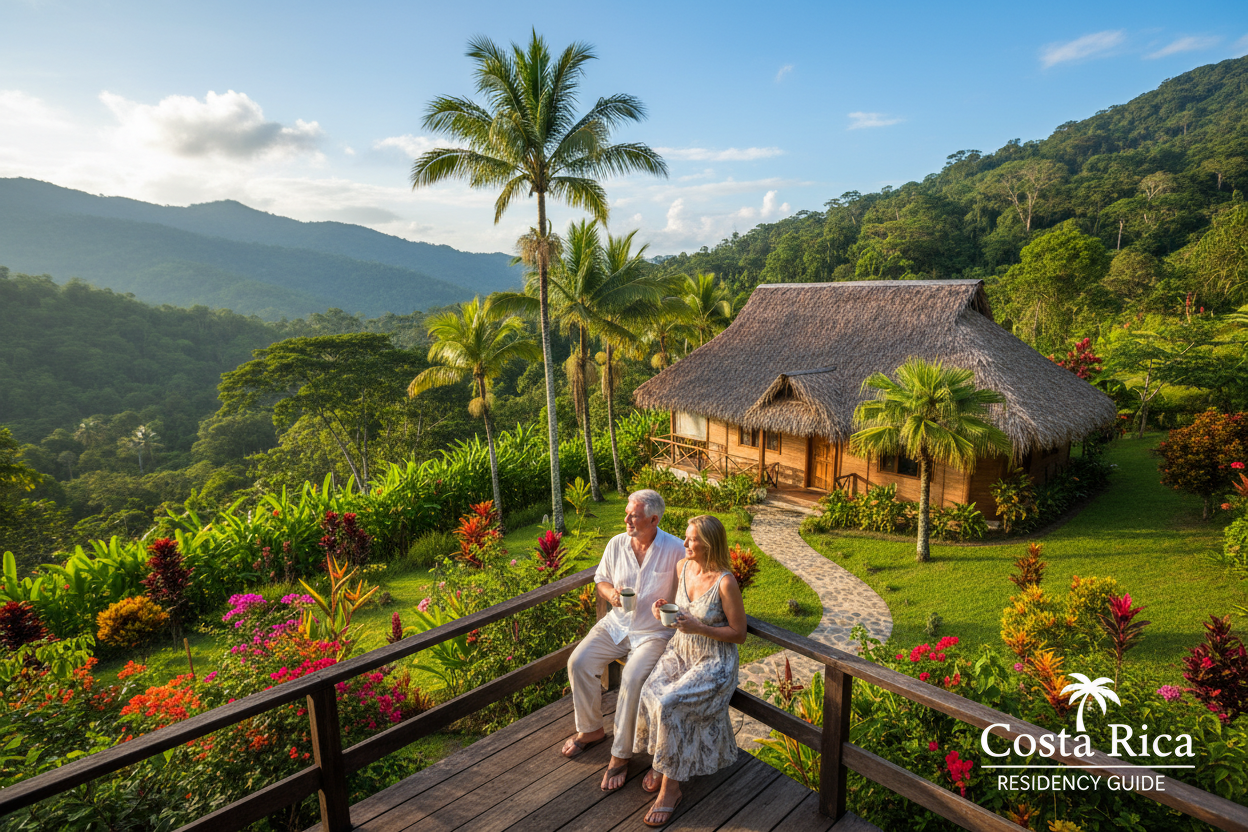
We are CRIE, a firm focused solely on Costa Rica residency and immigration services. Our expertise lies in guiding people through the legal pathways to live here. We understand the complexities you face.
Costa Rica has been a top choice for retirees for decades. Its beauty and lifestyle attract many. The process to retire in Costa Rica involves specific financial and legal steps.
This guide offers clear, practical information on the requirements. We set honest expectations upfront. Government processing can take from several months to over two years.
Retirees typically pursue one of three residency categories. These are Pensionado, Rentista, or Inversionista. Each has distinct income or investment thresholds. It’s crucial to know that a Digital Nomad visa is not a residency path.
Success starts with preparing your documents correctly before you move. We provide step-by-step guidance for this journey. Our goal is to help you navigate the process with clarity and confidence.
Overview of Retirement Opportunities in Costa Rica
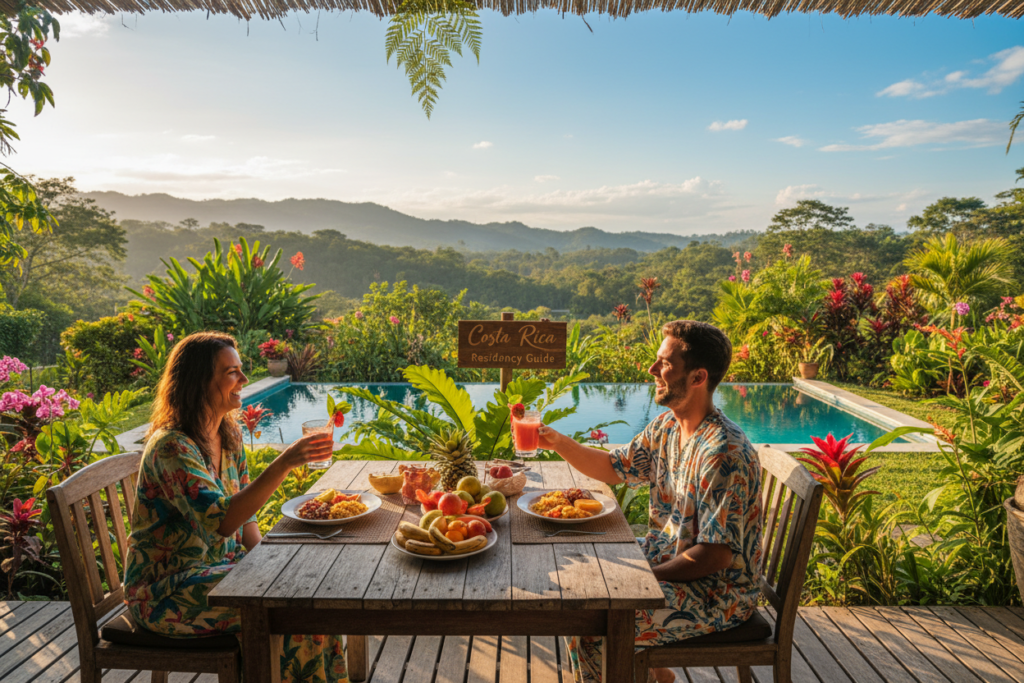
Retirees are drawn to Costa Rica not just for its climate, but for a society that prioritizes peace, health, and environmental stewardship. This nation offers a compelling alternative for those seeking a meaningful later chapter.
Exploring the Pura Vida Lifestyle
“Pura vida” translates to “pure life.” It is the cornerstone of the local lifestyle. This philosophy celebrates simple joys, positive attitudes, and deep appreciation for the surrounding natural beauty.
It manifests in friendly, community-minded interactions. For retirees, it means integrating into a culture that values well-being over materialism. Embracing this outlook is key to enjoying daily life here.
Why Costa Rica Attracts Retirees
The country’s stability is a major draw. Costa Rica ranks 54th on the Global Peace Index, notably safer than the U.S. It has no standing army and a long democratic history.
Practical benefits include a top-tier healthcare system and year-round tropical warmth. Over 98% of energy comes from renewable sources. The nation shelters 5% of the world’s biodiversity.
Retirees can choose from beachfront living or cooler mountain climates. We stress that this is a developing country. Successful relocation requires realistic planning and understanding local processes.
Understanding Residency Options (Pensionado, Rentista, Inversionista)
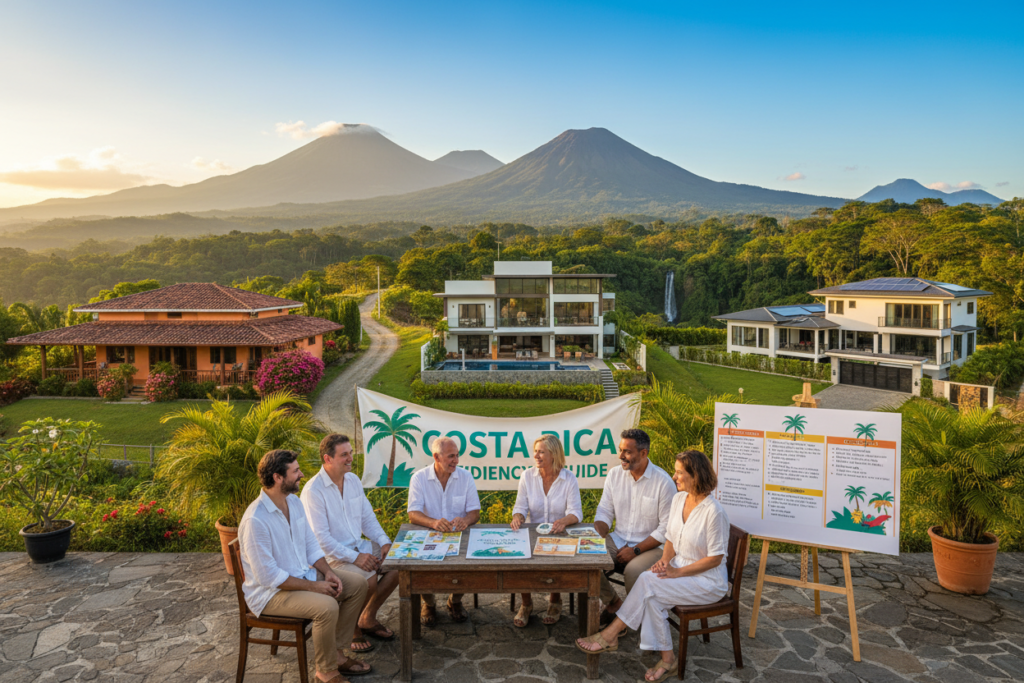
Your financial profile determines which of Costa Rica’s primary residency routes—Pensionado, Rentista, or Inversionista—is your best fit for retirement. These are the three main visa categories designed for foreign retirees and investors.
Differences Between Each Visa Category
The Pensionado (Pensionado) visa is for retirees with a guaranteed lifetime pension. You need at least $1,000 USD per month from a single source, like Social Security. This full monthly pension must be in your name alone.
The Rentista (Rentista) option requires proof of stable income. You must show $2,500 USD per month for two years. This often means depositing $60,000 into a local bank account.
The Inversionista (Inversionista) path requires a minimum investment of $150,000 USD. A key rule: if you buy real estate, the title must be in your personal name, not a corporation.
All three are temporary residency visas. They allow you to include your spouse and dependent children. Remember, these are residency pathways, not local work permits.
Who Qualifies for Costa Rican Residency
Qualifying for residency in Costa Rica hinges on meeting specific income or investment thresholds under one of three main categories. Both U.S. citizens and foreign nationals can apply. The key is demonstrating you won’t be a financial burden.
Eligibility Criteria for Pensionado
The Pensionado visa requires a guaranteed lifetime pension of at least $1,000 per month. This income must come from a single source, like Social Security. The official document must be recent and show the lifetime guarantee.
A critical rule: the full pension amount must be in your name alone. You cannot combine incomes with a spouse to meet the threshold.
Income and Document Requirements for Rentista and Inversionista
The Rentista category needs proof of $2,500 in stable income per month for two years. Many applicants deposit $60,000 into a local bank to satisfy this.
The Inversionista path requires a minimum investment of $150,000 in Costa Rica. This could be in real estate, a business, or approved funds.
We must clarify a common misconception. The Digital Nomad visa is not a residency pathway. For those planning to retire in Costa Rica long-term, the Pensionado or Rentista options are the correct starting points.
Step-by-Step Document Preparation and Application Process
The most critical phase of your Costa Rican residency journey happens long before you land—it’s the meticulous preparation of your documents in your home country. Getting these requirements right from the start is the single best way to avoid major delays.
Apostilles, Legalizations, and Translations
Key documents like your birth certificate and police clearance must be apostilled. This is a certificate from a government authority in your home country that verifies the document’s authenticity for use in Costa Rica.
Apostilled documents typically must be issued within six months of your application submission. Timing this correctly is crucial. All non-Spanish documents also need an official translation by a Costa Rican authorized translator.
Checklist of Required Documents
You will need a number of core items. This includes your valid passport, an apostilled birth certificate, and an apostilled police check. Your pension or income proof must also be apostilled and recent.
After arrival, you complete fingerprint registration and submit your full package to immigration. For a complete breakdown of the process for a retired residency visa, consult detailed guides.
We advise creating a checklist at home. Always verify the latest government requirements directly, as they can change. Proper organization here prevents stress later.
Key Financial Thresholds and Income Requirements
Meeting Costa Rica’s financial requirements is the cornerstone of a successful residency application. Each category has precise, non-negotiable numbers you must prove.
Understanding the $1,000+ Monthly Pension (Pensionado)
The Pensionado visa requires a guaranteed lifetime pension of at least $1,000 per month. This income must come from a single source, like Social Security.
You cannot combine multiple pensions or your spouse’s income to meet this threshold. The full amount must be verifiable and deposited into your Costa Rican bank account each month.
Breaking Down the $2,500+ Rentista and $150,000 Inversionista Investment
The Rentista category demands proof of $2,500 in stable monthly income for two years. Most applicants satisfy this by depositing $60,000 into a local bank.
For the Inversionista path, a minimum investment of $150,000 is required. If using real estate, the property title must be in your personal name, not a corporation.
You must maintain this investment value throughout your residency. Choose one category that fits your finances; mixing them is not permitted.
Timelines and Processing Expectations for Residency
Understanding the timeline for your Costa Rican residency application is a crucial part of realistic planning. Government processing is not swift, and delays are common. We set clear expectations from the start.
Application Processing Times and What to Expect
Processing times for a retirement visa commonly range from 9 to 24 months. This depends entirely on government backlog and staffing. We make no promises about faster approval.
The journey has distinct phases. Document preparation in your home country typically takes one to three months. After submission, the lengthy government review period begins.
During this wait, you can monitor your status online. You may also enter and leave Costa Rica as a tourist. Maintaining legal visitor status is essential.
Successful applicants first receive temporary residency for two years. This status requires renewal every two years. After three years of official residency, you may apply for permanent status.
Patience is key. Even perfect applications face the same slow bureaucracy. Working with experts ensures completeness but does not control the government’s pace.
Avoiding Common Mistakes in Your Residency Application
Many applicants face unnecessary delays due to preventable errors in their documentation. We see the same issues arise repeatedly. Careful preparation from your home country is the best defense.
Tips for Accurate Document Submission
Ensure all foreign documents have an Apostille Certificate, not just a notarization. Costa Rican immigration requires this specific validation. Also, check that documents like birth certificates were issued within the last six months.
Use only government-approved translators in Costa Rica. Unofficial translations will be rejected. This is a non-negotiable rule for your application packet.
How to Minimize Delays and Errors
For the Pensionado visa, the full $1,000 monthly pension must be from a single source in your name. Combining incomes with a spouse is not allowed.
If pursuing the Inversionista route, your $150,000 investment property must be titled in your personal name, not a corporation. Many retirees discover this too late.
Do not confuse the Digital Nomad visa with a residency path. It does not count toward permanent status. Engaging a qualified Costa Rican immigration attorney from the start helps navigate these complexities efficiently.
Opening a Bank Account and Enrolling in Costa Rica’s CAJA
Two critical, in-person steps follow your residency approval: opening a local bank account and enrolling in the CAJA healthcare system. These are not optional. They are legal requirements for living here.
Steps to Open Your Local Bank Account
You can open a Costa Rican bank account as a visitor, even before residency is granted. This is a smart move for Pensionado and Rentista applicants. You must deposit your qualifying income locally.
Banks require your passport, proof of address, and documentation showing your funds’ origin. A reference letter from your home bank can help. Compliance reviews are thorough.
Processing can take several days to weeks. Patience is essential. Accounts opened pre-approval often have limited functionality until you receive your DIMEX card.
Understanding CAJA Registration for Healthcare
After residency approval, you must enroll in the CAJA. This is Costa Rica’s public healthcare system. Enrollment is mandatory before your DIMEX card is issued.
Monthly contributions range from 9.65% to 15.67% of your declared income. This provides access to a top-tier public health network. Many find it more affordable than U.S. insurance.
CAJA offers quality care, though wait times for non-urgent care can be longer. Many retirees also carry private insurance for faster specialist access. Both systems require in-person setup during an extended visit.
Clarifying Misconceptions: Digital Nomad vs. Retirement Residency
Prospective retirees often ask us if the Digital Nomad visa is a shortcut to residency in Costa Rica. It is a common and costly misunderstanding. This visa is designed for temporary remote work, not for building a permanent life.
Why Digital Nomad Status Does Not Lead to Residency
The Digital Nomad visa is a work permit. It allows you to live in Costa Rica while employed by a foreign company. It is not a legal residency category.
Time spent under this visa does not count toward your residency timeline. You need three years of official residency for permanent status. Years on a Digital Nomad visa are essentially “lost” for that goal.
For expats planning to retire in Costa Rica long-term, the correct paths are Pensionado, Rentista, or Inversionista. These are actual residency visas. They start the clock toward permanent residency and potential citizenship.
If your aim is to retire here, choose the right category from the start. Applying for Pensionado or Rentista based on your income is the clear path. This avoids a multi-year delay in your plans.
the-requirements-to-retire-in-costa-rica-our-expertise: An In-Depth Guide to Your Residency Journey
Long-term success as a retiree in Costa Rica depends on understanding renewal cycles and integration. Your temporary status requires proactive management.
Renewal, Permanent Residency, and Long-Term Benefits
You must renew your temporary residency every two years. This requires updated income proof and current CAJA healthcare payments.
To qualify for permanent residency, you need three years of official status. You must also spend at least 183 days per year in the country.
After seven years of legal residency, you can apply for citizenship. Costa Rica permits dual citizenship, so you keep your original passport.
Expert Tips for a Smooth Transition
We advise new expats to rent before buying property. This lets you explore different regions like the temperate Central Valley.
Successful integration involves learning basic Spanish and accepting local pace. Building community connections is key for a smooth transition.
For a complete overview of the process, read our guide on retiring in Costa Rica. Planning with realistic expectations leads to greater satisfaction.
Final Steps to Launch Your New Life in Costa Rica
Launching your retirement in this beautiful country requires careful planning beyond the visa approval. We summarize the core requirements: choose the right residency category, prepare documents correctly, and understand the timeline.
The cost of living here is about 30% lower than the U.S. Your monthly budget will vary by location. Imported goods cost more, but property taxes are low.
The lifestyle advantages are significant. You gain access to world-class nature and a culture that values well-being. The healthcare system is quality, and expat communities are welcoming.
Realistic challenges include slower bureaucracy and the need to learn some Spanish. Success requires working with local professionals for legal and real estate matters.
We provide Costa Rica residency and immigration services. Our expertise guides you from application to permanent status. Ready to explore your options?
Contact us for an honest assessment: WhatsApp +506 8706 3888 | info@crie.cr | www.crie.cr. With proper guidance, your new life in this welcoming country is within reach.
What is the main difference between the Pensionado and Rentista residency visas?
What is the main difference between the Pensionado and Rentista residency visas?
The key difference is the income source. The Pensionado visa requires a guaranteed lifetime pension of at least
What is the main difference between the Pensionado and Rentista residency visas?
The key difference is the income source. The Pensionado visa requires a guaranteed lifetime pension of at least $1,000 per month from a government or qualified private entity. The Rentista visa requires a stable, verifiable income of at least $2,500 per month for two years, guaranteed by a bank, which can come from investments, rentals, or other non-pension sources.
How long does it typically take to get residency approval in Costa Rica?
Processing times can vary, but you should generally expect the residency application process to take between 6 to 12 months from submission. Delays often occur due to incomplete documentation or high volume at immigration. We advise planning for a year and ensuring your application is flawless to avoid setbacks.
Can I use my Social Security income to qualify for the Pensionado visa?
Yes, U.S. Social Security or a similar government pension from another country is a common and fully acceptable source of income for the Pensionado visa. You will need to provide official documentation proving you receive at least $1,000 per month, which must be apostilled and translated into Spanish.
Is private health insurance sufficient, or must I enroll in the CAJA system?
While private insurance is excellent for immediate care, enrolling in the CAJA—Costa Rica’s public healthcare system—is a mandatory requirement for Pensionado and Rentista residency. You register after your visa is approved, and contributions are based on your declared income. Many expats use both systems for comprehensive coverage.
What is the most common mistake people make in their residency application?
The most frequent error is submitting documents that are not properly apostilled, legalized, or translated by an official Costa Rican translator. Every foreign-issued document, from birth certificates to bank letters, must go through this process. Skipping this step guarantees a rejection or significant delay from immigration authorities.
Does buying property qualify me for residency in Costa Rica?
Not directly. Property ownership alone doesn’t grant residency. However, a real estate investment of at least $150,000 can form the basis for an Inversionista (Investor) residency visa. This is a separate category from the Pensionado and Rentista options, which are based on proven income.
Can I open a local bank account before my residency is approved?
It is challenging but possible with the right preparation. Some banks may allow you to open an account with a tourist visa, a local address, and proof of foreign income. However, the process is far smoother and offers more options once you have your temporary residency card (cédula). We recommend initiating this step early in your move.
If I have a Digital Nomad visa, can I transition it to permanent residency later?
No, the Digital Nomad visa is a separate, non-resident status. It does not count toward the years required for permanent residency and cannot be converted into a Pensionado or Rentista visa. If you plan to stay long-term, you must apply for a formal residency category through the standard immigration process.
,000 per month from a government or qualified private entity. The Rentista visa requires a stable, verifiable income of at least ,500 per month for two years, guaranteed by a bank, which can come from investments, rentals, or other non-pension sources.
How long does it typically take to get residency approval in Costa Rica?
Processing times can vary, but you should generally expect the residency application process to take between 6 to 12 months from submission. Delays often occur due to incomplete documentation or high volume at immigration. We advise planning for a year and ensuring your application is flawless to avoid setbacks.
Can I use my Social Security income to qualify for the Pensionado visa?
Yes, U.S. Social Security or a similar government pension from another country is a common and fully acceptable source of income for the Pensionado visa. You will need to provide official documentation proving you receive at least
What is the main difference between the Pensionado and Rentista residency visas?
The key difference is the income source. The Pensionado visa requires a guaranteed lifetime pension of at least $1,000 per month from a government or qualified private entity. The Rentista visa requires a stable, verifiable income of at least $2,500 per month for two years, guaranteed by a bank, which can come from investments, rentals, or other non-pension sources.
How long does it typically take to get residency approval in Costa Rica?
Processing times can vary, but you should generally expect the residency application process to take between 6 to 12 months from submission. Delays often occur due to incomplete documentation or high volume at immigration. We advise planning for a year and ensuring your application is flawless to avoid setbacks.
Can I use my Social Security income to qualify for the Pensionado visa?
Yes, U.S. Social Security or a similar government pension from another country is a common and fully acceptable source of income for the Pensionado visa. You will need to provide official documentation proving you receive at least $1,000 per month, which must be apostilled and translated into Spanish.
Is private health insurance sufficient, or must I enroll in the CAJA system?
While private insurance is excellent for immediate care, enrolling in the CAJA—Costa Rica’s public healthcare system—is a mandatory requirement for Pensionado and Rentista residency. You register after your visa is approved, and contributions are based on your declared income. Many expats use both systems for comprehensive coverage.
What is the most common mistake people make in their residency application?
The most frequent error is submitting documents that are not properly apostilled, legalized, or translated by an official Costa Rican translator. Every foreign-issued document, from birth certificates to bank letters, must go through this process. Skipping this step guarantees a rejection or significant delay from immigration authorities.
Does buying property qualify me for residency in Costa Rica?
Not directly. Property ownership alone doesn’t grant residency. However, a real estate investment of at least $150,000 can form the basis for an Inversionista (Investor) residency visa. This is a separate category from the Pensionado and Rentista options, which are based on proven income.
Can I open a local bank account before my residency is approved?
It is challenging but possible with the right preparation. Some banks may allow you to open an account with a tourist visa, a local address, and proof of foreign income. However, the process is far smoother and offers more options once you have your temporary residency card (cédula). We recommend initiating this step early in your move.
If I have a Digital Nomad visa, can I transition it to permanent residency later?
No, the Digital Nomad visa is a separate, non-resident status. It does not count toward the years required for permanent residency and cannot be converted into a Pensionado or Rentista visa. If you plan to stay long-term, you must apply for a formal residency category through the standard immigration process.
,000 per month, which must be apostilled and translated into Spanish.
Is private health insurance sufficient, or must I enroll in the CAJA system?
While private insurance is excellent for immediate care, enrolling in the CAJA—Costa Rica’s public healthcare system—is a mandatory requirement for Pensionado and Rentista residency. You register after your visa is approved, and contributions are based on your declared income. Many expats use both systems for comprehensive coverage.
What is the most common mistake people make in their residency application?
The most frequent error is submitting documents that are not properly apostilled, legalized, or translated by an official Costa Rican translator. Every foreign-issued document, from birth certificates to bank letters, must go through this process. Skipping this step guarantees a rejection or significant delay from immigration authorities.
Does buying property qualify me for residency in Costa Rica?
Not directly. Property ownership alone doesn’t grant residency. However, a real estate investment of at least 0,000 can form the basis for an Inversionista (Investor) residency visa. This is a separate category from the Pensionado and Rentista options, which are based on proven income.
Can I open a local bank account before my residency is approved?
It is challenging but possible with the right preparation. Some banks may allow you to open an account with a tourist visa, a local address, and proof of foreign income. However, the process is far smoother and offers more options once you have your temporary residency card (cédula). We recommend initiating this step early in your move.
If I have a Digital Nomad visa, can I transition it to permanent residency later?
No, the Digital Nomad visa is a separate, non-resident status. It does not count toward the years required for permanent residency and cannot be converted into a Pensionado or Rentista visa. If you plan to stay long-term, you must apply for a formal residency category through the standard immigration process.
What is the main difference between the Pensionado and Rentista residency visas?
The key difference is the income source. The Pensionado visa requires a guaranteed lifetime pension of at least
What is the main difference between the Pensionado and Rentista residency visas?
The key difference is the income source. The Pensionado visa requires a guaranteed lifetime pension of at least $1,000 per month from a government or qualified private entity. The Rentista visa requires a stable, verifiable income of at least $2,500 per month for two years, guaranteed by a bank, which can come from investments, rentals, or other non-pension sources.
How long does it typically take to get residency approval in Costa Rica?
Processing times can vary, but you should generally expect the residency application process to take between 6 to 12 months from submission. Delays often occur due to incomplete documentation or high volume at immigration. We advise planning for a year and ensuring your application is flawless to avoid setbacks.
Can I use my Social Security income to qualify for the Pensionado visa?
Yes, U.S. Social Security or a similar government pension from another country is a common and fully acceptable source of income for the Pensionado visa. You will need to provide official documentation proving you receive at least $1,000 per month, which must be apostilled and translated into Spanish.
Is private health insurance sufficient, or must I enroll in the CAJA system?
While private insurance is excellent for immediate care, enrolling in the CAJA—Costa Rica’s public healthcare system—is a mandatory requirement for Pensionado and Rentista residency. You register after your visa is approved, and contributions are based on your declared income. Many expats use both systems for comprehensive coverage.
What is the most common mistake people make in their residency application?
The most frequent error is submitting documents that are not properly apostilled, legalized, or translated by an official Costa Rican translator. Every foreign-issued document, from birth certificates to bank letters, must go through this process. Skipping this step guarantees a rejection or significant delay from immigration authorities.
Does buying property qualify me for residency in Costa Rica?
Not directly. Property ownership alone doesn’t grant residency. However, a real estate investment of at least $150,000 can form the basis for an Inversionista (Investor) residency visa. This is a separate category from the Pensionado and Rentista options, which are based on proven income.
Can I open a local bank account before my residency is approved?
It is challenging but possible with the right preparation. Some banks may allow you to open an account with a tourist visa, a local address, and proof of foreign income. However, the process is far smoother and offers more options once you have your temporary residency card (cédula). We recommend initiating this step early in your move.
If I have a Digital Nomad visa, can I transition it to permanent residency later?
No, the Digital Nomad visa is a separate, non-resident status. It does not count toward the years required for permanent residency and cannot be converted into a Pensionado or Rentista visa. If you plan to stay long-term, you must apply for a formal residency category through the standard immigration process.
,000 per month from a government or qualified private entity. The Rentista visa requires a stable, verifiable income of at least ,500 per month for two years, guaranteed by a bank, which can come from investments, rentals, or other non-pension sources.
How long does it typically take to get residency approval in Costa Rica?
Processing times can vary, but you should generally expect the residency application process to take between 6 to 12 months from submission. Delays often occur due to incomplete documentation or high volume at immigration. We advise planning for a year and ensuring your application is flawless to avoid setbacks.
Can I use my Social Security income to qualify for the Pensionado visa?
Yes, U.S. Social Security or a similar government pension from another country is a common and fully acceptable source of income for the Pensionado visa. You will need to provide official documentation proving you receive at least
What is the main difference between the Pensionado and Rentista residency visas?
The key difference is the income source. The Pensionado visa requires a guaranteed lifetime pension of at least $1,000 per month from a government or qualified private entity. The Rentista visa requires a stable, verifiable income of at least $2,500 per month for two years, guaranteed by a bank, which can come from investments, rentals, or other non-pension sources.
How long does it typically take to get residency approval in Costa Rica?
Processing times can vary, but you should generally expect the residency application process to take between 6 to 12 months from submission. Delays often occur due to incomplete documentation or high volume at immigration. We advise planning for a year and ensuring your application is flawless to avoid setbacks.
Can I use my Social Security income to qualify for the Pensionado visa?
Yes, U.S. Social Security or a similar government pension from another country is a common and fully acceptable source of income for the Pensionado visa. You will need to provide official documentation proving you receive at least $1,000 per month, which must be apostilled and translated into Spanish.
Is private health insurance sufficient, or must I enroll in the CAJA system?
While private insurance is excellent for immediate care, enrolling in the CAJA—Costa Rica’s public healthcare system—is a mandatory requirement for Pensionado and Rentista residency. You register after your visa is approved, and contributions are based on your declared income. Many expats use both systems for comprehensive coverage.
What is the most common mistake people make in their residency application?
The most frequent error is submitting documents that are not properly apostilled, legalized, or translated by an official Costa Rican translator. Every foreign-issued document, from birth certificates to bank letters, must go through this process. Skipping this step guarantees a rejection or significant delay from immigration authorities.
Does buying property qualify me for residency in Costa Rica?
Not directly. Property ownership alone doesn’t grant residency. However, a real estate investment of at least $150,000 can form the basis for an Inversionista (Investor) residency visa. This is a separate category from the Pensionado and Rentista options, which are based on proven income.
Can I open a local bank account before my residency is approved?
It is challenging but possible with the right preparation. Some banks may allow you to open an account with a tourist visa, a local address, and proof of foreign income. However, the process is far smoother and offers more options once you have your temporary residency card (cédula). We recommend initiating this step early in your move.
If I have a Digital Nomad visa, can I transition it to permanent residency later?
No, the Digital Nomad visa is a separate, non-resident status. It does not count toward the years required for permanent residency and cannot be converted into a Pensionado or Rentista visa. If you plan to stay long-term, you must apply for a formal residency category through the standard immigration process.
,000 per month, which must be apostilled and translated into Spanish.
Is private health insurance sufficient, or must I enroll in the CAJA system?
While private insurance is excellent for immediate care, enrolling in the CAJA—Costa Rica’s public healthcare system—is a mandatory requirement for Pensionado and Rentista residency. You register after your visa is approved, and contributions are based on your declared income. Many expats use both systems for comprehensive coverage.
What is the most common mistake people make in their residency application?
The most frequent error is submitting documents that are not properly apostilled, legalized, or translated by an official Costa Rican translator. Every foreign-issued document, from birth certificates to bank letters, must go through this process. Skipping this step guarantees a rejection or significant delay from immigration authorities.
Does buying property qualify me for residency in Costa Rica?
Not directly. Property ownership alone doesn’t grant residency. However, a real estate investment of at least 0,000 can form the basis for an Inversionista (Investor) residency visa. This is a separate category from the Pensionado and Rentista options, which are based on proven income.
Can I open a local bank account before my residency is approved?
It is challenging but possible with the right preparation. Some banks may allow you to open an account with a tourist visa, a local address, and proof of foreign income. However, the process is far smoother and offers more options once you have your temporary residency card (cédula). We recommend initiating this step early in your move.
If I have a Digital Nomad visa, can I transition it to permanent residency later?
No, the Digital Nomad visa is a separate, non-resident status. It does not count toward the years required for permanent residency and cannot be converted into a Pensionado or Rentista visa. If you plan to stay long-term, you must apply for a formal residency category through the standard immigration process.
How long does it typically take to get residency approval in Costa Rica?
Can I use my Social Security income to qualify for the Pensionado visa?
What is the main difference between the Pensionado and Rentista residency visas?
The key difference is the income source. The Pensionado visa requires a guaranteed lifetime pension of at least
What is the main difference between the Pensionado and Rentista residency visas?
The key difference is the income source. The Pensionado visa requires a guaranteed lifetime pension of at least $1,000 per month from a government or qualified private entity. The Rentista visa requires a stable, verifiable income of at least $2,500 per month for two years, guaranteed by a bank, which can come from investments, rentals, or other non-pension sources.
How long does it typically take to get residency approval in Costa Rica?
Processing times can vary, but you should generally expect the residency application process to take between 6 to 12 months from submission. Delays often occur due to incomplete documentation or high volume at immigration. We advise planning for a year and ensuring your application is flawless to avoid setbacks.
Can I use my Social Security income to qualify for the Pensionado visa?
Yes, U.S. Social Security or a similar government pension from another country is a common and fully acceptable source of income for the Pensionado visa. You will need to provide official documentation proving you receive at least $1,000 per month, which must be apostilled and translated into Spanish.
Is private health insurance sufficient, or must I enroll in the CAJA system?
While private insurance is excellent for immediate care, enrolling in the CAJA—Costa Rica’s public healthcare system—is a mandatory requirement for Pensionado and Rentista residency. You register after your visa is approved, and contributions are based on your declared income. Many expats use both systems for comprehensive coverage.
What is the most common mistake people make in their residency application?
The most frequent error is submitting documents that are not properly apostilled, legalized, or translated by an official Costa Rican translator. Every foreign-issued document, from birth certificates to bank letters, must go through this process. Skipping this step guarantees a rejection or significant delay from immigration authorities.
Does buying property qualify me for residency in Costa Rica?
Not directly. Property ownership alone doesn’t grant residency. However, a real estate investment of at least $150,000 can form the basis for an Inversionista (Investor) residency visa. This is a separate category from the Pensionado and Rentista options, which are based on proven income.
Can I open a local bank account before my residency is approved?
It is challenging but possible with the right preparation. Some banks may allow you to open an account with a tourist visa, a local address, and proof of foreign income. However, the process is far smoother and offers more options once you have your temporary residency card (cédula). We recommend initiating this step early in your move.
If I have a Digital Nomad visa, can I transition it to permanent residency later?
No, the Digital Nomad visa is a separate, non-resident status. It does not count toward the years required for permanent residency and cannot be converted into a Pensionado or Rentista visa. If you plan to stay long-term, you must apply for a formal residency category through the standard immigration process.
,000 per month from a government or qualified private entity. The Rentista visa requires a stable, verifiable income of at least ,500 per month for two years, guaranteed by a bank, which can come from investments, rentals, or other non-pension sources.
How long does it typically take to get residency approval in Costa Rica?
Processing times can vary, but you should generally expect the residency application process to take between 6 to 12 months from submission. Delays often occur due to incomplete documentation or high volume at immigration. We advise planning for a year and ensuring your application is flawless to avoid setbacks.
Can I use my Social Security income to qualify for the Pensionado visa?
Yes, U.S. Social Security or a similar government pension from another country is a common and fully acceptable source of income for the Pensionado visa. You will need to provide official documentation proving you receive at least
What is the main difference between the Pensionado and Rentista residency visas?
The key difference is the income source. The Pensionado visa requires a guaranteed lifetime pension of at least $1,000 per month from a government or qualified private entity. The Rentista visa requires a stable, verifiable income of at least $2,500 per month for two years, guaranteed by a bank, which can come from investments, rentals, or other non-pension sources.
How long does it typically take to get residency approval in Costa Rica?
Processing times can vary, but you should generally expect the residency application process to take between 6 to 12 months from submission. Delays often occur due to incomplete documentation or high volume at immigration. We advise planning for a year and ensuring your application is flawless to avoid setbacks.
Can I use my Social Security income to qualify for the Pensionado visa?
Yes, U.S. Social Security or a similar government pension from another country is a common and fully acceptable source of income for the Pensionado visa. You will need to provide official documentation proving you receive at least $1,000 per month, which must be apostilled and translated into Spanish.
Is private health insurance sufficient, or must I enroll in the CAJA system?
While private insurance is excellent for immediate care, enrolling in the CAJA—Costa Rica’s public healthcare system—is a mandatory requirement for Pensionado and Rentista residency. You register after your visa is approved, and contributions are based on your declared income. Many expats use both systems for comprehensive coverage.
What is the most common mistake people make in their residency application?
The most frequent error is submitting documents that are not properly apostilled, legalized, or translated by an official Costa Rican translator. Every foreign-issued document, from birth certificates to bank letters, must go through this process. Skipping this step guarantees a rejection or significant delay from immigration authorities.
Does buying property qualify me for residency in Costa Rica?
Not directly. Property ownership alone doesn’t grant residency. However, a real estate investment of at least $150,000 can form the basis for an Inversionista (Investor) residency visa. This is a separate category from the Pensionado and Rentista options, which are based on proven income.
Can I open a local bank account before my residency is approved?
It is challenging but possible with the right preparation. Some banks may allow you to open an account with a tourist visa, a local address, and proof of foreign income. However, the process is far smoother and offers more options once you have your temporary residency card (cédula). We recommend initiating this step early in your move.
If I have a Digital Nomad visa, can I transition it to permanent residency later?
No, the Digital Nomad visa is a separate, non-resident status. It does not count toward the years required for permanent residency and cannot be converted into a Pensionado or Rentista visa. If you plan to stay long-term, you must apply for a formal residency category through the standard immigration process.
,000 per month, which must be apostilled and translated into Spanish.
Is private health insurance sufficient, or must I enroll in the CAJA system?
While private insurance is excellent for immediate care, enrolling in the CAJA—Costa Rica’s public healthcare system—is a mandatory requirement for Pensionado and Rentista residency. You register after your visa is approved, and contributions are based on your declared income. Many expats use both systems for comprehensive coverage.
What is the most common mistake people make in their residency application?
The most frequent error is submitting documents that are not properly apostilled, legalized, or translated by an official Costa Rican translator. Every foreign-issued document, from birth certificates to bank letters, must go through this process. Skipping this step guarantees a rejection or significant delay from immigration authorities.
Does buying property qualify me for residency in Costa Rica?
Not directly. Property ownership alone doesn’t grant residency. However, a real estate investment of at least 0,000 can form the basis for an Inversionista (Investor) residency visa. This is a separate category from the Pensionado and Rentista options, which are based on proven income.
Can I open a local bank account before my residency is approved?
It is challenging but possible with the right preparation. Some banks may allow you to open an account with a tourist visa, a local address, and proof of foreign income. However, the process is far smoother and offers more options once you have your temporary residency card (cédula). We recommend initiating this step early in your move.
If I have a Digital Nomad visa, can I transition it to permanent residency later?
No, the Digital Nomad visa is a separate, non-resident status. It does not count toward the years required for permanent residency and cannot be converted into a Pensionado or Rentista visa. If you plan to stay long-term, you must apply for a formal residency category through the standard immigration process.
What is the main difference between the Pensionado and Rentista residency visas?
The key difference is the income source. The Pensionado visa requires a guaranteed lifetime pension of at least
What is the main difference between the Pensionado and Rentista residency visas?
The key difference is the income source. The Pensionado visa requires a guaranteed lifetime pension of at least $1,000 per month from a government or qualified private entity. The Rentista visa requires a stable, verifiable income of at least $2,500 per month for two years, guaranteed by a bank, which can come from investments, rentals, or other non-pension sources.
How long does it typically take to get residency approval in Costa Rica?
Processing times can vary, but you should generally expect the residency application process to take between 6 to 12 months from submission. Delays often occur due to incomplete documentation or high volume at immigration. We advise planning for a year and ensuring your application is flawless to avoid setbacks.
Can I use my Social Security income to qualify for the Pensionado visa?
Yes, U.S. Social Security or a similar government pension from another country is a common and fully acceptable source of income for the Pensionado visa. You will need to provide official documentation proving you receive at least $1,000 per month, which must be apostilled and translated into Spanish.
Is private health insurance sufficient, or must I enroll in the CAJA system?
While private insurance is excellent for immediate care, enrolling in the CAJA—Costa Rica’s public healthcare system—is a mandatory requirement for Pensionado and Rentista residency. You register after your visa is approved, and contributions are based on your declared income. Many expats use both systems for comprehensive coverage.
What is the most common mistake people make in their residency application?
The most frequent error is submitting documents that are not properly apostilled, legalized, or translated by an official Costa Rican translator. Every foreign-issued document, from birth certificates to bank letters, must go through this process. Skipping this step guarantees a rejection or significant delay from immigration authorities.
Does buying property qualify me for residency in Costa Rica?
Not directly. Property ownership alone doesn’t grant residency. However, a real estate investment of at least $150,000 can form the basis for an Inversionista (Investor) residency visa. This is a separate category from the Pensionado and Rentista options, which are based on proven income.
Can I open a local bank account before my residency is approved?
It is challenging but possible with the right preparation. Some banks may allow you to open an account with a tourist visa, a local address, and proof of foreign income. However, the process is far smoother and offers more options once you have your temporary residency card (cédula). We recommend initiating this step early in your move.
If I have a Digital Nomad visa, can I transition it to permanent residency later?
No, the Digital Nomad visa is a separate, non-resident status. It does not count toward the years required for permanent residency and cannot be converted into a Pensionado or Rentista visa. If you plan to stay long-term, you must apply for a formal residency category through the standard immigration process.
,000 per month from a government or qualified private entity. The Rentista visa requires a stable, verifiable income of at least ,500 per month for two years, guaranteed by a bank, which can come from investments, rentals, or other non-pension sources.
How long does it typically take to get residency approval in Costa Rica?
Processing times can vary, but you should generally expect the residency application process to take between 6 to 12 months from submission. Delays often occur due to incomplete documentation or high volume at immigration. We advise planning for a year and ensuring your application is flawless to avoid setbacks.
Can I use my Social Security income to qualify for the Pensionado visa?
Yes, U.S. Social Security or a similar government pension from another country is a common and fully acceptable source of income for the Pensionado visa. You will need to provide official documentation proving you receive at least
What is the main difference between the Pensionado and Rentista residency visas?
The key difference is the income source. The Pensionado visa requires a guaranteed lifetime pension of at least $1,000 per month from a government or qualified private entity. The Rentista visa requires a stable, verifiable income of at least $2,500 per month for two years, guaranteed by a bank, which can come from investments, rentals, or other non-pension sources.
How long does it typically take to get residency approval in Costa Rica?
Processing times can vary, but you should generally expect the residency application process to take between 6 to 12 months from submission. Delays often occur due to incomplete documentation or high volume at immigration. We advise planning for a year and ensuring your application is flawless to avoid setbacks.
Can I use my Social Security income to qualify for the Pensionado visa?
Yes, U.S. Social Security or a similar government pension from another country is a common and fully acceptable source of income for the Pensionado visa. You will need to provide official documentation proving you receive at least $1,000 per month, which must be apostilled and translated into Spanish.
Is private health insurance sufficient, or must I enroll in the CAJA system?
While private insurance is excellent for immediate care, enrolling in the CAJA—Costa Rica’s public healthcare system—is a mandatory requirement for Pensionado and Rentista residency. You register after your visa is approved, and contributions are based on your declared income. Many expats use both systems for comprehensive coverage.
What is the most common mistake people make in their residency application?
The most frequent error is submitting documents that are not properly apostilled, legalized, or translated by an official Costa Rican translator. Every foreign-issued document, from birth certificates to bank letters, must go through this process. Skipping this step guarantees a rejection or significant delay from immigration authorities.
Does buying property qualify me for residency in Costa Rica?
Not directly. Property ownership alone doesn’t grant residency. However, a real estate investment of at least $150,000 can form the basis for an Inversionista (Investor) residency visa. This is a separate category from the Pensionado and Rentista options, which are based on proven income.
Can I open a local bank account before my residency is approved?
It is challenging but possible with the right preparation. Some banks may allow you to open an account with a tourist visa, a local address, and proof of foreign income. However, the process is far smoother and offers more options once you have your temporary residency card (cédula). We recommend initiating this step early in your move.
If I have a Digital Nomad visa, can I transition it to permanent residency later?
No, the Digital Nomad visa is a separate, non-resident status. It does not count toward the years required for permanent residency and cannot be converted into a Pensionado or Rentista visa. If you plan to stay long-term, you must apply for a formal residency category through the standard immigration process.
,000 per month, which must be apostilled and translated into Spanish.
Is private health insurance sufficient, or must I enroll in the CAJA system?
While private insurance is excellent for immediate care, enrolling in the CAJA—Costa Rica’s public healthcare system—is a mandatory requirement for Pensionado and Rentista residency. You register after your visa is approved, and contributions are based on your declared income. Many expats use both systems for comprehensive coverage.
What is the most common mistake people make in their residency application?
The most frequent error is submitting documents that are not properly apostilled, legalized, or translated by an official Costa Rican translator. Every foreign-issued document, from birth certificates to bank letters, must go through this process. Skipping this step guarantees a rejection or significant delay from immigration authorities.
Does buying property qualify me for residency in Costa Rica?
Not directly. Property ownership alone doesn’t grant residency. However, a real estate investment of at least 0,000 can form the basis for an Inversionista (Investor) residency visa. This is a separate category from the Pensionado and Rentista options, which are based on proven income.
Can I open a local bank account before my residency is approved?
It is challenging but possible with the right preparation. Some banks may allow you to open an account with a tourist visa, a local address, and proof of foreign income. However, the process is far smoother and offers more options once you have your temporary residency card (cédula). We recommend initiating this step early in your move.
If I have a Digital Nomad visa, can I transition it to permanent residency later?
No, the Digital Nomad visa is a separate, non-resident status. It does not count toward the years required for permanent residency and cannot be converted into a Pensionado or Rentista visa. If you plan to stay long-term, you must apply for a formal residency category through the standard immigration process.
Is private health insurance sufficient, or must I enroll in the CAJA system?
What is the most common mistake people make in their residency application?
Does buying property qualify me for residency in Costa Rica?
Can I open a local bank account before my residency is approved?
If I have a Digital Nomad visa, can I transition it to permanent residency later?
Article by Glenn Tellier (Founder of CRIE and Grupo Gap)
Don't wait, contact us right now!
Call or WhatsApp Costa Rica +506 8373 2085 or +506 8706 3888
Call USA/Canada +1 305-906-6784