
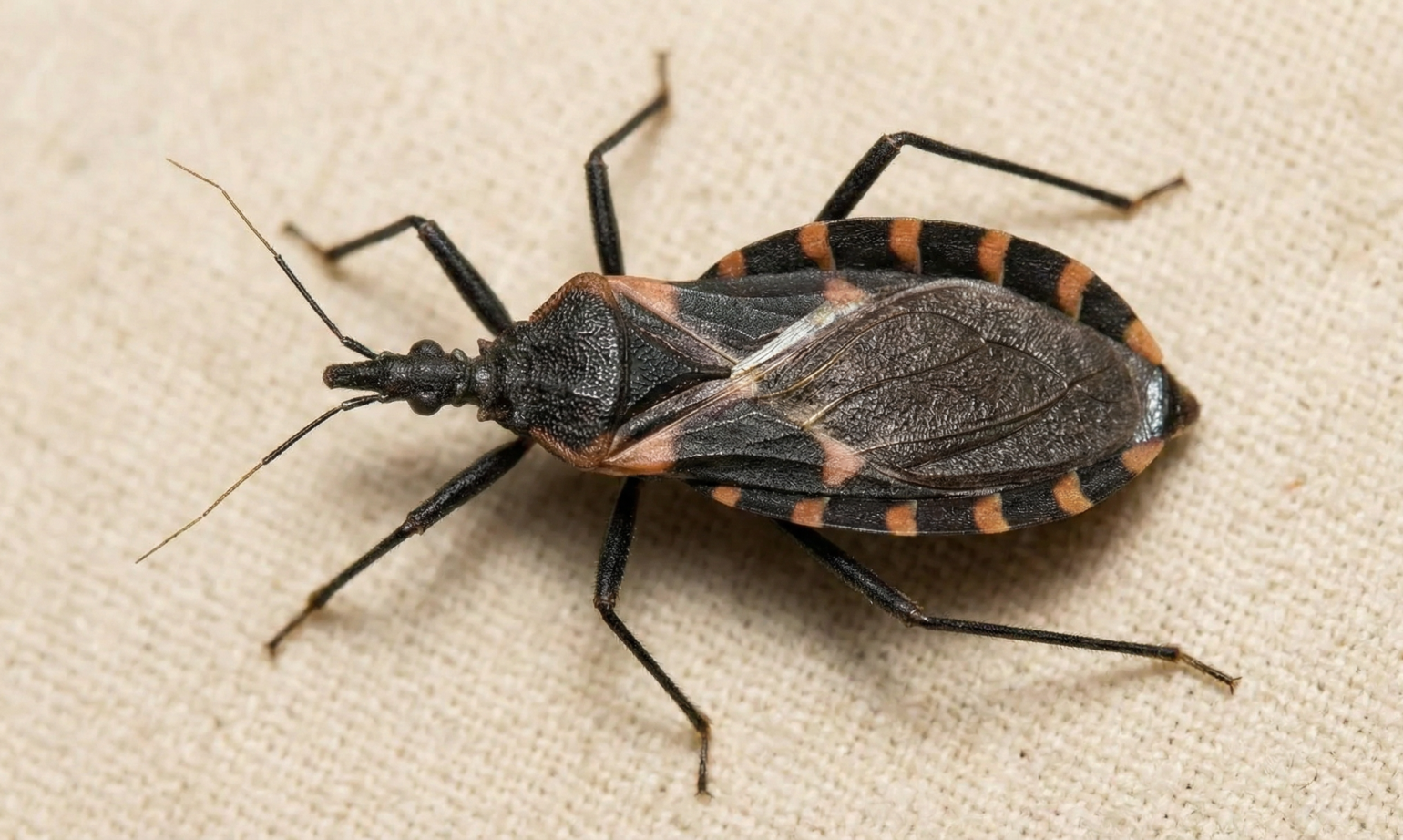
Costa Rica’s incredible biodiversity is one of its greatest treasures, drawing nature lovers from around the globe. However, amidst the lush rainforests and vibrant wildlife, there are certain creatures that visitors and residents should be aware of. One of the most notorious is the triatomine bug, more commonly known as the “kissing bug” or “vinchuca.” While a bite from this insect is not dangerous in itself, it can transmit a serious and potentially life-threatening illness called Chagas disease.
This guide provides a comprehensive overview of the kissing bug in Costa Rica. We will explore what these insects look like, where they are found, the risks associated with Chagas disease, and, most importantly, the practical steps you can take to protect yourself and your family. Understanding the facts is the first step toward safe and enjoyable living in this tropical paradise.
Understanding the Kissing Bug and Chagas Disease
The kissing bug is a blood-sucking insect that is primarily active at night. It earned its nickname from its tendency to bite humans around the face, particularly near the mouth and eyes, as it is attracted to the carbon dioxide we exhale. There are several species of triatomine bugs found throughout Central and South America, and while not all of them carry the parasite, the ones that do pose a significant health risk. In Costa Rica, the most common species include Triatoma dimidiata and Rhodnius pallescens, both of which have been documented to carry the Chagas parasite.
These insects are typically about 0.5 to 1 inch in length, with a distinctive cone-shaped head and a dark body often marked with orange or red stripes along the abdomen. They are nocturnal feeders, meaning they come out at night to search for blood meals. Unlike mosquitoes, which bite quickly and fly away, kissing bugs take their time feeding, often spending 20 to 30 minutes drawing blood from a sleeping host. This prolonged feeding period increases the likelihood of transmission if the bug is infected.
The real danger lies in the parasite the bug carries: Trypanosoma cruzi. Chagas disease is not transmitted through the bug’s bite itself, but rather through its feces. After feeding, the bug often defecates near the bite wound. If the infected feces are accidentally rubbed into the bite, an open cut, or the eyes or mouth, the parasite can enter the bloodstream. This indirect method of transmission is why not every bite from an infected bug results in Chagas disease. It is estimated that only about 30-40% of kissing bugs in endemic areas actually carry the parasite, and transmission only occurs if the contaminated feces come into contact with a mucous membrane or broken skin.
The Two Phases of Chagas Disease: Acute and Chronic
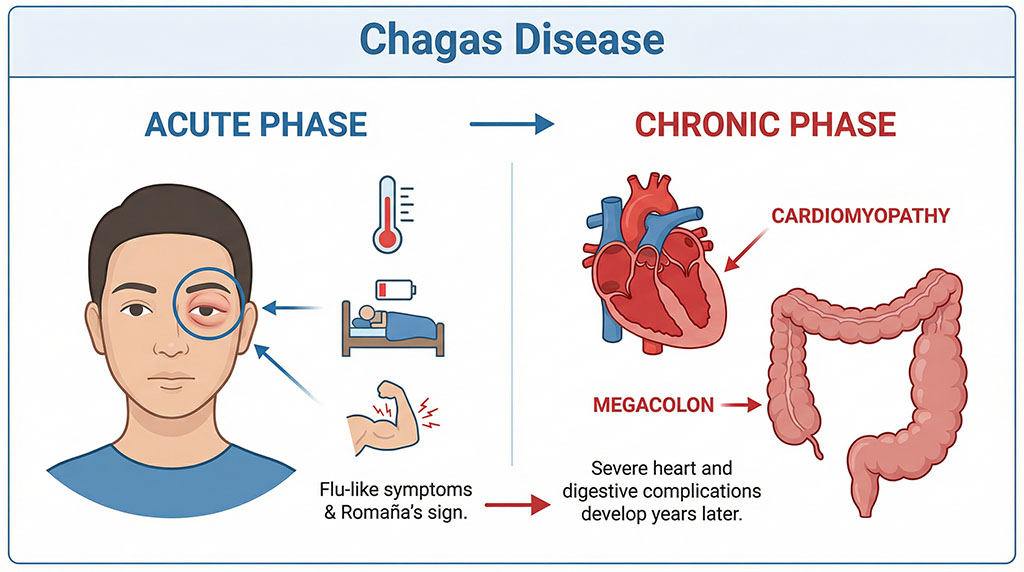
Chagas disease typically presents in two stages: an acute phase and a chronic phase. The initial acute phase can be difficult to diagnose because its symptoms are often mild or non-existent.
Acute Phase: This phase occurs in the first few weeks or months after infection. Symptoms can include fever, fatigue, body aches, headache, rash, and swelling at the site of the bite (known as a “chagoma”). A key indicator can be the swelling of one eyelid, known as Romaña’s sign, if the feces entered through the eye. Because these symptoms are similar to other common illnesses, Chagas is often overlooked at this stage. For those planning to move to or invest in property in the region, understanding local health risks is a key part of due diligence, a service that firms like GAP Real Estate often advise on.
Chronic Phase: If left untreated, the infection enters the chronic phase, where the parasites can remain hidden in the body for decades. Many people in the chronic phase have no symptoms and may never develop Chagas-related complications. However, an estimated 20-30% of infected individuals will eventually develop serious and sometimes life-threatening medical problems, which can include:
- Cardiac Complications: The most common and serious issue is chronic Chagas cardiomyopathy. This can lead to an enlarged heart, heart failure, altered heart rate, and sudden cardiac arrest.
- Gastrointestinal Complications: Less common but still severe, these can include an enlarged esophagus (megaesophagus) or colon (megacolon), leading to difficulties with eating and passing stool.
Prevention: How to Protect Yourself from the Kissing Bug
Since there is no vaccine for Chagas disease, prevention is paramount. The best strategy is to avoid contact with triatomine bugs. These insects are typically found in rural areas and live in the cracks and crevices of poorly constructed homes made from materials like mud, straw, and palm thatch.
Here are some effective prevention measures recommended by health authorities like the CDC:
- Choose Your Accommodation Wisely: When traveling or living in rural areas, stay in well-built structures. Modern buildings with screens on the windows and air conditioning are far less likely to house kissing bugs.
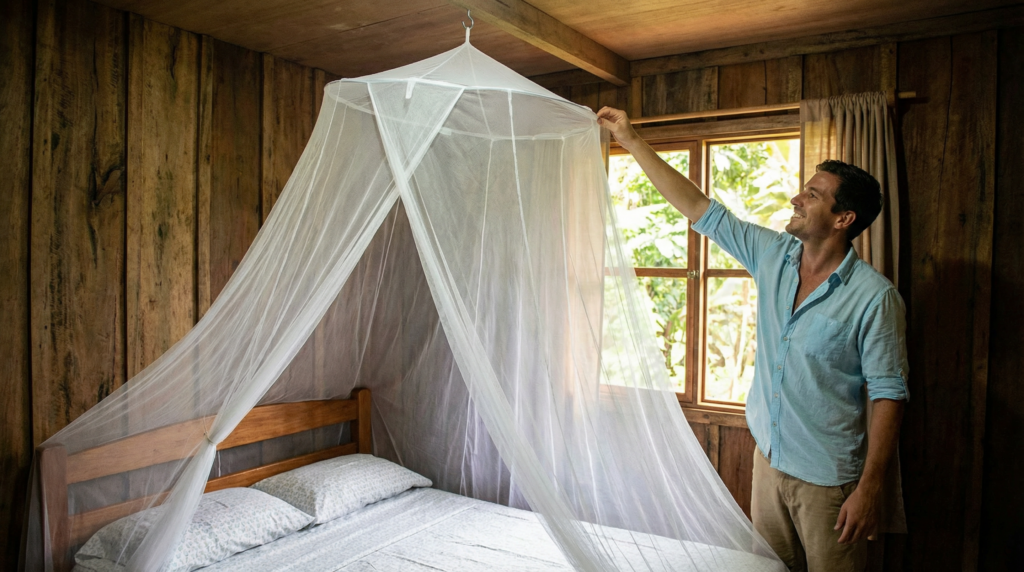
- Use Bed Nets: Sleep under an insecticide-treated bed net. This is especially important in rustic accommodations or if you are sleeping outdoors.
- Seal Your Home: If you live in an area where kissing bugs are present, seal any cracks in the walls, roof, and around windows and doors. Remove woodpiles and rock piles from near the house, as these can be hiding places for the bugs.
- Keep Lights Away: Yard lights can attract bugs, so position them away from the house.
- Protect Your Pets: Keep pets indoors at night and ensure their sleeping areas are clean. Pets can also contract Chagas disease.
For those considering long-term stays or investments, it’s wise to consult with local experts. General information about living in Costa Rica can be found at GAP.cr, which provides a broad overview of what to expect.
Treatment and Management of Chagas Disease
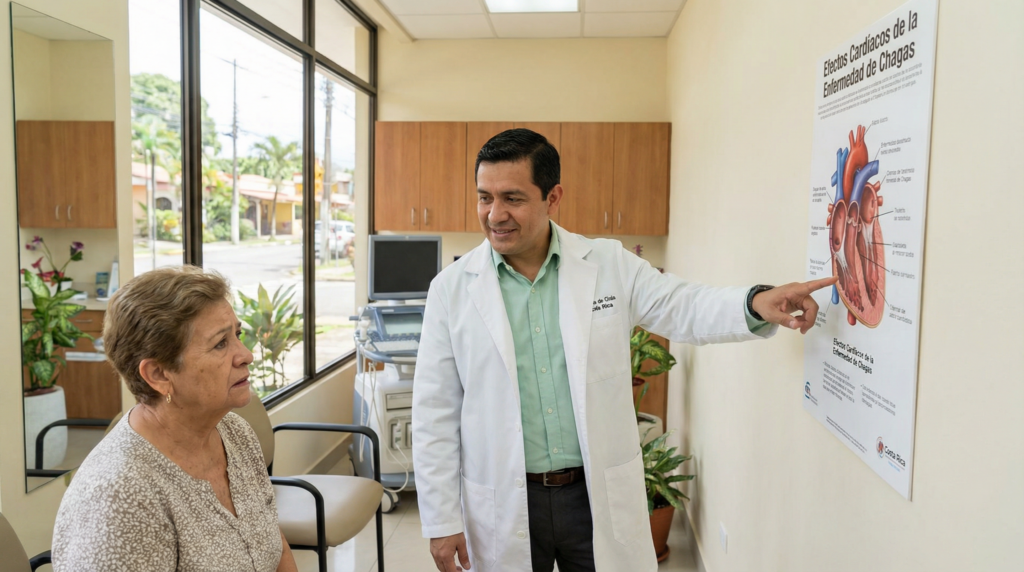
If Chagas disease is diagnosed early, during the acute phase, it can be treated with antiparasitic medications. The two drugs used are benznidazole and nifurtimox. These treatments are most effective in infants and children, and their efficacy decreases the longer a person has been infected. For this reason, early detection is critical.
In the chronic phase, treatment focuses on managing the symptoms and complications. For example, patients with cardiac issues may require pacemakers or medications to manage heart failure. Those with gastrointestinal problems may need surgery. The financial burden of long-term medical care can be significant, and understanding financial solutions like those offered by GAP Equity Loans can be crucial for families facing unexpected health crises.
Frequently Asked Questions (FAQ) About the Kissing Bug
What does a kissing bug look like?
Kissing bugs are typically dark, brownish-black insects, about 0.5 to 1 inch long. They have a distinctive cone-shaped head and thin legs. Some species have reddish or orange markings on their abdomen.
Where are kissing bugs found in Costa Rica?
They are most common in rural, less-developed areas, particularly in provinces like Guanacaste, Puntarenas, and Limón. They are less common in urban centers like San José.
How do I know if I’ve been bitten by a kissing bug?
Many people do not feel the bite itself, as the bug’s saliva contains an anesthetic. You might notice a small, red, swollen area, but often the bite goes unnoticed. The key is to be aware of the risk if you are in an endemic area.
Is Chagas disease contagious from person to person?
Chagas disease is not typically spread through casual contact. However, it can be transmitted through blood transfusions, organ transplants from an infected donor, and from a pregnant mother to her baby.
What should I do if I think I have Chagas disease?
If you have been in an area with kissing bugs and develop symptoms like fever, fatigue, or swelling around a bite, see a doctor immediately. A blood test can confirm the diagnosis. Early treatment is key to preventing long-term complications.
Are there government programs in Costa Rica to control kissing bugs?
Yes, Costa Rica has public health initiatives aimed at controlling the triatomine bug population, primarily through housing improvements and targeted insecticide spraying in high-risk areas. These programs are part of a broader national strategy to improve public health, a topic often linked to the country’s economic development and investment climate, which is covered by firms like GAP Investments.
Can I bring my pet to Costa Rica?
Yes, but it’s important to be aware that pets can also get Chagas disease. Consult with your veterinarian about preventive measures and be mindful of where your pet sleeps.
Is it safe to travel to Costa Rica because of the kissing bug?
Yes, it is generally very safe. The risk for most tourists is extremely low, as they typically stay in well-constructed hotels that are not habitats for the bugs. The risk is higher for those living or staying long-term in rustic, rural housing.
Conclusion
The kissing bug and the Chagas disease it can transmit are a serious public health issue in parts of Costa Rica, but it is not a reason to fear this beautiful country. For the vast majority of tourists and expats, the risk of infection is very low. By taking sensible precautions—choosing modern accommodations, using bed nets in rustic settings, and being aware of the symptoms—you can safely enjoy all that Costa Rica has to offer.
If you are planning a move or an extended stay, understanding these local realities is an essential part of your preparation. For those navigating the complexities of immigration and settling in, having a knowledgeable partner can make all the difference. A firm like CRIE can provide expert guidance on residency and other legal matters, ensuring your transition to life in Costa Rica is as smooth and safe as possible.
Article by Glenn Tellier (Founder of CRIE and Grupo Gap)
Don't wait, contact us right now!
Call or WhatsApp Costa Rica +506 8373 2085 or +506 8706 3888
Call USA/Canada +1 305-906-6784