
Safety in Costa Rica depends on the place, activity and circumstances. A popular holiday destination is not free of crime, and a countrywide label cannot tell you whether a particular street or property is suitable for you. Use current official advice alongside practical checks of the places you plan to visit or live.
What the current travel advisory says
The U.S. State Department advisory, issued April 2, 2026 and checked September 8, advises increased caution due to crime. It describes petty crime as common and warns that violent crime, including robbery and sexual assault, also affects tourists. This does not establish that every town has the same risk.
Do not rely on claims that Costa Rica is universally safe, has negligible violent crime or is automatically safer than another country. A meaningful comparison needs the same offence definitions, period and geographic scale. A national total also cannot predict your individual experience.
Is La Fortuna safe for tourists?
Plan for both town activities and outdoor excursions around Arenal. Choose accommodation with a practical route to restaurants, confirm your return transport before an evening out, and keep bags with you at busy stops. A popular tourism destination is not a guarantee against theft. Ask your accommodation about the specific route you intend to walk rather than accepting a blanket assurance about the whole town.
For Arenal Volcano National Park, use authorized visitor areas and follow park staff and closure notices. SINAC expressly prohibits climbing the volcanic cone and its immediate surroundings. Access to an open walking trail does not authorize a summit climb. Check weather, footwear, route difficulty and transport separately for each waterfall, hot-spring or adventure excursion; they are not all managed by the national park.
Violent crime and comparisons with the United States
There is no single statistic that answers whether Costa Rica is safer than the USA for every traveller. Homicide, theft, road injury and personal exposure measure different things. Comparing one country’s national homicide rate with another country’s city theft count would be misleading. A current-year running total also should not be compared with a full previous year.
Use the OIJ police statistics for Costa Rican crime data, recording the offence, reporting period and geographic area. Distinguish counts from rates per population and reported incidents from all crime. We do not quote an unverified current crime rate or present a national ranking as a personal safety forecast. For decisions about a move, examine the neighbourhood and daily travel routes you would actually use.
Scams: payments, cards and unexpected requests
Canada’s Costa Rica advisory, checked September 8, 2026, identifies credit-card and ATM fraud. Inspect the machine, shield your PIN, watch how your card is handled and review statements. If a transaction looks wrong, contact the bank through the number on your card or its official app.
Before paying for a rental or tour, confirm who supplies the service, what is included and the cancellation terms. Independently verify a last-minute change of bank details. Do not send a password or a one-time security code in response to an unsolicited call or message. Save receipts and communications; if you suspect fraud, contact your bank promptly and ask the police how to file a report. These checks reduce exposure but cannot guarantee that a transaction is legitimate.
La Fortuna park rules, OIJ statistics source and Canadian safety advisory checked September 8, 2026.
Choosing a neighbourhood for everyday life
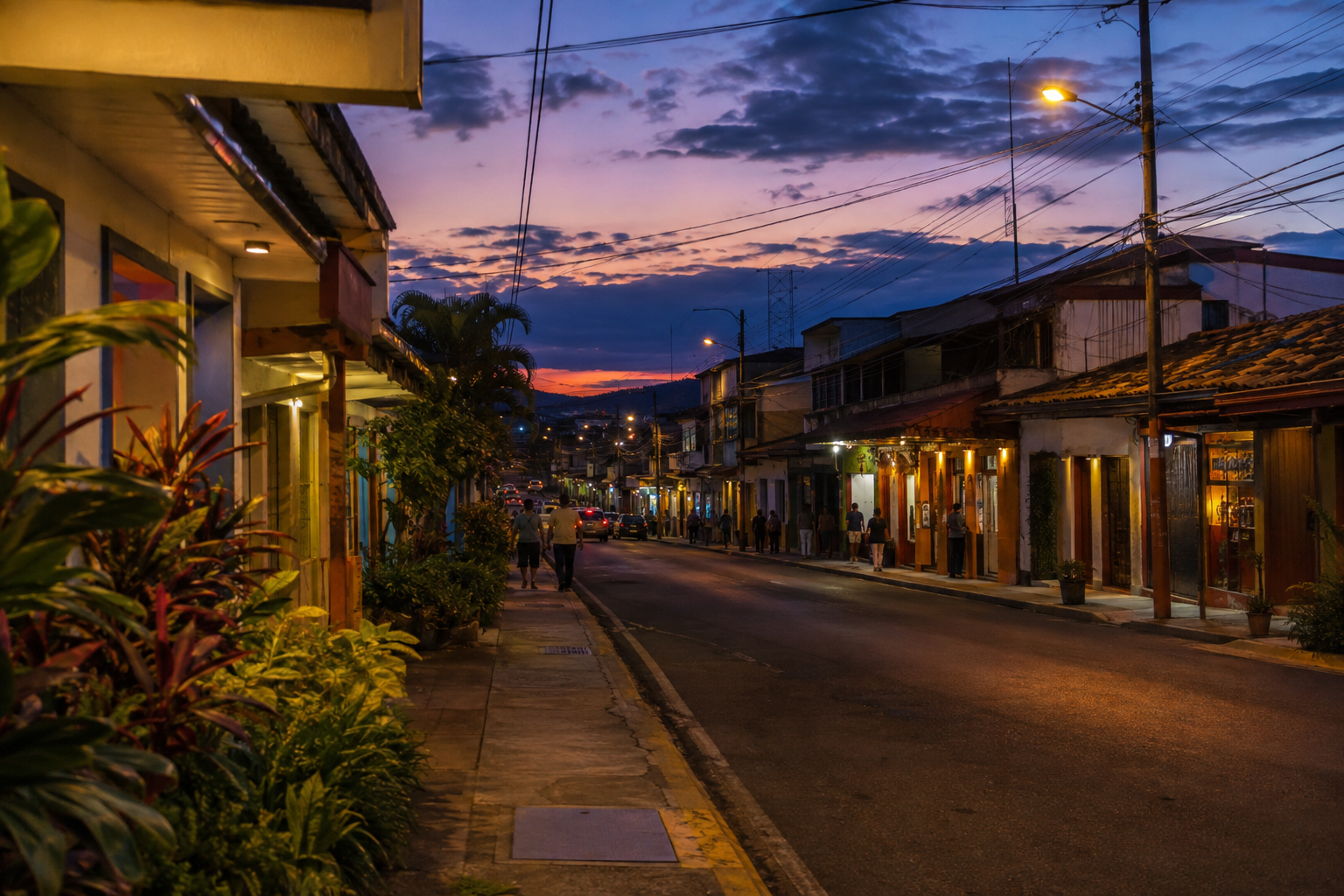
Visit the actual area at times when you would normally travel. Look at lighting, pedestrian access, transport options and the route between your home and regular destinations. Ask residents and the property manager about practical concerns, while treating individual stories as observations rather than a complete crime survey.
Check doors, windows, access control and emergency exits before renting. Security measures should work for everyone in the household. Consider how you would get medical help and where you would go if you needed to leave the property quickly.
Reducing theft and scam risks
- Carry only what you need and keep valuables out of sight.
- Keep control of bags in restaurants, transport terminals and crowded places.
- Do not leave valuables in a parked vehicle or unattended on a beach.
- Review card transactions and use your bank’s official contact details if something looks wrong.
- Verify payment instructions independently before sending money, especially when a message changes the recipient or creates urgency.
For accommodation, tours or longer commitments, identify the actual provider and obtain clear written terms. A logo, social-media account or enthusiastic recommendation alone does not verify a business. Keep receipts and booking records.
Walking at night and returning home
Plan the return journey before going out. A route that seems straightforward in daylight may be isolated or poorly lit after dark. Arrange transport when you are unsure, confirm the vehicle and destination, and share plans with a trusted person when useful. See our night-walking guide for more detailed planning.
Rain, roads and outdoor activities
Crime is only one part of safety. The Costa Rican fire service’s flood guidance warns against crossing rivers and streams during an emergency. Never treat a flooded road as safe because another vehicle crossed it. Follow closures and local emergency instructions.
Before a hike, check the operator or park’s current access rules, route conditions and weather. At beaches, follow lifeguard directions and warning signs; avoid swimming after drinking. Read our rip-current guide and earthquake preparedness article for those separate hazards.
If something happens
Move to a safer place if you can. For an emergency, call 9-1-1 and give your location and a brief description of what happened. Seek medical assistance when needed. Contact the appropriate police authority to ask how to report a crime and retain the report reference for follow-up and insurance.
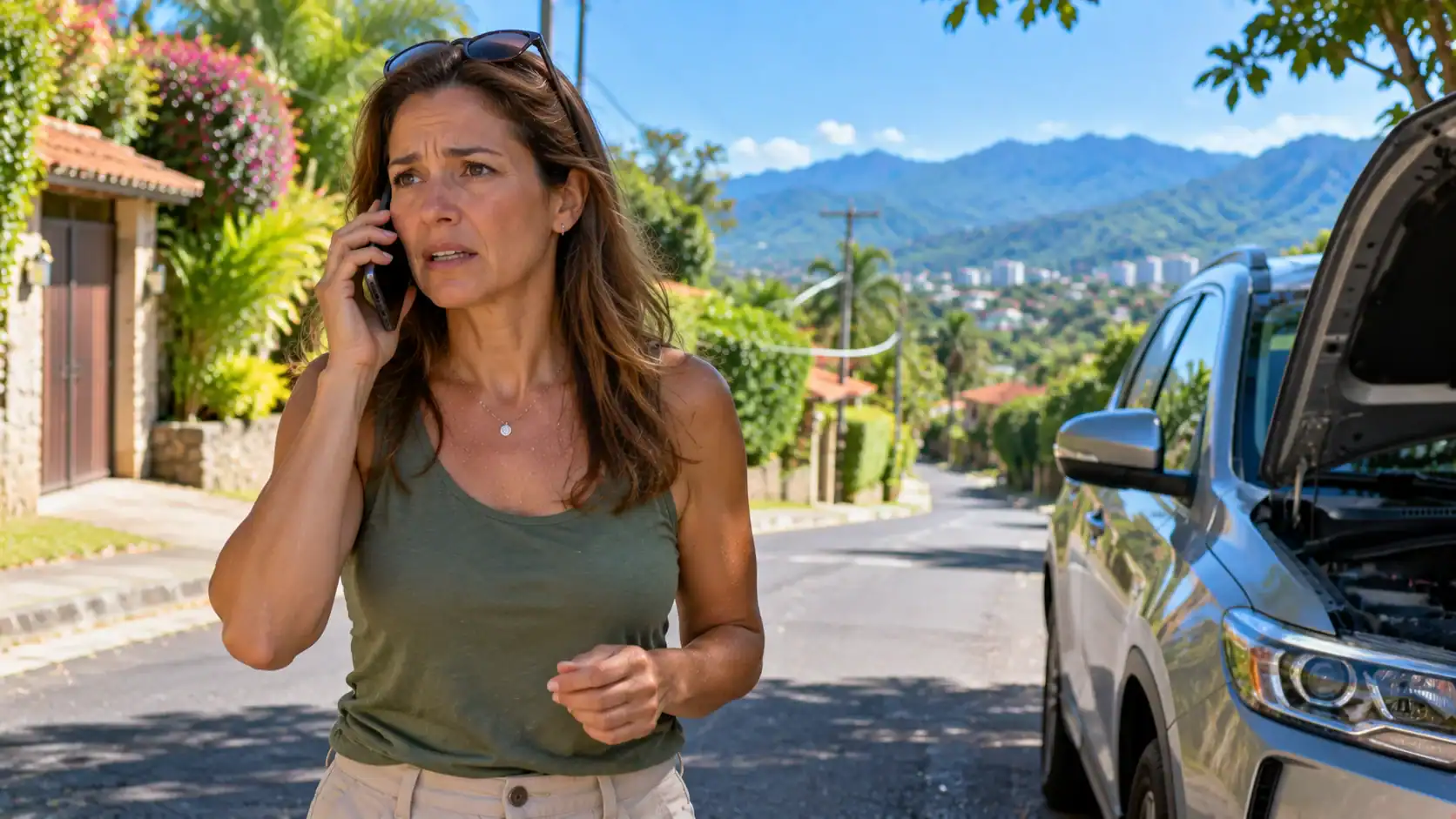
For lost cards or documents, use verified bank and consular contact channels. Our emergency contacts guide distinguishes emergency assistance from other enquiries.
Is Costa Rica safe to live in?
There is no universal yes-or-no answer for every household. Assess the actual neighbourhood, home, transport and activities you would use. A trial stay can help you test daily routines, but a trouble-free visit is not a guarantee. Build a realistic plan rather than relying on an absolute safety promise.
Official advisory and fire-service guidance reviewed September 8, 2026. This article does not present a current crime-rate ranking or guarantee safety.