
Making the decision to move to Costa Rica is a big step. It requires understanding the legal framework for individuals seeking long-term residency. Our team at CRIE has been dedicated to assisting families and individuals with this process for over 20 years.
We aim to simplify the complexities involved in establishing residency in this beautiful Central American country. This guide offers an educational overview of the various pathways available for those looking to make Costa Rica their new home.
We focus on providing clear and factual information to help you navigate the requirements, timelines, and financial commitments involved. Whether you are a retiree or a professional, knowing the specific legal requirements is crucial for a successful transition.
Overview of Costa Rica Residency for US Citizens
The journey to establish a new home abroad is both exciting and challenging. Many United States citizens are drawn to Costa Rica, captivated by its lifestyle and the various legal pathways for long-term residency.
It’s crucial to understand that the U.S. Embassy in Costa Rica does not have jurisdiction over the local residency application process. This means that you will need to navigate the residency process independently.
The Costa Rican government provides several distinct categories for residency. Each category is tailored to meet the diverse financial and personal circumstances of applicants. Understanding the legal landscape is essential, as the residency process is governed by local laws and immigration regulations.
We recommend consulting with local experts to ensure your application aligns with the current requirements set forth by the Costa Rican immigration authorities.
Understanding the Different Residency Pathways
Embarking on a new chapter in a foreign land is a thrilling adventure. In Costa Rica, there are several residency options available for those looking to settle here. Each pathway caters to different needs and financial situations.
The Pensionado program is ideal for retirees. It requires proof of a lifetime pension income of at least $1,000 per month. For individuals not yet retired, the Rentista option is available. This requires demonstrating a stable income of at least $2,500 per month for two years.
Additionally, the Inversionista category is for those willing to invest a minimum of US$150,000 in Costa Rica. Lastly, the digital nomad visa, introduced in late 2021, allows remote workers to live here while employed by companies outside the country.
Each residency type has specific eligibility criteria. We encourage applicants to review these requirements carefully to find the best fit for their situation.
A Closer Look at the Pensionado Pathway
Transitioning to a new life in another country can be both rewarding and complex. The Pensionado pathway is particularly appealing for retirees looking to settle in Costa Rica. This option allows individuals to enjoy a peaceful retirement while meeting specific income requirements.
According to Article 81 of Law 8764, applicants must demonstrate a guaranteed income of at least $1,000 per month from a pension. This income can include the applicant and their spouse under a single pension income, making it a popular choice.
To meet the income requirement, you must provide proof of regular deposits into a Costa Rican bank account. While the Pensionado status is initially temporary for the first three years, it serves as a clear pathway to apply for permanent residency later.
It’s important to note that this category is designed for people with a qualifying pension, so check with DGME before taking paid work. Additionally, yearly renewals are necessary, and immigration authorities will review your income proof during each renewal to ensure compliance.
Exploring the Rentista Residency Option
Choosing the right residency pathway in Costa Rica can be pivotal for your future. The Rentista option is ideal for those who may not have a pension but can demonstrate stable unearned income. This pathway allows individuals to enjoy the benefits of living in this beautiful country.
For the Rentista category, DGME requires documentation issued by a competent authority showing stable and permanent income of at least US$2,500 per month for at least two years. If the income comes from abroad, the supporting documentation must be legalized and authenticated, or apostilled, by the corresponding authorities.
This residency category also allows applicants to include their spouse and children under 25, creating a family-friendly option. Like the Pensionado status, Rentista is temporary for the first three years, after which you may apply for permanent residency.
It’s essential to note that income from active employment, salaries, or tips does not qualify under this category. For more details, visit our page on Rentista Residency in Costa Rica.
Navigating the Inversionista Investment Route
Diving into the Inversionista investment route opens doors to residency and a vibrant lifestyle in Costa Rica. This pathway is ideal for those who are willing to make a significant financial commitment. According to Article 87 of Decree No. 37112-G, a minimum investment of US$150,000 is required in tangible property, shares, or projects of national interest.
Once your investment is certified by the relevant authorities, you typically do not need to prove additional monthly income to maintain your residency status. However, it’s important to remember that you cannot sell your qualifying investment and retain your residency unless you reinvest the funds into another approved project.
This category aims to benefit the country economically. The final decision on whether an investment qualifies rests with the assessing immigration officer. Additionally, Inversionistas must contribute to the social security system, even though their income structure differs from that of Pensionado or Rentista applicants.
Preparing Required Documents and Certifications
Gathering the right paperwork is essential when planning your move to a new country. The residency process in Costa Rica requires careful preparation of various documents. All foreign documents must be apostilled by the issuing country’s authority and translated into Spanish by a court-approved translator in Costa Rica.
Here’s a checklist of essential documentation you will need:
- Official birth certificates and marriage certificates for all dependents included in your application.
- An apostille, which is a mandatory authentication process completed through the Secretary of State or relevant federal authority in your home country.
- Translations of all documents not originally in Spanish, performed by a court-approved translator in Costa Rica.
- An FBI criminal background check, which must also be apostilled and is valid for six months.
- A detailed checklist of your documents to avoid delays in your application process.
Understanding CAJA and Social Security Requirements
Familiarizing yourself with the CAJA system is crucial for those moving to Costa Rica. All legal residents must participate in the social security and medical benefits plan managed by the Caja Costarricense de Seguro Social, known as CAJA.
Your monthly contribution to the CAJA system is determined during an interview and is based on a percentage of your declared income in Costa Rica. CCSS calculates each contribution, so confirm your amount directly with CCSS.
The amount depends on the income CCSS uses for your classification. To enroll in the CAJA system, you need to provide proof of residence, such as a lease agreement or a utility bill in your name.
This universal healthcare system offers comprehensive coverage, and your spouse can often be included under your plan. Understanding these requirements will help ensure a smoother transition to your new life in Costa Rica.
Transitioning from a Tourist Visa to Residency Status
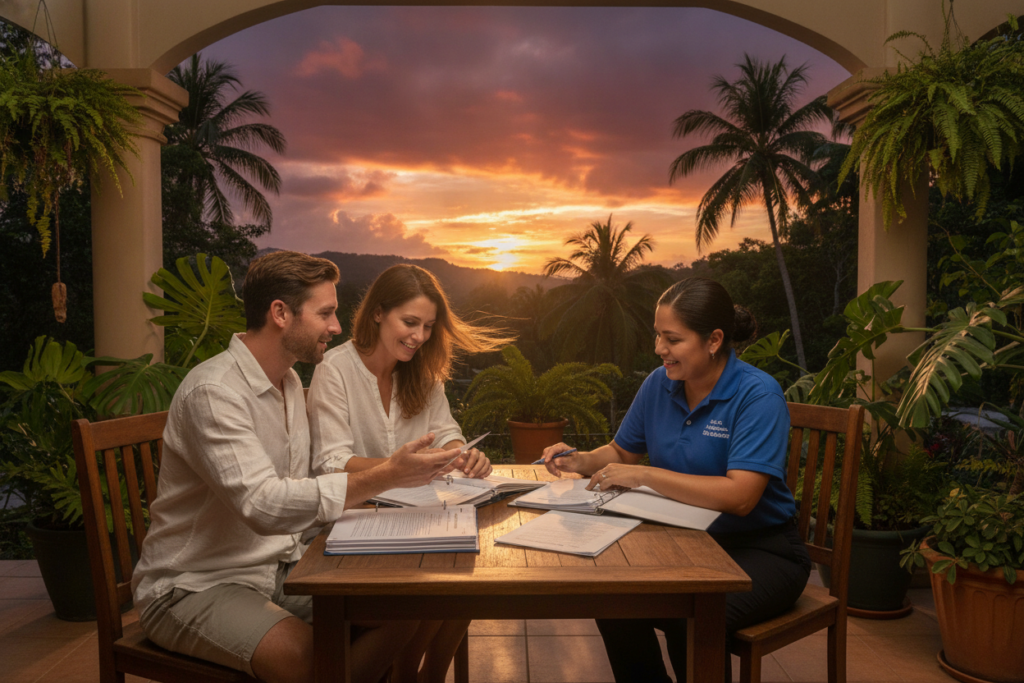
Understanding the transition from a tourist visa to residency status is crucial for anyone considering a long-term stay in Costa Rica. The rules surrounding tourist visas have changed significantly in recent years. Immigration police now enforce strict penalties for those who overstay their visas.
A tourist stay is limited: up to 180 days for first-group nationals and up to 30 days, extendable to 90, for other groups. Individuals who remain in the country beyond this period without pending residency face significant penalties. Overstaying your visa can result in fines of at least $100 for every 30 days overstayed and a potential ban from re-entering Costa Rica.
The practice of leaving the country every 90 days to renew a tourist visa, known as perpetual tourism, is no longer a sustainable long-term strategy. It is vital to initiate your residency application before your tourist visa expires to ensure compliance with local immigration laws.
We advise all applicants to avoid the risks associated with perpetual tourism by working toward a formal residency status as soon as they arrive in the country.
Meeting the Costa Rican Driver’s License Requirement
Understanding the requirements for obtaining a local driver license is essential for new residents. Once you officially become a resident, your foreign driver license is no longer valid for operating a motor vehicle within the borders of Costa Rica.
Fortunately, the process to obtain a local license does not require a new driving ability test or a written exam on traffic laws. You must visit the Ministerio de Obras Públicas y Transportes (MOPT) office with your valid foreign license, your cedula, and your passport to begin the exchange.
A basic medical and vision exam is required at the MOPT office to finalize the issuance of your new Costa Rican driver license. Ensuring you have the correct documentation ready will make the transition to a local license much faster and more efficient for new residents.
Strategic Planning for the Residency Application Process
Strategic planning is vital when navigating the residency application process in Costa Rica. This journey involves multiple steps that must be completed in a specific order to avoid delays.
Begin gathering your documents well in advance. The FBI criminal background check can take up to sixteen weeks to process, so it’s best to start early. You may also need to sign an Assignation of Power of Attorney if you choose to have an immigration lawyer represent your interests.
After submitting your initial application to the immigration office, a visit to the Ministry of Public Security is required for fingerprinting. Maintaining a clear timeline for each step will help you stay organized and ensure that all your documents remain valid throughout the process.
Financial and Time Considerations
Understanding the financial aspects of residency applications can make your transition smoother. When planning your move, it’s important to budget for various costs associated with the process.
Budgeting for Application Fees and Renewal Costs
Application fees typically range from $50 to $400, depending on the type of residency you choose. Overall, the total cost depends on your category, documents, translations and government payments. This includes attorney fees, translations, and government charges.
Additionally, don’t forget to account for the renewal of your residency card, whose payment DGME confirms when you book the appointment. Setting aside extra funds for unexpected expenses, such as additional document certifications or expedited translation services, is also wise.
Expected Processing Timeframes
The residency application process generally takes between 3 and 12 months to complete. This timeframe can vary based on the specific category you apply for and current processing times.
By preparing your finances and understanding the timeline, you can ensure a smoother transition to your new life in Costa Rica. For more detailed guidance, visit our page on Costa Rica residency for retirees.
Additional Tips for a Smooth Transition to Living in Costa Rica
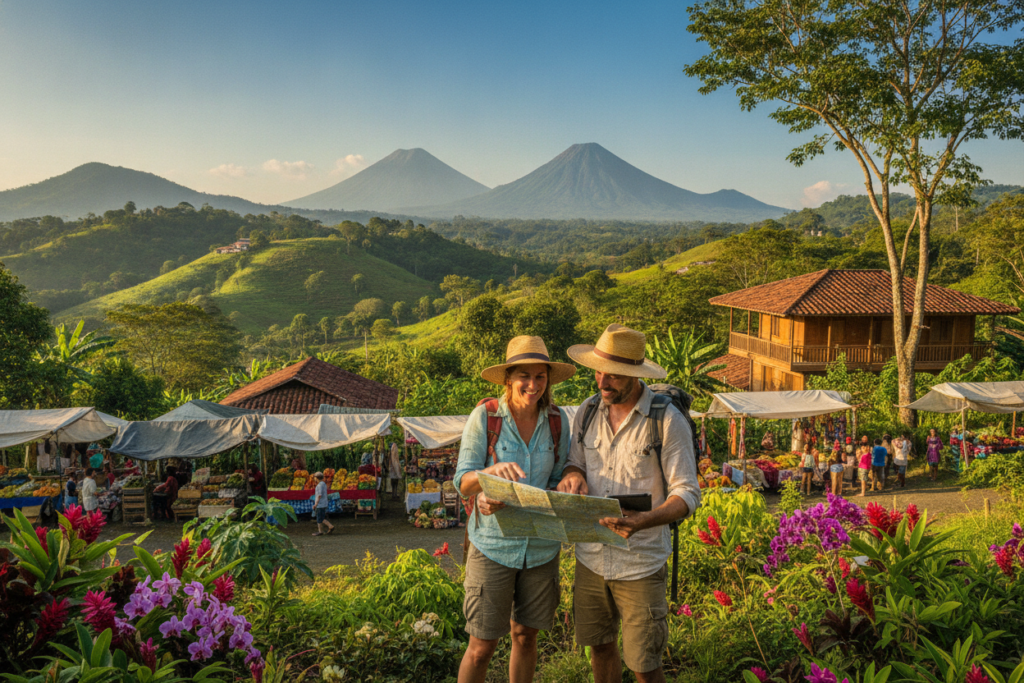
Starting a new life in a different country can be an exhilarating experience. To make this transition smoother, we recommend a few practical steps to help you adapt to local life and culture.
One of the first things many expats do is open a local bank account. This is crucial for managing monthly bills and living expenses after arriving in the country.
Learning basic Spanish phrases can significantly enhance your daily interactions with neighbors. This effort can make your integration into the community much easier.
We also suggest exploring different regions, such as the Central Valley or the Pacific Coast. This will help you find the area that best suits your lifestyle and preferences.
If you plan to purchase property, understanding local laws is essential. The buying process differs greatly from what you may be used to in the United States.
Engaging with local expat communities can provide valuable insights. They can help you navigate daily life, healthcare, and reliable services in your new home.
Lastly, patience is key. Administrative tasks and daily routines may operate at a different pace than you are accustomed to, so be prepared for that adjustment.
Final Steps to Begin Your Costa Rica Residency Journey
Initiating your residency application is a significant step toward a new chapter in your life. Each residency application is unique, influenced by your nationality, family situation, and immigration history. Therefore, personalized guidance is highly recommended.
For detailed pricing and to discuss the next steps in your application, please contact Johanna Alvarez, our dedicated CRIE immigration expert. You can reach out to us via WhatsApp at +506 8373 2085 or send an email to info@crie.cr.
Visit our website at crie.cr to learn more about how we can assist you in navigating the complex requirements of the Costa Rican immigration system. We look forward to helping you successfully complete your residency process and begin your new life in this beautiful country.

FAQ
What are the main types of residency available in Costa Rica?
The main types of residency include Pensionado, Rentista, Inversionista, and Digital Nomad options. Each pathway has its own requirements and benefits tailored to different lifestyles and financial situations.
How long does the residency application process take?
The time the process takes depends on the completeness of the submitted documents: DGME has up to three months once all requirements are met (Article 27 of the Reglamento de Extranjería).
What are the income requirements for the Rentista residency?
For the Rentista category, DGME requires documentation issued by a competent authority showing stable and permanent income of at least US$2,500 per month for at least two years. If the income comes from abroad, the supporting documentation must be legalized and authenticated, or apostilled, by the corresponding authorities.
Is it necessary to have a local bank account for residency?
Yes, having a local bank account is often required to manage financial transactions and to demonstrate proof of income during the residency application process.
What documents do we need to prepare for the residency application?
Essential documents include a valid passport, proof of income, police background check, and health insurance. Additionally, some documents may need to be translated and apostilled.
Can we work in Costa Rica with a temporary residency?
Yes, temporary residency allows individuals to work in Costa Rica, provided they have the appropriate permits and comply with local labor laws.
How do we transition from a tourist visa to residency?
To transition from a tourist visa to residency, we must apply for residency before our tourist visa expires. This process involves submitting the necessary documentation and meeting the specific residency requirements.
What is the CAJA and why is it important?
CAJA is Costa Rica’s social security system. It is important because residency holders are required to enroll in CAJA to access healthcare services and fulfill residency obligations.
Are there any specific requirements for obtaining a Costa Rican driver’s license?
Yes, to obtain a Costa Rican driver’s license, we need to present our foreign license, pass a vision test, and pay the necessary fees. The process may vary based on the type of residency we hold.
What are the costs associated with the residency application?
Costs can vary, but applicants should budget for application fees, document translation, and potential legal services. It’s wise to set aside funds for renewal costs as well.
Rentista financial requirement verified September 6, 2026 against DGME: Residencia Temporal — Rentista y sus Dependientes. The published checklist specifies proof of income; it does not state that every applicant must deposit US$60,000.