
Nightlife at Costa Rica’s beaches can mean a quiet dinner, live music, social dancing or a late club night. Choose the actual venue and neighbourhood as carefully as the town: programmes and opening hours change, and a lively centre may sit close to a much quieter residential area.
This guide focuses on planning a comfortable evening rather than ranking towns by unverified crime statistics. Source review: September 7, 2026.

Guanacaste: Tamarindo and Playas del Coco
The ICT Guanacaste guide identifies Tamarindo and Coco among the region’s tourism centres. Check current restaurant and entertainment listings directly with venues, and confirm whether an advertised event needs a ticket or reservation.
If you prefer an early night, choose accommodation with that in mind. Ask how far the room is from music venues and whether noise carries into it. For local planning, see our downtown Coco guide.
Jacó, Quepos and Manuel Antonio
When comparing Pacific destinations, use the exact venue address. A restaurant in a hilltop hotel and a bar in a town centre may require different transport, even if both are marketed under the same destination name.
Ask about the atmosphere, music style, accessibility and return journey. Do not rely on a town’s reputation as proof that every establishment suits your preferences.
Puerto Viejo and the Caribbean coast
The official Caribbean tourism guide provides regional background. For evening plans around Puerto Viejo, check whether you will be staying in town or farther along the coast.
Arrange transport for unlit or isolated stretches. Agree on the pickup point and fare with an appropriate transport provider; a nearby-looking destination on a map may not be a suitable walk after dark.
Smaller towns and quieter evenings
For places such as Sámara, Nosara, Uvita, Dominical, Montezuma or Santa Teresa, look for a specific evening experience instead of assuming the entire town is always quiet or always busy. Festivals, holidays and individual events can change the atmosphere.
Check the date of any festival announcement before planning around it. An event held in a previous year does not establish that it is running again.
City evenings and choosing a venue
Coastal nightlife is only part of the country’s evening scene. If you are staying in San José or elsewhere in the Central Valley, choose the actual restaurant, concert or dance venue rather than travelling to an area solely because an old guide calls it a nightlife district. Confirm the programme, admission conditions and return transport directly. Our art-gallery guide and dance guide offer other ways to plan a social outing.
A hotel event, public concert, seated dinner and club night have different costs and expectations. Check the address carefully, plan where your driver will collect you and avoid assuming that a route suitable in daylight will be a comfortable walk late at night.
Bachelor parties and other group celebrations
For a stag party, birthday or reunion, start with the group’s preferences and a clear spending limit. Choose activities everyone can opt into comfortably, and offer a non-drinking alternative. Ask venues about group reservations, deposits, cancellation terms, minimum spends and who will settle the bill.
Keep a shared itinerary with the meeting point and transport contact. Agree how companions will check in if they leave early, and do not pressure anyone to drink or take part in an activity. A beach outing and a late night should be planned separately so that tiredness or alcohol does not lead to unsafe swimming or driving. Confirm all arrangements with the actual provider; this guide does not endorse a party package or promise specific entertainment.

Casinos in Costa Rica: choose the actual venue
Casino entertainment is available at some Costa Rican hotels, including in the San José area. The Costa Rican Tourism Institute lists the Sheraton San José Hotel & Casino; its city location should not be confused with a beachfront resort. A casino is an optional evening activity, not a dependable way to fund a trip.
Before travelling, ask the property about admission identification, available games, table schedules, payment methods and any dress requirements. A hotel description mentioning a casino does not establish that every table or service operates throughout the night. Set a spending limit you can afford to lose, keep transport money separate and leave when that limit is reached.
Are all Costa Rica casinos open 24 hours?
No blanket 24-hour schedule should be assumed. Confirm the gaming floor and the particular game with the casino for your visit date. Hotel reception, restaurants, sports bars and casino tables can have different hours, even inside the same building.
For example, the Sheraton dining page describes Jokers as a 24-hour sports bar. That is a statement about the bar, not proof that every casino game is available all night. Ask about last entry and your return transport before setting out.
Costa Rica drinking age and identification
The minimum legal age for consuming alcoholic beverages is 18, under Costa Rica’s Law 9047. Being accompanied by an adult is not a reason to serve alcohol to someone below that age.
Expect venues to check identification and ask in advance what document they accept. Individual establishments may impose admission conditions beyond the legal drinking age. Choose alcohol-free options for younger companions, and keep drinking separate from driving, swimming and other activities that require clear judgment.
Casino and alcohol source review: September 8, 2026. Confirm venue schedules directly before visiting.
Personal safety and getting home
The U.S. State Department’s Costa Rica advisory, issued April 2, 2026 and checked for this review, advises increased caution due to crime. It notes that violent crime can affect tourists as well as residents.
- Plan your return transport before drinking.
- Keep your phone and valuables secure and avoid isolated routes.
- Stay aware of your drink and do not leave it unattended.
- Keep in contact with companions and agree on a meeting point.
- Do not drive a car, motorcycle or ATV after drinking.
If someone becomes unexpectedly unwell or difficult to wake, seek urgent help. Call 9-1-1 for an emergency and provide the venue’s exact location.
Keep swimming separate from a night out
Avoid swimming after drinking or at night. A dark beach may hide currents, rocks and other hazards, and assistance may be unavailable. A reputation for calm water is not a guarantee of safe conditions.
Read our rip-current safety guide before beach activities, and follow current lifeguard instructions.
Confirm costs and expectations
Ask about cover charges, minimum spends, reservation terms and the final bill. Our etiquette guide explains restaurant service charges and voluntary tipping.
Choose places where you feel comfortable, respect other guests and staff, and leave if the atmosphere does not suit you. For immigration planning after your visit, contact CRIE.
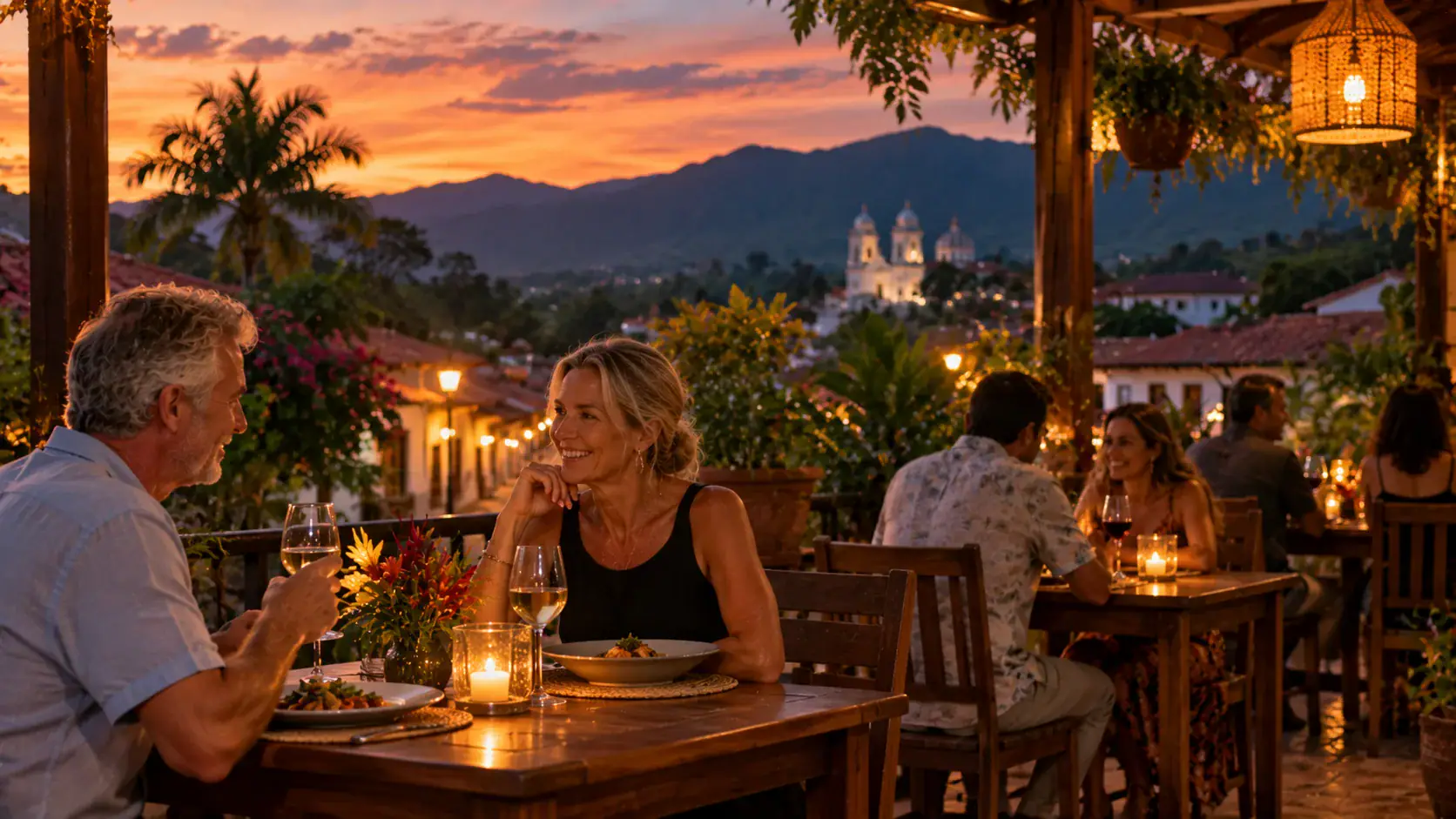
Illustrations show general coastal evenings, not named entertainment venues.