Applying for residency in Costa Rica is an exciting journey. It allows individuals to stay in this beautiful country while awaiting approval from immigration authorities. However, navigating the complexities of renewing your passport during this process can be daunting.
When you submit your residency application, you shift from tourist status to a residency applicant. This change is significant and affects your legal standing. Understanding how your residency application interacts with your home country’s passport renewal requirements is crucial.
Many people find that the residency process involves multiple steps. Each step requires careful attention to detail and official documentation. Our goal is to provide you with the information needed to manage your passport renewal effectively. This way, you can ensure that your pending residency status remains secure.
Understanding the Costa Rican Residency Landscape
Understanding the nuances of residency in Costa Rica can enhance your experience. There are various legal pathways to achieve residency. One of the most straightforward methods is through a connection, such as marrying a Costa Rican citizen or having a child born in the country.
The Pensionado category is a popular option. It requires a monthly income of at least $1,000 from a government or business pension plan, as outlined in Article 81 of Law 8764. Another option is the Rentista category, which necessitates demonstrating a stable unearned income of at least $2,500 per month for two years.
For those with significant capital, the Inversionista category is available. This requires a minimum investment of US$150,000 in tangible property or projects deemed of national interest. Immigration authorities in Costa Rica prioritize applicants who can show financial stability, ensuring they contribute positively to the local economy.
Whether pursuing temporary or permanent residency, the legal framework remains consistent for all applicants, regardless of nationality. For more detailed guidance on renewing your passport during a residency application, check out this resource.
Passport Renewal Necessity During the Residency Process
Renewing a passport during the residency process is a crucial step for many applicants. A valid passport is essential for entry and exit, especially when your residency application is in progress.
Immigration authorities require a complete copy of every page of your current passport. This includes clear and legible copies of any entry and exit stamps for Costa Rica. It is vital to ensure that these documents are submitted correctly.
Here are some important points to remember:
- Renewing your passport does not typically invalidate your pending residency status.
- Notify the immigration office about your new passport to link it to your existing residency file.
- Keep both your old and new passports together during the transition period.
- Ensure your new passport is fully scanned and notarized if necessary.
- Consult with your legal representative to update your file for consistent identification.
new-passport-while-costa-rica-residency-is-pending
The journey towards residency in Costa Rica involves various administrative tasks that need to be handled efficiently. One of the key aspects is managing your passport details. When you file a residency application, you transition from tourist to residency applicant status, allowing you to remain in the country legally.
It is crucial to keep your documentation organized. The immigration authority processes residency applications only after all required documents are submitted. Here are some essential points to remember:
- Updating your passport details is vital for maintaining accurate records with immigration authorities.
- While your residency application is in progress, you can stay in Costa Rica, even if your tourist visa has expired.
- We recommend keeping a copy of your old passport, as it contains important entry stamps.
- Following the correct procedures for updating your personal information makes managing this process easier.
Step-by-Step Guide to Obtaining a New Passport
Navigating the passport application process is essential for anyone pursuing residency in Costa Rica. The initial steps involve gathering necessary documents, including passport photos. These photos are required for various stages of the residency process, such as the initial application and fingerprinting at the Ministry of Public Security.
To obtain a new passport, follow the specific guidelines provided by your country of origin. This typically involves submitting an application along with current photos. Once you receive your new passport, make high-quality copies of every page, including blank ones, to update your residency file.
The submission process for a new passport can take several weeks. Therefore, plan your travel and residency updates accordingly to avoid any administrative delays. After obtaining your new passport, visit the appropriate immigration office to ensure your residency application reflects the updated document information.
Lastly, always keep your old passport in a safe place. It serves as proof of your travel history and previous legal status in Costa Rica.
Preparing Your Application Documents
Proper preparation of application documents can streamline your residency journey. Every document must be apostilled or legalized according to the laws of your country of origin. This ensures they are valid for submission to Costa Rican immigration authorities.
A birth certificate is a fundamental document that must be translated into Spanish by a court-approved translator. This translation is essential for acceptance by immigration authorities. Additionally, a criminal background check is mandatory and must be current, issued within six months prior to your residency application.
Here are some tips for handling your documents securely:
- Keep both digital and physical copies in a secure location to prevent loss or damage.
- Verify that your marriage certificate, if applicable, is properly apostilled to include a spouse in your residency application.
- Ensure that all required documents are organized and ready for submission to avoid delays.
Coordinating Documents for Residency and Passport Application
Effective document coordination is key to navigating your residency and passport applications. We recommend that our clients work closely with an immigration expert. This ensures that your birth certificate and background check are properly prepared and current for your residency application.
Coordinating documents for your residency and passport application requires a synchronized approach. This guarantees that all identification matches across your various legal files. By keeping your residency application and passport information aligned, you minimize the risk of administrative errors that could delay your approval.
- It is vital to ensure that the name on your new passport matches the name on your birth certificate and other supporting documents used for your residency.
- Proper coordination of your documents allows for a smoother transition when you eventually receive your residency ID card, known as a cedula, in Costa Rica.
Managing International Travel During Your Residency Application
Managing your travel plans while awaiting residency approval is crucial for a smooth experience. Costa Rica allows applicants to remain in the country during this process. However, it’s essential to stay informed about your residency application status.
Before leaving Costa Rica, keep your residency application receipt handy. This document serves as proof of your pending status and can be vital when dealing with immigration officials.
If you travel with a new passport, don’t forget to bring your old one. It contains entry stamps that verify your legal arrival in Costa Rica.
While your residency application is in process, you can leave the country. Just ensure your travel plans do not interfere with any required appointments. Always check the current status of your residency application before planning long trips abroad.
Understanding CRIE’s Role and Expertise
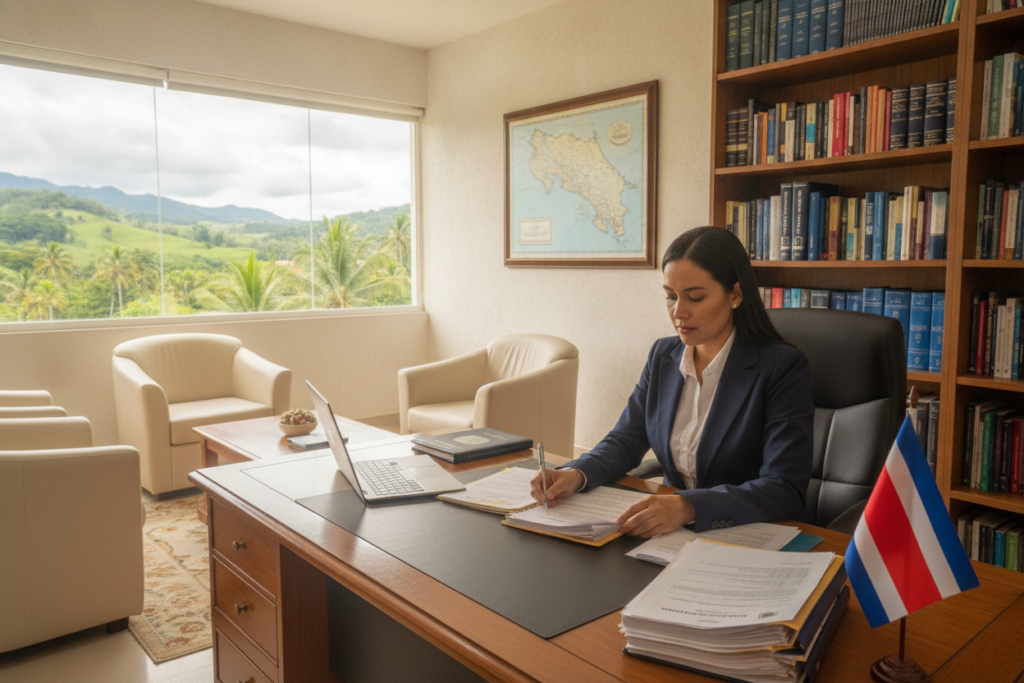
For over two decades, CRIE has been a trusted resource for individuals seeking residency in Costa Rica. We have guided many people through the immigration process, ensuring they understand each step along the way.
Our focus is on providing clear and practical information tailored to your unique situation. We specialize exclusively in residency and immigration services, helping you prepare your documents effectively.
Johanna Alvarez, our immigration expert, is here to assist you with pricing and the necessary steps for your residency application. Feel free to reach out to us for personalized guidance.
You can contact us via WhatsApp at +506 8373 2085, email us at info@crie.cr, or visit our website at crie.cr for more information.
Practical Tips for a Smooth Application Process
Streamlining your residency application process can significantly enhance your chances of success. The duration of the residency procedure varies based on the volume of applications and the diligence of your immigration representative.
Under Article 27 of the Reglamento de Extranjería, DGME has up to three months to resolve once all requirements are met. To ensure your application is processed smoothly, consider the following tips:
- Precision in document preparation is essential. Your chosen immigration representative’s follow-up efforts also play a critical role.
- Start gathering your documents early. It can take at least two months to receive properly prepared documents from your country of origin.
- Ensure that your residency application is complete. Incomplete filings can significantly delay approval by immigration authorities.
- Keep a detailed log of all interactions with the immigration office. This includes dates of submission and any correspondence regarding your application status.
- By staying organized and proactive, you can navigate the residency process with greater ease and confidence.
Navigating Timelines and Document Reviews
It’s important to be aware of the timelines and document reviews involved in residency applications. Processing times for approvals can vary significantly. This uncertainty requires patience as you wait for your residency status to be finalized.
The immigration authority thoroughly reviews all submitted documents to ensure they meet legal standards. Any discrepancies in your paperwork can lead to requests for additional information or corrections, which may further delay the process.
We advise our clients to remain in Costa Rica during this approval period. The government allows residency applicants to stay in the country while their applications are being processed. If you change your passport during this time, it’s crucial to notify your representative immediately. This ensures your file is updated, preventing potential delays in the review.
Understanding that the approval process can be influenced by the volume of applications helps manage expectations. Staying informed will assist you in navigating this journey more smoothly.
How Residency Affects Your Passport Application
Clarifying the implications of your residency status on passport applications is vital for smooth processing. Your residency application status does not prevent you from applying for a new passport. These are two separate administrative processes managed by different authorities.
When applying for a new passport, ensure that your personal information remains consistent with the data provided in your pending residency application in Costa Rica. This consistency is crucial for avoiding complications.
For family members, each residency application is processed individually. This means that passport renewals must be managed separately for every person included in the family group. Spouses and children under 18 can be included in the residency application of the main beneficiary.
If you are a residency applicant, your travel status remains that of a candidate until your request is formally analyzed and approved by the immigration authorities. Maintaining clear communication with your immigration representative ensures that any changes to your passport are reflected in your residency file, protecting your legal status.
Avoiding Common Challenges in the Process

The residency application journey can present numerous challenges that applicants must navigate. One of the most significant hurdles is ensuring your criminal background check is clean. Individuals convicted of a felony in the last 10 years will not be approved for residency, as the authorities prioritize the safety of the country.
Many applicants face delays because they fail to have their documents properly apostilled or translated by a court-approved translator before filing their residency application. This can lead to unnecessary complications.
Here are some essential tips to help you avoid common pitfalls:
- Do not attempt to file an incomplete residency application, as this practice is highly discouraged and will only serve to delay your final approval.
- Ensure that your financial proof, such as pension letters or bank statements, is current and clearly demonstrates your ability to meet the residency requirements.
- By working with an experienced immigration representative, you can identify potential issues early and take corrective action before they impact your residency application.
Key Considerations for Family and Individual Applicants
Navigating the complexities of residency applications in Costa Rica is vital for both individual and family applicants. The Political Constitution guarantees equal rights to all people, meaning that nationality does not affect residency eligibility.
Whether you are applying as an individual or as a family, the residency process requires that each person meets the specific criteria for their chosen category. For family applicants, providing marriage and birth certificates that are properly apostilled is essential to prove relationships.
Temporary residency is the first step. You must maintain this status for at least three years before applying for permanent residency. Additionally, all people seeking residency must be prepared to invest in the social security and medical benefits plan from the Caja Costarricense de Seguro Social (CCSS).
Understanding that your residency status is temporary allows you to plan your long-term goals. This includes the potential for requesting citizenship after five to seven years.
Final Thoughts on Passport and Residency Applications
Successfully managing your residency application alongside passport renewals is essential for a seamless experience in Costa Rica. Each case is unique, influenced by factors such as nationality, family situation, and immigration history. This is why personalized guidance is invaluable.
We encourage you to reach out to Johanna Alvarez, our CRIE immigration expert, to discuss your specific needs, pricing, and the next steps for your residency application. You can contact us via WhatsApp at +506 8373 2085, email us at info@crie.cr, or visit our website at crie.cr for more information on our services.
By staying informed and working with experienced professionals, you can successfully manage your residency process and enjoy your time in Costa Rica with peace of mind.