

Costa Rica has become a sought-after destination for those looking to enjoy a vibrant lifestyle while accessing quality healthcare. Many individuals planning to relocate to this beautiful country often wonder if their U.S. Medicare coverage will be applicable. Unfortunately, a common misconception is that Medicare offers international benefits, which is not the case.
Understanding the financial implications of moving abroad is crucial for maintaining health and well-being. While Medicare is a vital program in the United States, it does not extend its coverage to this Central American country. Therefore, we need to explore how to manage healthcare needs effectively without relying on U.S. government programs.
Planning for your future in a new country involves a comprehensive look at accessing medical services and managing your budget. With the right information, we can navigate this transition smoothly and ensure that our healthcare needs are met.
Overview of Costa Rica’s Healthcare System and Residency
The healthcare landscape in Costa Rica is a crucial aspect for those considering a move to this beautiful country. This system is highly regarded, currently ranking 33rd globally for its quality and effectiveness.
Residents are required to contribute to the Caja Costarricense de Seguro Social, known as CAJA. This contribution typically ranges from 7% to 11% of their declared income. While the public healthcare system provides universal coverage, many choose to enhance their healthcare experience with private insurance.
Private insurance offers greater flexibility and quicker access to medical services. This allows patients to select their preferred doctors and facilities, often resulting in shorter wait times for non-emergency procedures. Understanding these options is essential for all newcomers planning their long-term health strategy.
Understanding Medicare in the U.S. Context
Navigating the complexities of Medicare is essential for those planning a move abroad. In the United States, Medicare is divided into different parts, each serving a unique purpose.
Medicare Part A generally provides hospital care without a premium for those who have paid taxes for at least ten years. However, this coverage is limited to services within the United States.
Part B carries a standard monthly premium of $185 in 2026, but it does not cover medical services received outside the U.S. Furthermore, if we miss enrolling in Part B when first eligible, we may face a late enrollment penalty of 10% for each full year we delay.
Part D, which covers prescription drugs, is also limited to U.S. pharmacies. This means that medications purchased abroad may not be reimbursed, creating potential gaps in our healthcare coverage.
To manage these coverage gaps effectively, we must plan carefully. Understanding these details will help us avoid significant financial penalties in the long run.
medicare-cover-costa-rica-retirees: Navigating Medicare Decisions Abroad

Before moving abroad, we need to understand how Medicare impacts our healthcare options. When we relocate to Costa Rica, we must accept that Medicare will not cover any healthcare services received outside the United States.
Many find that the benefits of living in a country with affordable medical care outweigh the loss of U.S.-based insurance coverage. However, it’s crucial to evaluate our personal health needs and the likelihood of returning to the U.S. before deciding to drop our existing Medicare coverage.
We must recognize that our U.S. insurance benefits are not portable. This means we are responsible for all medical costs incurred while living in Costa Rica. Making an informed decision about our coverage requires balancing the cost of premiums against the actual utility of the services provided in our new home.
Integrating U.S. Medicare Considerations with CRIE Residency Expertise
As we embark on our journey to establish residency in Costa Rica, understanding healthcare options becomes vital. With over 20 years of experience, CRIE has assisted countless individuals and families in navigating the complex residency process required to live in this beautiful country.
While CRIE focuses exclusively on residency and immigration services, we recognize that healthcare access is a primary concern for those planning their move. Evaluating your U.S. coverage versus local healthcare solutions is a critical step to complete before finalizing your residency application.
Our team provides the guidance necessary to secure your legal status, which is the first step toward accessing the national public healthcare system. We encourage you to consult with financial experts regarding your Medicare plans while we handle the documentation required for your legal residency in the country.
Determining Your Healthcare Needs as a Retiree in Costa Rica
Understanding our healthcare needs in Costa Rica is essential for a smooth transition to life in this vibrant country. Many of us will find that the costs of common medical procedures are significantly lower than in the United States.
For instance, a knee replacement surgery at CIMA Hospital typically costs between $12,000 and $15,000. This is a fraction of the cost compared to U.S. prices, making it an attractive option for those needing such services.
When assessing our healthcare needs, we can easily find qualified doctors and specialists in major cities. Many hospitals offer a full range of services, ensuring we receive high-quality care for both routine check-ups and emergencies.
By comparing these costs, we can determine if we can comfortably manage our health expenses through out-of-pocket payments or local private insurance plans. For more information on financial planning for healthcare in Costa Rica, visit this resource.
Evaluating the Role of Social Security in Supporting Healthcare
Understanding how Social Security fits into our healthcare plans is essential for a smooth transition to life abroad. The decisions we make regarding Social Security can directly influence our Medicare enrollment and, consequently, our healthcare coverage.
Here are some key points to consider:
- Our Social Security claiming strategy often triggers automatic Part A coverage.
- If we receive Social Security, it’s important to monitor how Medicare premiums are deducted from our monthly benefits.
- Dropping Part D, which has a base beneficiary premium of $36.78 in 2026, should be weighed against our need for prescription medications.
- Both Social Security and Medicare do not provide financial support for healthcare services in Costa Rica.
- Reviewing our Social Security status alongside our retirement plan can help avoid unnecessary U.S. coverage costs.
Exploring Health Insurance Options and Supplemental Coverage
Choosing the right healthcare coverage is a vital aspect of living comfortably in Costa Rica. Many expatriates opt for private health insurance to complement the public system. For instance, plans from INS typically range from $50 to $250 per month, depending on your age.
Combining CAJA enrollment with a private plan is a common strategy. This approach ensures access to both public and private medical facilities. It’s essential to have private insurance to address potential coverage gaps, especially for specialized care that may involve long wait times in the public system.
When selecting your insurance, ensure the policy covers the specific medical services you anticipate needing during your retirement years. A robust health insurance strategy provides peace of mind, knowing you are protected against unexpected medical expenses while living abroad.
Essential Residency Requirements for Accessing Healthcare in Costa Rica
To access healthcare services in Costa Rica, understanding residency requirements is crucial. The first step in this journey is obtaining legal residency, which typically takes between 10 and 24 months to complete.
During this time, we can rely on CRIE for expert guidance on the documentation required for our immigration application. This ensures that our paperwork meets all government standards, simplifying the process.
Once we achieve legal residency, we will receive our DIMEX card. This card is essential for registering for CAJA services, which are part of the public healthcare system.
CRIE helps us navigate the immigration process efficiently. This allows us to focus on our transition to life in Costa Rica rather than getting bogged down by bureaucratic hurdles.
Remember, residency is a prerequisite for many local services. Starting our application early is the best way to ensure timely access to care.
Practical Tips for a Seamless Transition to Costa Rican Healthcare
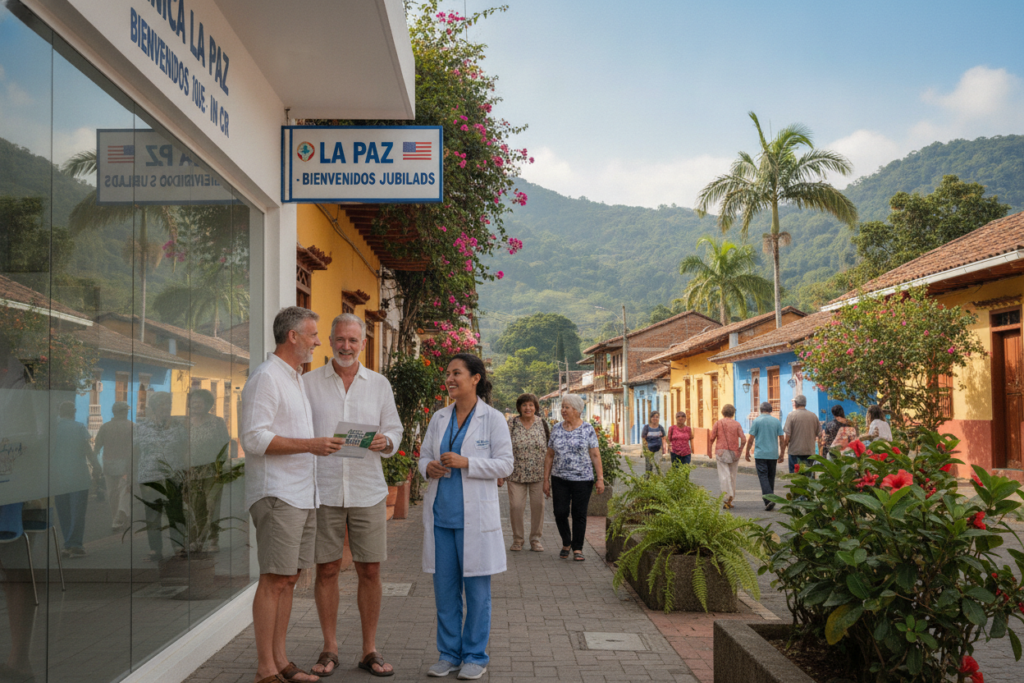
Transitioning to a new healthcare system can be challenging, especially in a foreign country like Costa Rica. To help us navigate this journey, we can follow some practical steps to ensure we receive the care we need.
Steps to Register for CAJA and Local Services
After obtaining our residency, the first step is to visit our local EBAIS clinic. This visit is crucial for registering with the public healthcare system and receiving our identification.
It’s also helpful to familiarize ourselves with the operating times of local clinics. Many provide excellent care for minor health issues during the day.
Managing U.S. Financial Implications and Medicare Timelines
Managing our U.S. financial implications requires tracking our Medicare timelines closely. This is especially important if we plan to return to the U.S. for major procedures.
We suggest building a relationship with a local doctor who can guide us through the Costa Rican medical landscape and help coordinate our care.
By taking these practical steps, we can ensure a smooth transition and enjoy the high quality of life that this beautiful country has to offer.
Wrap-Up and Next Steps for Your Healthcare Journey in Costa Rica
Navigating the transition to a new healthcare system requires careful planning. The rewards of living in this vibrant country are well worth the effort. Each person’s journey will differ based on nationality, family situation, and documents.
As we prepare for this move, it’s crucial to evaluate our healthcare options. We should consider our needs and the costs associated with both public and private services. Accessing quality care is vital for our well-being in a new environment.
For personalized guidance on your residency application and to discuss pricing, please reach out to our immigration expert, Johanna Alvarez. You can contact Johanna directly via WhatsApp at +506 8706 3888, by email at info@crie.cr, or by visiting our website at crie.cr.
We are here to help you manage the immigration side of your journey so you can focus on enjoying your new life in this beautiful country.
FAQ
Does Medicare provide coverage in Costa Rica?
What is the CAJA system in Costa Rica?
Are there private healthcare options available?
How do we assess our healthcare needs before moving?
What role does Social Security play in our healthcare decisions?
What are the residency requirements for accessing healthcare?
How can we transition smoothly to the Costa Rican healthcare system?
What should we know about healthcare costs in Costa Rica?
Article by Glenn Tellier (Founder of CRIE and Grupo Gap)
Don't wait, contact us right now!
Call or WhatsApp Costa Rica +506 8373 2085 or +506 8706 3888
Call USA/Canada +1 305-906-6784