
Obtaining legal residency in a new country can be a complex journey. For those looking to make a permanent home in this beautiful nation, understanding the requirements is essential. Costa Rica offers various pathways for foreigners, with marriage to a local citizen being one of the most popular options.
Navigating the marriage certificate requirements is a foundational step in this process. We recognize that the immigration process can feel overwhelming. Our goal is to provide clear, concise information to help you succeed.
Establishing your legal status here requires careful attention to detail regarding your marriage certificate and other essential documents. By simplifying the necessary paperwork and legal steps, we aim to make your journey smoother. Join us as we explore the steps needed to secure your residency in Costa Rica.
Overview of Marriage Certificate Requirements for Costa Rica Residency
Navigating the path to legal residency in a foreign land can be quite challenging. For foreigners, there are five primary pathways to gain residency in Costa Rica. These options include retirees, investors, foreign workers, and spouses of Costa Rican citizens.
The marriage certificate is a crucial document when applying for residency through a union with a local partner. It serves as vital evidence of your relationship, confirming your eligibility for this pathway.
Understanding the specific requirements for your application is essential. This knowledge ensures a smooth and legally compliant transition into the country. Each case varies based on nationality, family situation, and immigration history.
By focusing on the marriage certificate, you can better prepare for the documentation standards required by immigration authorities. For more detailed information, visit this link.
Understanding marriage-certificate-costa-rica-residency Requirements
Embarking on the path to legal residency involves understanding specific requirements. To successfully manage your documentation, it is essential to gather specific papers that prove your identity and marital status.
The birth certificate and marriage certificate are foundational documents. These must be properly authenticated before they are accepted by the immigration office. We recommend starting the process of collecting these documents well in advance to avoid delays in your application.
Each document must meet the strict standards set by the government of Costa Rica. Proper preparation of your paperwork is the most effective way to navigate the requirements and secure your legal status in the country.
Key Documents and Paperwork for Residency Through Marriage
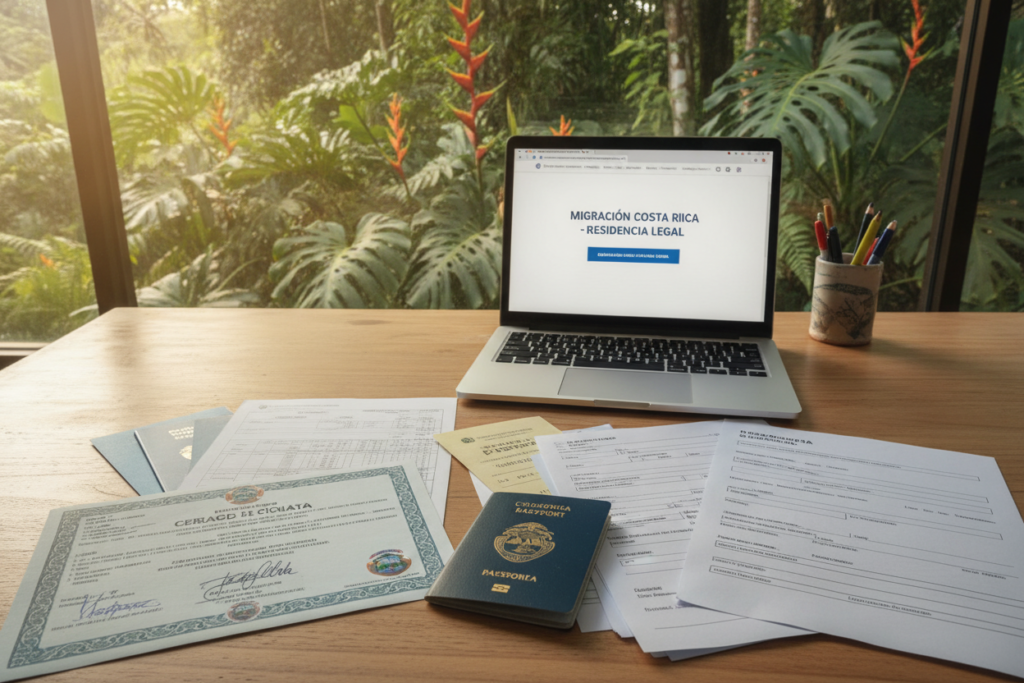
To successfully settle in a new country, understanding the required documents is crucial. Among the most important are your birth certificate and an FBI background check. Both documents must come with an apostille to be valid in Costa Rica.
The FBI background check costs $18 USD and is essential for proving your clean criminal record to immigration authorities. This document plays a vital role in your residency application.
Obtaining an apostille for your birth certificate ensures that it is recognized as authentic under the Hague Convention of 1961. We recommend using electronic submission for your FBI background check, as this method is significantly faster than mailing physical fingerprint cards.
Ensuring that your birth certificate and background check are current is a critical part of the paperwork process for your residency application. For more detailed information, visit this guide.
Navigating the Residency Process Through Marriage
The journey to establishing legal status in a new country can often be daunting. When you marry a Costa Rican citizen, you initially receive temporary residency. This status is valid for one year and can be renewed annually for a total of three years.
After completing three years of temporary residency, you can apply for permanent residency. This transition is essential for those looking to make Costa Rica their long-term home.
To start the application process, you must submit your marriage certificate along with other necessary documents to the immigration office. It is crucial to maintain your legal status by renewing your temporary residency each year until you qualify for permanent residency.
Following the application steps carefully can help you avoid common pitfalls that often delay approvals. By being diligent, you can navigate the process more smoothly.
CRIE’s Role in Supporting Your Immigration Journey
Starting a new life in a different country requires careful planning and support. At CRIE, we have provided expert guidance to individuals and families navigating the immigration process in Costa Rica for over 20 years.
Our team helps you organize your documents, including your marriage certificate, ensuring they meet all current government requirements. Each case is unique, depending on your nationality and immigration history, which is why we offer personalized assistance tailored to your specific situation.
For more information on pricing and the next steps for your residency application, you can speak with Johanna Alvarez, our immigration expert. We encourage you to reach out for personalized guidance.
Contact us via WhatsApp at +506 8373 2085, email info@crie.cr, or visit our website at crie.cr.
Managing Document Renewals and Overcoming Expirations
Keeping track of document renewals is essential for maintaining your legal status. It’s important to remember that your background check and other necessary documents are only valid for six months during the residency application process.
To help manage your paperwork effectively, we recommend creating a calendar. This will allow you to track the expiration dates of your documents and ensure timely renewals.
If a document expires, you will need to obtain a new one, which can add significant time and cost to your immigration process. Developing a strategy for timely renewals is the best way to maintain your legal status as a resident in Costa Rica.
Always verify the validity period of every document before you submit your application to the immigration office. This precaution will help you avoid unnecessary delays and complications.
Comparing Residency Options for Foreign Spouses
Understanding the various pathways to legal status in a foreign land is crucial for newcomers. Foreigners married to a Costa Rican citizen may eventually qualify for citizenship after living in the country for two years.
The citizenship application process requires that you have been married for at least two years and maintained legal residency status throughout. Unlike temporary residency, the citizenship process is managed by the Supreme Electorate Court, which sets its own resolution period.
It is essential to grasp the difference between residency and citizenship. This knowledge can significantly impact your long-term plans in Costa Rica. Our team is here to help you understand how the law applies to your specific situation regarding both residency and potential future citizenship.
Practical Tips for a Smooth Application Process
Successfully applying for residency involves understanding key procedural steps. Preparing your paperwork correctly can significantly ease your journey. We recommend focusing on a few essential aspects to ensure everything is in order.
Preparing and Validating Your Paperwork
Always ensure your passport is valid and that your identification documents are consistent across all your residency application files. When you receive your DIMEX card, which serves as your official residency identification, keep it in a safe place at all times.
We suggest keeping a digital copy of every document and application form you submit to the immigration office for your records. Proof of your relationship, such as photos, may be requested during your couples interview to verify the legitimacy of your marriage.
Ensuring Accuracy and Consistency in Your Files
Paying attention to small details, such as the spelling of your name on your birth certificate, can prevent issues during the application process. Taking these steps will help you navigate the immigration process more smoothly.
Final Thoughts on Establishing Residency in Costa Rica
Building a life in a different country is a journey filled with unique hurdles. Establishing your legal status requires patience, organization, and a clear understanding of the legal requirements.
By managing your essential documents, you can successfully secure your status as a legal resident. Staying informed about any changes in immigration law is crucial for your residency and future citizenship goals.
Remember, every case is unique. Having the right support can significantly enhance your experience. Please reach out to Johanna Alvarez at CRIE today to discuss your specific situation and start your path toward residency.

FAQ
What documents do we need to apply for residency through marriage?
To apply for residency through marriage, we need a valid marriage certificate, our birth certificates, a passport, and proof of no criminal background. Additionally, some documents may require an apostille for authenticity.
How long does the residency application process take?
Under Article 27 of the Reglamento de Extranjería, DGME has a maximum of three months to resolve an application once all requirements are met, so submit a complete file and keep your documents current. However, processing times can vary based on individual circumstances and the completeness of our application.
Can we apply for temporary residency first?
Yes, we can apply for temporary residency first. This option allows us to stay in the country while we gather the necessary documents for permanent residency.
What is the difference between temporary and permanent residency?
Temporary residency is usually granted for a specific period, often up to three years, while permanent residency allows us to stay indefinitely. Permanent residency typically has more stringent requirements.
Do we need to undergo a background check?
Yes, a background check is required as part of the residency application process. We will need to provide documentation proving our criminal history, which usually involves obtaining a report from the FBI or local authorities.
How can we ensure our documents are valid and accepted?
To ensure our documents are valid, we should verify that they are properly apostilled and translated into Spanish if necessary. Consulting with an immigration expert can also help us navigate this process smoothly.
What support can we get from CRIE during our application?
CRIE offers guidance in preparing our documentation, ensuring that we meet all legal requirements. They can assist us with personalized support throughout our immigration journey.
What should we do if our residency documents expire?
If our residency documents expire, we should initiate the renewal process as soon as possible. Timely renewals can help us avoid complications with our legal status in the country.
Are there any specific tips for a smooth application process?
Yes, we should prepare and validate our paperwork thoroughly, ensuring accuracy and consistency in all our files. Double-checking our documents can help prevent delays in processing.