
Costa Rica’s Water Quality Standards Compared to International Standards
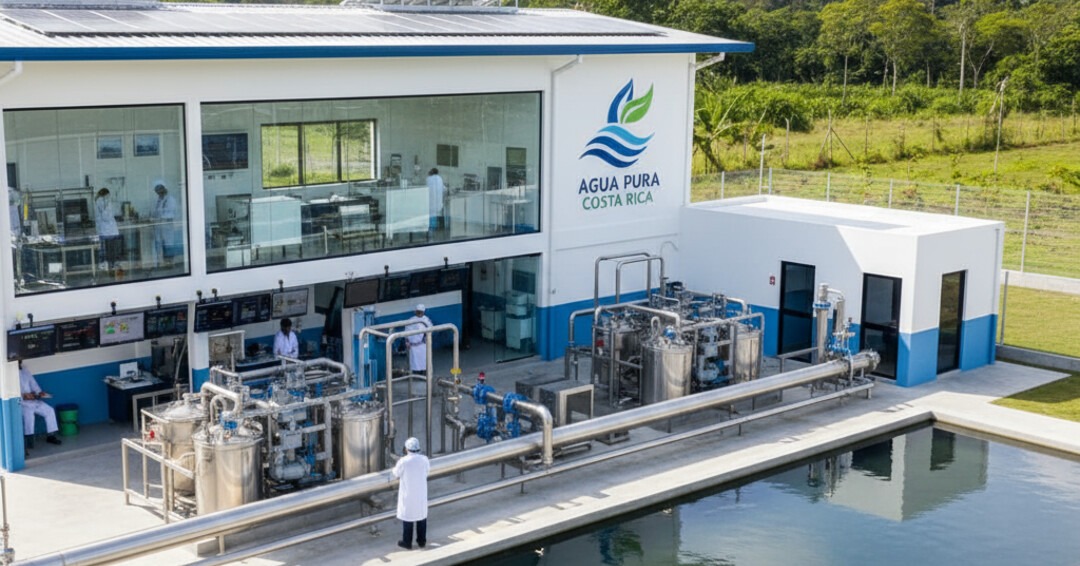
Costa Rica maintains some of the highest water quality standards in Latin America, with the Instituto Costarricense de Acueductos y Alcantarillados (AyA) overseeing water treatment and distribution throughout much of the country.
Costa Rica’s AyA maintains modern water treatment facilities that meet international standards in many urban areas.
How Costa Rica’s Standards Compare Globally
| Parameter | Costa Rica (AyA) | WHO Standards | US EPA Standards | EU Standards |
| Bacterial Testing Frequency | Monthly | Recommended Monthly | Monthly | Monthly |
| E. coli Tolerance | 0 per 100ml | 0 per 100ml | 0 per 100ml | 0 per 100ml |
| Chlorine Residual | 0.3-0.6 mg/L | 0.2-0.5 mg/L | 4.0 mg/L (max) | 0.2-0.5 mg/L |
| Infrastructure Investment | Moderate | N/A | High | High |
| Rural Coverage | Variable | N/A | High | High |
While Costa Rica’s urban water treatment standards align closely with international guidelines, the key difference lies in infrastructure and consistency across regions. Unlike the US and EU, Costa Rica experiences more variability in rural and remote areas where monitoring may be less frequent.
Regional Safety Breakdown: Where Tap Water is Safe vs. Risky
Water safety map of Costa Rica showing regions where tap water is generally safe (green), variable (yellow), and not recommended (red).
Regions Where Tap Water is Generally Safe
- San Jose and Central Valley – The capital and surrounding areas benefit from robust water treatment infrastructure and regular testing.
- La Fortuna (Arenal) – This popular tourist destination maintains high-quality municipal water systems.
- Monteverde – The cloud forest region typically has excellent water quality from natural mountain springs.
- Manuel Antonio – This developed tourist area generally provides safe drinking water.
- Jaco – The central Pacific coast town usually has reliable water treatment systems.
Regions Where Caution is Advised
- Northern Guanacaste – Beach towns like Tamarindo and Playas del Coco often face seasonal water shortages, affecting quality.
- Caribbean Coast – Puerto Viejo and the surrounding areas rely heavily on well water with high mineral content.
- Esterillos to Bejuco – These Central Pacific areas have experienced ongoing water quality issues.
- Remote Mountain Villages – Small communities may have limited water treatment infrastructure.
| Province | Urban Areas | Rural Areas | Tourist Zones | Recommendation |
| San José | Generally Safe | Variable | Safe | Safe in most areas |
| Alajuela | Safe | Generally Safe | Safe (La Fortuna) | Safe to drink |
| Guanacaste | Variable | Not Recommended | Caution (Tamarindo, Playas del Coco) | Bottled water recommended |
| Puntarenas | Generally Safe | Variable | Variable (Manuel Antonio safe) | Check locally |
| Limón | Variable | Not Recommended | Not Recommended | Use bottled water |
| Heredia | Safe | Generally Safe | Safe | Safe to drink |
| Cartago | Safe | Generally Safe | Safe | Safe to drink |
Health Considerations for Foreigners Drinking Costa Rican Water
Even in areas with safe tap water, many travelers opt for filtered water while exploring Costa Rica.
Understanding Different Reactions to Local Water
Even when tap water is technically safe to drink in Costa Rica, foreign visitors may experience mild digestive discomfort due to differences in mineral content and bacterial composition compared to water in their home countries. This is often mistakenly attributed to contamination when it’s simply your body adjusting to different water properties.
Official Health Authority Recommendations
The Costa Rican Ministry of Health and the U.S. Centers for Disease Control (CDC) both acknowledge that tap water in major Costa Rican cities and tourist areas is generally safe to drink. However, they recommend that visitors with sensitive stomachs, compromised immune systems, or those traveling to remote areas consider additional precautions.
Common Water-Related Health Issues
Mild Issues (Common)
- Temporary digestive discomfort
- Mild diarrhea
- Upset stomach
- Dehydration from heat and humidity
Serious Issues (Rare)
- Bacterial infections
- Parasitic infections
- Severe dehydration
- Waterborne diseases
Protect Your Health While Traveling
Even with Costa Rica’s generally good water quality, travel insurance provides essential protection against unexpected medical expenses. Heymondo offers comprehensive coverage for water-related illnesses and 24/7 medical assistance.
Bottled Water vs. Filter Solutions: Making the Right Choice
Both bottled water and filter solutions offer safe drinking options in Costa Rica, but with different environmental impacts.
Bottled Water Advantages
- Widely available throughout Costa Rica
- Consistent quality and taste
- No preparation needed
- Convenient for day trips
- Inexpensive (approximately $1-2 USD per liter)
Bottled Water Disadvantages
- Creates significant plastic waste
- Environmental impact on Costa Rica’s ecosystems
- Costs add up over longer stays
- Recycling infrastructure is limited in many areas
- Contributes to Costa Rica’s waste management challenges
Sustainable Water Filter Options
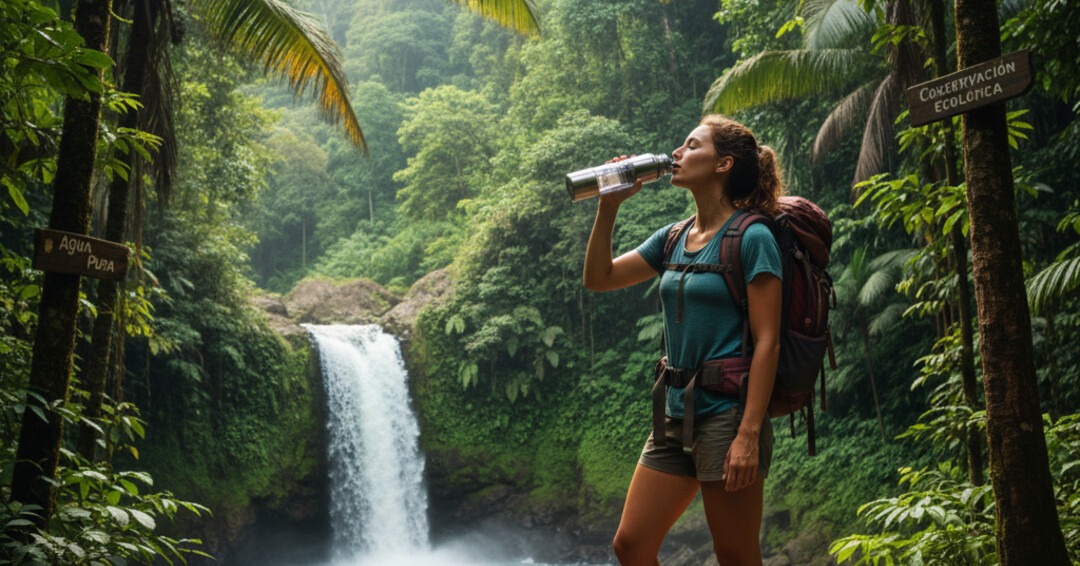
Modern water filters provide safe drinking water while reducing plastic waste during your Costa Rica travels.
- Filtering Water Bottles – Products like LifeStraw Go or GRAYL Ultralight remove bacteria, parasites, and microplastics from tap water.
- Portable Water Filters – Sawyer Mini or Katadyn BeFree filters are lightweight options for purifying water from various sources.
- UV Water Purifiers – SteriPen devices use ultraviolet light to neutralize harmful microorganisms in water.
- Water Purification Tablets – Aquatabs or Potable Aqua tablets provide chemical treatment for emergency situations.
Travel Confidently with Clean Water
The LifeStraw Go water bottle with built-in filter removes 99.9999% of bacteria, parasites, and microplastics, making virtually any tap water in Costa Rica safe to drink while reducing plastic waste.
Local Expert Tips for Safe Hydration in Costa Rica
Local guides often provide valuable insights about regional water safety throughout Costa Rica.
Advice from Residents and Long-term Expats
“In most urban areas and established tourist destinations, tap water is perfectly safe. However, I always recommend visitors ask their accommodation providers about local water quality, as it can vary significantly between regions and even neighborhoods.”
- Ask Local Accommodation Providers – Hotel and vacation rental staff can provide the most up-to-date information about local water quality.
- Look for Water Dispensers – Many hotels and restaurants offer purified water dispensers for guests to refill bottles.
- Buy Large Water Containers – For longer stays, purchase 5-gallon jugs (bidón de agua) from local grocery stores to reduce plastic waste.
- Check for Water Clarity – If tap water appears cloudy or discolored, opt for bottled or filtered water.
- Be Cautious with Ice – In remote areas, ask if ice is made from purified water before adding it to drinks.
3 Emergency Hydration Tips for Travelers
- Boil Water for One Minute – If no other options are available, boiling water for at least one minute will kill most harmful microorganisms.
- Use Hotel Bathroom Tap as Last Resort – In many hotels, bathroom taps may be connected to different water systems than kitchen taps. Always ask first.
- Coconut Water for Natural Hydration – Fresh coconut water is sterile, hydrating, and widely available throughout Costa Rica as a natural alternative in emergencies.
Understanding Local Water Terminology
| Spanish Term | English Translation | What It Means |
| Agua potable | Potable water | Water that is safe to drink |
| Agua purificada | Purified water | Water that has undergone additional filtration |
| Agua de la llave/grifo | Tap water | Water directly from the faucet |
| Agua embotellada | Bottled water | Commercially packaged drinking water |
| Bidón de agua | Water jug | Large 5-gallon water container |
Conclusion: Staying Safe and Hydrated in Costa Rica
With proper preparation, you can stay safely hydrated while enjoying Costa Rica’s natural beauty.
Costa Rica offers generally safe drinking water in most urban and tourist areas, setting it apart from many other Latin American destinations. However, regional variations make it important to research your specific destinations and take appropriate precautions.
Whether you choose bottled water, bring a portable filter, or drink from the tap in safe areas, staying properly hydrated is essential in Costa Rica’s tropical climate. By following the guidelines in this article and seeking local advice, you can enjoy your Costa Rican adventure without water safety concerns.
Remember that even in areas with technically safe tap water, travelers with sensitive stomachs may want to take extra precautions. When in doubt, bottled or filtered water provides peace of mind, allowing you to focus on enjoying the stunning natural beauty and rich experiences that Costa Rica has to offer.
Plan Your Costa Rica Trip with Confidence
For personalized assistance with your Costa Rica travel plans, including residency information and relocation services, CRIE offers expert guidance to ensure a smooth experience.
Article by Glenn Tellier (Founder of CRIE and Grupo Gap)
Don't wait, contact us right now!
Call or WhatsApp Costa Rica +506 8373 2085 or +506 8706 3888
Call USA/Canada +1 305-906-6784