
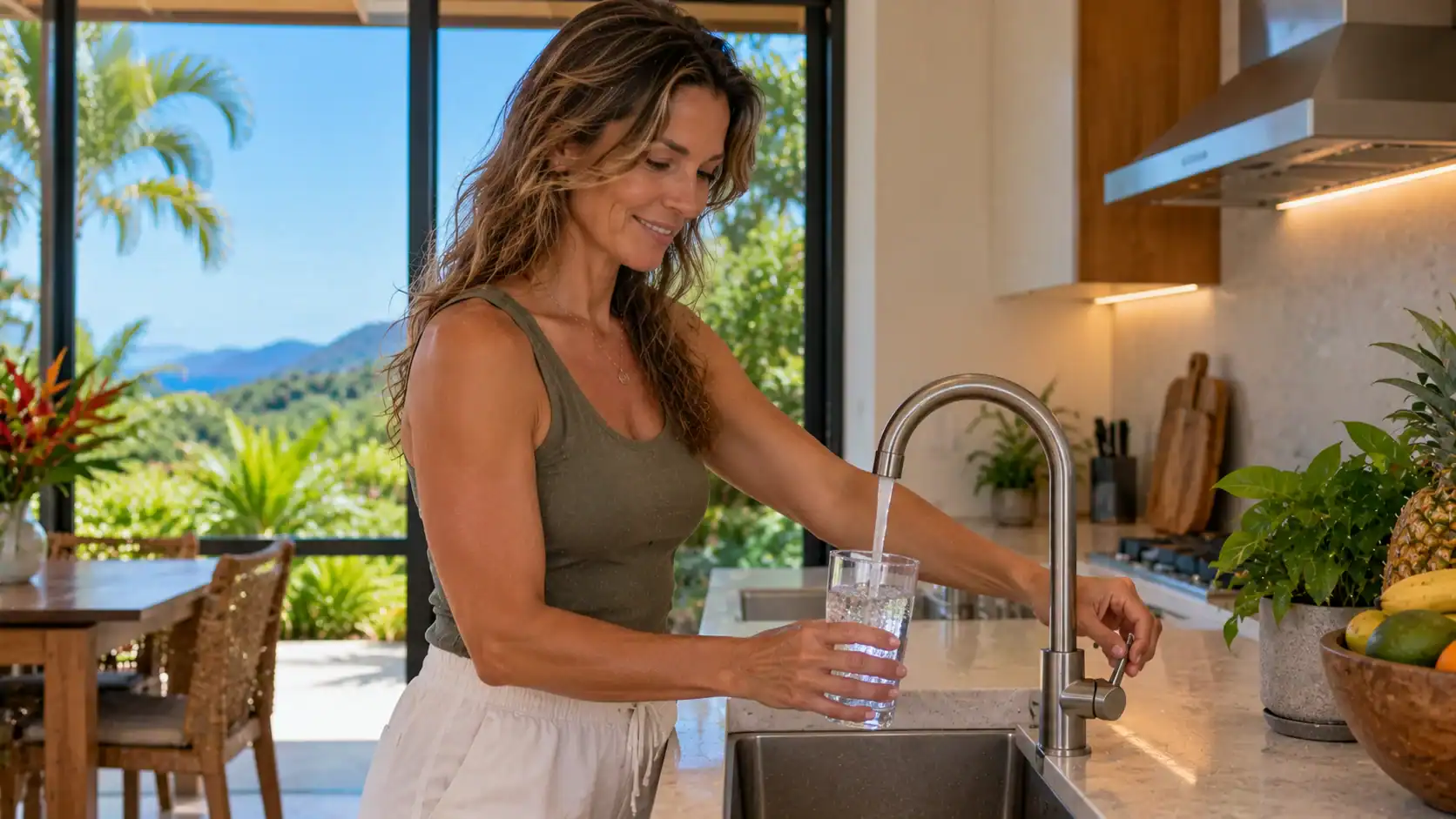
Yes. In most of Costa Rica you can drink the tap water. About 92% of the population received drinking-quality water in 2023, according to the national water laboratory of AyA, Costa Rica’s water utility, as reported in the Estado de la Nación 2024 report. In San José and the other Central Valley cities, people generally drink straight from the tap. The places to be careful are some small rural systems, untreated water from rivers or springs, and any area under a local water notice.
Where the tap water is safe, and where to be careful
- San José and the Central Valley (Escazú, Santa Ana, Heredia, Alajuela, Cartago and their suburbs): supplied by large operators such as AyA, ESPH in Heredia and municipal systems. This is where most expats live, and tap water is part of everyday life.
- Small towns and community systems: many rural areas are served by community water associations (ASADAs). Most are fine, but quality varies more. When national coverage dipped in 2022, community systems were the most affected.
- Rivers, streams, waterfalls and springs: never drink untreated water from natural sources, however clean it looks.
- During a notice: if the local operator or the Ministry of Health issues a restriction, follow it until it is lifted.
If you have a sensitive stomach, using bottled or filtered water for your first few days is a simple precaution, even where the tap water is safe.
Costa Rica has a national drinking-water standard
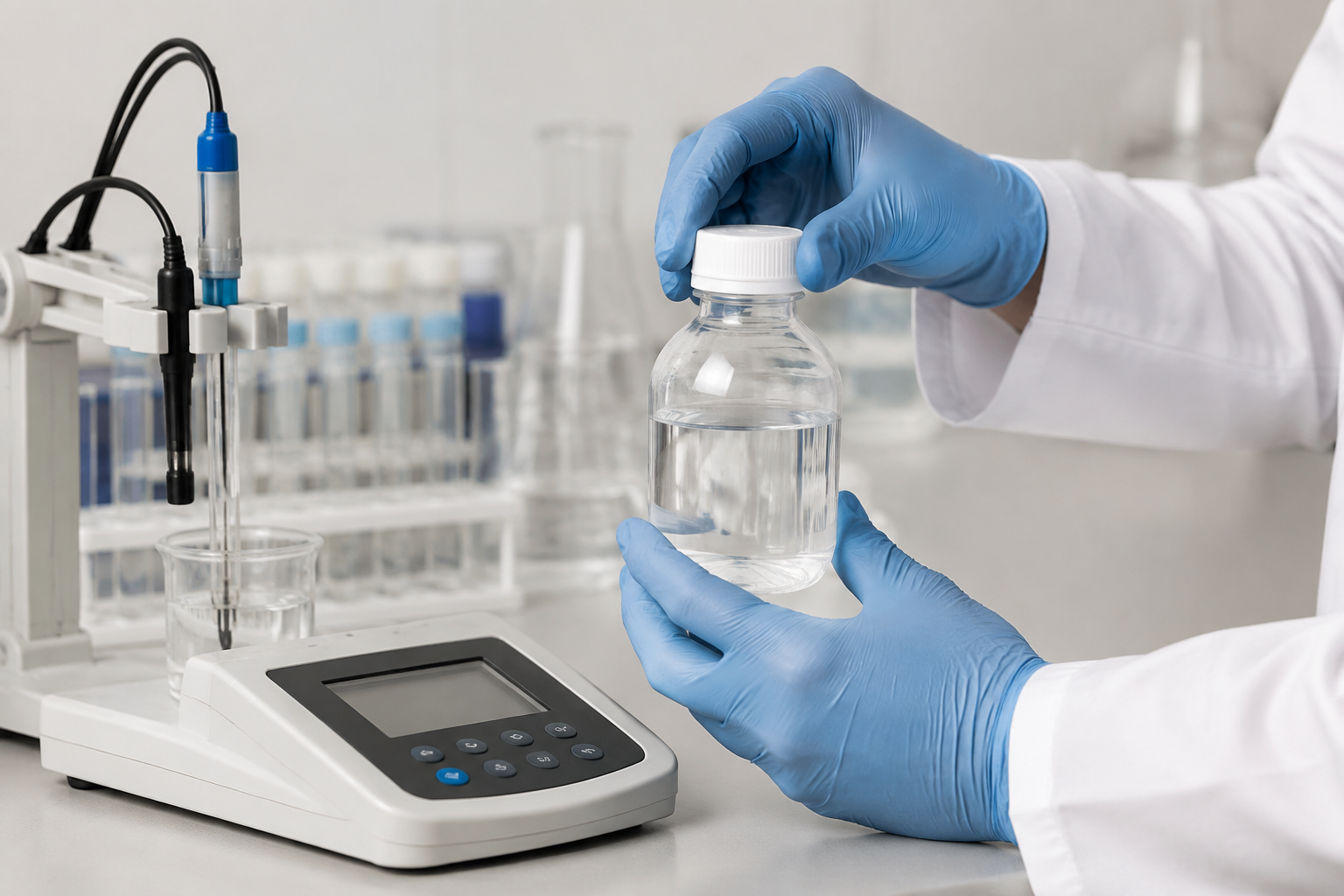
The Ministry of Health’s legislation collection lists Decree 38924-S, the Reglamento para la Calidad del Agua Potable. It sets quality requirements for every drinking-water system, public or private; a community-run system must meet the same standard as a large utility. The regulation is still being updated: an official 2025 amendment added procedures for pesticide alert values.
Find out who supplies the property
Suppliers include AyA, municipal systems, ESPH and the community associations (ASADAs). If you are renting or buying, ask the owner or manager which operator and system serve the address, then check with that operator for any current service or quality notices. The type of supplier alone does not prove the water is good or bad; what matters is how that system is run and monitored.
Look for the latest notice, not an old news story
Problems are usually local, affecting one intake or one service area. In January 2024, for example, the Ministry of Health told the affected communities not to drink the water after hydrocarbon contamination. That was a specific, temporary order. Always check the date, the exact area and whether a later notice lifted it.
Boiling is not the answer to every problem
The CDC explains that boiling deals with germs but does not make water with harmful chemicals safe. A boil-water notice, a do-not-drink notice and a do-not-use notice mean different things, so follow the exact instruction, and check whether it also covers ice, brushing teeth and washing food. A household filter only removes what it is designed to remove.
Check the storage tank and plumbing
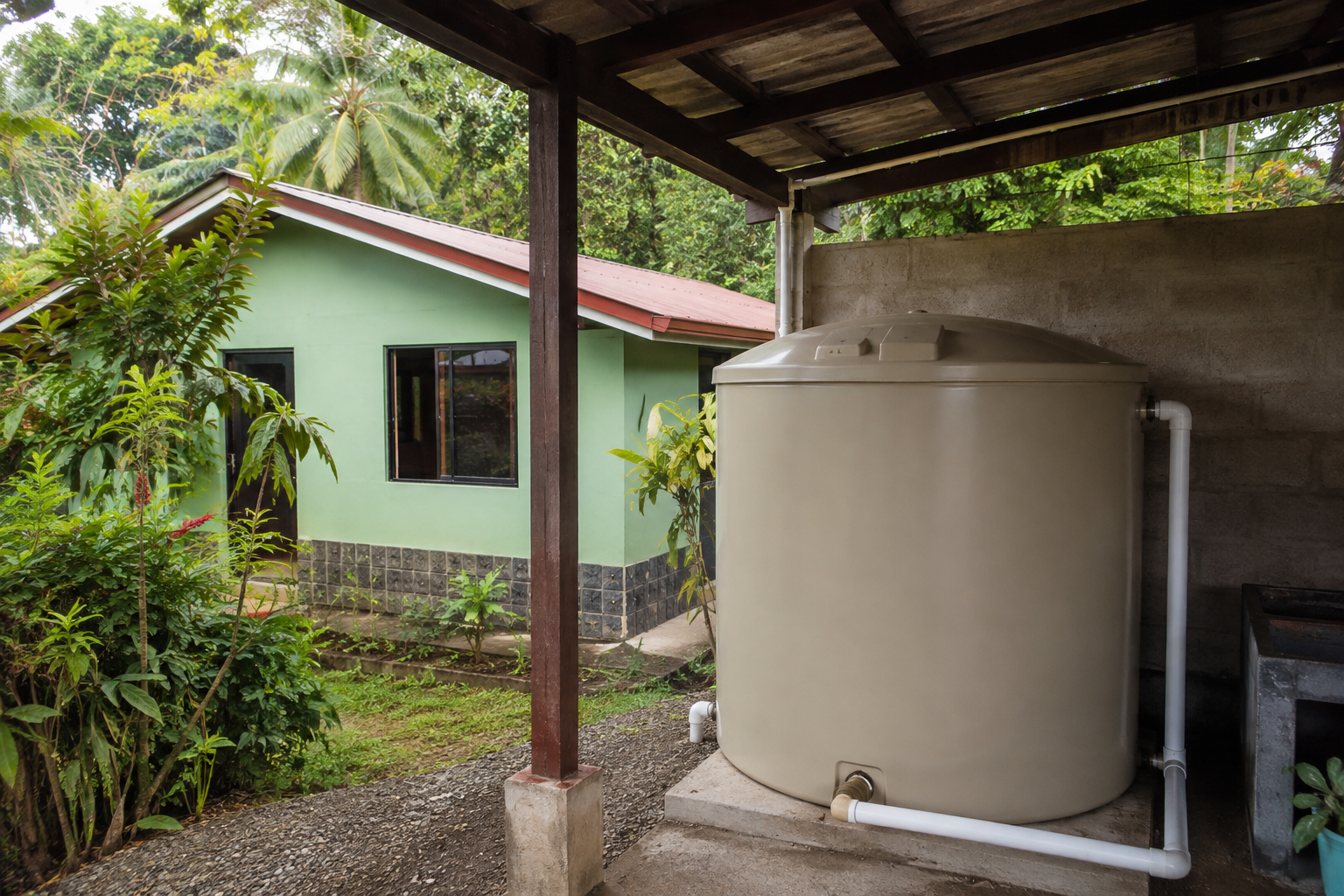
Many Costa Rican homes have a water tank to cover service interruptions. The water arriving at the property and the water coming out of the tank are two different questions, so ask how the tank is covered, cleaned and maintained, and who is responsible for it.
Questions to ask before renting or buying
- Which operator and system supply this address?
- Are there any current restrictions or recent quality results?
- Does the property use a private well or a storage tank?
- Who maintains the tank, filters and plumbing?
- What happens during an interruption?
Moving here? Our guide to relocating to Costa Rica from the US covers the rest of the checklist.
Frequently asked questions
Is tap water safe to drink in San José?
Generally, yes. San José and the Central Valley are served by large operators that must meet the national drinking-water standard, and residents drink tap water every day. Follow any local notice if one is issued.
Can I drink the tap water in hotels and restaurants?
In the cities and main tourist towns, generally yes, and ice is normally made from the same supply. In remote lodges or small rural areas, ask the staff where the water comes from.
Can I brush my teeth with tap water in Costa Rica?
Yes, wherever the tap water is safe to drink. If a do-not-drink notice is in force, use bottled or safe water for brushing too.
Is the water safe at the beach?
It depends on the system serving that town. Many beach towns are fine, but ask your accommodation which operator supplies it, especially in smaller communities.
Coverage figure from the Estado de la Nación 2024 report, based on the AyA National Water Laboratory’s annual report; drinking-water rules from Decree 38924-S and its 2025 amendment. Checked 15 October 2026. Always follow current local notices.
Thinking about living in Costa Rica? CRIE helps people move here legally, with over 20 years of experience. Talk to our immigration expert, Johanna: WhatsApp +506 8373 2085 or email info@crie.cr.