
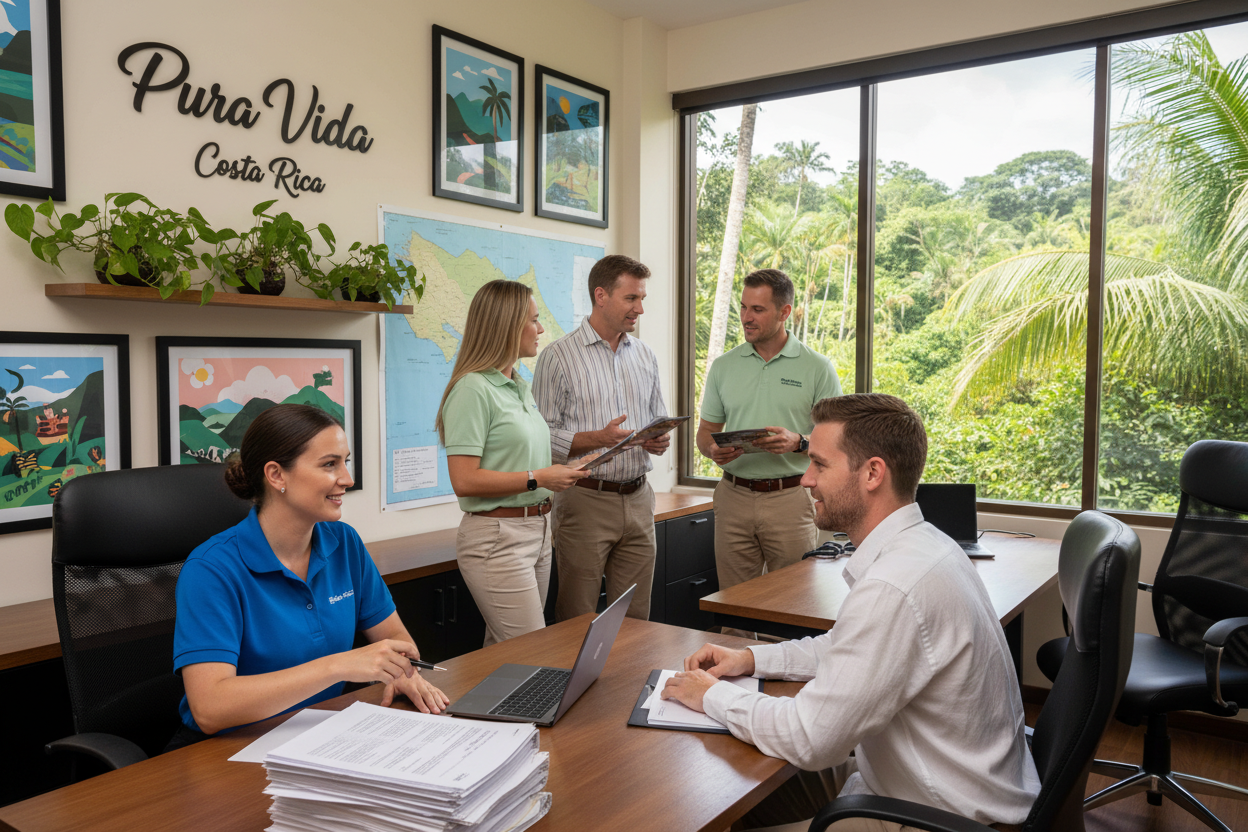
Many travelers fall in love with the pura vida lifestyle and dream of making this beautiful nation their permanent home. The initial excitement, however, often meets the complex reality of local immigration laws.
Extending your visit beyond the date stamped in your passport can create serious hurdles for your future. Authorities enforce strict penalties, including fines for each month you remain without proper permission.
We believe in a transparent, realistic approach. This guide is not about temporary fixes or unrealistic promises. Our goal is to walk you through the legitimate pathway from tourist to legal resident.
A common misconception involves the Digital Nomad visa. It is a useful tool for remote workers but does not lead to permanent resident status. For that, you must pursue a formal category like Pensionado, Rentista, or Inversionista.
The smartest strategy begins long before you arrive. Gathering apostilled documents and certified translations from your home country sets you up for success. It helps you avoid delays and demonstrates good faith to immigration officials.
We are here as your knowledgeable guide through this process. For personalized advice on your situation, contact our team at CRIE via WhatsApp or email.
Understanding the Implications of Overstaying in Costa Rica
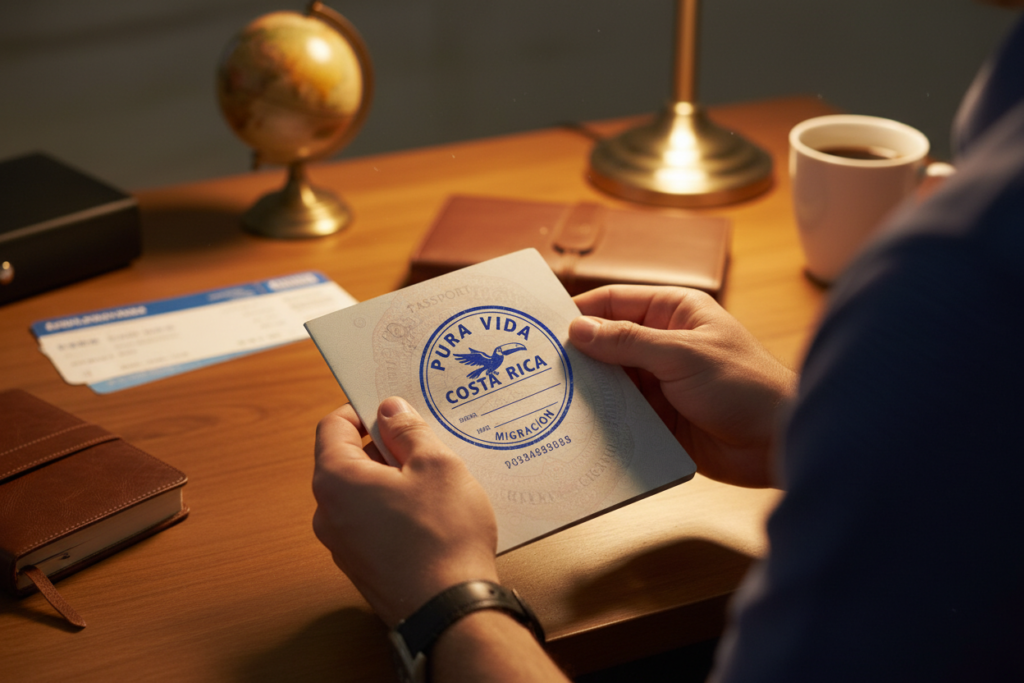
A single day beyond your legal limit triggers significant fines and complications. Costa Rican law mandates a penalty of $100 per month for any violation, even if you exceed your stay by just one day.
Immediate Consequences and Legal Considerations
Your passport’s entry stamp is the official record of your legal status. You are responsible for knowing this date and adhering to the rules. The $100 per month fine accumulates for each full or partial month you remain illegally.
Authorities can also order deportation for serious violations. These are the concrete costs of ignoring immigration regulations.
Long-Term Effects on Future Immigration Options
This violation creates a negative mark in your immigration history. It can lead to complications when applying for a work permit or a new tourist visa.
Other countries may also view this record poorly when you seek their visas. For a clean process, it’s best to understand the overstaying in Costa Rica rules before your entry stamp expires.
Does Overstay Affect Costa Rica Residency
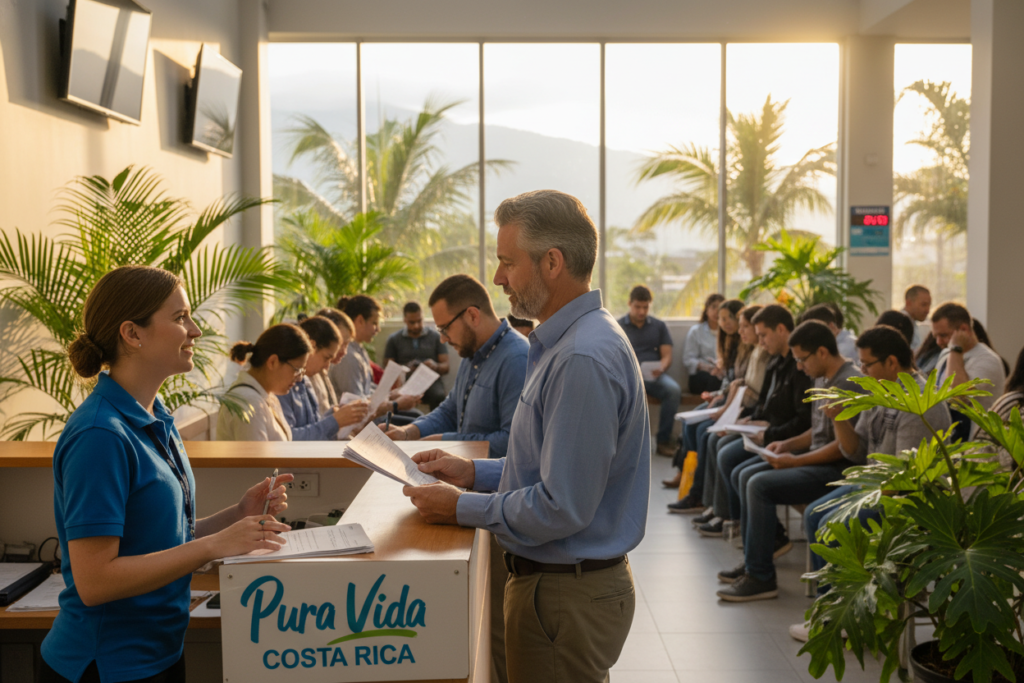
Your history with immigration compliance plays a pivotal role in achieving long-term legal status. We answer this central question with complete transparency: yes, it can create significant complications.
How Overstay Can Influence Your Residency Application
Officers evaluate your entire travel record when reviewing your file. They look for consistent respect of local laws. A past violation raises immediate questions about your future compliance as a resident.
There is an important legal nuance to understand. If you submit your formal application before your tourist permission ends, you are protected. This allows you to remain in the country during the lengthy review period, which can take many months.
For those with a past violation, practical steps exist. Paying any outstanding fines and consulting with legal professionals can help minimize the damage. Each category, like Pensionado or Rentista, requires demonstrating good character and respect for regulations.
The smartest strategy is preventive. Start gathering your apostilled documents and certified translations from your home country early. This preparation lets you begin the formal process immediately upon arrival, avoiding any overstay question entirely.
Step-by-Step Guide to Preparing for Costa Rica Residency (CRIE)
The path to permanent residency is clearly defined through three primary visa categories, each with strict financial requirements. We provide this guidance to help you start strong.
Who Qualifies? (Pensionado, Rentista, Inversionista)
The Pensionado category requires proof of a lifetime pension of at least US$1,000 per month. This income must come from a verifiable government or private source.
Rentista applicants must show guaranteed income of US$2,500 per month for two years. This is often demonstrated with a bank deposit in the country.
The Inversionista program needs a minimum investment of US$150,000. A critical rule: the property must be in your personal name, not a corporate entity.
Document Preparation Before Arrival: Apostilles, Translations, and More
Begin gathering your papers in your home country. You will need apostilled birth certificates, marriage certificates, and police clearances.
The apostille process authenticates documents for international use. Each paper must get this stamp from the proper authority where it was issued.
Once in Costa Rica, an authorized translator must convert these documents into Spanish. Your passport also needs at least six months of validity at the time of your application.
This preparation takes time but forms the foundation of a strong case. Always verify the latest requirements directly with official immigration sources.
Avoiding Pitfalls and Common Mistakes in the Residency Process
The temptation to use repeated border runs as a long-term strategy is a major pitfall we frequently encounter. A smooth residency process depends on realistic planning and avoiding errors that cause delays.
Timelines, Thresholds, and Critical Planning Milestones
Many tourists misunderstand the 180-day allowance. The immigration officer at your entry point has full discretion. They can grant fewer days based on your travel history.
Your passport stamp is the official record. You must leave the country before the date it shows. Start your formal application at least 60 days before that date expires.
Waiting until the last minute is a critical mistake. Gathering apostilled documents from abroad takes time. A proper plan avoids the risk of overstaying your tourist visa.
Mistakes to Avoid When Applying for Residency
The border run trap is significant. Leaving for Nicaragua or Panama to get a new stamp is increasingly scrutinized. Proposed regulations would require a 90-day wait after using full 180 days.
This pattern raises red flags about your intentions. It is not a sustainable residency strategy. Always verify current rules to avoid surprises.
Another common error is arriving without prepared documents. Also, the Digital Nomad visa does not lead to permanent status. For a clear path, you must follow the formal categories.
Understanding all visa overstay rules is part of good planning. A proactive approach from the start makes the entire journey smoother.
Final Considerations for a Smooth Residency Journey in Costa Rica
A successful transition from visitor to resident hinges on meticulous preparation and adherence to guidelines. Respecting the nation’s immigration laws from day one is non-negotiable.
We reinforce that proper planning starts in your home country. Gathering apostilled papers and certified translations early prevents delays.
The formal pathways—Pensionado, Rentista, and Inversionista—each have specific financial thresholds. Understanding which category fits your situation is the essential first step.
Remember, the Digital Nomad visa is for temporary work. It does not count toward permanent legal status.
Your passport’s entry stamp is a legal document. Track its expiration date closely to avoid complications.
For personalized guidance, contact our team at CRIE via WhatsApp +506 8706 3888 or email info@crie.cr. Always verify current regulations at migracion.go.cr.
FAQ
Can an overstay on my tourist visa prevent me from getting residency?
What should I do if I’ve already overstayed my 90-day tourist permit?
How long after an overstay should I wait to apply for residency?
Does paying the overstay fine make everything okay for my future application?
Can I just do a "border run" to reset my tourist time if I plan to apply for residency?
What documents are most critical to prepare early for the residency process?
Article by Glenn Tellier (Founder of CRIE and Grupo Gap)
Don't wait, contact us right now!
Call or WhatsApp Costa Rica +506 8373 2085 or +506 8706 3888
Call USA/Canada +1 305-906-6784