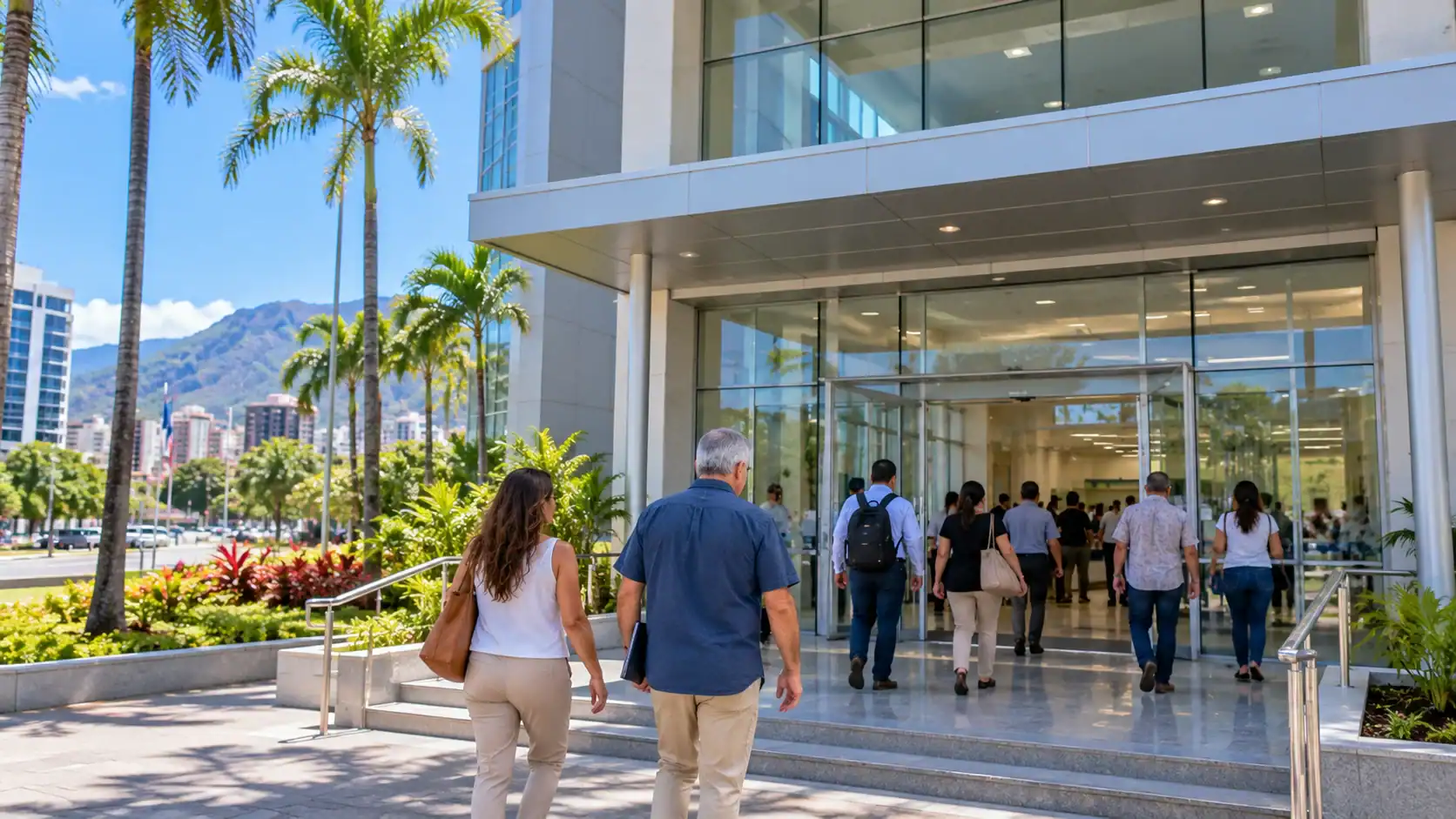
We created this comprehensive resource as your roadmap to understanding the residency system in Costa Rica. The process requires careful preparation and proper documentation.
Realistic expectations about timelines are essential for success. This guide covers the primary residency pathways: Pensionado, Rentista, and Inversionista.
We also clarify what the Digital Nomad status does and doesn’t offer. We position ourselves as your experienced partner in this journey.
Starting your preparation from home with organized documents is critical. You should verify specific requirements at the official migracion.go.cr website.
Misusing tourist status to live here can result in deportation. Proper application is essential for anyone planning a long-term stay.
We’ll walk you through each phase with clear, actionable information. Our step-by-step approach builds from eligibility to application submission.
Understanding Costa Rica’s Residency Landscape (Residencia)

Living in Costa Rica long-term requires navigating its official residency pathways, which are distinct from temporary visitor permissions. The formal system, known as Residencia, is governed by the General Immigration and Aliens Act. This law establishes clear, legal routes for foreigners.
Tourists may enter for up to 180 days without a visa, but this is not guaranteed. Overstaying this period is a serious violation. It can lead to deportation, fines, and future entry bans into the country.
A critical point to understand is that a Digital Nomad visa is not a residency category. This status does not count toward the time required for permanent residency or citizenship. If your goal is to become a Costa Rican resident or citizen, you must pursue a formal Residencia category.
Proper residency grants you the legal right to live here indefinitely. It provides access to services and allows property ownership without restrictions. The most common pathways for foreign nationals are Pensionado, Rentista, and Inversionista.
Costa Rican authorities enforce residency law seriously. Attempting to live here by continuously renewing tourist status jeopardizes your future in the country. Choosing the correct formal pathway is essential for a stable life.
Exploring Residency Options: Pensionado (Pensionado), Rentista (Rentista), and Inversionista

Costa Rica offers three primary residency pathways, each with distinct financial thresholds and eligibility criteria. Selecting the right category is essential for a smooth process.
Income Thresholds and Eligibility Criteria
The Pensionado (Pensionado) category is for retirees with a guaranteed lifetime pension. You need at least US$1,000 per month from a government or institutional source.
Rentista (Rentista) residency requires proof of stable income. This means US$2,500 per month for two years from investments, business, or other verifiable sources.
The Inversionista (Inversionista) pathway demands a minimum investment of US$150,000 in approved Costa Rican assets. If using real estate, the property must be titled in your personal name, not a corporation.
Key Document Requirements for Each Category
Each category has specific document requirements. You’ll need proof of income or investment, authenticated police checks, and apostilled personal certificates.
All foreign documents require apostilles and certified Spanish translations. Proper preparation of these papers is the foundation for a successful application.
Who Qualifies for Costa Rica Residency?
Qualifying for residency in Costa Rica hinges on meeting specific financial and legal criteria set by immigration authorities. The process is open to foreign nationals from virtually any country.
You must demonstrate legitimate ties through investment, income, or a pension. A clean criminal background is mandatory for all applicants.
General Eligibility and Profile
Typical applicants include retirees with stable pensions, remote workers with verifiable income, and investors with capital. Regardless of your profile, you must meet baseline entry requirements.
These include a valid passport, proof of economic means, and a return ticket. You must also have no legal impediment to entering the country.
Common Pitfalls to Avoid During Application
A frequent mistake is submitting documents without proper apostilles or certified Spanish translations. Another is providing income proof that doesn’t meet local standards.
Misrepresenting your situation can lead to permanent denial. Authorities thoroughly verify all sources of funds and background checks.
We encourage you to prepare thoroughly from your home country. Thousands of citizens from other nations succeed each year by following the proper process.
Step-by-Step Guidance on Preparing Your Application
Before you ever step into an immigration office, the real work begins at home with gathering and certifying your required paperwork. We walk you through this essential first phase.
Required Documents and Where to Obtain Them
Every application requires core documents. You need a valid passport with ample validity and no damage. A police background check from your home country and any other nation where you’ve lived is mandatory.
You must also provide your birth certificate. If applicable, include a marriage certificate. Category-specific proof—like pension letters or bank statements—comes next.
Apostilles and Translations: What You Need
Documents from other countries require an apostille. This is an authentication from the issuing country’s authority, like a Secretary of State. Obtain this before leaving your home country.
All non-Spanish paperwork needs a certified translation by an official Costa Rican translator. Starting this process months in advance is crucial for a smooth submission.
Timelines and Processing Milestones
Setting realistic expectations for processing time is a cornerstone of a successful residency application. The Costa Rican immigration system has improved, but patience is still required.
Expected Processing Times at Immigration Offices
From submission to approval, the process typically takes 3 to 6 months. Complex cases can extend to 9 or even 12 months.
Key milestones include initial document review, requests for additional information, and final card issuance. You will receive a case number for tracking your status.
How to Plan Your Arrival and Application Strategy
Tourist status allows a 180-day stay in Costa Rica. Since the residency process often exceeds this, timing your arrival is crucial.
Some applicants prepare everything abroad and arrive just to submit. Others begin on tourist status. Each strategy has different risks regarding legal status.
Plan for flexibility in your schedule and accommodations. Rushing the process usually backfires, while preparedness and patience lead to the best outcome.
Essential Tips for a Smooth Application Process
The key to avoiding delays and frustration with your residency application lies in proactive organization from your home country. We cannot overemphasize this point. Starting early gives you time to address issues without the pressure of an expiring tourist status.
Starting from Home: Organize Your Documents Early
Create a dedicated physical and digital folder for each document category. Maintain a master spreadsheet. Track what you have, what’s pending, and all expiration dates.
Adopt a “two-country strategy.” Complete everything possible at home, like apostilles and police checks. Identify what must be done in Costa Rica, such as certified translations.
Always build buffer time into every step. If a check takes 4-6 weeks, plan for 8. This padding protects against unexpected delays in the system.
If using a local professional, establish contact while still at home. Send digital copies for preliminary review. Create a final “pre-flight checklist” before travel.
This front-loaded effort dramatically reduces stress. It prevents costly mistakes and can shorten your overall timeline for success in Costa Rica.
Identifying and Avoiding Common Mistakes
Many applicants inadvertently sabotage their own Costa Rican residency process by repeating well-known, avoidable errors. We see these patterns consistently, and they are entirely preventable with proper forethought.
Frequent Application Errors
Financial documentation is a major stumbling block. For the Rentista category, Costa Rican authorities require a clear 24-month income history. Submitting incomplete bank statements or unverified business income leads to immediate requests for more information.
Inversionista applicants often purchase property through a corporation for asset protection. This does not qualify. The investment must be in your personal name, causing costly legal restructuring.
Other critical errors include incorrect apostilles, using non-certified translators, and miscalculating your tourist stay. Applying with only 30 days left on your status offers no buffer if additional documents are requested.
Strategies to Prevent Delays
Submit more documentation than the minimum requirements. Include detailed cover letters explaining your situation. This demonstrates financial stability and thoroughness.
Always respond to any official request within 24-48 hours. Maintain a local phone number and email where you are reliably reachable. Never assume silence means approval—follow up on your case number regularly.
Learn from others’ documented pitfalls before you apply. This proactive approach saves months of frustration and protects your legal stay.
Official Guide to costa-rica-immigration-office-locations-official-guide
Costa Rica’s immigration authority operates several offices across the country to serve applicants. The Dirección General de Migración y Extranjería manages the system. Their main office is in San José, with regional locations providing easy access to services.
What to Expect at Your Local Immigration Office
Plan to arrive early. Offices often serve people on a first-come basis. Bring your complete document package organized and ready.
Wait times can range from 30 minutes to several hours. An officer will conduct a preliminary review of your paperwork.
They may ask clarifying questions about your income or investment. If everything is in order, you’ll receive a receipt and case number.
Resources and Contact Information via migracion.go.cr
Always verify information at the official government resource: migracion.go.cr. Find current office locations, hours, and required forms there.
Staff primarily speak Spanish. Bringing a translator can prevent misunderstandings. The Costa Rican immigration system can update procedures, so check for the latest details.
U.S. citizens seeking long-term stays should consider local legal guidance. A qualified attorney can advise on residency requirements with the authorities.
Navigating the Costa Rican Immigration System and Authorities
To work effectively with Costa Rican immigration, applicants must appreciate the local procedures and regulatory environment. The entire system operates under the General Immigration and Aliens Act. It is administered by the Dirección General de Migración y Extranjería.
Understanding Local Procedures and Regulations
Costa Rican authorities have significant discretion when evaluating applications. They assess your genuine intent to integrate and your financial stability.
You will interact with various government entities. Immigration offices handle your residency file. CAJA manages healthcare enrollment and DIMEX issues foreign resident IDs.
Always approach officials with respect and patience. Provide complete, honest information and respond promptly to any requests. The system moves at its own pace.
Local procedural norms may differ from what you expect. Appointments can run late. Officers might request additional documents relevant to your case.
The authorities coordinate internationally for security checks. They verify financial documents directly. Understanding this framework improves your experience and likelihood of success.
Residency Pathways vs. Citizenship: Clarifying the Process
A common point of confusion among newcomers is conflating residency status with full citizenship. These are separate legal statuses in this country. You cannot skip directly to citizenship.
You must first obtain and maintain residency for a specified time. Only then can you apply for naturalization as a Costa Rican citizen.
Step-by-Step Residency Before Citizenship
The pathway begins with temporary residency through Pensionado, Rentista, or Inversionista categories. After approval, you must maintain that status for 5 to 7 years.
You need to demonstrate continuous physical presence in Costa Rica. Integration into society through language and cultural knowledge is also required.
Costa Rica allows dual citizenship, which benefits U.S. citizens. They can become Costa Rican citizens without renouncing their original nationality. Verify your home country’s rules.
All children born in Costa Rica automatically receive Costa Rican citizenship at birth. This has implications for families considering relocation.
We focus on residency because it’s the essential first step. The process itself takes months to years. It provides the legal status you need to live and work here.
U.S. citizens seeking long-term stays should consult local legal guidance. Other foreign citizens must have valid travel documents for re-entry.
Citizenship remains a distant consideration for most applicants. Master the residency process first.
Additional Preparation Tips for an Effortless Journey
Beyond the official paperwork, a truly smooth transition to life in Costa Rica demands careful attention to practical health, family, and logistical details. We help you build a comprehensive preparation plan that covers all aspects of your move.
Document Checklists and Organization Strategies
Start with your travel documents. Ensure your passport has 12-18 months of validity and is in good physical condition. Damaged passports can be rejected at entry, complicating your entire visa process.
Health preparation is critical. You may need proof of yellow fever vaccination depending on your travel route. More importantly, secure health insurance coverage. U.S. Medicare and Medicaid do not work in Costa Rica, and medical care costs can be substantial.
For family applications, each member needs a complete document package. This includes individual birth certificates and background checks. Nationals from the United States should note that minors born in Costa Rica receive automatic citizenship, which affects future travel.
Create a separate “life in Costa Rica” checklist. Research realistic housing costs and local banking services. Plan for transportation, like driver’s license conversion, and start building a community network before you arrive.
Budget goes beyond residency minimums. Account for all fees, legal assistance, translation costs, and temporary housing. You’ll need a financial cushion since you cannot legally work on most categories until approved.
Organize meticulously. Maintain physical and digital portfolios with all documents. Carry copies separately from originals. Keep a timeline of expiration dates and all official correspondence. This organization prevents delays during the final days of your tourist entry.
Final Reflections on Your Costa Rican Immigration Journey
Embarking on the path to Costa Rican residency is a significant step toward building a new life in a welcoming nation. We’ve outlined the essential steps, from choosing your category to preparing your documents. The most critical success factor is starting early from your home country.
For U.S. citizens, we recommend enrolling in the free Smart Traveler Enrollment Program (STEP). This service provides important safety and security information from the United States government. Always verify the latest procedures at the official migracion.go.cr website.
View your application as the first step in your integration, not just a bureaucratic process. For personalized guidance, consider a professional residency assessment. Contact us via WhatsApp at +506 8706 3888 or email info@crie.cr for support.
FAQ
What are the main residency options for foreign nationals in Costa Rica?
We typically see three primary pathways: Pensionado (retiree), Rentista (fixed income), and Inversionista (investor). Each category has specific financial requirements—like proving a stable monthly pension or making a qualifying investment—that you must meet to apply. The right choice depends entirely on your personal financial profile.
How long does the residency application process usually take?
A> Processing times can vary significantly based on the office location and application volume. Generally, you should plan for several months from submission to approval. We advise clients to build a generous buffer into their travel and relocation plans, as government processing is often slower than expected.
Do all my documents from abroad need special certification?
Yes, this is a critical step. Documents like birth certificates and police records must have an apostille (or equivalent authentication) and be translated into Spanish by an official translator in Costa Rica. Submitting documents without this proper legalization is one of the most common reasons for immediate rejection.
Can I start the residency process before I move to the country?
A> Absolutely, and we strongly recommend it. You can gather, apostille, and translate most required documents from your home country. This proactive organization—creating a complete dossier before you arrive—saves considerable time and stress once you’re here and ready to submit to the authorities.
What is the most frequent mistake applicants make?
Incomplete or incorrectly certified documentation tops the list. Another major pitfall is letting a tourist visa expire while an application is pending. You must maintain legal status throughout the entire process. Working with a professional who understands local regulations can help you avoid these costly errors.
How do I find reliable information and contact my local immigration office?
The official source for all procedures and forms is the Dirección General de Migración y Extranjería website (migracion.go.cr). Their site lists official office locations, contact details, and current requirements. Always verify information here first, as rules and fees can change.
Does obtaining residency lead directly to citizenship?
No, these are separate legal processes. Residency is the first, mandatory step. After maintaining residency for several years (typically seven, under current law), you may then become eligible to apply for citizenship through naturalization, which involves additional requirements.
Article by Glenn Tellier (Founder of CRIE and Grupo Gap)
Don't wait, contact us right now!
Call or WhatsApp Costa Rica +506 8373 2085 or +506 8706 3888
Call USA/Canada +1 305-906-6784