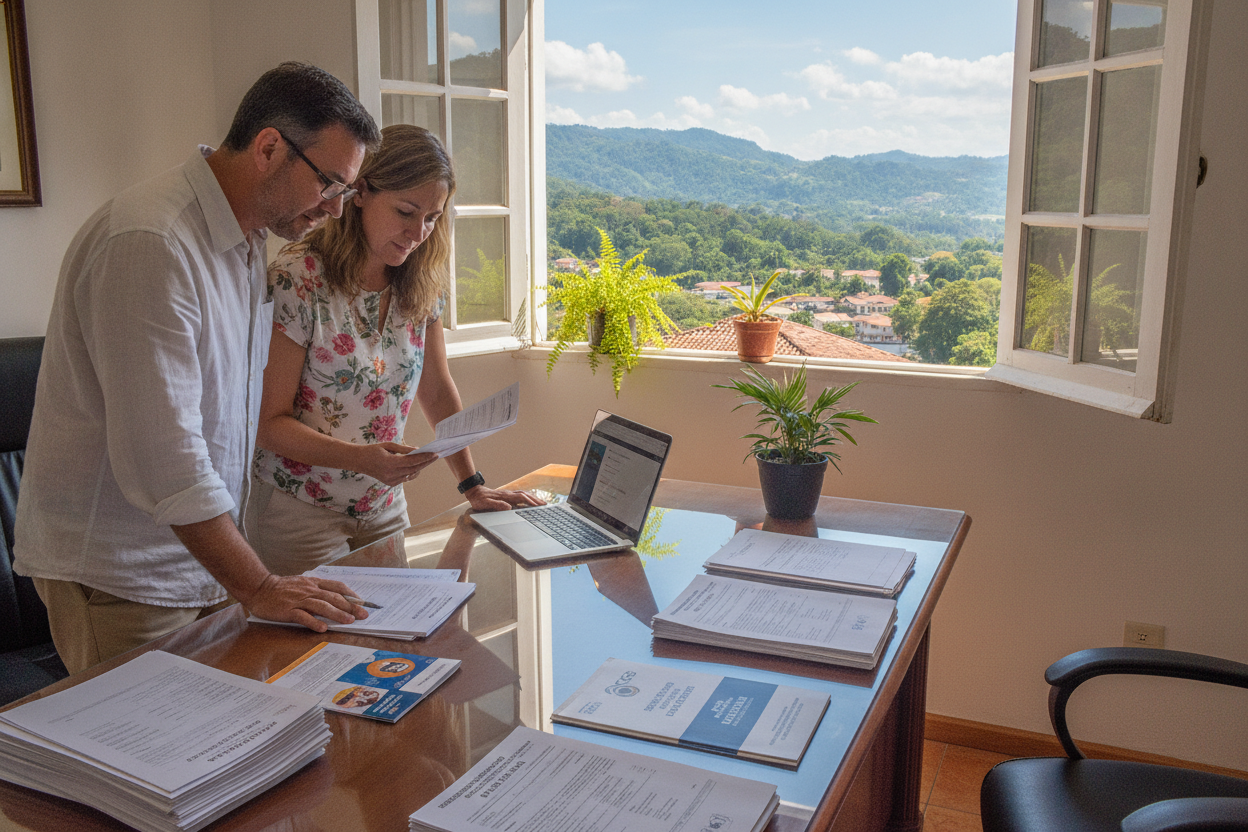
Planning a long-term move to a beautiful Central American nation requires careful preparation. Understanding the precise timing of your documents is essential for a smooth transition. We aim to guide you through the complex requirements for residency in this vibrant country.
Proper planning can prevent common pitfalls that lead to unnecessary stress and financial loss. By ensuring your paperwork is prepared correctly from the start, you can manage your immigration journey with confidence. Our goal is to provide clear, factual information that empowers you every step of the way.
Following structured steps can help you avoid frequent errors that often cause delays for individuals and families. Let us assist you in navigating this process effectively, so you can focus on enjoying your new life.
Overview of Costa Rican Residency and Document Timing
Embarking on a new chapter in a vibrant Central American country involves meticulous planning. At CRIE, we have dedicated over 20 years to helping individuals and families navigate the complexities of residency in Costa Rica.
Understanding the immigration landscape requires effective time management. This ensures a smooth transition for everyone involved. We emphasize practical aspects of the process, helping you avoid common mistakes in documentation.
Every residency application is unique, influenced by your nationality, family situation, and personal immigration history. By prioritizing accurate document preparation, you can significantly reduce the stress associated with moving your life to a new country.
For more insights on managing your documents effectively, visit this link.
Understanding document-timing-costa-rica in Detail
Transitioning to a new life in a stunning Central American locale requires thoughtful planning. A residency card, known as a DIMEX, is crucial for legal status in Costa Rica. This card differs significantly from a tourist visa, which is a simple 180-day stamp in your passport.
Proper document timing is essential. It ensures that your residency application remains valid and uninterrupted. We recommend starting the renewal process for your DIMEX card at least 90 days before it expires. This proactive approach helps maintain your legal standing.
The immigration process is sensitive to the timing of your filings. Missing deadlines can lead to delays, requiring extra documentation or even a complete re-submission of your application. To learn more about managing your residency documents, visit this link.
Essential Documents for Your Residency Application
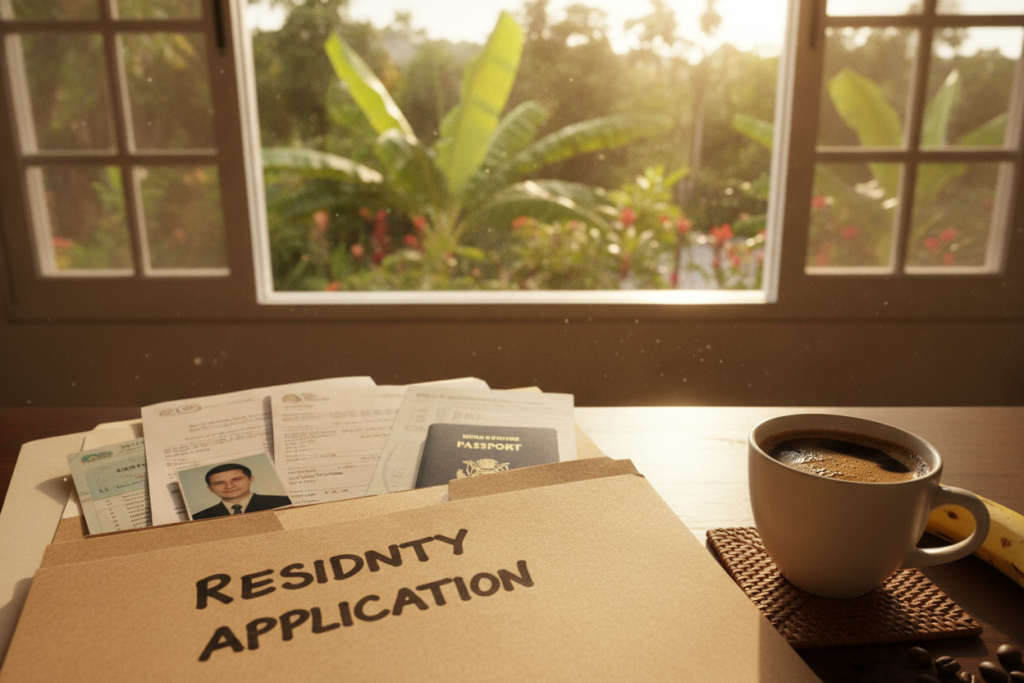
Starting a new life in a lively Central American country demands thorough preparation. A valid passport is the cornerstone of your residency application. It must be in excellent, readable condition to satisfy immigration authorities.
In addition to your passport, essential civil records are required. This includes your original birth certificate and, if applicable, your marriage certificate. These documents support your specific residency category.
All required documents should be meticulously organized. Costa Rican government offices often request original records or properly certified copies. Any inconsistencies in your name across documents can lead to delays, as corrections may be needed.
To streamline your application process, we recommend creating a comprehensive file. This file should include all necessary photocopies and official translations to meet the standards of the DGME.
Step-by-Step Guide to Scheduling Your Documentation
Coordinating your immigration paperwork is vital for a successful transition to a new life. To start, scheduling your appointment at a BCR branch or Correos de Costa Rica requires careful attention to specific fees and documentation needed.
Make sure to pay the required government fees in cash or with a BCR credit card. Your receipts must clearly display your full name as it appears on your passport to be accepted by government offices.
Arriving at least 10 minutes before your scheduled appointment is mandatory. If you are late, staff will not attend to your procedure. After your data is captured, the Correos de Costa Rica typically delivers your new DIMEX card within 22 business days.
Lastly, always keep a printed copy of your instructions and your informed consent form. This will help guide your translator during the appointment process.
Navigating the Legal Requirements in Costa Rica
Familiarizing yourself with the legal obligations in your new home can ease the relocation process. One of the most important aspects of maintaining your residency status is proof of CAJA enrollment. This requirement is crucial for all residents in Costa Rica.
It’s essential that family members also ensure their enrollment in the CAJA system is current. This will help avoid complications during residency renewals.
- Active CAJA enrollment is a fundamental legal requirement for all residents, regardless of their specific residency category.
- Ensure that your family members are properly enrolled in the public health system to comply with Costa Rican immigration laws.
- When applying for renewal, you may need to provide proof that you still qualify for your residency category.
- Your application must include the names of your parents as they appear on your birth certificate, clearly typed on a white sheet of paper.
- If you have any doubts regarding your family’s health insurance coverage, we advise visiting your local EBAIS clinic.
The Role of Apostilles and Certified Translations
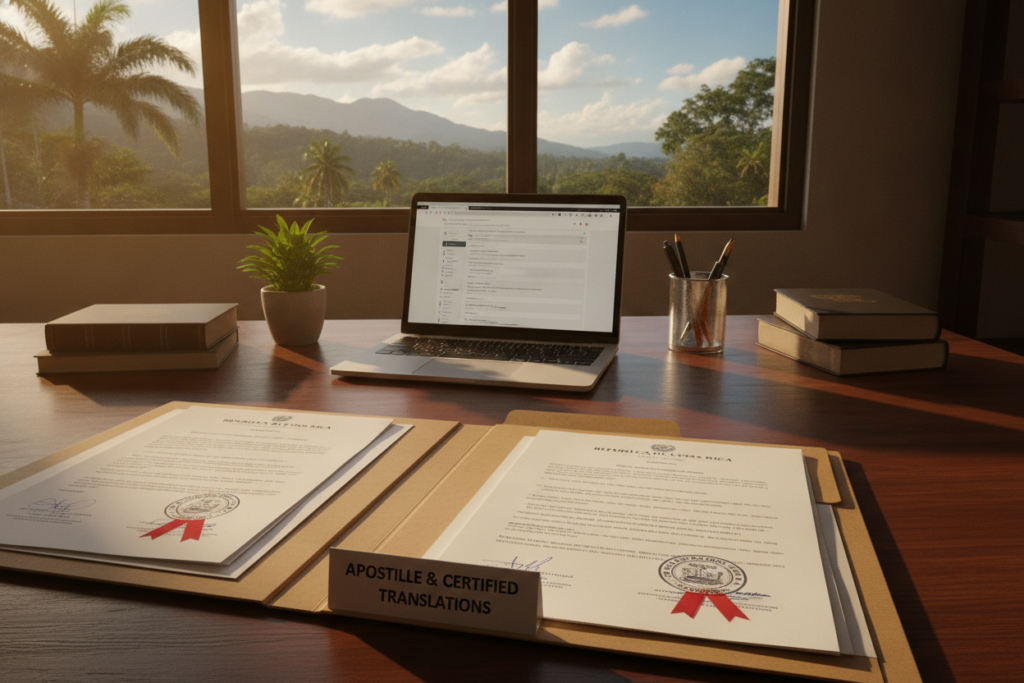
Preparing your documents accurately is essential for a smooth immigration experience. One crucial aspect is the apostille, an official certificate that authenticates public documents for use in countries that recognize this system.
For your residency application in Costa Rica, you may need an apostille for important documents like your birth certificate or criminal background report. This ensures they are valid and accepted by local authorities.
Additionally, certified translations must be precise. They should match the original names, dates, and reference numbers to meet the official standards required by Costa Rican offices.
- An apostille is required for documents such as your birth certificate or criminal background report.
- Ensure translations are done by authorized professionals who adhere to strict legal standards.
- Even minor discrepancies in names or dates can lead to significant delays in your residency application.
- Verify if your documents need an apostille or legalization before leaving your home country to avoid extra costs.
- A well-prepared file should include both the original document and its certified Spanish translation.
For more assistance with your residency documentation, visit this link.
Organizing Your Paperwork for a Smooth Process
Organizing your immigration paperwork effectively can make your transition to a new country much smoother. Keeping a master file with original documents and a digital archive of clear scans is essential.
Labeling everything by document type and issuance date helps you respond quickly if an attorney or government office requests updates.
- Maintain a master file containing all your original documents, alongside a secure digital archive of clear, high-quality scans.
- Label each item by document type and issuance date to track when records might become outdated for Costa Rican use.
- Organize your paperwork by family member to easily locate specific IDs, certificates, and translations when needed.
- Keep receipts and proof of submission with your primary documents to maintain control over your entire immigration journey.
- A simple, consistent filing system is the most effective way to avoid the stress of searching for misplaced records during your residency process.
Overcoming Common Documentation Challenges
Addressing potential documentation issues is crucial for a seamless immigration experience. Many newcomers face obstacles that can delay their residency process. Understanding these challenges can help you navigate them effectively.
Avoiding Pitfalls and Preventing Delays
If your DIMEX card has been expired for more than three months, a formal justification affidavit is required. This document must be authenticated by a lawyer. Additionally, if your renewal is over a year late, you will need a new, authenticated criminal background report.
Real-World Tips to Keep Your Files in Order
To avoid complications, keep all documents organized. Missing an apostille or having a name mismatch can lead to significant delays. Always ensure your documents are complete and accurate before submission.
Handling Unexpected Documentation Issues
Remember, you can only reach the 1311 appointment line if you are physically in Costa Rica and using a Kolbi cell phone. We advise against relying on casual advice from social media, as procedures can change without notice.
The Impact of Timing on Your Overall Immigration Journey
The journey to establishing residency in a new country involves strategic planning. Timing your document collection is crucial to ensure that your records remain valid for all official immigration procedures in Costa Rica.
By planning your residency application backward from your intended filing date, you can avoid having any document become stale before submission. This proactive approach minimizes the chances of needing to re-order or re-authenticate your paperwork, saving both time and money.
Understanding the specific timelines for residency, property purchases, and business registration will help you manage your transition with greater ease. Getting the small details right early in your journey provides the stability needed to focus on your new life in Costa Rica.
Ready to Move Forward? Get Personalized Guidance from CRIE
Taking the step to live in a new country necessitates thorough preparation and guidance. Every residency case is unique, depending on your nationality, family situation, and specific immigration history within Costa Rica.
For personalized guidance regarding your residency strategy and current pricing, please reach out to our immigration expert, Johanna Alvarez. You can contact Johanna directly via WhatsApp at +506 8373 2085 or send an email to info@crie.cr to discuss your next steps.
Visit our website at crie.cr to learn more about how we assist individuals and families in navigating the complexities of moving to Costa Rica. We are here to provide the clarity and professional support you need to ensure your documentation is handled correctly and efficiently.