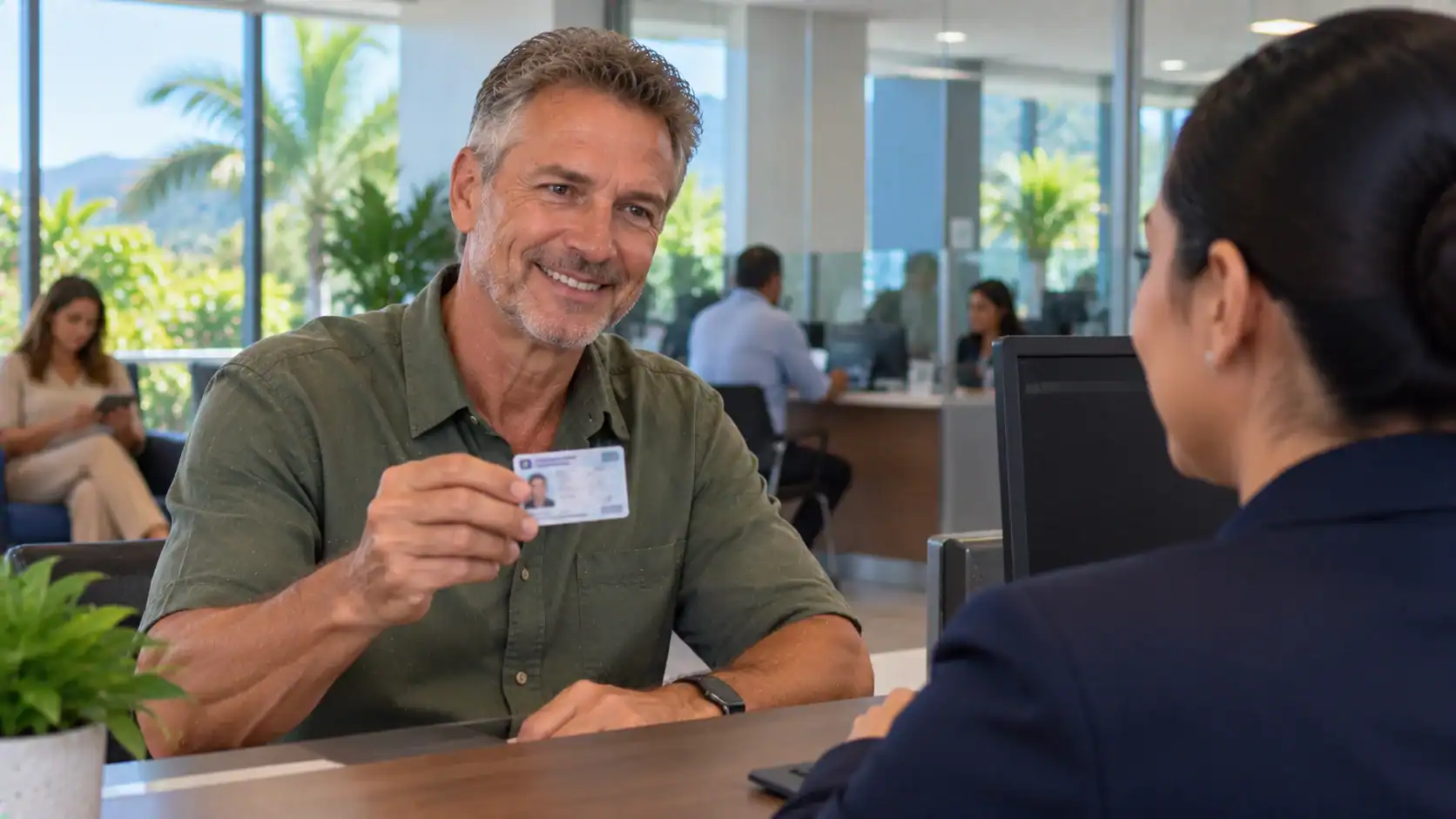
For foreign nationals who have secured legal residency, the DIMEX card is your essential identification document. It serves as the official government-issued ID, confirming your legal status within the country.
Introduced in 2012, this card standardized the identification process for all legal residents. The immigration department mandates that you maintain a valid card for critical activities like opening a bank account or completing official transactions.
This article is your comprehensive guide to understanding this vital part of the residency process. We at CRIE (crie.cr), the primary resource for residency and immigration, provide expert guidance to ensure your documents are prepared correctly. Our goal is to help you avoid common administrative delays.
Understanding this requirement is your first step. The DIMEX card is more than a piece of plastic—it’s a vital tool for accessing healthcare, financial services, and proving your legal standing. Every resident must keep it valid to comply with local laws.
Overview of Costa Rican Residency and the DIMEX Card

The journey to establishing permanent residency in this Central American nation is anchored by a specific government-issued ID. This process integrates you into the legal and social fabric of the country.
Understanding the local immigration framework is crucial for a smooth transition. That’s where expert guidance becomes invaluable.
Introduction to CRIE (Costa Rica Inmigración)
We at CRIE (crie.cr) serve as the primary resource for residency and immigration. Our team specializes in assisting expatriates with the complex legal requirements.
We believe living in Costa Rica should be a rewarding experience. Therefore, we prioritize transparency and work to simplify the administrative burden for you.
The Role of the DIMEX Card in Legal Residency
The DIMEX card acts as your primary identification once residency is granted. It replaces the need to carry your passport for daily activities within Costa Rica.
Securing this card grants you the legal right to integrate fully into society and the economy. We guide clients through the process to ensure every card meets strict government standards.
Our ongoing support helps maintain compliant residency status with national authorities. This allows you to focus on building your new life.
Eligibility for Costa Rica Residency (CRIE)

Costa Rica offers several distinct pathways to residency, each with specific financial requirements. Choosing the correct category is your first critical step. We help you navigate these options to find the best fit for your situation.
Qualifying Categories: Pensionado, Rentista & Inversionista
The Pensionado category is for retirees with a guaranteed lifetime pension. You must prove a minimum monthly income of US$1,000.
Rentista is for individuals with stable external income. This requires proof of US$2,500 per month for two consecutive years.
The Inversionista category demands a minimum investment of US$150,000 in approved local assets. It’s crucial to understand that the Digital Nomad program is a separate visa—it does not lead to permanent residency.
Income and Investment Thresholds Explained
These are the official minimums. The Pensionado’s $1,000 and the Rentista’s $2,500 are non-negotiable income floors.
The investor’s $150,000 must be in personal assets like real estate or a business. Our experience ensures your funds are documented correctly for immigration approval.
Unique situations, like the birth of a child in the country, can also provide a pathway. We guide you through every requirement for either temporary or permanent residency.
Step-by-Step Guidance for the Residency Application Process
A successful residency application is built on thorough preparation long before you set foot in the country. The process demands meticulous attention to detail from the very start.
Preparing Your Application from Home
We strongly advise initiating the entire process from your home country. Gather all necessary foreign documents well before your planned arrival.
You must ensure each one is properly apostilled and translated by a certified professional. This upfront work meets strict immigration office requirements.
Common Pitfalls and Mistakes to Avoid
A frequent error is overlooking the expiration date on your criminal background check. An outdated report can halt your application for months.
Other missteps include incomplete forms or incorrect translations. We review your dossier beforehand to catch these issues.
This saves you valuable time and unnecessary stress during the residency process. Our detailed checklist ensures your submission is complete and accurate for Costa Rica.
Essential Documentation and Preparation Before Arrival
A meticulously prepared document portfolio is the foundation of a successful residency application in Costa Rica. We advise completing this critical phase from your home country. This proactive approach prevents significant administrative delays upon your arrival.
Required Documents and Their Translations
All foreign paperwork must be translated into Spanish by a government-certified translator. This includes vital records like your birth certificate. The immigration authorities will not accept documents in other languages.
We guide you in verifying that your translations meet these strict standards. Proper translation is a mandatory step for your residency.
Obtaining Apostilles for Foreign Documents
You must obtain an apostille for key documents in their country of origin. This applies specifically to your birth certificate and criminal background check. The apostille is a mandatory legal certification for Costa Rica.
It ensures your proof of identity and background is legally recognized here. Our team reviews every document for compliance with your chosen residency category’s requirements.
By having these documents ready, you demonstrate commitment to the process. This preparation is the most effective way to ensure a smooth application. For more details on these steps, visit our frequently asked questions page.
Appointment Process at Correos de Costa Rica
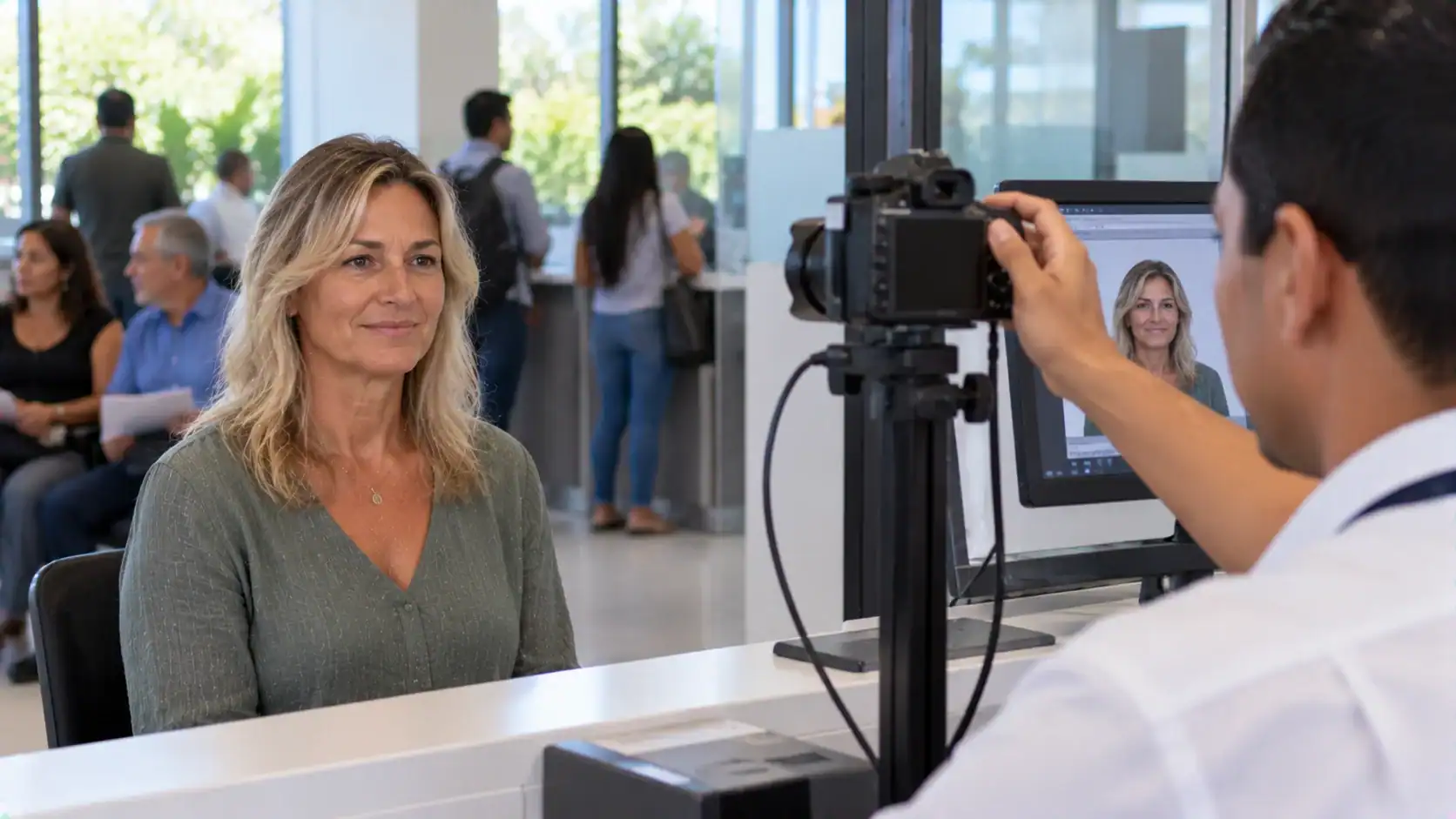
Your journey culminates with a brief, mandatory appointment at a local post office branch. This is the final step where your biometric data is officially collected for your identification document.
Scheduling and What to Expect at the Post Office
We handle scheduling your appointment at a Correos de Costa Rica office. This ensures you get a convenient date and time. On the day, you must bring your valid passport and be ready to pay the required government fees.
The appointment itself is efficient, typically lasting about 20 minutes. Post office personnel will take your official photograph and digital fingerprints. This biometric collection is a standard part of the residency process.
Afterward, you will receive a confirmation email. This serves as proof your application is in processing. Understanding the associated Costa Rica DIMEX renewal fees for this step is also important.
With the correct documents and our guidance, most people find this post office visit straightforward. It’s the last administrative hurdle before receiving your official card.
dimex-card-costa-rica: Mastering the Process and Avoiding Common Pitfalls
Your scheduled meeting at the post office is the last administrative hurdle before receiving your official identification card. This section provides practical guidance to ensure that day goes smoothly.
Tips for a Successful Appointment Day
We recommend arriving at the Correos de Costa Rica office at least 15 minutes before your scheduled time. This simple step helps prevent unnecessary stress and ensures you are calm and prepared.
Double-check all required documents before you leave home. Make sure your passport is valid and that you have payment ready for the government fees.
Immediately after your appointment, verify the email confirmation you receive. This receipt contains vital tracking information for your card and confirms your personal details are correct.
Following these tips helps you avoid common pitfalls many people encounter. It turns a potentially stressful process into a straightforward, productive experience.
Keeping this confirmation safe is also important for your future residency renewal process. We share this professional experience to guide you with confidence.
Ongoing Residency Maintenance and Renewal Preparations
Securing your residency card is just the beginning. Maintaining your legal status requires proactive attention to renewal deadlines and compliance.
We help you manage this ongoing responsibility. Our support ensures you avoid lapses that could impact your life here.
Tracking Timelines and Staying Compliant with CCSS/Caja
You must show proof of active CCSS/Caja registration for any renewal. This healthcare system compliance is non-negotiable for permanent residency.
We assist in tracking your card’s expiration date meticulously. Starting the process at least three months before expiry is critical.
This advance planning prevents gaps in your legal standing. It also aligns with the standard government processing timeline.
Planning for Future DIMEX Renewals
Renewing your card costs approximately US$150. This fee includes required bank charges and delivery to your local post office.
The renewal itself typically takes about 22 business days. Your new card will arrive at the Correos branch you select.
We guide you through the bank appointment to pay the fees. You will need to provide your current card and proof of payment.
Our team ensures your application is correctly submitted to authorities in San Jose. We make the renewal experience simple and efficient for people living here.
Final Insights & Next Steps for Your Costa Rican Future
With the right information and preparation, establishing your life in Costa Rica becomes a clear and manageable process. Your DIMEX card is the key to accessing services and proving your legal standing here. Maintaining its validity is crucial for your long-term stability.
The residency process requires ongoing attention, especially when planning for a renewal. Knowing the exact renewal amount is a vital part of this preparation. We are here to provide that clarity and guide you through every requirement.
Please reach out to our team at CRIE via WhatsApp +506 8706 3888 or email info@crie.cr. We partner with you to manage your permanent residency for years to come, ensuring your future here is secure.
FAQ
What exactly is a DIMEX card?
The DIMEX card is your official Foreigner Identification Document in Costa Rica. It’s a physical card issued by immigration (CRIE) that proves your legal residency status. Think of it like a government-issued ID for expatriates—you’ll use it for everything from opening a bank account to signing a lease.
Who is eligible to apply for residency and get a DIMEX card?
Eligibility is typically based on specific categories. The most common are Pensionado (retiree with a guaranteed lifetime pension), Rentista (person with stable investment income), and Inversionista (investor). Each category has defined monthly income or capital investment thresholds that must be proven with official documentation.
How do I start the residency application process?
You begin by preparing your dossier from your home country. This involves gathering documents like birth certificates and police records, having them translated by an official translator in Costa Rica, and obtaining apostilles. Submitting a complete and properly legalized file from the start is the single most important step to avoid major delays.
What is the role of the post office (Correos de Costa Rica) in this process?
A> Once your application is approved in principle by immigration, you’ll schedule an appointment at a designated Correos office. This is where you’ll provide your biometric data (photo and fingerprints) and officially receive your DIMEX card. It’s the final in-person step to get your physical ID.
What are the most common mistakes people make during their DIMEX appointment?
The biggest pitfalls are showing up without the exact required documents, missing your scheduled appointment date, or not bringing the correct payment receipt. We always advise clients to double-check the official appointment letter, bring originals of everything, and arrive early to avoid any last-minute issues.
How long is the DIMEX card valid, and when should I start the renewal process?
For temporary residency, the card is typically valid for one to three years. You must start the renewal process several months before the expiration date on your card. Immigration does not send reminders, so tracking this deadline is your responsibility to maintain legal status.
Is proof of health insurance with the CCSS (Caja) required for residency?
Yes, for most temporary residency categories, enrolling in the public healthcare system (CCSS) is a mandatory requirement. You’ll need to show proof of your enrollment and monthly payments as part of maintaining your status in good standing with the immigration department.
Article by Glenn Tellier (Founder of CRIE and Grupo Gap)
Don't wait, contact us right now!
Call or WhatsApp Costa Rica +506 8373 2085 or +506 8706 3888
Call USA/Canada +1 305-906-6784