
Costa Rica is a world-renowned paradise, celebrated for its breathtaking biodiversity, lush rainforests, and vibrant culture. From the iconic sloth to the colorful toucan, the country is a haven for wildlife enthusiasts. However, this rich ecosystem also includes a variety of creatures that demand respect and caution. For visitors and expats alike, understanding the potential risks posed by Costa Rica’s dangerous animals is a crucial part of safely enjoying all that this beautiful country has to offer. This guide provides a balanced overview of the animals to be aware of, practical safety tips, and what to do in the unlikely event of an encounter.
Venomous Snakes: The Most Significant Risk
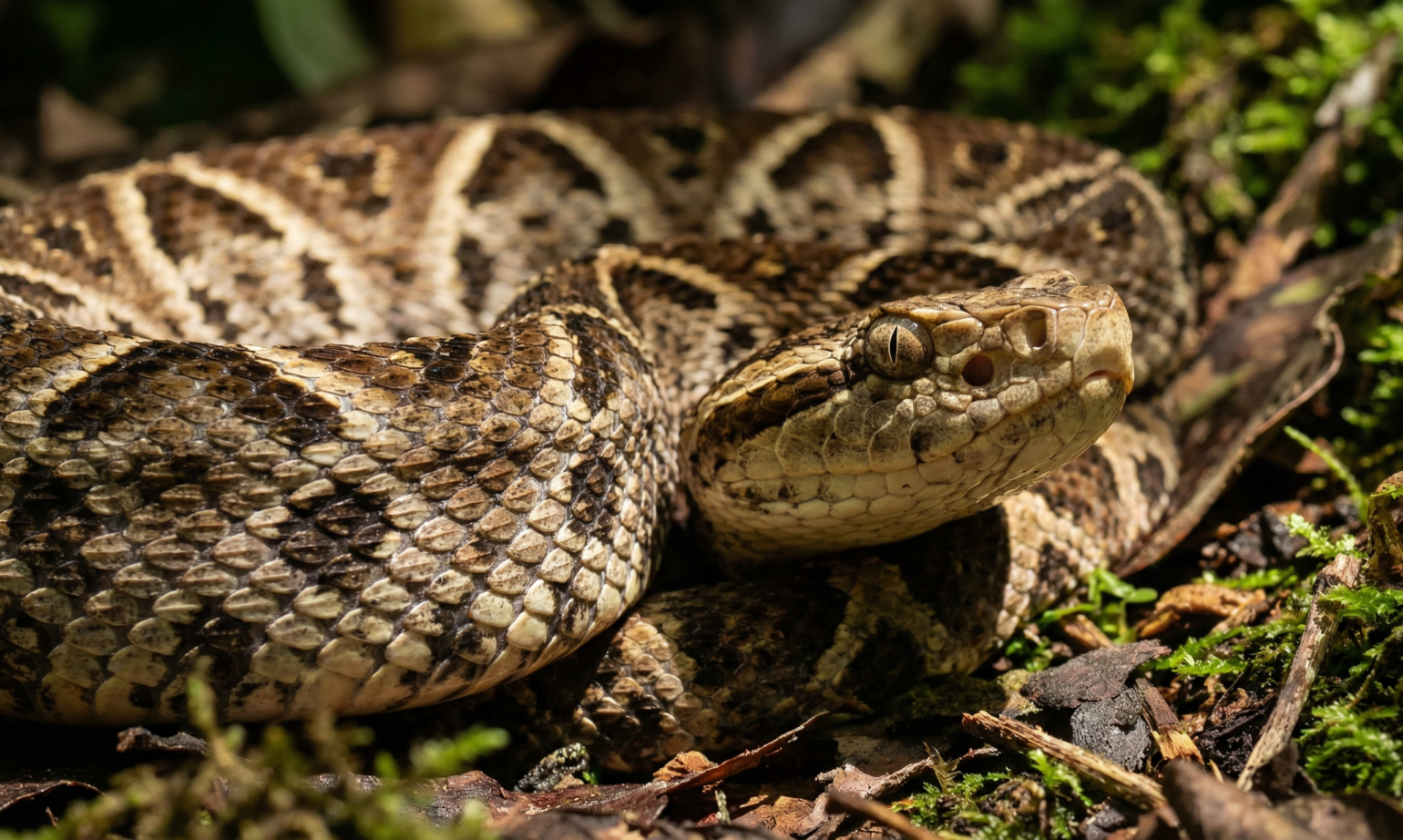
While Costa Rica is home to 22 species of venomous snakes, one stands out as the most significant threat to humans: the Fer-de-Lance (Bothrops asper). Known locally as the Terciopelo or Barba Amarilla, this highly venomous pit viper is responsible for the vast majority of snakebites in the country. Its potent hemotoxic venom, aggressive nature, and tendency to live near human settlements make it a creature to be treated with extreme caution. The Clodomiro Picado Institute, a leading research center for snakebites, estimates that Costa Rica has at least two deadly snakes per hectare, highlighting the importance of awareness.
Other venomous snakes to be aware of include the Eyelash Viper, the Coral Snake, and the Central American Bushmaster. While encounters with these snakes are less common, their bites can also be extremely dangerous. Fortunately, Costa Rica has a world-class healthcare system and readily available antivenom, making fatalities from snakebites rare when medical attention is sought promptly. For those interested in real estate in areas where these snakes are more common, GAP Real Estate can provide valuable insights into local conditions.
Arachnids and Insects: Small but Mighty
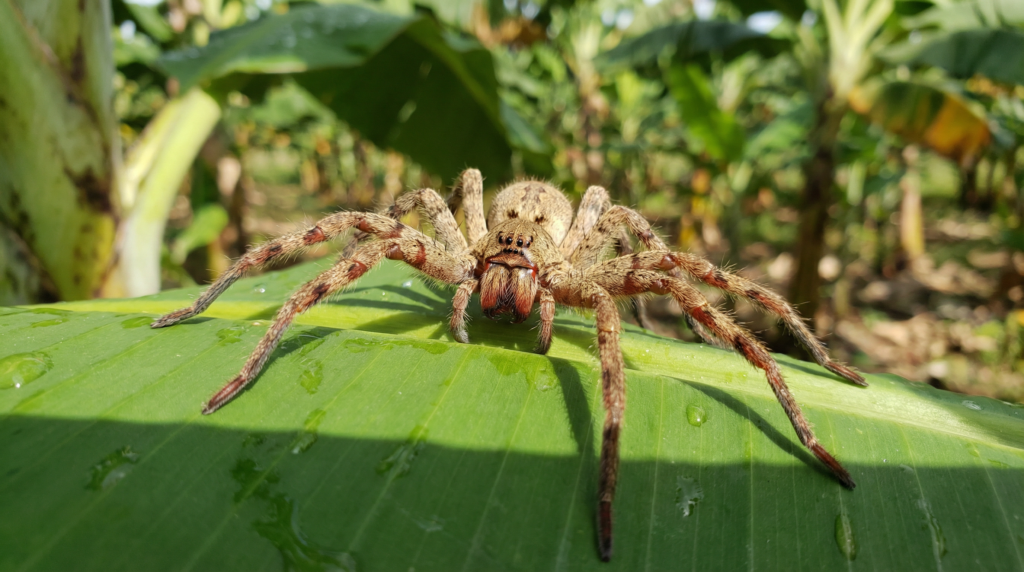
Costa Rica is home to a staggering number of arachnids and insects, and while most are harmless, a few can deliver a painful or even dangerous bite or sting. The most notorious of these is the Banana Spider (Phoneutria fera), also known as the Brazilian Wandering Spider. Considered the world’s most toxic spider, its neurotoxic venom can cause severe pain, loss of muscle control, and, in rare cases, death if left untreated. These spiders are often found in banana plantations and can sometimes hide in shoes or clothing, making it essential to shake out these items before use.
Another insect to be aware of is the Bullet Ant (Paraponera clava). While its sting is not lethal, it is widely regarded as one of the most painful insect stings in the world, with victims describing the pain as similar to being shot. Fire Ants and Leaf-Cutter Ants can also deliver painful bites. On a more serious note, mosquitoes in Costa Rica can transmit diseases such as Dengue and Chikungunya, making it important to use insect repellent and take other preventive measures.
Large Predators: Crocodiles and Big Cats
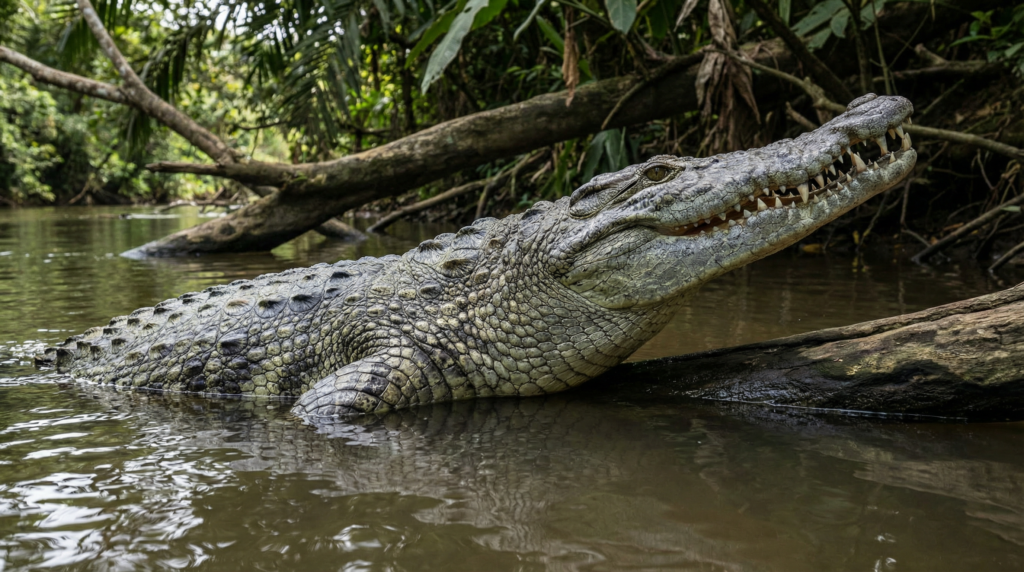
Costa Rica’s rivers and coastal areas are home to the American Crocodile (Crocodylus acutus), a large and powerful predator. While attacks are not common, they do occur, particularly in areas where human activity encroaches on their habitat. It is crucial to be aware of your surroundings when near rivers and estuaries and to avoid swimming in areas known to have a crocodile population. The country has more documented attacks from this species than any other in the Western Hemisphere, aside from the much larger nations of the United States and Brazil.
Two species of big cats, the Jaguar (Panthera onca) and the Puma (Puma concolor), also inhabit Costa Rica’s remote forests. While these animals are powerful enough to be dangerous to humans, they are incredibly elusive, and encounters are extremely rare. Jaguars are the least likely of the big cats to attack humans, while Pumas have been known to be more aggressive. However, there have been no recent reports of fatal attacks by either species in Costa Rica.
Prevention and Safety: Your Best Defense
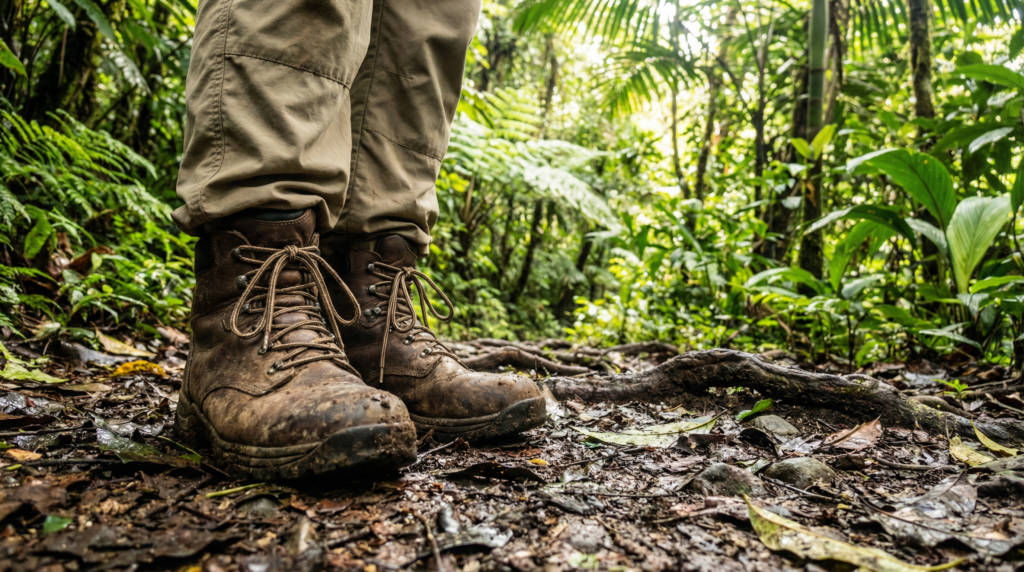
The key to safely coexisting with Costa Rica’s wildlife is prevention and awareness. When hiking or exploring natural areas, always stay on well-maintained trails and wear sturdy, high-ankled hiking boots. Be mindful of where you place your hands and feet, and never reach into holes or under logs. When walking at night, always use a flashlight to illuminate your path.
In rural areas, it is a good practice to shake out your shoes and clothing before putting them on. When near rivers or coastal areas, be aware of the potential for crocodiles and follow local safety advice. By taking these simple precautions, you can significantly reduce your risk of a negative encounter with any of Costa Rica’s dangerous animals. For those considering a move to Costa Rica, understanding these safety measures is an important part of the relocation process, a journey that CRIE can assist with when it comes to immigration matters.
Medical Care and Emergency Response
In the unlikely event of a bite or sting from a dangerous animal, Costa Rica’s healthcare system is well-prepared to respond. The country is renowned for its high-quality medical care, and hospitals throughout the country are equipped with the necessary antivenom and treatments. The Clodomiro Picado Institute is a world leader in antivenom production and research, ensuring that effective treatments are readily available.
If you or someone you are with is bitten or stung, the most important thing to do is to remain calm and seek immediate medical attention. Do not attempt to treat the wound yourself, as this can often do more harm than good. Instead, focus on getting to the nearest hospital or medical clinic as quickly and safely as possible. For those considering investing in Costa Rica, the country’s excellent healthcare system is a significant asset, a factor that GAP Investments can provide more information on.
Frequently Asked Questions
What is the most dangerous animal in Costa Rica?
The Fer-de-Lance snake is widely considered the most dangerous animal in Costa Rica due to the frequency of bites and the potency of its venom. However, with proper precautions and prompt medical care, the risk of a fatal encounter is very low.
How common are encounters with dangerous animals in Costa Rica?
Encounters with dangerous animals are not common for the average tourist or resident, especially in urban areas. The risk is higher in rural and remote areas, but even there, most animals will avoid humans if possible.
What should I do if I see a dangerous animal?
If you encounter a dangerous animal, the best course of action is to remain calm and slowly back away, giving the animal plenty of space. Do not make any sudden movements or attempt to provoke or handle the animal.
Are there dangerous animals in popular tourist areas?
While it is possible to encounter dangerous animals in any natural area in Costa Rica, the risk in popular, well-trafficked tourist areas is generally low. Most tour operators and guides are well-versed in safety protocols.
What should I do if I am bitten or stung?
If you are bitten or stung by a dangerous animal, seek immediate medical attention. Do not attempt to treat the wound yourself. Costa Rica’s medical system is well-equipped to handle such emergencies.
How can I best prepare for a trip to Costa Rica?
Preparation is key to a safe and enjoyable trip. Research the areas you plan to visit, pack appropriate clothing and footwear, and always be aware of your surroundings. For those considering longer stays or investments, services like GAP Equity Loans can provide financial solutions.
Are there any specific areas to avoid?
No specific areas need to be avoided entirely, but it is important to be more cautious in remote, rural, and densely forested areas. Always follow local advice and be aware of your surroundings.
Is it safe to swim in rivers and oceans in Costa Rica?
While many rivers and beaches are safe for swimming, it is important to be aware of the potential for crocodiles in some rivers and estuaries, and to be mindful of rip currents in the ocean. Always follow local safety warnings.
Conclusion: A Paradise to be Respected
Costa Rica’s incredible biodiversity is one of its greatest treasures, and the presence of dangerous animals is a natural part of this rich ecosystem. While the risks are real, they are also manageable. By approaching the country’s wildlife with respect, awareness, and a healthy dose of caution, visitors and residents can safely enjoy the stunning natural beauty that makes Costa Rica a truly special place. Whether you are here for a short visit or considering a longer-term move, understanding and respecting the local wildlife is an essential part of the Pura Vida lifestyle. For those looking to make Costa Rica their home, navigating the country’s immigration process is a separate but equally important journey, one that CRIE is here to help with.
Article by Glenn Tellier (Founder of CRIE and Grupo Gap)
Don't wait, contact us right now!
Call or WhatsApp Costa Rica +506 8373 2085 or +506 8706 3888
Call USA/Canada +1 305-906-6784