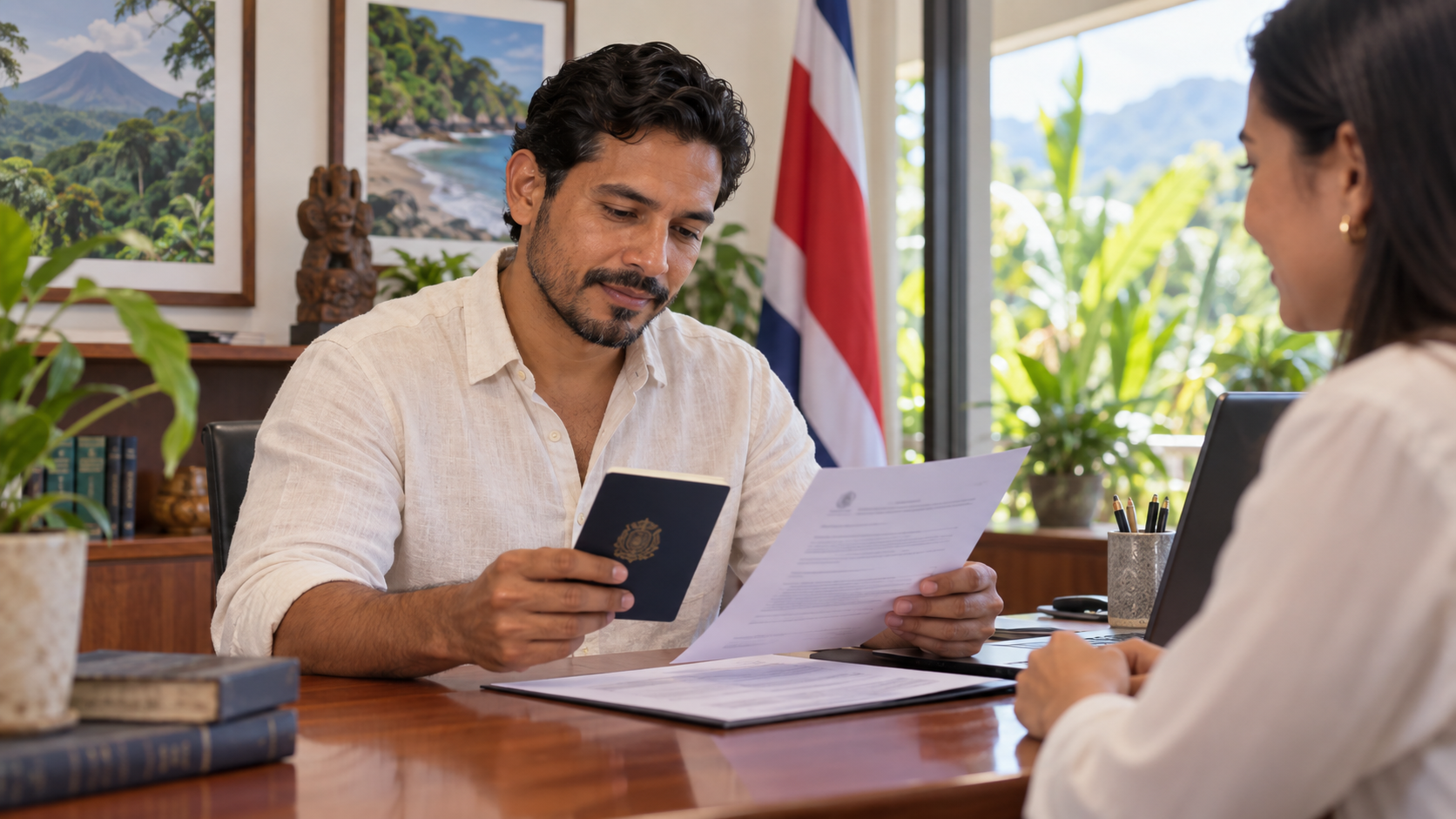
Navigating the path to legal work authorization in Costa Rica is a detailed and complex process. We are CRIE, specialists focused exclusively on Costa Rica residency and immigration services.

Our goal is to cut through the complexity with honest, realistic guidance—no hype or empty promises.

Costa Rica’s system is designed to welcome foreign talent while firmly protecting local employment. Multiple government agencies enforce strict labor and immigration regulations.

The most critical step happens before you travel. Preparing and authenticating documents from your home country is essential.

Proper apostilles, translations, and notarizations completed early prevent months of delay after arrival.

This guide provides a realistic, step-by-step look at who qualifies for work visas. We cover exact requirements, realistic timelines, and common application mistakes.

Our aim is to equip you with concrete, actionable information for your journey to work legally in this beautiful country.

Overview of Costa Rica’s Work Visa and Residency Process

A professional and inviting office scene depicting the "Costa Rica work visa process." In the foreground, a diverse group of Caucasian staff in business casual attire (polo shirts and button-downs) is engaged in discussion around a large conference table, reviewing documents related to work visas. In the middle ground, a detailed infographic highlights essential steps in the visa application process, adorned with the logo "Pura Vida Costa Rica." The background features a window showcasing lush tropical greenery typical of Costa Rica, with sunlight streaming in, creating a warm and optimistic atmosphere. The overall mood is focused yet friendly, emphasizing collaboration and guidance for prospective workers. Use natural lighting, with a soft depth of field to emphasize the people in the foreground while subtly blurring the infographic and background details.

Understanding Costa Rica’s approach to foreign employment begins with a key distinction: there is no separate ‘work visa’ document. The right to work is integrated directly into specific residence permits. This system reflects a balance—welcoming global talent while firmly protecting Costa Rican job opportunities.

The most common route is a Temporary Residence permit under the “Special Category.” This permit, initially valid for up to two years, requires formal employer sponsorship. Your residency status and employment authorization are fundamentally linked.

A high bar is set for eligibility. You must prove your skills or experience are not readily available in the local workforce. The Ministry of Labor first assesses if a Costa Rican can fill the role. Only then does the Immigration Department review the residency application.

Government processing for this work and residency process typically takes 6-8 months. Total costs often range from $1,500 to $4,000. We always recommend verifying the latest requirements at the official source, migracion.go.cr, to ensure your application is complete.

Understanding the Costa Rica Immigration Framework for Work Visas

A vibrant and informative illustration depicting the different residency categories in Costa Rica, including Pensionado, Rentista, and Inversionista. In the foreground, a diverse group of professionals dressed in business casual attire, including polo shirts and button-downs, are engaged in conversation, analyzing documents related to work visas. The middle ground showcases a large, colorful infographic that outlines the categories, with symbols and icons representing each residency type. In the background, a serene Costa Rican landscape with lush greenery and iconic architecture, symbolizing the beauty of the country. The lighting is warm and inviting, creating a friendly and professional atmosphere. The text "Pura Vida Costa Rica" subtly incorporated into the design enhances the local culture without being intrusive, focusing solely on the themes of immigration and residency.

Beyond standard employer sponsorship, several established residency categories offer pathways to work legally in the country. These include Pensionado (Pensionado), Rentista (Rentista), and Inversionista (Inversionista). Each provides legal status and the right to seek employment.

The Role of CRIE in Guiding Applicants

We focus exclusively on Costa Rica residency pathways. Our role is to provide honest assessments of your profile against the official requirements. We do not make promises about outcomes, but we offer clear guidance through the complex immigration framework.

If standard work permit regulations pose challenges, we help clients explore these alternative residence permit categories. They offer more accessible pathways to legal residency and work authorization.

Key Eligibility Insights and Financial Thresholds

The Pensionado category requires proof of a lifetime pension of at least US$1,000 per month from sources like Social Security. Rentista demands a guaranteed monthly income of US$2,500 for two years or a US$60,000 deposit in a Costa Rican bank.

For Inversionista, a minimum investment of US$150,000 in qualifying assets is required. A critical rule: the investment property must be in the applicant’s personal name, not a corporation. This non-negotiable requirement requires careful planning.

Who Qualifies for Costa Rica Residency with CRIE?

We help clients identify which of Costa Rica’s primary residency categories aligns with their financial profile and long-term goals. The three main non-employment pathways are Pensionado, Rentista, and Inversionista.

Eligibility Criteria and Income Requirements

The Pensionado category requires proof of a guaranteed lifetime pension of at least US$1,000 per month. There is no minimum age requirement.

Rentista applicants must show stable, verifiable income of US$2,500 monthly for two years. A US$60,000 deposit in a local bank is an alternative.

The Inversionista option demands a minimum US$150,000 investment in Costa Rican assets. A critical rule: investment property must be in your personal name.

After three years of temporary residence, you can apply for permanent status. We provide realistic evaluations to find your best pathway. For detailed guidance, review our common questions.

Step-by-Step Guide: Preparing Your Documents, Apostilles, and Translations

We consistently see that proper document authentication from your home country is the single greatest predictor of a smooth residence process. Skipping this step is the top error leading to rejection.

Gathering and Authenticating Required Documents

Your core package includes a valid passport, certified birth certificate, police clearance, and financial proof. This proof varies by category—pension statements, income verification, or investment records.

Every foreign document needs an Apostille stamp. For U.S. citizens, this comes from the Department of State. This authentication is a legal requirement under international treaty.

Ensuring Proper Translation and Notarization

After apostille, all non-Spanish documents require professional translation. Only an authorized Costa Rican translator (traductor oficial) can complete this step.

Home-country translations are not accepted. Proper preparation adds 4-8 weeks to your timeline. We always advise verifying the latest specifics at the official migration website before you begin.

How to Apply for a Provisional Visa from Your Home Country

Your journey to legal residency in Costa Rica officially starts in your home country, not upon arrival. The first mandatory step is obtaining a provisional visa from a Costa Rican consulate. This requirement applies to everyone, including visa-exempt nationals from the U.S., Canada, and the EU.

This special visa grants you entry specifically to pursue a residence permit. It distinguishes you from tourists and provides the proper status to begin the in-country application process.

Consular Submission Guidelines and Tips

Contact the Costa Rican consulate with jurisdiction over your area. You must submit a completed application form, your valid passport, and preliminary proof of your qualifying residency category.

Clearly specify that you are requesting a provisional visa for residency purposes. Processing at the consulate typically takes 10 to 60 days. Straightforward cases with complete documents move faster.

Do not enter as a tourist and then apply. Starting correctly from your home country with a provisional visa sets a solid foundation. It demonstrates to authorities that you follow proper procedures from the outset.

costa-rica-work-visa-requirements-how-to-apply-with-crie

A Costa Rican employer must act as your legal sponsor, submitting a comprehensive case to immigration authorities. This sponsorship represents the most critical component of traditional work authorization.

The hiring company carries significant obligations. They must prove your employment serves the national interest without displacing local workers.

Required employer documentation is extensive. It includes business registration papers, current tax compliance certificates, and proof of worker insurance with the national social security system.

A detailed sponsorship letter is mandatory. This letter must outline the exact job description, salary meeting local standards, employment duration, and your unique qualifications.

Costa Rican law firmly prioritizes local hiring. The employer must demonstrate the role requires specialized skills not readily available in the country’s well-educated workforce.

This “labor market test” makes the pathway challenging. General business or administrative roles rarely meet the threshold for approval.

Success is more common in specialized fields. These include advanced technology, executive management, or niche engineering where local expertise is limited.

We provide honest assessments of your likelihood for this route. We set realistic expectations without making promises about approval rates.

Navigating Fingerprint Registration and Work Permit Submission in Costa Rica

Your arrival in Costa Rica with a provisional visa marks the beginning of several mandatory in-country procedures. These steps must follow a strict sequence to avoid application rejection.

Biometric Registration Process at the Ministry of Public Security

Your first task is biometric registration at the Ministry of Public Security in San José. This involves fingerprinting and photography to create your official immigration record.

Appointments at this ministry public office often book weeks in advance. We recommend scheduling online immediately upon arrival to prevent delays in your entire application process.

Timely Submission of Your Work Permit Application

Only after receiving fingerprint confirmation can you submit your complete work permit application. This submission goes to the Dirección General de Migración y Extranjería.

A “complete” permit application means all documents are apostilled, translated, and organized. Realistic processing times range from 3 to 12 months, averaging 6-8 months.

Maintaining legal status during this waiting period is critical. Any overstay issues can derail your entire work permit application.

Avoiding Common Mistakes in the Visa and Residency Application Process

Common oversights in document preparation and timeline management are the primary causes of application setbacks. We’ve guided hundreds through this process and see the same errors cause costly delays.

Document Preparation Pitfalls

The top error is arriving without properly apostilled and translated documents. Every foreign-issued paper needs this authentication. Submitting without it results in rejection.

Incomplete application packages are another major issue. Missing a single form or photo means your entire submission gets returned. Financial proof must clearly show the required income or investment thresholds.

Managing Timelines and Maintaining Legal Status

Underestimating the total timeline is a critical planning mistake. The entire process from document prep to approval often takes six to twelve months. Delays are common, so you must build in buffer time.

You must also manage your legal status during the waiting period. Letting your provisional visa expire leads to overstay violations. These create serious complications, including fines and potential deportation.

Our role is to help clients navigate these complexities. We provide detailed checklists and realistic planning guidance to improve your chances of a smooth journey.

Digital Nomad vs. Residency: Clarifying Misconceptions

A common point of confusion among remote workers involves the distinction between Costa Rica’s Digital Nomad visa and actual residency status. This temporary authorization allows foreign professionals to live and work remotely in the country for up to two years.

It mandates a $3,000 monthly minimum from sources abroad and private health insurance. However, it is crucial to understand its limitations from the outset.

Why Digital Nomad Status Does Not Count Toward Residency

The Digital Nomad visa does not grant you formal residency classification. Time spent under this status does not accumulate toward the three-year requirement for permanent residency or the seven-year path to citizenship.

Essentially, it is an extended tourist permission tailored for remote work. This makes it unsuitable for anyone considering a long-term future in the country.

For remote workers seeking a genuine pathway, the Rentista category is often the closest alternative. It requires proof of a stable $2,500 monthly income and provides actual temporary residence status.

This residency does count toward your permanent status timeline after three continuous years. We help clients choose strategically based on their long-term goals.

Setting Realistic Timelines and Expectations for Your Application

One of the most common questions we receive concerns the actual duration of the residency and work permit process. We believe in setting honest expectations from the outset. The journey to legal status in Costa Rica is measured in months, not weeks.

Understanding Processing Times and Potential Delays

We break the timeline into distinct phases. Document preparation, including apostilles and translations, typically takes 4 to 8 weeks. Consular processing for your provisional visa adds another 10 to 60 days.

The main in-country application review at immigration is the longest phase. Processing ranges from 3 to 12 months, with most cases averaging 6 to 8 months. Plan for a total timeline of 6 to 12 months from start to approval.

Delays are common. Incomplete documentation causes the most setbacks. Government backlogs and coordination between agencies also extend waiting periods.

Your initial temporary residence permit is valid for one to two years. It is renewable. After three continuous years, you become eligible for permanent residency.

The path to citizenship requires seven years of continuous legal residence. Maintaining your status throughout the entire application process is non-negotiable. There are no guaranteed shortcuts.

Final Steps for a Successful Residency Journey in Costa Rica

We conclude our guide by reinforcing that the key to a smooth immigration process lies in early and meticulous document preparation. While traditional employer-sponsored work permits face high hurdles, alternative residency pathways like Pensionado, Rentista, and Inversionista offer more accessible routes to legal status and work authorization in Costa Rica.

Your success hinges on starting the application from your home country with fully apostilled and translated documents. Plan for a realistic timeline of 6 to 12 months for the entire residency process.

Professional guidance significantly improves your chances of navigating this complex system. We at CRIE provide honest assessments and detailed support. Take the next step for a candid evaluation of your situation.

Contact us: WhatsApp +506 8706 3888 | info@crie.cr | www.crie.cr.

FAQ

What is the first step to legally work in Costa Rica?

The first step is typically securing a job offer from a Costa Rican employer. They must initiate the process by requesting work permit approval from the Dirección General de Migración y Extranjería. You cannot apply for a work permit on your own without this employer sponsorship. We help you and your employer navigate this prerequisite.

Can I apply for residency and a work permit at the same time?

No, these are separate processes with the Dirección General de Migración y Extranjería. A temporary residence permit, like the Rentista or Inversionista category, grants you the right to live in the country. A work permit is a separate authorization to be employed. You must have legal residency status before a work permit can be issued.

How long does the entire work visa and residency process take?

A> You should plan for a lengthy process. After your employer secures work permit approval, you must apply for a provisional visa at a Costa Rican consulate abroad. Once in Costa Rica, finalizing your residency and work permit can take several more months. We set realistic expectations, as government processing times often experience delays.

What are the most common reasons for application rejection?

The most common pitfalls involve documentation. Incomplete forms, financial proof that doesn’t meet the minimum income requirements, or documents without proper apostille and official Spanish translation from a certified translator will cause a rejection. We meticulously review your dossier to prevent these avoidable errors.

Does the Digital Nomad Visa lead to permanent residency?

No, it does not. The Digital Nomad Visa is a special one-year permit for remote workers with foreign income. It is a temporary status and does not count toward the years required for permanent residency application. It’s a great option for testing life in Costa Rica, but it’s not a path to long-term residency.

What role does CRIE play in my application process?

A> We act as your expert guide and procedural manager. We don’t just give advice—we handle the complex logistics. This includes preparing your application packet, ensuring all documents are properly apostilled and translated, liaising with immigration authorities, and providing clear timelines to keep your process on track and compliant.

What happens if my work permit is approved but my residency is still pending?

You cannot start working until both your temporary residency card (cédula) and the physical work permit are in hand. Approval in principle is not permission to work. We help you manage this interim period to maintain your legal status without violating immigration laws by working prematurely.

Article by Glenn Tellier (Founder of CRIE and Grupo Gap)

Don't wait, contact us right now!
Call or WhatsApp Costa Rica +506 8373 2085 or +506 8706 3888
Call USA/Canada +1 305-906-6784

See If You Qualify For Residency Today!