Navigating the legal steps to maintain your status abroad can feel daunting. This guide is designed to demystify the process for renewing your residency-based work authorization.

We focus specifically on the path tied to a temporary or permanent residency visa. It’s crucial to understand that short-term options, like a Digital Nomad visa, do not lead to permanent status.

Renewing your authorization is fundamentally about keeping your legal residency valid. Your DIMEX card serves as the official proof of both your right to live and work in the country.

Realistic planning is key. Processing by the Dirección General de Migración y Extranjería often takes several months. We strongly advise initiating the renewal at least 60 days before your current permit expires.

As experienced guides, we’ll walk you through eligibility, document preparation—including apostilles and translations—and the financial thresholds for different categories. Our role is to provide clear, step-by-step guidance without unrealistic promises.

Always verify the latest requirements directly at migracion.go.cr, as policies can change. For personalized support, our team at CRIE is ready to assist.

Understanding the Costa Rica Work Permit Renewal Process

A vibrant office setting illustrating the Costa Rica work permit renewal process. In the foreground, a diverse group of Caucasian staff members, dressed in business casual attire (polo shirts and button-downs), are engaged in a collaborative discussion around a large table filled with paperwork and colorful documents related to work permits. The middle ground features a wall adorned with a "Pura Vida Costa Rica" banner, symbolizing the essence of Costa Rica’s welcoming atmosphere. In the background, bright windows allow natural sunlight to stream in, casting soft shadows and creating a warm, inviting mood. The image should convey the importance and professionalism of the work permit renewal process, with a focus on teamwork, organization, and clarity. The angle should be slightly elevated to capture the scene's depth and dynamics.

Many assume renewing their authorization is a simple task. In reality, it’s a multi-step legal procedure tied directly to your residency status.

You are actually renewing your temporary or permanent residence authorization (Residencia Temporal or Permanente). This process includes your work privileges. The Dirección General de Migración y Extranjería manages all applications.

Setting realistic expectations is crucial. Processing often takes 3 to 8 months. Your DIMEX card is your proof of valid status.

Letting it expire creates serious complications. We guide you to start early, ideally 60-90 days before expiration.

Beginning your document preparation from home reduces stress. This is especially true for items needing apostilles or translations.

Who Qualifies for Costa Rica Residency (Residencia)

A professional setting showcasing Costa Rica's residency categories, featuring a visually appealing layout with icons representing various residency types like pensionado, rentista, and investor. In the foreground, a diverse group of Caucasian staff dressed in business casual attire, such as polo shirts and button-downs, discuss over a table filled with documents and a laptop displaying a Costa Rica map. The middle ground includes clear, colorful icons symbolizing each residency category, positioned in an organized manner. In the background, a softly lit office space adorned with tropical plants and Costa Rican landscapes, evoking a warm, welcoming atmosphere. The scene should convey professionalism and clarity, while subtly incorporating "Pura Vida Costa Rica" branding in the decor, ensuring a cohesive look.

The path to securing your right to live and work long-term begins with understanding which residency category fits your life. The nation offers several formal pathways, each with distinct financial and personal requirements.

Eligibility Criteria Overview

Primary categories include Pensionado (Pensionado) for retirees with a guaranteed pension of at least US$1,000 monthly. The Rentista (Rentista) option requires verifiable passive income of US$2,500 per month for two years.

For the Inversionista (Inversionista) visa, a minimum investment of US$150,000 in local real estate or a business is needed. A critical rule: the property must be in the applicant’s personal name, not a corporate entity.

Other pathways exist. The Vínculo category is for those with family ties to a Costa Rican citizen. A special category is available for professionals with unique skills not readily found in the local labor market.

Eligibility for renewals requires ongoing proof you meet your category’s criteria. Temporary status typically leads to permanent residency after three years. We help assess which category best fits your circumstances, but we cannot guarantee approval—that decision rests solely with immigration authorities.

Essential Document Preparation: Apostilles, Translations, and More

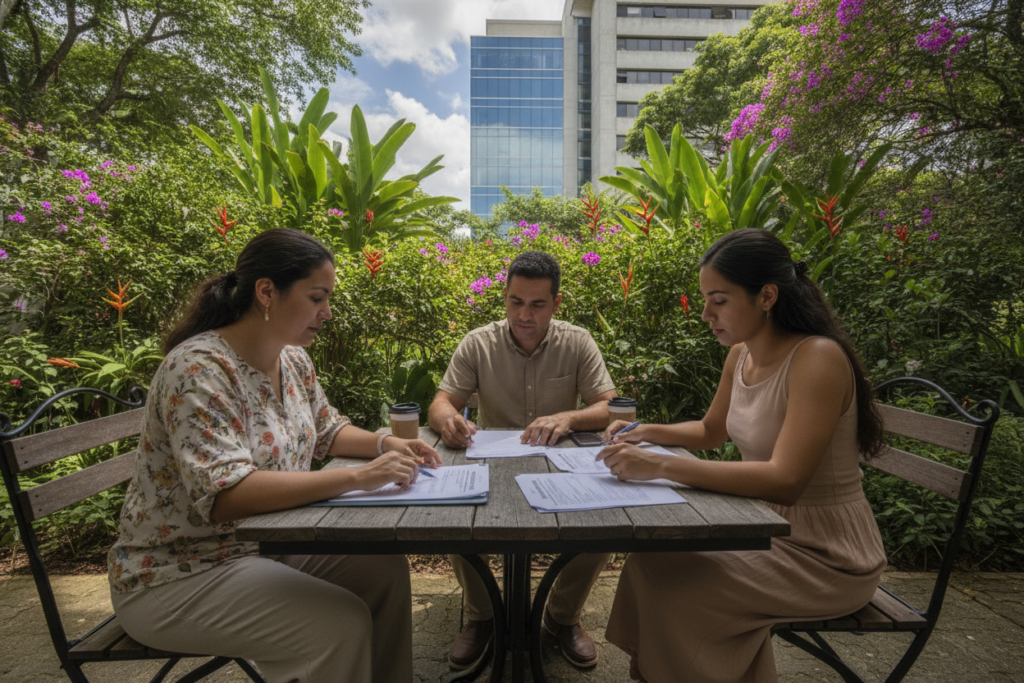
Gathering the correct paperwork is often the most time-consuming part of the process. We advise beginning this crucial step from your home country well ahead of your deadline.

Complete and accurate documentation is the single biggest factor in avoiding delays. A missing or improperly certified paper can halt your application for months.

Checklist of Required Documents

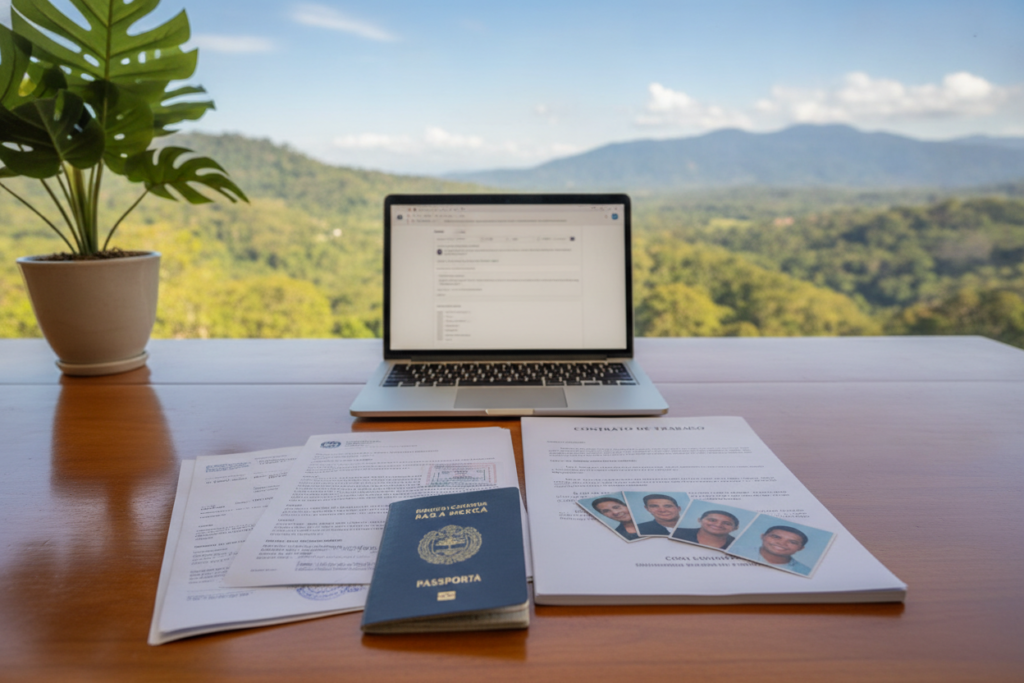
Your core dossier includes a valid passport and your current DIMEX card. You will also need a certified copy of your birth certificate and a recent police background check.

Proof of financial means, specific to your residency category, is mandatory. Do not forget two passport-sized photos that meet local specifications.

Tips on Obtaining Apostilles and Accurate Translations

If your home country is part of the Hague Apostille Convention, your civil documents require this special certification. An apostille authenticates them for international use.

All non-Spanish paperwork must be translated by a certified professional. The translation itself often needs to be notarized. We recommend working with translators familiar with local immigration requirements.

Order multiple certified copies of key documents. Keep digital scans of everything. This thorough preparation ensures your submission is complete and avoids unnecessary requests for more information.

Planning Your Timeline and Starting Document Preparation from Home

The most common error applicants make is underestimating how long document preparation truly takes. Realistic planning is your most powerful tool. We advise starting this work from your home country well before your travel date.

Understanding Timelines and Key Deadlines

Official processing times are often optimistic. The actual review period typically takes one to three months. Complex cases can extend to six or eight months.

You must build a significant buffer. Initiate your full application at least 60 days before your current authorization expires. This window allows for unexpected requests or postal delays.

Letting your status lapse has serious consequences. You may temporarily lose legal work rights and face service restrictions. Avoiding this gap is crucial for a smooth transition.

Remember, gathering documents like apostilled birth certificates takes variable time. It can range from a few days to several months depending on your home state or country. Certified translations add another week or two to your timeline.

We encourage you to build extra time into every single stage. Assume nothing will proceed at the fastest possible pace. This approach minimizes stress and protects your continuous legal status in Costa Rica.

Navigating Immigration Requirements and Avoiding Pitfalls with Migracion.go.cr

Successfully submitting your application hinges on precise navigation of the government’s official immigration portal. The Dirección General de Migración y Extranjería manages all applications. Their website, migracion.go.cr, is the only authoritative source for current forms, fees, and procedural updates.

Step-by-Step Guidance for Form Submissions

Begin by downloading the current application form directly from migracion.go.cr. Complete every section accurately. Gather all supporting documents we outlined earlier.

Government fees are paid to a specific Banco de Costa Rica account. You must obtain a payment receipt. This comprobante is a mandatory part of your submission package.

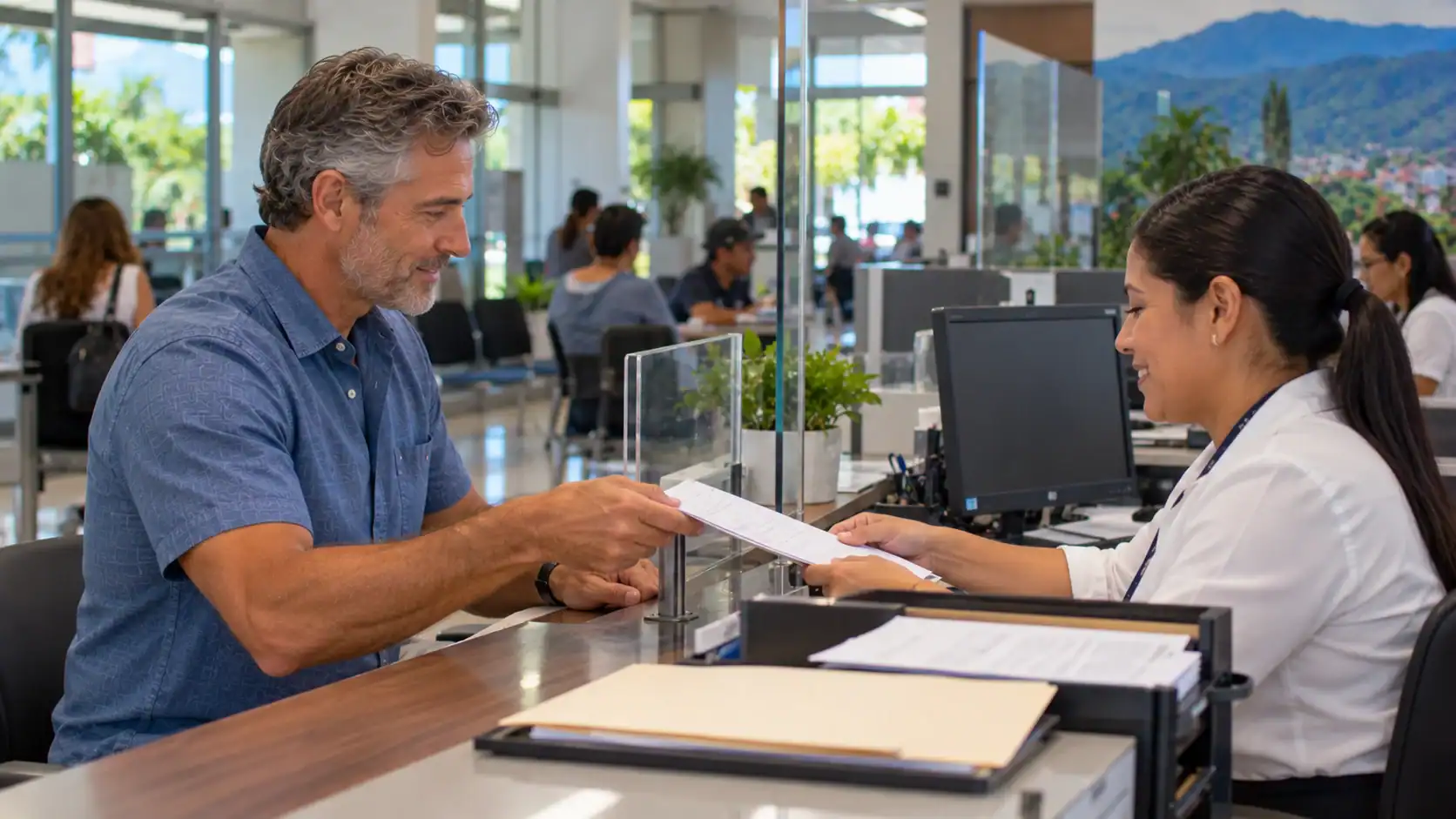
Submit your complete application in person or through the designated channel. Avoid common pitfalls like incomplete answers or missing signatures. Never use a saved form—always download the latest version.

Where to Find Reliable Updates on migracion.go.cr

The site is primarily in Spanish. Using a browser translation tool can be very helpful. Look for sections labeled “Trámites” (procedures) or “Residencias” (residency) to locate the correct forms.

For critical policy changes, check the “Noticias” (news) or “Comunicados” (announcements) section regularly. Requirements and processing steps can change.

We provide this guidance based on established patterns. The final decision on any application rests solely with immigration officials. Always verify the latest requirements directly at migracion.go.cr before proceeding.

Meeting Financial Thresholds: Pensionado (Pensionado), Rentista (Rentista), and Inversionista (Inversionista)

Demonstrating adequate financial resources is a cornerstone of maintaining your legal residency status under any category. Your chosen pathway dictates specific income or investment levels you must consistently meet.

Income Benchmarks for Pensionado and Rentista

For the Pensionado category, you need a guaranteed pension of at least US$1,000 monthly. Acceptable proof includes official letters from your pension administrator and recent bank statements.

The Rentista pathway requires stable passive income of US$2,500 per month for two years. Documentation must show reliable deposits from investments, rentals, or trusts.

Essential Investment Criteria for Inversionista

The Inversionista option mandates a minimum investment of US$150,000 in local real estate or a business. A critical rule is that the property title must be in your personal name, not a corporate entity.

For renewal under any category, you must provide ongoing proof that you still meet these financial criteria. Authorities check for continued compliance with the original requirements.

Remember, these monetary figures are current but can be updated. Always verify the latest thresholds before submitting your renewal paperwork.

Costa Rica Work Permit Renewal: Step-by-Step Process

Breaking down the renewal procedure into distinct phases helps manage expectations and reduces anxiety. We provide a clear roadmap through preparation, submission, review, and finalization.

Preparing and Submitting Your Application

Begin by assembling your complete dossier. This includes your passport, financial proofs, and translated documents.

Download the current form from the official portal. Pay the required government fees at the designated bank. Submit everything at your scheduled appointment.

You will receive a Comprobante de Solicitud. This receipt is your temporary proof of legal status during the waiting period.

Review Process and What to Expect Next

Your submission then enters the official queue. Authorities verify all details and check your background.

This review typically takes several months. Respond promptly if they request additional information. Delays in your response will extend the processing time.

Approval, Follow-Up, and Finalizing Your Permit

Upon approval, your new DIMEX card is produced. You may get a digital copy first for immediate use.

The physical card is sent to your chosen post office. Collect it within 30 days, bringing your receipt and ID. This final step concludes the authorization procedure.

Avoiding Common Mistakes in the Residency Process

The difference between a straightforward renewal and a protracted ordeal frequently lies in avoiding common pitfalls. We see the same errors causing unnecessary delays year after year.

Identifying Pitfalls and How to Steer Clear

Incomplete paperwork is the top cause of hold-ups. Missing even one required item triggers a request for more information. This can add months to your timeline.

Always use the latest application form from the official immigration website. Outdated versions lead to immediate rejection. Verify current fees and payment details there as well.

Submitting documents with expired validity is another major error. Background checks are typically only good for six months. Ensure all your supporting papers are current when you file.

Do not let your DIMEX card expire before starting the process. A lapse in status creates significant complications. Begin your renewal at least 60 days prior to the expiration date.

Finally, maintain organized copies of every single document you submit. This allows you to respond quickly if officials have questions. While preparation prevents most issues, the process involves human review, so patience is key.

Digital Nomad Considerations and the Closest Residency Alternatives

A common misconception among remote workers is that time spent on a Digital Nomad visa counts toward permanent residency—it does not. This special visa is a temporary permit, not a formal residency category.

Understanding Why the Digital Nomad Option Doesn’t Qualify

The digital nomad visa requires proof of $3,000 monthly income. It allows a one-year stay, extendable for another year. Holders must work for employers outside the country.

This status does not lead to permanent residency or citizenship. Time accrued under it does not count toward the required years for those goals.

For a real path forward, consider the Rentista category. It needs stable passive income of $2,500 per month. The Inversionista option requires a $150,000 investment in local assets.

These formal residency categories provide a timeline to permanent status. We recommend early consultation to align your plans with long-term objectives.

Preparing for In-Country Formalities and Follow-Up Actions

The final stage of securing your renewed authorization involves completing a series of mandatory in-person formalities within the country. These steps require your physical presence and cannot be handled by a representative. We guide you through each requirement to ensure a smooth conclusion.

Scheduling Appointments and Meeting In-Country Requirements

Approved applicants must register fingerprints with the Ministry of Public Security. Schedule this appointment through the immigration or BCR system. Bring your approval documentation and valid passport.

All residents must be enrolled in the Caja (CCSS) social security system. If you’re not already enrolled, visit your local CCSS office. Provide your approval papers, passport, and proof of address.

Your physical DIMEX card will be sent to a Correos de Costa Rica location. You’ll receive a notification. Pick it up within 30 days, bringing your Comprobante de Solicitud and ID.

Certain categories may need an in-person interview. These verify details like family relationships. Complete them within the specified period.

Schedule appointments online via the Banco de Costa Rica system or by phone. Slots fill quickly, so book early. The entire process from approval to card in hand often takes one to three months.

Your digital DIMEX copy serves as proof during this period. Treat these final steps with diligence. Missing deadlines can invalidate your approval.

Your Path Forward with CRIE: Next Steps

Your journey to maintaining legal status culminates in taking decisive action. This guide has shown that your work permit is tied to your residency. Different categories have specific financial and document needs.

Starting your preparation early is the best strategy. Always check the official immigration website for the latest rules. Requirements can change over time.

We at CRIE serve as your experienced guide. We help navigate this complex process. We ensure your application is complete, but final approval rests with authorities.

Ready to begin? Contact us to discuss your specific situation. Reach our team via WhatsApp at +506 8706 3888 or email info@crie.cr.

The path to permanent status typically requires over three years. With proper preparation and support, you can continue building your life here confidently.

FAQ

How long does the residency application process typically take?

Processing times vary significantly by category and application volume at the Dirección General de Migración y Extranjería. We typically see a range from several months to over a year. We guide our clients to prepare for a process that requires patience, advising them to start document collection well in advance of any planned move.

What are the most common reasons for delays or application rejections?

The most frequent pitfalls involve incomplete documentation—missing apostilles, incorrect translations, or insufficient proof of ongoing income or investment. Other issues include background check problems or submitting forms with errors. We help you avoid these by meticulously reviewing every piece of your application before submission.

Can I apply for residency from outside the country, or must I be in Costa Rica?

You can and should begin the intensive document preparation phase from your home country—gathering birth certificates, police records, and financial proofs. However, the formal application submission to immigration authorities and subsequent in-person appointments must be completed within the country, which is a key step we manage with you locally.

What’s the difference between the Pensionado, Rentista, and Inversionista categories?

These are the primary residency paths. The Pensionado category requires a proven lifetime pension. The Rentista status is based on showing stable, guaranteed income for at least two years. The Inversionista category requires a substantial, government-approved investment in the country. We help you determine which financial profile you qualify for.

Does the Digital Nomad Visa lead to permanent residency or a work permit?

No, it does not. The Digital Nomad Visa is a separate, temporary status designed for remote workers. It does not count toward permanent residency time, cannot be converted into a standard work permit, and has different financial requirements. We often discuss it as a short-term alternative while a longer-term residency application is processing.

What ongoing obligations do I have after my residency is approved?

After approval, you must obtain your physical DIMEX (ID card) and adhere to strict rules. This includes not being absent from the country for more than two consecutive years to maintain status. You must also declare your continued financial qualification annually to the immigration department. We provide clear guidance on these maintenance requirements.


Article by Glenn Tellier (Founder of CRIE and Grupo Gap)

Don't wait, contact us right now!
Call or WhatsApp Costa Rica +506 8373 2085 or +506 8706 3888
Call USA/Canada +1 305-906-6784

See If You Qualify For Residency Today!