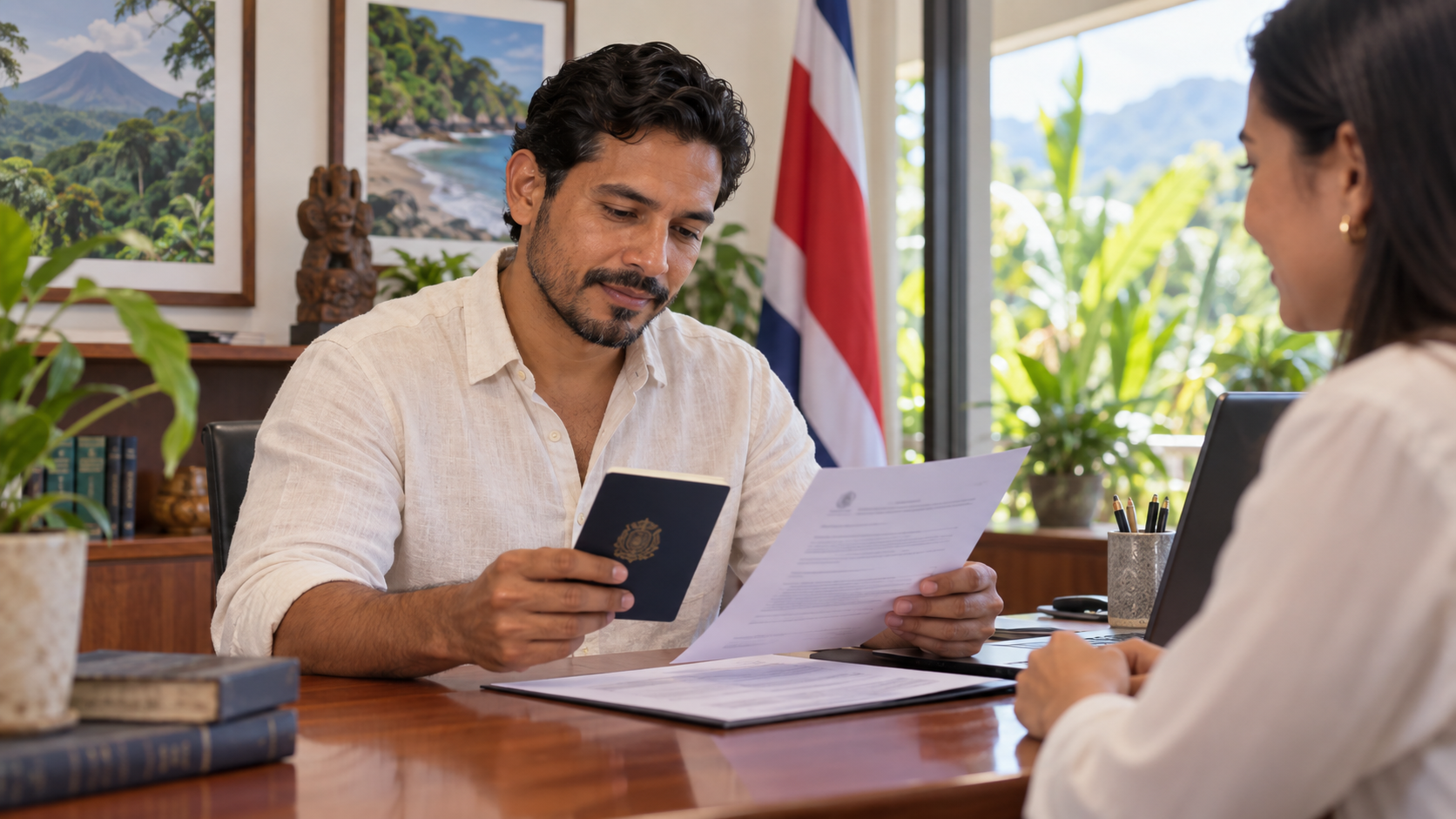
Navigating the immigration timeline for employment requires setting realistic expectations from the start. The process is notably more extensive here than in other regional nations.
Understanding what to expect will help you plan your relocation or employment transition effectively.
Timelines vary considerably based on your specific visa category, country of origin, and documentation completeness. The current caseload at immigration authorities also plays a major role.
Reports indicate a range from one month to eight months or longer for a final decision. We cannot make promises about specific durations, as these remain at the discretion of the Dirección General de Migración y Extranjería.
At CRIE (crie.cr), we specialize exclusively in residency and immigration matters for this country. Our guide walks you through every stage—from initial document preparation at home through final approval.
We emphasize starting your preparation early with properly apostilled and translated papers. Inadequate preparation is the most common cause of delays we observe.
Costa Rica Work Permit Processing Time: Key Insights

Many hopeful applicants enter the process with optimistic timelines that don’t match reality. While some sources cite a swift one to two-month turnaround, we consistently observe a more realistic range of three to eight months for most cases.
Several factors dictate your specific duration. The type of visa, your nationality, and document preparation are crucial. Current backlogs at immigration authorities also create significant variation.
A critical point requires clarification. The Digital Nomad visa is a temporary authorization for remote work. It does not provide a pathway to permanent residency or citizenship eligibility.
The procedure itself offers little transparency. Officials provide no regular updates, and there is no expedited option. Your timeline only begins once a complete, error-free submission is accepted.
Understanding these insights from the start is vital. It allows for informed planning around employment start dates and financial commitments, preventing unwelcome surprises.
Eligibility and Qualification Criteria (CRIE)

The cornerstone of the country’s immigration policy is a clear preference for its own citizens in the job market. This means a foreign national cannot simply fill any open position. Your potential employer must justify your hire by proving you have unique skills not found locally.
For most, the pathway is the “special category” (categoría especial) residency and work permit. This category covers roles where specialized expertise is essential. It includes artists, professional athletes, international company transferees, and self-employed freelancers.
Academics, seasonal workers, and technical guests also qualify. The employer’s role is critical. They must provide detailed documentation showing why a local citizen or resident cannot do the job.
Other residency types, like Pensionado or Rentista, generally prohibit traditional employment but allow business ownership. Permanent residents enjoy full work rights, but that status is harder to obtain.
We help you assess which category fits your situation. Choosing incorrectly wastes time and resources. Our expertise is focused solely on navigating these specific requirements for living and working here.
Step-by-Step Guide to Preparing Your Application from Home
Your path to legally working in Costa Rica hinges on completing critical steps before you ever board a plane. We see the most successful cases begin with thorough preparation in your home country.
Preparing Documents Before Arrival
This phase involves obtaining apostilles for key civil records. Your birth certificate, police clearance, and diplomas typically need this international certification.
Official Spanish translations by a certified professional are mandatory next. Your employer must also gather corporate papers like tax registration and proof of good standing.
Sequence of Application Steps
First, register with a Costa Rican consulate to get a provisional visa. This specific visa allows entry to finalize your residence procedure.
After arrival, visit the Ministry of Public Security for mandatory fingerprinting. Finally, your employer’s representative submits the complete file to immigration authorities.
We cannot guarantee outcomes, but this orderly approach prevents common, costly errors.
Essential Documents: Apostilles, Translations, and More
The success of your application hinges on a meticulously prepared document portfolio. This task often proves more complex than anticipated. All required papers fall into two clear categories: personal records for the employee and corporate validation from the sponsoring employer.
Each document must meet strict authentication and translation requirements. For nations in the Hague Apostille Convention, an apostille certifies the document’s origin. Official Spanish translations by a recognized professional are mandatory for any paper not originally in Spanish.
Passport, Birth Certificate, and Financial Records
Your passport needs notarized copies of every page, including blanks. Authorities are particular about this. A certified birth certificate with an apostille is also essential.
Financial records serve as proof of your means. You may need recent bank statements or pension documents. A police clearance certificate from your home country is another key personal record.
Employer and Corporate Documentation
The sponsoring company must provide its incorporation papers and tax registration. Proof of good standing with social security is a non-negotiable requirement.
A detailed employer statement is critical. It must outline the job description, your specialized skills, and the salary offered. This letter justifies your employment where local talent is unavailable.
When uncertain, always verify the latest requirements directly at the official migracion.go.cr website. Getting these documents right the first time prevents the most common delays.
Detailed Residency Requirements: Pensionado (Pensionado), Rentista (Rentista), and Inversionista (Inversionista)
Beyond employer-sponsored permits, three primary residency pathways exist for individuals with stable income or capital. These options provide legal status for those who can demonstrate financial self-sufficiency.
The Pensionado category requires a guaranteed lifetime pension of at least US$1,000 monthly. Holders enjoy residence but cannot take salaried employment with local firms. They can, however, own and profit from a business.
Rentista applicants need unearned income of US$2,500 per month for two years. This category suits investors or entrepreneurs. Like Pensionados, they cannot work as employees but can operate ventures.
The Inversionista route demands a minimum investment of US$150,000 in local assets. A crucial rule: the property or business must be in your personal name. This category allows both business ownership and direct employment.
Each pathway grants temporary residence initially. We help you select the right category based on your finances and goals.
Understanding Application Timelines and Milestones
A clear grasp of the sequential milestones provides a roadmap through the waiting period. We break the procedure into distinct phases to set realistic expectations.
Typical Processing Periods and Expected Delays
The first eight weeks involve crucial preparation. Your employer gathers corporate papers, while you secure apostilles and translations. Rushing this stage is a top reason for rejection.
The formal filing then triggers a lengthy review. Authorities may request more information during this 8 to 24-week window. Delays often stem from incomplete files or high application volume.
If approved, you complete final in-country steps. This includes social security enrollment and receiving your DIMEX card. These final formalities can take another two months.
The entire process typically spans three to eight months after submission. Complex cases or backlogs can extend this further. We always advise checking migracion.go.cr for the latest official timelines.
Common Pitfalls and Mistakes to Avoid
Successfully navigating this complex procedure requires not just following steps, but actively avoiding common traps. We observe specific errors that consistently derail applications and add significant delays.
Incomplete Documentation Issues
The most frequent and costly error is submitting an incomplete file. Authorities will reject an application outright if mandatory papers are missing.
This includes documents without required apostilles or certified translations. Expired police clearances or uncertified passport copies also cause immediate setbacks. For employers, vague job descriptions that fail to justify hiring a foreign national are problematic.
Timing and Appointment Mismanagement
Entering the country on a tourist visa, instead of the correct provisional visa, makes you ineligible to apply. This mistake forces a complete restart.
Many also missequence the initial consular registration step. Letting documents expire during the long review period creates another major hurdle. Employers often underestimate the labor market test, providing insufficient proof that local talent is unavailable.
We cannot promise that avoiding these issues guarantees approval. However, they account for most of the delays and rejections we see.
Tips for Optimizing Your Application Process
Optimizing your chances for a smooth transition involves starting critical tasks long before your planned relocation date. We view the entire procedure as a project requiring detailed management.
Maximizing Efficiency with Early Preparation
The single best strategy is aggressive early action. Begin gathering and authenticating your papers four to six months ahead. This includes securing apostilles and certified translations while still in your home country.
For sponsoring firms, optimization starts by documenting the genuine business need. Ensure all corporate compliance is current before filing. This prevents mid-application delays.
As an individual applicant, maintain organized digital and physical files. Build a relationship with a specialized service provider early. While these steps significantly improve the experience, we must note they do not guarantee specific outcomes.
Comparing Digital Nomad Options with Residency Paths
A significant point of confusion for many remote professionals is the legal distinction between temporary visas and actual residency. The Digital Nomad visa is a popular choice, but it serves a specific, limited purpose.
This authorization allows foreign nationals to live in Costa Rica for up to one year, with a possible extension. You must prove stable remote income of at least $3,000 monthly and have local health insurance. Crucially, you cannot engage in local employment.
Why Digital Nomad Status Doesn’t Qualify for Residency
It is fundamentally not a residency category. This visa does not count toward permanent residency or citizenship eligibility. It is a temporary permit with an explicit expiration and no integration pathway.
For remote workers seeking genuine residency, the closest options depend on your finances. The Rentista category requires proven passive income. The Inversionista route demands a qualifying investment in the nation.
The core difference is permanence. Residency holders build toward long-term status. Digital Nomad holders remain temporary visitors. We help you assess which option aligns with your true goals.
Resources and Verification with migracion.go.cr
Always double-check procedural updates directly with the primary source to avoid application setbacks. The single most authoritative resource for all immigration requirements is the official website, migracion.go.cr.
This is the online portal for the Dirección General de Migración y Extranjería. It provides the current forms, fee schedules, and document lists for every visa category.
We emphasize this verification because rules and processing standards can change. What was accurate when this article was written may have evolved by your application date.
While the official site is comprehensive, it is bureaucratic and in Spanish. This is where our role adds value. We help interpret these official requirements into practical steps.
For personalized guidance on your specific situation, contact CRIE via WhatsApp at +506 8706 3888 or email info@crie.cr. We recommend a two-tier approach: verify details at migracion.go.cr, then consult with us to build your strategy.
Final Reflections on a Successful Costa Rican Work Permit Journey
Embarking on the journey to secure legal employment status is a significant undertaking that culminates in more than just an approval letter. After a positive decision, you must enroll in the social security system and obtain your physical DIMEX card. These final formalities are mandatory before starting any job.
For employees bringing family, a separate application for spouses and children is required. This family visa process needs notarized marriage certificates and may include interviews.
We at CRIE provide focused guidance for these specific procedures. While we cannot guarantee outcomes, our expertise is dedicated solely to residency and immigration matters. For a detailed roadmap, consult our guide to secure a work visa.
Ready to move forward? Contact us via WhatsApp at +506 8706 3888 or email info@crie.cr. With proper preparation, your goal of temporary residence and legal work is achievable.
FAQ
What is the typical processing time for a residency application?
The standard timeline is 3 to 6 months from submitting a complete file. However, we see many cases take 9 to 12 months due to high application volumes. We always advise clients to plan for potential delays and never make irreversible moves based on the shortest estimate.
Can I start the process before arriving in the country?
Yes, and we strongly recommend it. You can gather, apostille, and translate most required documents from your home country. This pre-arrival preparation, which includes obtaining a clean police record and financial proof, can shave months off your overall timeline once you file.
What are the most common reasons for application rejection or delay?
Incomplete documentation is the top cause. This includes missing apostilles, using expired financial statements, or submitting non-certified translations. Another critical mistake is missing your scheduled biometrics appointment with Migración y Extranjería, which can reset your place in line.
Does a Digital Nomad Visa lead to permanent residency?
No, it does not. The digital nomad status is a separate, temporary permit. Time spent under this visa does not count toward the residency requirement for permanent status. It’s a great solution for remote workers but a distinct path from formal residency categories like *Rentista* or *Inversionista*.
How can I verify the status of my application?
The official source is the Dirección General de Migración y Extranjería website (migracion.go.cr). You can use your case number to check online. We guide our clients on how to navigate this portal effectively, as official updates there are your most reliable source of truth.
Article by Glenn Tellier (Founder of CRIE and Grupo Gap)
Don't wait, contact us right now!
Call or WhatsApp Costa Rica +506 8373 2085 or +506 8706 3888
Call USA/Canada +1 305-906-6784