
Securing a job in a new country can be both exciting and challenging. In Costa Rica, obtaining the right authorization is essential for legal employment. Our team at CRIE has dedicated over 20 years to assisting individuals and families in navigating these complex immigration processes.
Understanding the various immigration categories available to foreign nationals is crucial. Each situation is unique, depending on factors like nationality and family circumstances. Therefore, we aim to provide clear and practical information tailored to your specific needs.
This guide serves as a comprehensive checklist for your work permit journey. We emphasize that the first step is to secure the correct visa, which allows you to live and work in this beautiful country for the long term.
Overview of Costa Rican Work Permits and Residency
Navigating employment in a foreign land brings its own set of rewards and hurdles. In Costa Rica, obtaining a work permit is crucial for anyone looking to work legally. This permit allows foreign nationals to be employed by registered Costa Rican companies.
It’s important to understand the difference between a tourist visa and a work permit. While a tourist visa allows for travel, it does not permit any legal employment. Many newcomers start their journey with temporary residency, which lays the groundwork for those planning to establish a long-term presence in the country.
The link between your work permit and your residency aspirations is vital. Certain work permit categories can lead to permanent residency, making it essential to choose the right path. We recognize that each applicant’s situation is unique, influenced by their professional background and the requirements set by the Costa Rican government.
Why Work Permits Matter in Costa Rica
Finding employment abroad often involves navigating various complexities. In Costa Rica, obtaining a work permit is crucial for ensuring legal employment. The General Immigration Department oversees all work-related permits, enforcing regulations that protect local job opportunities.
Adhering to these regulations is vital for maintaining your legal status while you work in this country. The Costa Rican government has strict guidelines to ensure that international workers do not displace local citizens. This means that obtaining the proper permit mitigates risks and keeps you compliant with local labor laws.
Understanding the importance of these permits is essential. They provide the legal framework necessary to build a life and career here. Proper documentation is the only way to ensure your immigration status remains secure while you contribute to the local economy. For more information, visit CRIE.
Essential costa-rica-work-permit-document-checklist for a Smooth Application

Embarking on a professional journey in a new country requires careful planning and preparation. To successfully apply for a work permit, applicants must gather several key documents.
A complete checklist typically includes a valid passport, a police clearance certificate, and a certified birth certificate. Each document must be accurate and prepared according to the specific requirements set by Costa Rican immigration authorities.
We advise applicants to collect all necessary paperwork well in advance. This helps avoid delays during the submission of your work permit application. Providing a clear and organized document package is the most effective way to demonstrate your eligibility for a permit in Costa Rica.
Our experience shows that attention to detail regarding every required document is crucial for a successful and smooth immigration experience. For more information, visit this checklist.
Step-by-Step Guide for Gathering Required Documents
Preparing to work in a new environment involves thorough organization and attention to detail. Gathering the necessary documents is a crucial step in applying for your work permit.
First, ensure that all foreign documents are officially translated into Spanish and notarized. This is essential for their acceptance in Costa Rica.
Next, you will need to provide proof of sufficient financial means. This can include a job contract or evidence of your personal income.
The checklist essentials also include copies of every page of your passport, including blank pages. This satisfies the requirements of the immigration office.
We guide you through the process of organizing these documents to reflect your true eligibility for a work permit. Proper preparation is key to ensuring your application is processed smoothly, without unnecessary complications.
Understanding Different Work Visa Categories in Costa Rica
Exploring job opportunities in a foreign country can be both rewarding and complex. In Costa Rica, various work visa categories cater to different needs and lifestyles.
One popular option is the digital nomad visa. This visa allows individuals to work remotely while enjoying the vibrant culture of Costa Rica. To qualify, you must demonstrate a stable monthly income of at least $3,000 for singles or $4,000 for families.
Another option is the investor visa, designed for those willing to invest a minimum of $150,000 in a local business, real estate, or tourism project. This pathway not only supports local economies but also opens doors for long-term residency.
Temporary worker permits are available for individuals sponsored by Costa Rican companies. The rentista option is ideal for those with independent income sources, allowing them to live comfortably in the country.
Each visa category has specific requirements, and we can help you identify which type best aligns with your professional and personal goals. For more details on overstaying a visa, visit this link.
Preparing Your Application for Costa Rica Immigration
The journey of securing legal employment abroad often begins with a detailed application process. Under Article 27 of the Reglamento de Extranjería, DGME has up to three months to resolve an application in Costa Rica once all requirements are met.
One essential step is registering your fingerprints with the Ministerio de Seguridad Pública. This requirement is mandatory for your immigration application.
We emphasize that the government review process is thorough. All applicants must adhere to the regulations set by the Ministry of Labor.
Starting your application process well in advance is the best way to manage expectations. This ensures you have all necessary approvals before arriving.
Our team provides practical guidance to help you navigate the complexities of the Costa Rican immigration system with confidence and clarity.
Insights from Over 20 Years of CRIE Expertise
Starting a new chapter in a foreign land often brings its own unique set of challenges and rewards. With over 20 years of experience, we at CRIE have helped countless individuals and families navigate the complexities of residency and immigration in Costa Rica.
We understand that every application process is unique. Each case depends on your specific nationality, family situation, and immigration history. Our expertise allows us to provide practical insights into how your work permit application connects to your long-term residency goals.
CRIE is an immigration law firm, and we offer dedicated support to help you manage your immigration journey effectively. By leveraging our deep knowledge of the local system, we help you avoid common pitfalls that often arise during the application process.
Tips for a Successful Work Permit Application Process
The experience of applying for a work visa abroad can be both rewarding and complex. To enhance your chances of success, we recommend being proactive and organized throughout the application process.
One common pitfall is neglecting to provide sufficient proof of income or failing to have documents properly notarized before arriving in Costa Rica. Every applicant should carefully review all requirements to ensure no documents are missing or incorrectly formatted.
Maintaining a clear record of correspondence with the immigration department is essential. This practice helps you stay informed and organized during the entire process.
Starting early and verifying all requirements significantly increases the likelihood of a smooth outcome. Our practical tips are designed to help you navigate the requirements of the Costa Rican authorities with the necessary preparation and foresight.
Navigating Residency Connections in Costa Rica
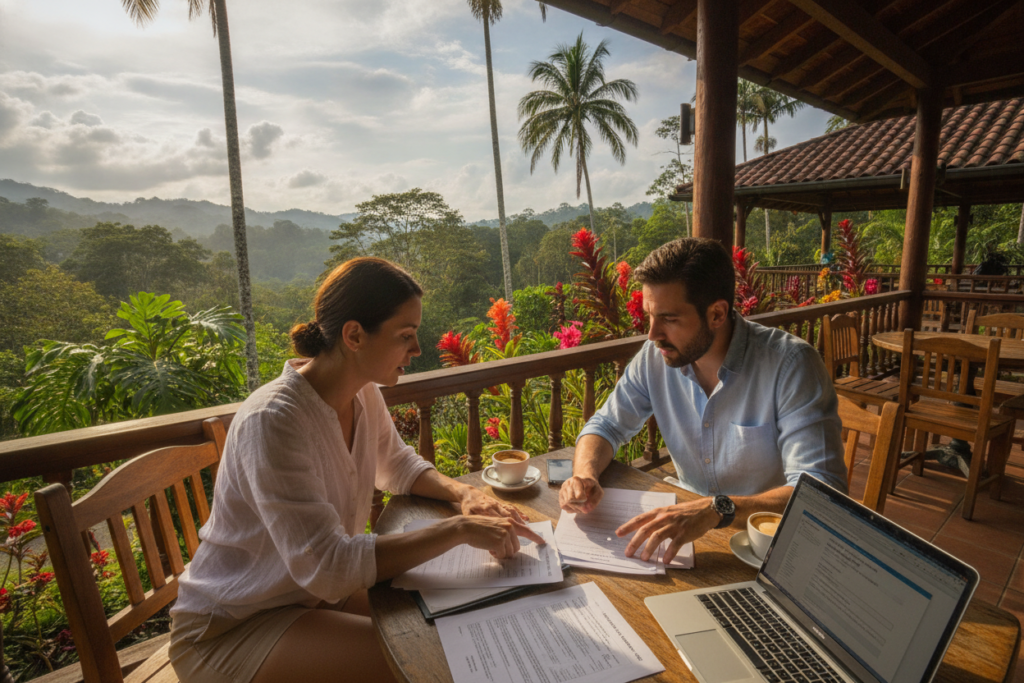
Understanding the connections between your work visa and residency is essential for long-term success. Many individuals use their work permit as a stepping stone toward achieving permanent residence after three years of temporary residence in Costa Rica.
Aligning your initial application with your long-term residency goals is a strategic way to ensure your status in the country remains stable. Once you obtain permanent residence, you gain the right to work for any employer in Costa Rica without needing a separate permit.
We help you understand how your current visa category fits into the broader requirements for transitioning to permanent status in the future. Planning your immigration path with a focus on residency allows you to build a secure and lasting life in this beautiful country.
Ready to Take the Next Step in Your Journey?
Taking the leap to work in a different country is an exhilarating adventure. If you’re ready to embark on this journey, our team at CRIE is here to support you every step of the way.
Each situation is unique, depending on your nationality, family circumstances, and specific requirements. We provide tailored guidance to ensure you understand the necessary documents and processes involved.
For personalized assistance and current pricing information, please reach out to Johanna Alvarez, our CRIE immigration expert. You can contact us via WhatsApp at +506 8373 2085, email us at info@crie.cr, or visit our website at crie.cr.
We are committed to helping you navigate the requirements for your visa or work permit, allowing you to focus on your new life in this vibrant country. Contact us today to discuss your next steps!

FAQ
What documents do we need to apply for a work permit in Costa Rica?
To apply for a work permit, we need to gather several key documents, including a valid passport, proof of employment or job offer, and any necessary translations of these documents. Additional paperwork may include proof of income and health insurance.
How long does the work permit application process take?
The application process typically takes several weeks to a few months, depending on the completeness of our documentation and the efficiency of the immigration office. It’s essential to prepare all required documents to avoid delays.
Can we work in Costa Rica while waiting for our work permit approval?
No, we cannot legally work in Costa Rica until our work permit is approved. It’s crucial to wait for the official approval to avoid any legal issues or complications with our immigration status.
What are the costs associated with obtaining a work permit?
The costs can vary based on the type of permit we are applying for, but we should budget for application fees, translation services, and potential legal assistance if needed. It’s wise to check the latest fees on the immigration website.
Are there any specific health insurance requirements for work permit applicants?
Yes, we must provide proof of health insurance that meets Costa Rican standards. This ensures that we have adequate coverage while residing and working in the country.
What happens if our work permit application is denied?
If our application is denied, we can appeal the decision or reapply after addressing the reasons for denial. It’s advisable to consult with an immigration expert to understand our options and improve our chances of success.
Is there a limit to how long we can hold a work permit?
Work permits in Costa Rica can be temporary or permanent. Temporary permits are usually valid for one year and can be renewed, while permanent permits do not have a time limit. We should be aware of the specific terms of our permit.