
Understanding the legal requirements for working in Costa Rica is crucial for any foreign national. To legally perform professional tasks in this vibrant country, you must obtain the appropriate authorization. The General Immigration Department, known as the Dirección General de Migración y Extranjería, manages the framework for foreign workers.
In this guide, we aim to clarify the various reasons behind work permit denials. By familiarizing yourself with these factors, you can navigate the application process more effectively. Adhering to government regulations is essential for maintaining your immigration status.
Securing your right to work involves careful consideration of your circumstances and your employer’s requirements. Our goal is to help you avoid common pitfalls that can lead to application rejection. With this knowledge, you can approach your transition to Costa Rica with confidence.
Overview of Costa Rica Work Permit Denial Reasons
Navigating the legal landscape for employment in this beautiful country is essential for foreign workers. The Dirección General de Migración y Extranjería is the primary authority that assesses all residency and work-related applications. They apply strict criteria to protect local labor markets.
One crucial point to understand is that a tourist visa does not allow holders to work legally. This distinction is vital for maintaining your legal residence status. A denial of your work permit application can significantly impact your legal status and ability to stay long-term.
Additionally, many applicants may not realize that their immigration history is closely examined during the review process. We must emphasize that residency and work authorization are separate legal concepts, each requiring distinct documentation and approval.
Key Factors Influencing Visa and Immigration Applications
Familiarizing oneself with the important guidelines for working in this enchanting country is crucial for foreign applicants. The Ministry of Labor and Social Security plays a pivotal role in this process. They must confirm that a position could not be filled by a qualified Costa Rican national before approving a work permit.
To ensure a smooth application process, you need to gather essential documents. This includes a valid passport and a police clearance certificate from your country of origin. Submitting complete and accurate documentation is vital, as it is one of the most common reasons for work permit denials.
Every visa category has its unique requirements. We recommend reviewing government guidelines carefully to ensure your application aligns with current standards for foreign employment in Costa Rica.
Resident Eligibility and Immigration History Considerations
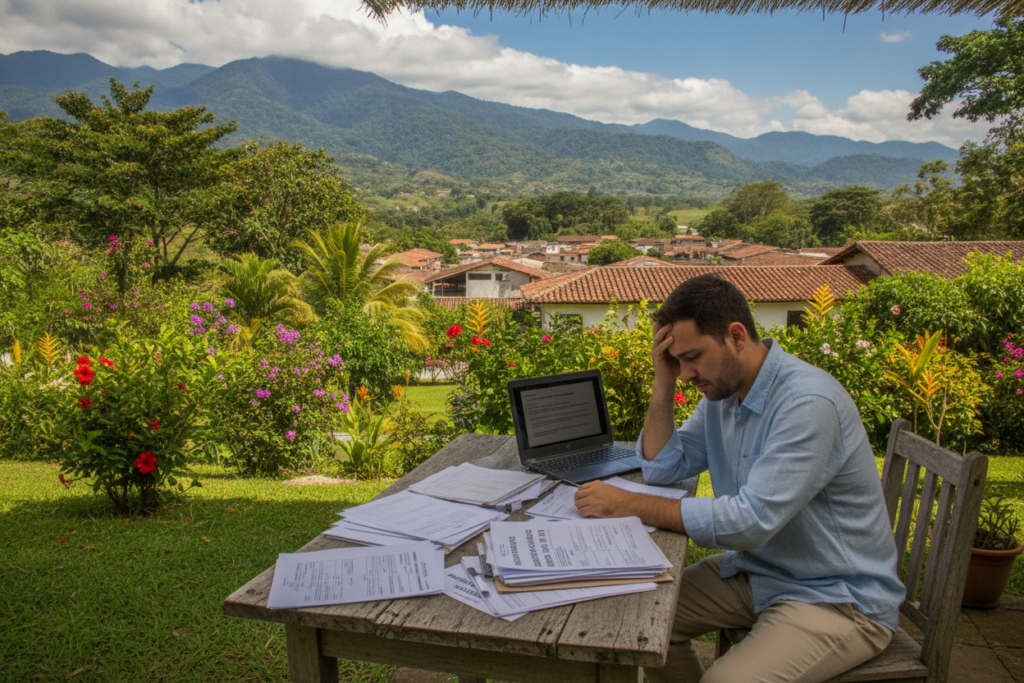
It is vital for applicants to grasp the eligibility criteria for residency and work in this captivating nation. Your immigration history plays a significant role in determining your eligibility for a work permit. Each application is assessed based on your nationality and family situation, which can impact the visa category you qualify for.
After three years of legal temporary residence, you can achieve permanent residency. This status offers greater flexibility, allowing you to work for any employer. However, be cautious: any past issues, such as overstaying a visa, can adversely affect your current application.
We recommend keeping a transparent record of your time spent in Costa Rica. This practice can help you avoid complications during the renewal process. Understanding how your family situation influences your application is crucial, especially for those planning to relocate with dependents. For more detailed guidance, check out our Costa Rica Residency Guide.
Preparing Your Documents for a Successful Application
Preparing your documentation accurately is essential for a smooth application process in this vibrant nation. The right paperwork can make all the difference in securing your work permit.
To start, applicants must ensure their passport is valid and include copies of every page, even the blank ones. This is a crucial requirement from immigration authorities.
Additionally, all official documents, such as birth certificates and police clearances, need to be translated into Spanish and notarized by a qualified professional. Without these steps, your application may face unnecessary delays.
We recommend creating a complete checklist of required documents. Verify this list against the latest government guidelines before submitting your application.
Missing or improperly formatted documents are common reasons for the rejection of an otherwise valid work permit application. Organizing your paperwork well in advance can help ensure compliance with the strict standards set by the immigration office.
Challenges with Work Permit Inspections in Costa Rica
Understanding the challenges of work permit inspections is essential for anyone planning to work in this tropical paradise. The government enforces strict compliance with labor regulations, ensuring that all foreign workers meet the necessary requirements.
The Ministerio de Seguridad Pública mandates that all foreign nationals register their fingerprints upon arrival. This step is crucial for maintaining legal status and compliance with immigration laws.
Employers play a vital role in this process. They must adhere to government regulations to avoid penalties that could jeopardize their ability to sponsor future work permits. Regular audits by the Dirección General de Migración y Extranjería ensure that every work permit holder is working in the capacity they were approved for.
We emphasize that strict compliance with all immigration and labor laws is the best defense against the denial of a work permit application. Understanding the government’s role in monitoring foreign employment helps you stay prepared for any potential inspections or status reviews.
Insights into costa-rica-work-permit-denial-reasons
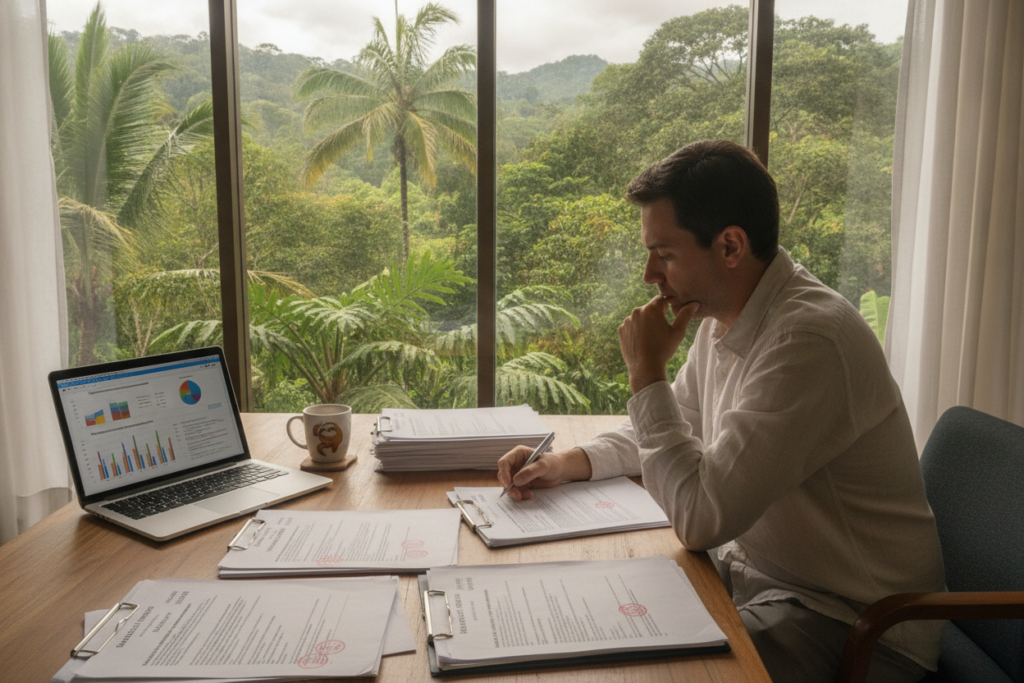
Gaining insight into the factors that lead to work permit denials can significantly improve your application strategy. Many applicants overlook that DGME’s three-month period under Article 27 of the Reglamento de Extranjería only starts once all requirements are met. This oversight can lead to frustration and unexpected delays.
Identifying common patterns in work permit denials can help you proactively address potential issues in your own application. For instance, a frequent reason for denial is the employer’s failure to demonstrate that the position could not be filled by a local worker.
Learning from past cases shows that the most successful applications provide clear proof of the employer’s need for a foreign worker. Additionally, failing to register with the appropriate authorities, like the Ministerio de Seguridad Pública, often results in immediate denial.
Understanding these nuances allows you to anticipate challenges and prepare your documentation with greater precision. Every case is unique, but recognizing these common themes can guide you toward a successful application.
Practical Approaches to Strengthen Your Immigration Application
Crafting a strong immigration application requires careful attention to detail. We must ensure that all information provided by both the employer and employee is accurate. This precision can significantly impact the success of your application.
For over 20 years, CRIE has assisted individuals and families with their residency and immigration needs in Costa Rica. Each case is unique, influenced by nationality, family situation, and immigration history. Personalized guidance is often essential for achieving success.
Johanna Alvarez, our immigration expert at CRIE, can help you understand the specific requirements for your work permit or residency category. Leveraging professional advice ensures that your application aligns with the latest government regulations.
We recommend focusing on the accuracy of your documents. This practice minimizes the risk of a denial during the formal review process. For more insights on common rejection reasons, visit this page.
Strategies for Navigating Residency and Work Permit Challenges
Successfully navigating the residency and work permit landscape requires a proactive approach. Staying informed about the latest immigration updates is crucial. Changes to the Digital Nomad Visa and other categories can significantly impact your application.
CRIE focuses exclusively on residency and immigration services to help you manage your status effectively. The Digital Nomad Visa is a popular option for those who can provide proof of a monthly income of $3,000 or more. For individuals starting a business, the Investor Visa requires a minimum investment of $150,000 USD.
Avoiding frequent pitfalls is vital for your success. Submitting an incomplete form or failing to register with the Costa Rican consulate can lead to unnecessary delays. We remind you that every case is unique, and there is no guarantee that you will never have to leave the country during the process.
Ready to Secure a Successful Work Permit Journey?
The path to a successful work permit application requires careful planning and insight into immigration laws. Securing your work permit in this country is not just about filling out forms; it involves understanding the legal requirements that govern employment.
Working with experienced professionals can make navigating the complexities of the Dirección General de Migración y Extranjería much easier. Whether you are pursuing a temporary residence or a specific work category, having the right support is invaluable.
We encourage you to reach out for personalized guidance to ensure your application is handled with the attention it deserves. For pricing and next steps regarding your residency or work permit, please contact Johanna Alvarez at CRIE for expert assistance.
You can reach CRIE via WhatsApp at +506 8373 2085, by email at info@crie.cr, or by visiting our website at crie.cr.

FAQ
What are the common reasons for work permit denial in Costa Rica?
Common reasons include incomplete documentation, failure to meet job qualifications, and issues with employer compliance. It’s crucial to ensure all requirements are thoroughly met before applying.
How can we improve our chances of a successful work permit application?
To enhance our chances, we should carefully review the application process, ensure all documents are accurate and complete, and consider seeking expert advice if needed.
What documents are typically required for a work permit application?
Required documents usually include a valid passport, proof of employment, and any relevant educational certificates. Additional documents may be necessary depending on the job category.
How long does the work permit application process take?
The application process can take several months, depending on various factors, including the complexity of the case and the current workload of immigration authorities.
What should we do if our work permit application is denied?
If our application is denied, we can request a review of the decision, address any issues highlighted in the denial, and reapply with the necessary corrections.
Are there specific compliance guidelines we should follow during inspections?
Yes, we must adhere to government guidelines, maintain accurate records, and ensure that our employment practices align with immigration regulations to avoid complications.
What role does our immigration history play in the application process?
Our immigration history can significantly impact our application. A clean record with no previous violations can improve our chances of approval.
How can we stay updated on immigration changes that may affect our application?
We can stay informed by regularly checking official government websites, subscribing to immigration newsletters, and following reputable sources that provide updates on immigration policies.