
Studying abroad in Costa Rica offers an incredible opportunity to experience both quality education and the vibrant “pura vida” lifestyle. However, embarking on this journey requires careful planning. Ensuring you meet all legal requirements for your stay is crucial.
Our comprehensive checklist is designed to help students navigate the complexities of the immigration system with confidence. Whether you are pursuing a degree or specialized training, obtaining the correct visa is the foundational step for your academic success.
In this guide, we will outline the essential steps for studying in Costa Rica. By following our advice, you will gain a better understanding of the visa process and how to manage your documentation effectively. Every student visa application is unique, so it’s important to review these requirements thoroughly before submitting your application.
We are committed to making your transition to a new academic environment as smooth as possible. With our practical advice, you can focus on your upcoming educational experience.
Understanding the Costa Rican Student Visa Process
Embarking on your educational journey in Costa Rica involves navigating a well-defined visa process. This journey consists of two main stages that are essential for your stay.
The first step is obtaining a provisional student visa from a Costa Rican consulate before your arrival. This visa allows you to enter the country legally. Once you arrive, you will need to transition to the Permiso de Estudiante, which is the official student permit managed by the local immigration department.
Understanding the role of the Costa Rican consulate is vital, as they handle your initial visa application. The processing time for this provisional visa typically takes about 30 days, so plan your travel schedule accordingly.
It’s important to note that you cannot apply for your student permit while on a tourist visa. You must follow the formal residency path to ensure compliance with immigration regulations.
By coordinating with both the consulate and local authorities, you will streamline your application process and ensure your visa application remains compliant.
Essential Document Checklist for Your Application
Gathering the necessary documents is crucial for your visa application success. To ensure a smooth process, you need to be aware of the key documents required.
Valid Passport and Supporting Photos
Your passport must be valid for at least six months beyond your intended departure date. Additionally, include clear copies of all passport pages, especially the one showing your latest entry stamp into the country.
Proof of School Admission and Financial Documents
A formal acceptance letter from your school is essential. This letter should contain your full name, nationality, and local address details.
Furthermore, you must submit proof of financial funds to show that you can support yourself during your stay. Bank statements or similar documents are necessary to demonstrate your ability to cover living expenses.
Lastly, every student visa application requires a clean criminal background report issued by your home country within the last six months. Organizing all documents in a secure folder can help you stay prepared for your appointment with immigration authorities.
Preparing Your Documents for Apostille and Notarization

Preparing your documents for international travel is a vital step in ensuring a smooth transition. You must ensure that all foreign documents are properly legalized, either through an Apostille stamp or via your nearest Costa Rican consulate.
The process of obtaining an Apostille or consular legalization can take several weeks. Therefore, we advise starting this at least 90 days before your departure. Any document that is not written in Spanish must be accompanied by an official, notarized translation to be accepted by the immigration authorities.
We recommend verifying the specific requirements for each document with the consulate to ensure that your legalization process is completed correctly. Proper preparation of your documents is a time-consuming but necessary step to ensure your application is not rejected by the immigration office.
If you are using a notary for legalization, remember that the document may also require additional certification from the Foreign Affairs Ministry. By dedicating enough time to this phase, you avoid the common pitfalls that often lead to delays in the overall visa application process.
Our team suggests keeping a digital copy of every legalized document as a backup in case you need to provide additional information later. For more detailed information, check our comprehensive checklist.
Key Entry Requirements and Preliminary Steps
The path to studying in Costa Rica begins with understanding the essential entry requirements. Your journey starts with obtaining a formal acceptance letter from an institution recognized by the Ministry of Education, such as the University of Costa Rica.
Once you have your provisional student visa, you typically have a 60-day window to enter Costa Rica before the authorization expires. Upon arrival, an immigration officer will verify your passport, visa, and proof of financial funds to ensure you meet the entry requirements.
Additionally, you must show a return ticket as part of the entry requirements when you arrive at the airport. The provisional student visa serves as your primary authorization to enter the country for the purpose of attending your chosen educational institution.
We advise all students to keep their acceptance letter and visa documents easily accessible in their carry-on luggage during their flight. After you enter Costa Rica, you must register your fingerprints with the Ministry of Public Security in San José to proceed with your permit application.
Meeting these entry requirements is essential for a smooth transition into your life as a student in the country.
Navigating Additional Visa Categories and Residency Options
Exploring different visa categories in Costa Rica can broaden your options for residency. While the student permit is tailored for those pursuing education, other paths exist that may suit your needs.
For instance, the Pensionado category requires proof of a permanent retirement income of at least $1,000 per month. This option is ideal for retirees looking to enjoy the Costa Rican lifestyle.
Alternatively, the Rentista residency option demands a guaranteed income of at least $2,500 per month for two years. Understanding these financial requirements is crucial when considering your immigration path.
It’s important to note that the student permit does not permit work with local employers, unlike some other residency categories. Our team is here to help you compare these options and determine which path aligns best with your long-term goals.
With over 20 years of experience, we provide practical information on the requirements for each category, ensuring you have a clear understanding of your financial obligations.
Overview of the costa-rica-student-visa-document-checklist
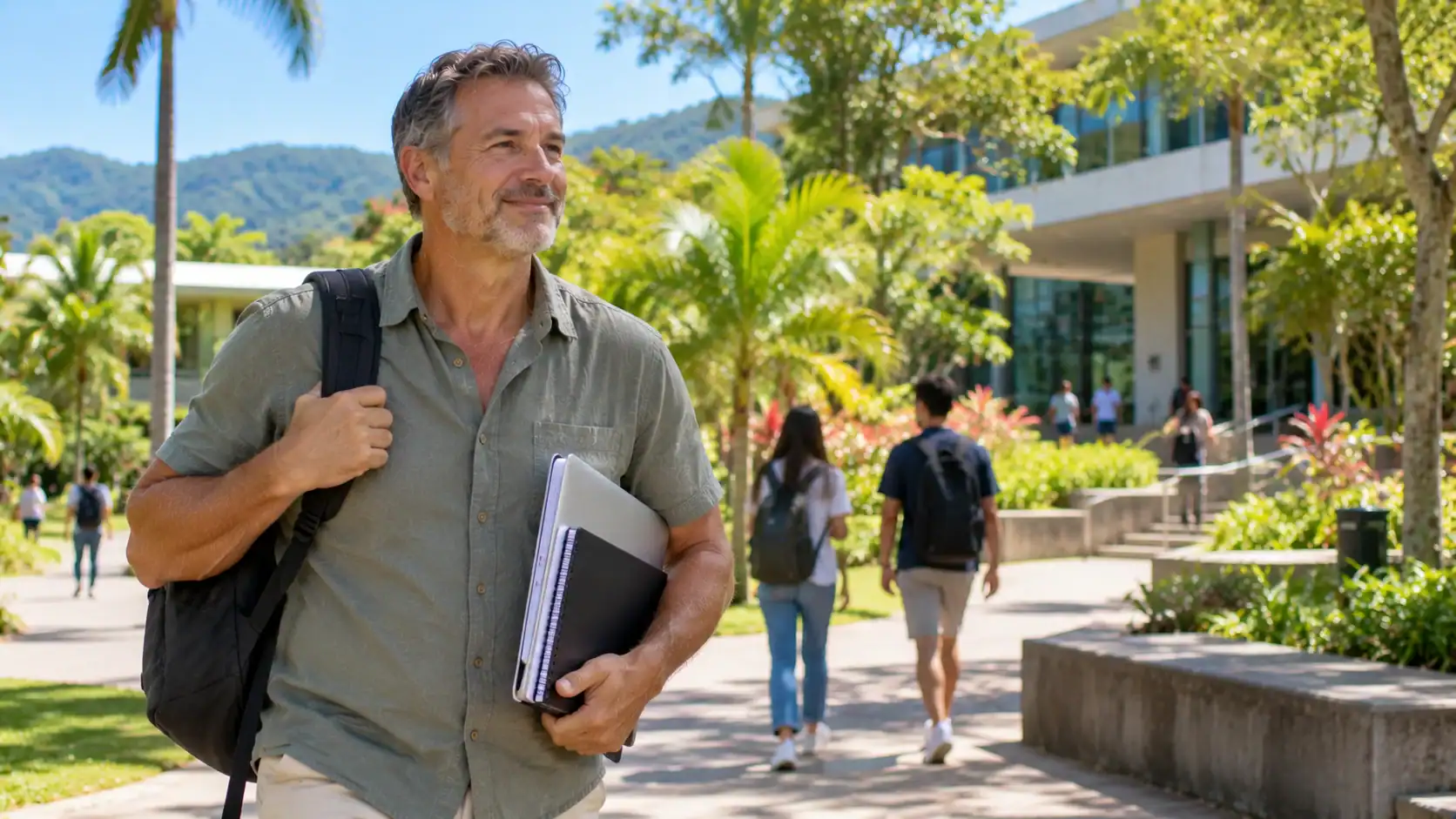
A well-organized approach to your visa application can significantly ease your transition to studying in a new country. Collecting the right documents is essential for a successful student visa application.
Start by ensuring your valid passport is in good condition. You should have high-quality copies of every page, as these will be necessary for your submission.
Every document not written in Spanish must be translated by an official translator and notarized. This is crucial for validation by the immigration office.
We recommend creating a master file for your checklist. This will help you track your progress and ensure nothing is overlooked.
If you are in San José, consider coordinating with local professionals. They can help ensure your translations meet the strict standards of the immigration department.
Accurate organization of your documents will simplify the visa application process. Remember, even a small error can lead to delays or rejections.
By following this structured approach, you will be well-prepared to submit a complete and accurate visa application to the relevant authorities.
Timeline, Deadlines, and Avoiding Common Errors
Understanding the timeline and deadlines is crucial for a successful visa application. After submitting your provisional student visa request, you should allow about 30 days for the initial processing time by the consulate. Once your visa is approved, you have a firm 60-day deadline to enter Costa Rica. Failing to do so will require a new application.
A common error is allowing your tourist status to expire before you have successfully filed your student permit application with the immigration office. Upon arrival, you must prioritize your fingerprint registration at the Ministry of Public Security in San José to keep your application on track.
We advise students to monitor their deadlines closely, as the immigration department is strict regarding the validity of your entry documents. If you are studying at an institution like the University of Costa Rica, ensure your school is aware of your arrival and permit status.
Avoiding common errors, such as missing the entry window, is essential for maintaining your legal status while you are in the country. Always verify the latest processing times and requirements at migracion.go.cr to ensure your information is current and accurate.
Resources for Staying Updated on Immigration Requirements
Staying informed about immigration policies is essential for students planning to study abroad. The official website for the Dirección General de Migración y Extranjería, migracion.go.cr, is the primary resource for all current immigration requirements.
We encourage all students to regularly check this site to ensure they have the most up-to-date information regarding their visa application. It is also important to verify that your chosen educational institution is officially recognized by the Ministry of Education to qualify for a student permit.
Maintaining proof of your financial funds is an ongoing requirement. Be prepared to provide updated documents if requested by officials. Our guide is intended to supplement official information, but you must always prioritize the rules published by the government on their official portal.
If you have questions about specific document requirements, the immigration department’s website provides detailed forms and guidelines for your convenience. Staying informed about changes in immigration policy will help you avoid unexpected issues during your stay in the country.
We recommend bookmarking the official government website to easily access the latest updates on visa application procedures and residency rules.
Wrapping Up Your Journey to Studying in Costa Rica
Taking the step to study in a foreign land requires thorough preparation and dedication. Your journey to studying in Costa Rica is rewarding, but it demands careful attention to detail.
Keep in mind that your student permit is linked to your enrollment at a recognized university and does not allow local employment. We hope this guide has clarified the visa application process and helped you prepare for your academic adventure.
Every case is unique, depending on your nationality and personal history. We recommend seeking personalized guidance to meet your specific needs.
For pricing and next steps, please contact Johanna Alvarez, our CRIE immigration expert. You can reach her via WhatsApp at +506 8373 2085, email at info@crie.cr, or visit our website at crie.cr. We are here to support you throughout your transition and look forward to helping you achieve your educational goals.
FAQ
What documents do we need to apply for a student visa?
We need a valid passport, proof of school admission, financial documents, and recent passport-sized photos.
How long does it take to process the student visa?
The processing time can vary, but we should expect it to take several weeks. It’s best to apply well in advance of our intended arrival.
Do we need to get our documents notarized?
Yes, certain documents may require notarization and apostille to be accepted by Costa Rican authorities.
Can we enter Costa Rica on a tourist visa while waiting for our student visa?
Yes, we can enter on a tourist visa, but we must apply for the student visa before our tourist visa expires.
What is the minimum financial requirement for the student visa?
We need to provide proof of sufficient funds to cover our living expenses while studying, typically around
FAQ
What documents do we need to apply for a student visa?
We need a valid passport, proof of school admission, financial documents, and recent passport-sized photos.
How long does it take to process the student visa?
The processing time can vary, but we should expect it to take several weeks. It’s best to apply well in advance of our intended arrival.
Do we need to get our documents notarized?
Yes, certain documents may require notarization and apostille to be accepted by Costa Rican authorities.
Can we enter Costa Rica on a tourist visa while waiting for our student visa?
Yes, we can enter on a tourist visa, but we must apply for the student visa before our tourist visa expires.
What is the minimum financial requirement for the student visa?
We need to provide proof of sufficient funds to cover our living expenses while studying, typically around $1,000 per month.
Is it necessary to have health insurance while studying in Costa Rica?
Yes, having health insurance is mandatory for all international students in Costa Rica.
What happens if our documents are not in Spanish?
We must have our documents translated into Spanish by a certified translator for them to be accepted.
Can we work while studying in Costa Rica?
Generally, student visa holders are not allowed to work, but we should check specific regulations with our educational institution.
,000 per month.
Is it necessary to have health insurance while studying in Costa Rica?
Yes, having health insurance is mandatory for all international students in Costa Rica.
What happens if our documents are not in Spanish?
We must have our documents translated into Spanish by a certified translator for them to be accepted.
Can we work while studying in Costa Rica?
Generally, student visa holders are not allowed to work, but we should check specific regulations with our educational institution.