We specialize in guiding individuals through the legal path to living in this beautiful nation. This guide provides clear, step-by-step information.
Our role is to prepare you thoroughly. Success often begins with meticulous preparation in your home country long before you arrive.
One specific step, the biometric appointment, is a mandatory in-country requirement. Understanding its place in your timeline is crucial for a smooth application.
We’ll explain the entire procedure, from document gathering to final submission. This includes the three main categories: Pensionado, Rentista, and Inversionista.
Our information is verified against official sources. We build trust through honest, realistic guidance every step of the way.
Understanding the Costa Rica Residency Journey and Fingerprint Process

We break down the official options—Pensionado, Rentista, and Inversionista—to clarify the foundational choices for your application. Each path has defined financial thresholds set by immigration law.
Overview of Residency Categories and Their Spanish Labels
The Pensionado category requires proof of a lifetime pension of at least US$1,000 monthly. The Rentista option demands evidence of US$2,500 in stable monthly income for two years.
For the Inversionista route, a minimum US$150,000 investment is needed. A critical, often overlooked rule is that the asset must be held in your personal name, not a corporate entity.
It’s vital to address a common misconception. A Digital Nomad visa allows a temporary stay but is not a residency category. It does not lead to permanent status or citizenship.
Why Begin with Fingerprint Requirements?
Your journey involves two distinct phases. The first is home-country preparation, like obtaining apostilles and an FBI check. The second phase occurs after you enter the country.
Fingerprinting is a mandatory in-country step for background verification purposes. Discussing it early helps you plan your travel timing correctly. You shouldn’t arrive before your documentation is fully prepared.
The process is multi-jurisdictional. You will work with U.S. authorities, the U.S. Embassy here for consular registration, local police, and Costa Rican immigration. We help coordinate this complex timeline so everything aligns for your appointment.
Step-by-Step Guidance for Meeting Residency Requirements

Successful applicants understand that preparation begins long before setting foot in the country. We provide clear steps to qualify and gather your paperwork correctly.
Who Qualifies? (Pensionado, Rentista, Inversionista)
The Pensionado path requires proof of a guaranteed $1,000 monthly pension. Rentista applicants must show $2,500 in stable monthly income for two years.
For the Inversionista category, a minimum $150,000 investment is needed. A key rule: the asset must be held in your personal name, not a corporate entity.
Preparing Documents: Apostilles, Translations, and Essential Paperwork
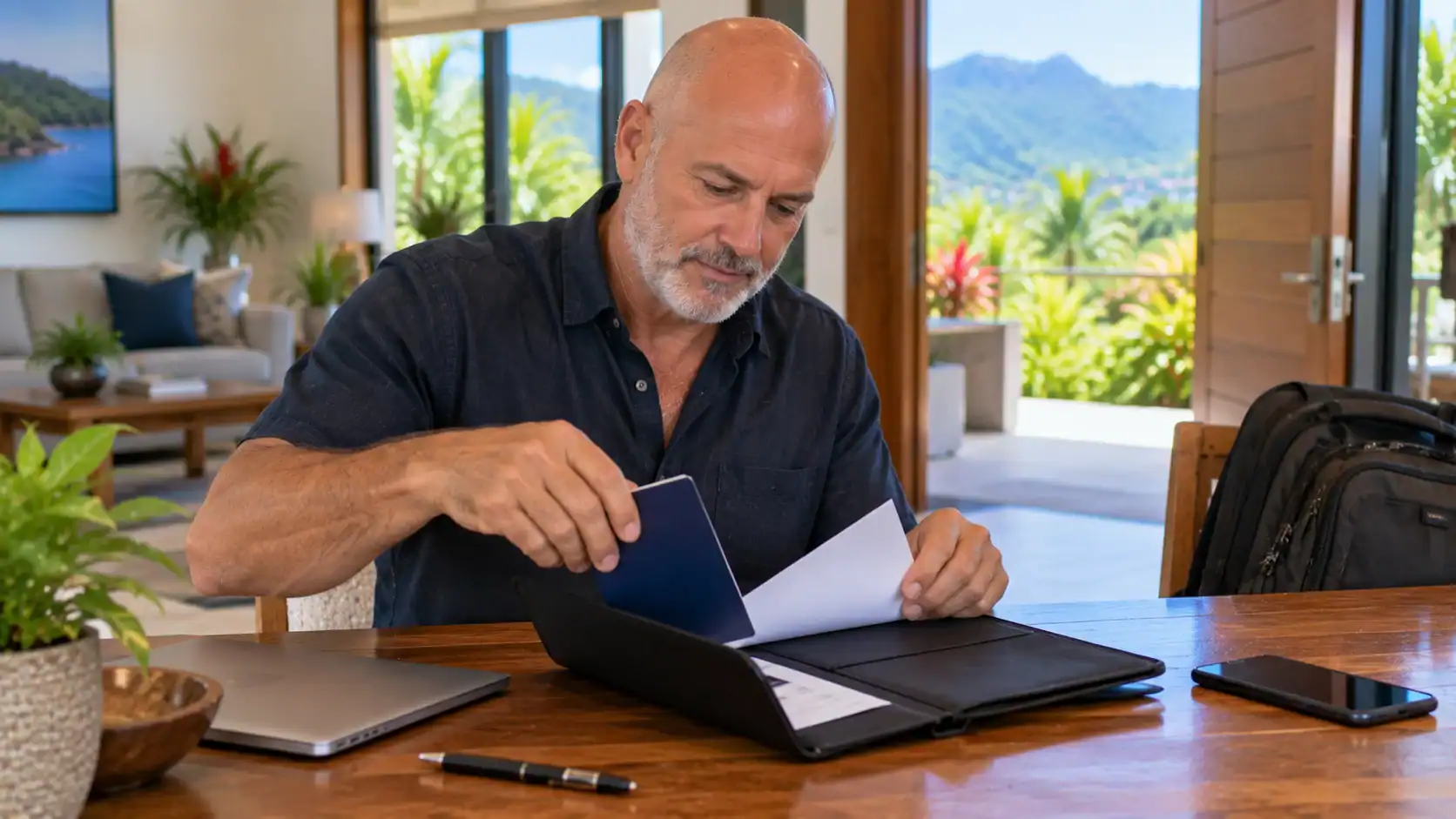
Every U.S. document needs an apostille from the authority where it was issued. This includes your FBI background check and birth certificate.
The U.S. Embassy here does not provide this service. All English paperwork also requires an official Spanish translation.
Setting Your Timeline from Home
Start this process 3 to 4 months before you plan to submit. Getting apostilles and a background check can take 8-12 weeks.
You must also complete consular inscription with the U.S. Embassy. This involves STEP enrollment and a notarial appointment.
Have every document ready before you travel. This is especially important for family applications. Always verify final details at the official immigration website.
Costa Rica Residency Fingerprint Requirements
Securing a slot for this mandatory step involves navigating a unique and often unpredictable scheduling system. You must appear in person at the designated police station in San José.
Scheduling Your Fingerprint Appointment at the Local Police Station
Availability is released in small batches. The station posts just a few days of slots each week for the following week.
This means you cannot book far in advance. It requires patience and flexible travel plans. We advise monitoring closely once your other paperwork is ready.
An applicant should build buffer time into their timeline. The station is located in front of Central Park.
What to Bring and How to Prepare on the Day
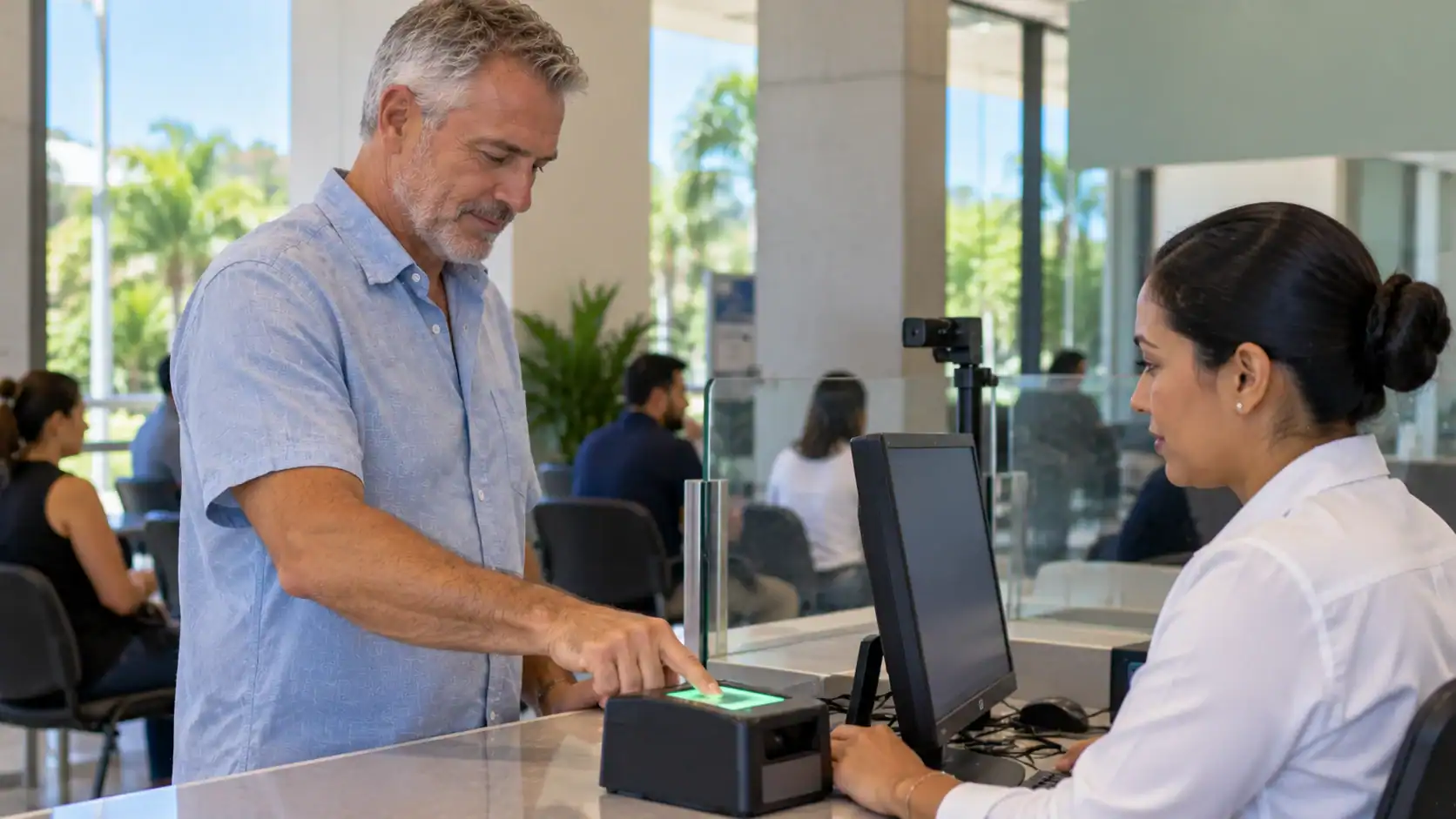
Arrive at least 15 minutes before your scheduled time. Bring your valid, current passport. This is the only essential document.
A staff member will complete a form with your details. This helps overcome any language barriers during the process.
The procedure uses traditional ink. Your fingers will be inked and pressed onto the official record.
This is a standard part of the background check requirements. The entire visit typically takes 20 to 35 minutes.
You will receive a small paper receipt upon finishing. Guard this slip carefully. It is your proof of completion and must be included with your final documentation.
Avoiding Common Pitfalls and Managing Timelines in the Process
Many hopeful individuals encounter avoidable setbacks that can delay their approval by months. We help you steer clear of these errors with transparent, reality-based guidance.
Common Mistakes to Avoid During Your Application
The most frequent error is arriving without fully prepared, apostilled paperwork. This forces a difficult choice: return home or navigate slow mail processes for missing items.
For investment routes, remember the asset must be in your personal name. A corporate holding requires costly restructuring before you can apply.
Do not confuse a temporary Digital Nomad visa with a permanent residency path. They are separate programs with different long-term implications.
Time your FBI background check request carefully. It must be recent upon submission, so requesting it too early or too late creates bottlenecks.
Also, complete the apostille on your original documents before having them translated. Using an unapproved translator will result in rejection.
Understanding Processing Timelines and Next Steps
Plan for a total timeframe of 12 to 18 months from start to finish. Home-country preparation typically takes 3 to 4 months.
In-country steps, including your biometric appointment, add another 1 to 2 months. Final approval by authorities often takes 6 to 12 months after submission.
Delays can occur due to incomplete files or shifts in government processing. Always maintain your legal tourist status throughout the entire period.
For families, each member adds documentation like marriage and birth certificates. Children born locally may have dual citizenship considerations.
We advise verifying the latest information directly with official sources as you near each step.
Final Steps to Secure Your Residency and Next Moves
After completing the in-person biometric step, your file enters the official review queue. Authorities will verify all your documents, cross-reference background checks, and confirm financial qualifications.
This review typically takes several months. Successful applicants receive notification to finalize their status and obtain a DIMEX card.
Legal status provides access to healthcare and a pathway to future citizenship. It requires maintaining your qualifications and timely renewals.
Your situation is unique. We provide personalized guidance for your specific goals.
Contact us via WhatsApp at +506 8706 3888 or email info@crie.cr. For current official information, always verify details at the Costa Rican immigration website.
FAQ
What are the main residency categories for applicants?
The primary paths are Pensionado for retirees with a stable pension, Rentista for those with guaranteed income, and Inversionista for individuals making a significant financial investment in the country. Each category has specific financial requirements you must prove.
Why is the background check such a crucial first step?
The fingerprint-based criminal record review is a mandatory part of your application. Immigration authorities require this check from your home country and any other nation where you’ve lived recently. Starting this early is wise, as obtaining the official, apostilled document can be the most time-consuming part of gathering your paperwork.
How long does the entire application process typically take?
A> From document preparation to final approval, you should anticipate a process lasting several months to over a year. Government processing times can vary. We always advise clients to build a buffer into their personal timeline and submit their complete dossier as early as possible to avoid issues with their legal entry period.
What are the most common errors people make with their documents?
Frequent mistakes include submitting documents without the required apostille or official translation into Spanish, providing financial proof that doesn’t meet the minimum duration requirements, and letting passports or other crucial papers expire during the lengthy review period. Meticulous attention to these details prevents delays.
What happens after I submit my application and fingerprints?
Following submission, your case enters the government’s review queue. You will receive a file number for tracking. The next major step is awaiting the formal resolution from immigration. Once approved, you must then obtain your government-issued foreigner ID card, known as the DIMEX, which is your official proof of status.
Article by Glenn Tellier (Founder of CRIE and Grupo Gap)
Don't wait, contact us right now!
Call or WhatsApp Costa Rica +506 8373 2085 or +506 8706 3888
Call USA/Canada +1 305-906-6784