
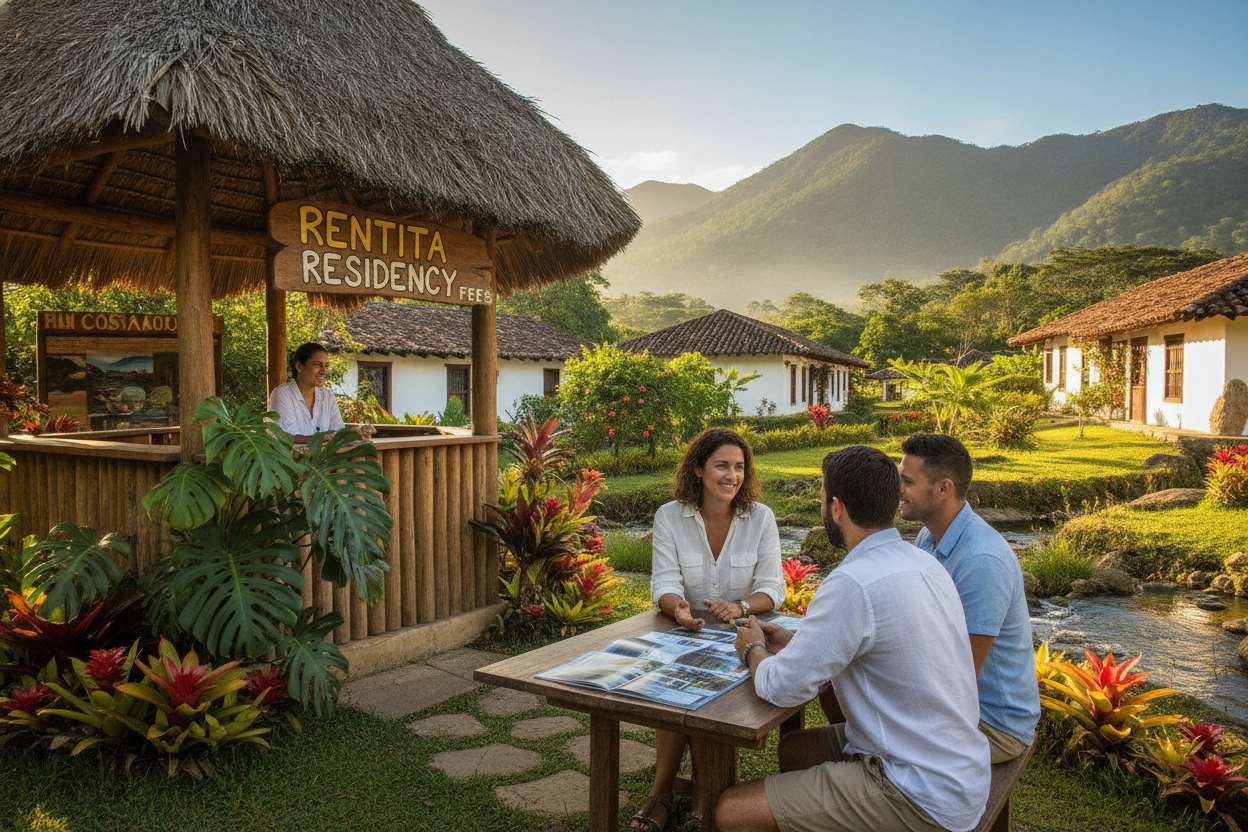
Welcome to our comprehensive guide on the residency process in this beautiful Central American nation. For over 20 years, we have helped individuals and families navigate the complexities of immigration. Our mission is to empower you with the knowledge needed to make informed decisions about your move.
Navigating the landscape of residency requires a clear understanding of the financial and legal requirements set by the government. We aim to provide practical and educational content, ensuring you grasp the nuances of the process without confusion.
This guide will give you a detailed look at the essential aspects of residency, including the financial commitments involved. We are here to support you every step of the way as you consider making this vibrant country your new home.
Understanding Rentista Residency in Costa Rica
Understanding the nuances of residency options in this enchanting country is essential for potential newcomers. The Rentista residency program is tailored for individuals who can show a steady income from investments or personal savings.
This residency category is distinct from the Pensionado program, which caters exclusively to retirees. It provides a flexible route for younger expats and entrepreneurs eager to settle in this vibrant locale.
Grasping the core requirements of Rentista residency is your first step toward embracing the local culture and the pura vida lifestyle. This program allows you to enjoy the benefits of living in this beautiful nation without being tied to a local job.
By choosing this path, you commit to a residency status that values financial stability and long-term dedication to the country’s development.
Eligibility and Income Requirements for Rentista Residency
Exploring the eligibility criteria for residency in this captivating nation is crucial for those looking to make a move. To qualify for the Rentista program, applicants must demonstrate a stable monthly income of at least $2,500 USD for a minimum period of two years.
The government requires clear proof that your income is permanent and stable. This ensures that you can sustain your lifestyle while living in Costa Rica.
One common method to meet these requirements is by establishing a $60,000 USD certificate of deposit within the local banking system. This deposit acts as a financial guarantee, allowing you to withdraw the necessary funds to cover your living expenses during your residency period.
We always advise our clients to carefully review their financial documentation. Ensuring it meets the strict standards set by the immigration authorities is essential for a smooth application process.
The Financial Proof Methods for Rentista Residency
Financial proof is a crucial step in securing your residency in this vibrant country. There are two primary methods to demonstrate your income stability, which is essential for your application.
Local Bank Letter Option
You can satisfy the financial proof requirements by obtaining an official letter from a local bank. This letter must confirm that you will receive a stable monthly income of at least $2,500 USD. Such documentation assures the authorities of your financial capability.
Investment Income and CPA Certification
If your income comes from foreign investments, a CPA certification from a professional registered in Costa Rica can validate your passive income sources. These methods provide a structured way to prove your financial standing.
We assist our clients in coordinating with local professionals to ensure that all financial documentation is prepared according to the latest immigration standards. By providing verifiable proof of your income, you demonstrate to the authorities that you are prepared to support yourself throughout your stay in the country.
Detailed Overview of costa-rica-rentista-residency-fees
Budgeting for your transition to a new life in this tropical paradise involves understanding various financial aspects. A clear grasp of the residency fees is vital for planning your move.
Official government fees for filing and approval typically range between $400 and $600 USD. This amount may vary depending on your specific family situation.
Beyond these government costs, there are additional expenses to consider. These include document authentication, official translations into Spanish, and potential courier services for your paperwork.
We highly recommend budgeting for professional assistance. This ensures that every document is handled correctly, helping to prevent costly delays or application rejections.
By planning for these additional costs, you can create a smoother and more predictable experience as you navigate the immigration process in this beautiful country.
Step-by-Step Rentista Residency Application Process

The journey to securing residency in this vibrant nation involves several key steps. Understanding these steps can help streamline your experience and reduce stress.
First, the application process begins with the meticulous collection of all required documents. These documents must be properly apostilled and translated before submission in Costa Rica.
Document Collection and Filing
Once your documents are ready, you will schedule an appointment with the immigration office. Here, you will submit your file and provide your biometric data, including fingerprints and photos.
Submission and Follow-Up Procedures
Upon successful submission, you will receive a receipt that serves as your legal proof of pending status. This allows you to remain in the country while your residency application is being processed.
We guide our clients through every step of this process. Staying organized during the application process is the best way to ensure a smooth transition to becoming a resident.
Important Documents and How to Prepare Them
Gathering the right documents is a vital step in the residency process. Every document you submit must be current and properly prepared. For instance, all foreign documents must be issued within the last six months to be valid.
Apostille certification is required for documents from countries part of the Hague Convention. This ensures that your paperwork is legally recognized in Costa Rica. Additionally, any document not issued by a government authority must be notarized by a local notary public before authentication.
We emphasize the importance of using official translators in Costa Rica. This guarantees that your documents meet the strict language requirements of the immigration office. By carefully preparing each document, you significantly increase the likelihood of a smooth and successful review by the immigration authorities.
Navigating Background Checks and Legal Formalities
Before you can call this beautiful country home, you’ll need to complete important legal formalities related to your residency. A crucial part of this process is obtaining a clean criminal background check from your last place of residency. This step ensures that you meet the safety standards required by the authorities.
These background checks are mandatory and must be submitted alongside your other essential legal documents. Timing is important, as these records are only valid for six months. Expired documents will not be accepted, so be mindful of when you request them.
Maintaining high standards for your legal documentation is vital. Any inconsistency can lead to unnecessary delays in your overall residency application process. Our team helps you coordinate these requirements, ensuring that your background checks and other legal papers align perfectly with current immigration regulations.
Comparing Rentista With Other Residency Options
When contemplating a new home in this vibrant country, comparing residency options is key. Each program has unique requirements and benefits that cater to different lifestyles and financial situations.
Pensionado Versus Rentista
The Pensionado program is designed for retirees, requiring a lifetime pension of at least $1,000 USD from a recognized institution. In contrast, the Rentista residency is ideal for those with passive income sources. This flexibility allows younger expats to enjoy life without the need for a local job.
Investor Path Considerations
For those looking to invest, the Investor residency path requires a minimum investment of $150,000 USD in a local business or property. This option can be attractive for individuals eager to contribute to the economy while securing their residency.
We help you evaluate these different paths, ensuring that you select the category that best aligns with your personal circumstances and future plans. Understanding the differences between these programs allows you to make a confident decision as you prepare for your move to this beautiful country.
Impact of Residency on Living in Costa Rica
Embracing residency in this vibrant locale opens doors to a fulfilling and enriching lifestyle. Almost 70,000 Americans currently call this beautiful country home, drawn by its political stability and high quality of life.
As a resident, you gain access to the national healthcare system and the opportunity to immerse yourself in the local culture. Costa Rica is renowned for its commitment to environmental protection, consistently ranking high in the Environmental Performance Index.
While there are some restrictions on work depending on your residency category, the overall quality of life remains a major draw for many international expats. We encourage our clients to embrace the local lifestyle, as becoming a resident is the first step toward truly integrating into the vibrant Costa Rican society.
Managing Expectations During the Application Process
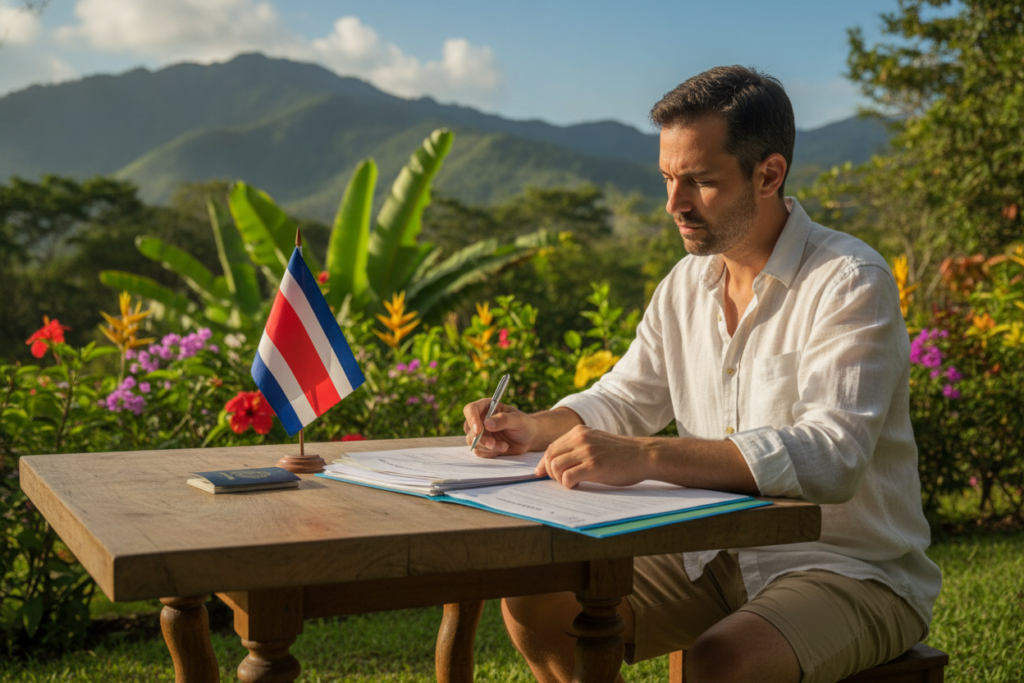
Navigating the residency application process requires a careful balance of patience and preparation. The timeline for processing can vary greatly based on the volume of applications being reviewed by the authorities.
Managing your expectations is crucial, as the residency application process can take several months. We advise our clients to remain patient and flexible, as immigration authorities in Costa Rica follow a thorough review process for every file.
Many successful applicants recommend arriving on a tourist visa. This allows you to settle in and prepare your application with professional guidance.
Understanding that the process is a marathon rather than a sprint will help you stay focused on your long-term goal of living in the country. Our team provides consistent updates throughout the application process, keeping you informed and prepared for each stage of your residency journey.
Key Insights on Costa Rica Immigration Processes
Gaining insights into the immigration process in this vibrant country can greatly enhance your transition. The timeline for obtaining residency typically spans between 6 and 12 months after submitting all necessary documents.
Our firm has maintained an impressive approval rate of around 99%. This success stems from our commitment to precision in meeting all requirements.
However, applicants often face challenges, particularly due to incomplete documentation. To address this, we recommend working with a specialized attorney who can manage your file effectively.
By anticipating potential obstacles, we help you avoid unnecessary delays. Our extensive knowledge of the immigration system allows us to provide accurate insights into what to expect during your transition.
Preparing for Legal and Financial Consultations
Navigating the legal and financial landscape of residency applications requires careful planning and expert advice. Establishing a clear client-attorney relationship is essential for receiving personalized legal guidance tailored to your unique situation.
Preparing for your legal and financial consultations is a vital step in ensuring that your residency application is built on a solid foundation. Expert guidance matters because the immigration system in this region is nuanced and requires a deep understanding of both legal and financial regulations.
We help you structure your business and personal finances to meet the criteria for your chosen residency category without confusion. During our consultations, we review your personal situation to identify the most strategic path forward for your long-term goals in the country.
By working with us, you gain the clarity and confidence needed to navigate the complexities of the immigration process with ease and professionalism.
How CRIE Supports Your Residency Journey
Our team is dedicated to guiding you through the intricacies of residency in this beautiful country. For over 20 years, CRIE has supported individuals and families as they navigate the immigration process to move to Costa Rica.
We provide specialized services focused exclusively on residency and immigration. This ensures that your application is handled with the utmost care and expertise.
If you are ready to discuss your specific situation, please reach out to Johanna Alvarez, our immigration expert. She can provide personalized guidance and pricing information.
You can contact us via WhatsApp at +506 8706 3888, send an email to info@crie.cr, or visit our website at crie.cr to learn more.
Our team is here to simplify your journey, helping you manage the legal and financial aspects of your move so you can focus on your new life.
Common Pitfalls to Avoid in Residency Applications
When applying for residency, avoiding common mistakes can significantly streamline your experience. Many applicants face challenges that can delay their applications or even lead to rejection.
One of the most frequent issues is incomplete documentation. Missing or improperly prepared documents can cause significant delays in the residency application process. It’s essential to ensure that all required documents are submitted accurately.
Another common mistake is misinterpreting income verification requirements. This can lead to the rejection of your application. Professional oversight can help clarify these requirements, ensuring that your proof of income meets the necessary standards.
- Ensure your documentation is complete and accurate before submission.
- Provide the correct proof of income that aligns with legal standards.
- Identify potential red flags, such as name inconsistencies or expired background checks.
- Consult with professionals to avoid misinterpretation of income verification requirements.
- By staying vigilant and working with our team, you can keep your residency application on the right track.
For more information on common document mistakes, visit this resource.
Embracing Your New Life in Costa Rica
Your new life in this captivating country awaits you as soon as your residency application is approved. Embracing this journey is exciting and full of possibilities.
The country offers a perfect blend of lush landscapes and modern conveniences. This makes it an ideal home for those seeking a high quality of life.
As a resident, you can contribute to the local community and enjoy the pura vida lifestyle that makes this nation unique. We are proud to have assisted many individuals in making this transition.
If you are ready to start your journey, please contact CRIE today for personalized guidance and pricing tailored to your specific situation.
FAQ
What is Rentista Residency?
What are the income requirements for Rentista Residency?
How can I prove my income for the application?
What are the government fees associated with Rentista Residency?
Are there additional costs to consider during the application process?
What documents do I need to prepare for the application?
How long does the application process take?
What are common challenges faced during the application?
How does Rentista Residency compare to other residency options?
What lifestyle benefits come with Rentista Residency?
Article by Glenn Tellier (Founder of CRIE and Grupo Gap)
Don't wait, contact us right now!
Call or WhatsApp Costa Rica +506 8373 2085 or +506 8706 3888
Call USA/Canada +1 305-906-6784