
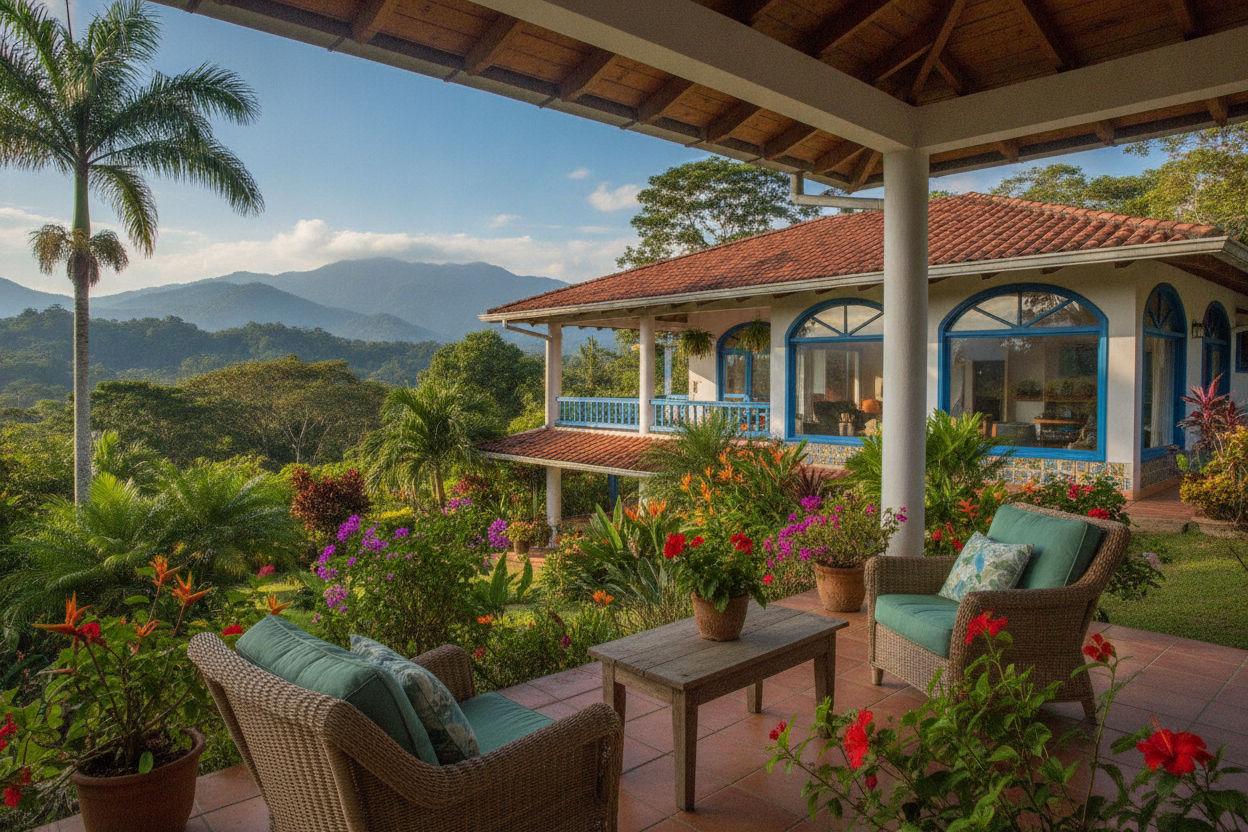
Are you considering a move to a sunny and welcoming destination? The Pensionado program offers a structured pathway for retirees to establish a new home in a vibrant country. This program is designed to provide foreign nationals with the opportunity to enjoy a high quality of life.
Many retirees find that this beautiful nation is an ideal place to settle down. With its rich biodiversity and friendly culture, it’s no wonder that people are drawn to its shores. By obtaining residency, you can enjoy numerous benefits that make exploring the region easier.
Our guide will delve into how this specific residency category supports your long-term goals for a comfortable retirement. We will also focus on practical steps to transition your life to a country known for its commitment to sustainability and natural beauty.
Understanding Costa Rica Pensionado Residency
Are you ready to embrace a new lifestyle in a tropical paradise? The Pensionado residency program is designed for retirees who seek to enjoy a fulfilling life in a beautiful country. To qualify, applicants must demonstrate a guaranteed lifetime pension income of at least $1,000 per month.
This residency status offers numerous benefits, including access to the national healthcare system. Additionally, you will need to provide a formal certificate from a government or private institution as proof of your stable retirement income. All foreign documents must be apostilled or legalized for local recognition.
Once approved, you can open a bank account, allowing you to manage your finances efficiently. After three years of temporary residency, you may apply for permanent residency, which can reduce restrictions on your business activities. This program is a popular choice for retirees from various countries looking for a high-quality lifestyle.
Benefits and Travel Perks of Pensionado Residency
Imagine living in a country where your retirement dreams can flourish. The Pensionado residency program provides several attractive benefits that make life easier for retirees. One major perk is the ability to import household items and up to two vehicles without incurring standard import taxes. This can lead to significant savings as you transition to your new home.
Additionally, access to the Caja Costarricense de Seguro Social ensures that you have reliable healthcare coverage. This public healthcare system is a vital aspect of your residency status, allowing you to focus on enjoying your new lifestyle.
The program also offers flexible travel options. You are not required to reside in the country full-time to maintain your legal standing. However, it’s essential to ensure that your pension retirement income remains consistent, as this is crucial for your eligibility.
Moreover, the government permits you to own a business or earn passive income from abroad while holding this temporary status. This flexibility can enhance your financial lifestyle and provide more options for enjoying your retirement.
For more information on how to make the most of your retirement in this beautiful country, check out our guide on exploring the benefits of retiring to Costa.
costa-rica-pensionado-residency-unlock-the-travel-perks
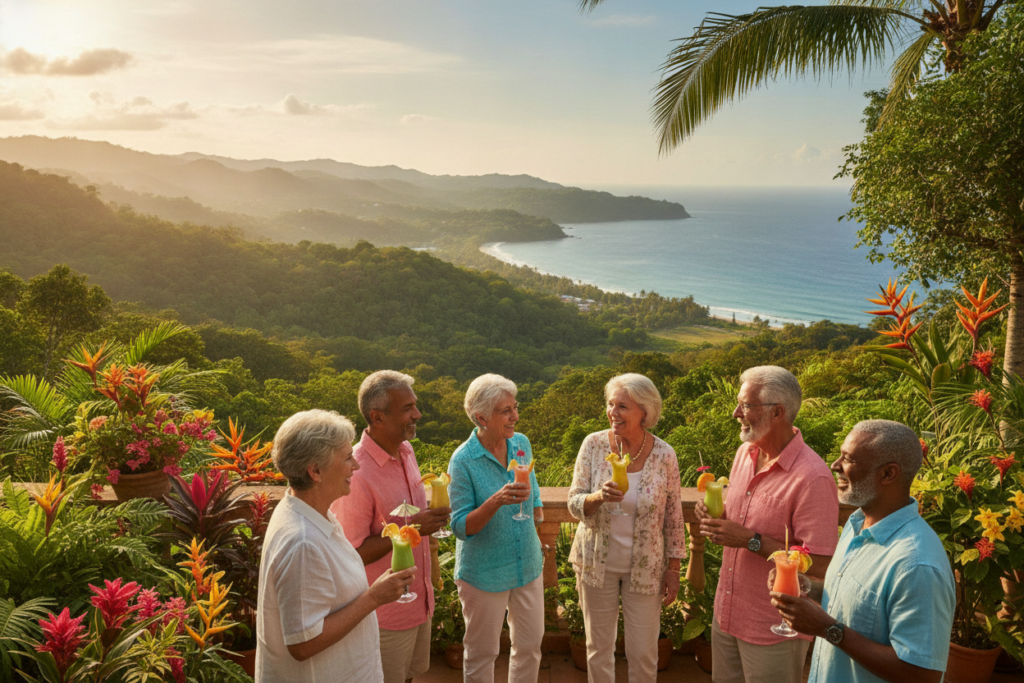
Picture yourself enjoying the freedom to travel while calling a vibrant country your home. Holding a valid DIMEX card allows you to move through immigration checkpoints with the same ease as a local resident. This residency status simplifies your travel plans, freeing you from the constraints of standard tourist visa limits.
Many retirees take advantage of this flexibility to visit family abroad while maintaining their primary residence in the Central Valley. The government recognizes your status, making interactions with local authorities smoother during your stay.
Moreover, you can manage your pension income and bank account from anywhere, as long as you meet the annual visit requirement to keep your status active. Enhanced mobility is a key feature for those wanting to enjoy the lifestyle of Costa Rica without sacrificing their ability to travel. Securing your residency provides peace of mind, ensuring you have the legal right to return home whenever you wish.
Step-by-Step Application Process for CRIE Clients
Embarking on a new adventure in a picturesque country is an exciting prospect. The application process for residency in Costa Rica is straightforward when you know what to expect. We begin by gathering essential documents, including your birth certificate and a police clearance report from your home country.
It’s wise to start preparing these documents early. Apostilles and translations can take time, so plan ahead. Once you submit your application to the Dirección General de Migración y Extranjería, processing typically takes between 3 to 6 months.
During this time, you must provide proof of your pension income to meet the government’s requirements. After approval, you will receive your DIMEX card, the official residency ID used for accessing local services.
Renewing your residency status is also straightforward. You will need to show that you still meet the income requirements and are current with your healthcare payments. Our team at CRIE specializes in immigration services, ensuring your paperwork is handled with care.
We guide you through every step, from the initial document review to the final registration with the national healthcare system. For more details on the renewal process, check out our article on renewing your residency.
Navigating CRIE’s Residency and Immigration Expertise
Transitioning to a new life in a tropical setting can be both exciting and rewarding. At CRIE, we have dedicated over 20 years to helping individuals and families successfully navigate the immigration process in Costa Rica.
Our team understands the complexities of the local system. We provide practical guidance to ensure your application meets all current government requirements. Our experience allows us to anticipate potential delays and address them proactively.
We focus solely on immigration services, ensuring dedicated support throughout your transition. By leveraging our long-standing history in the country, we help you avoid common mistakes that can lead to rejected applications or lost time.
Our friendly and educational approach gives you the confidence to move forward with your retirement plans. We assist you in organizing your pension income proof and other vital documents for a smooth submission to the immigration authorities.
Maintaining Your Pensionado Residency in Costa Rica
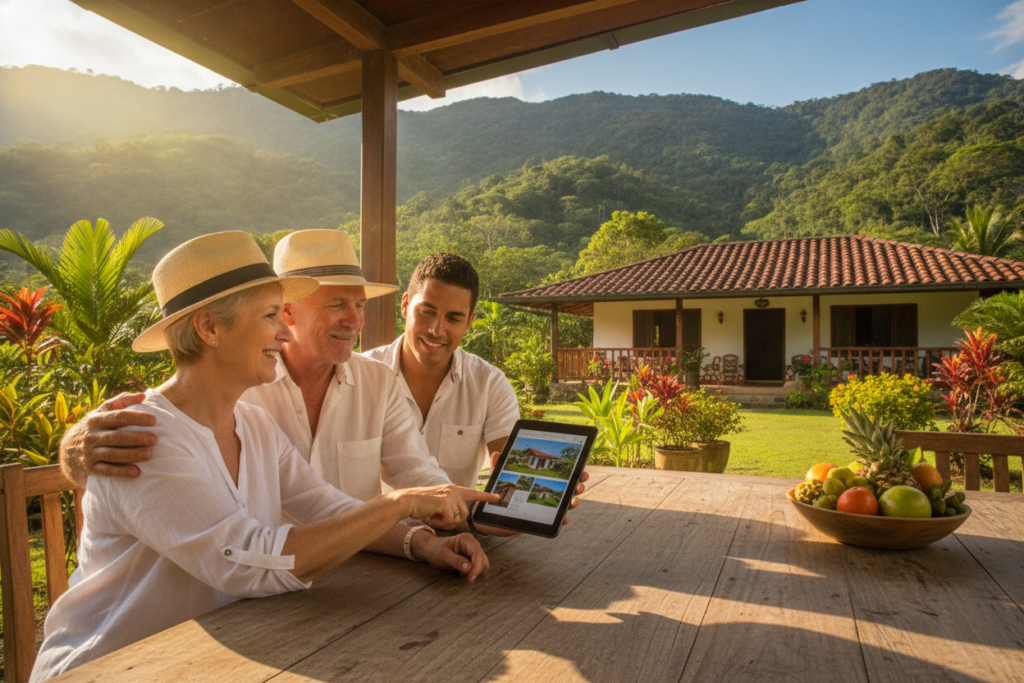
Maintaining your residency status in a beautiful country is essential for a smooth retirement. To keep your residency active, you must visit Costa Rica for at least one day every 12 months. This requirement allows you to travel while ensuring compliance with immigration regulations.
Additionally, you must provide proof of your pension income during each renewal cycle. This ensures that your status remains in good standing. Staying current with your monthly contributions to the Caja healthcare system is also mandatory.
If you fail to meet these compliance requirements, you risk losing your residency status. This could mean restarting the entire application process. To avoid complications, keep a detailed record of your entry and exit stamps for easy proof during renewals.
Our team helps you track these important dates. This way, you can focus on enjoying your lifestyle without worrying about administrative deadlines. Maintaining your status is simple if you stay organized and keep your documentation updated according to the latest government guidelines.
Comparing Residency Options in Costa Rica
Choosing the right residency option in a new country can be a pivotal decision. In Costa Rica, there are three primary pathways to residency: Pensionado, Rentista, and Inversionista. Each option has unique requirements and benefits tailored to different financial situations.
The Pensionado residency is specifically for retirees with a guaranteed lifetime pension. In contrast, the Rentista option requires proof of stable income, often exceeding $2,500 per month. If you choose the Inversionista path, you must invest at least $200,000 in property or a business to qualify.
It’s essential to evaluate your financial assets and retirement plans. Each of these options has different income requirements and documentation needs. Regardless of the path you choose, you will still need to register with the national healthcare system and meet all residency requirements.
We help you compare these categories to ensure you select the residency status that best supports your long-term goals and lifestyle.
Key Considerations for Living in Costa Rica
Relocating to a vibrant nation offers a chance to redefine your lifestyle. Understanding the essentials of living here is crucial for a smooth transition. The official currency is the Costa Rican colón, but you will find that USD is widely accepted, making daily transactions easier.
When living in Costa Rica, budgeting correctly can lead to an affordable cost of living. You must have at least 1,000 USD in monthly pension income to qualify for residency, which provides a solid base for your lifestyle. Accessing the local banking system is a vital step for managing your money and paying for your monthly healthcare contributions.
We advise consulting with a tax professional to understand how the territorial tax system applies to your specific financial situation. Living in this beautiful country offers a unique opportunity to enjoy a high quality of life while being surrounded by incredible natural beauty and friendly communities.
Make sure to research the different regions of the country to find the area that best matches your preferred lifestyle and climate. The national healthcare system is a cornerstone of living here, providing residents with affordable and reliable medical services throughout the country.
By planning your finances and understanding the local requirements, you can enjoy a stress-free transition to your new home. For more information on residency options, check out our guide on residency from pension in Costa Rica.
Ready to Begin Your New Chapter
Is it time for you to explore the possibilities of a fresh start in a lively environment? Every residency case is unique, influenced by factors like nationality and family situation. Understanding these elements is crucial for a smooth transition.
To receive personalized guidance and accurate pricing for your application, please speak with Johanna Alvarez, our dedicated immigration expert. You can reach out to us via WhatsApp at +506 8706 3888 or send an email to info@crie.cr to discuss your next steps.
Visit our website at crie.cr to learn more about how we can assist you in securing your future. We are ready to help you navigate the requirements and ensure your transition to a new lifestyle is as smooth as possible.
FAQ
What are the eligibility requirements for pensionado residency?
FAQ
What are the eligibility requirements for pensionado residency?
To qualify, we need to demonstrate a monthly income of at least
FAQ
What are the eligibility requirements for pensionado residency?
To qualify, we need to demonstrate a monthly income of at least $1,000 from a pension or retirement source. This proof can be provided through bank statements or official certificates.
What benefits do we receive with pensionado residency?
This residency offers several perks, including access to the country’s healthcare system, import tax exemptions on certain goods, and the ability to travel freely within Central America.
How long does the application process take?
The processing time for residency applications can vary, but it typically takes several months. We should be prepared for potential delays and ensure all documents are in order.
Are there any tax implications for pensionado residents?
Generally, we are not taxed on income earned outside of the country. However, we must be aware of local tax regulations and ensure compliance with any applicable requirements.
What are the requirements for maintaining our residency status?
To maintain our residency, we must visit Costa Rica at least once a year and comply with any reporting requirements set by the government.
Can we work while holding pensionado residency?
Pensionado residency does not allow us to work in Costa Rica. If we wish to engage in business activities, we may need to explore other residency options.
How do we renew our pensionado residency?
Renewal typically occurs every three years. We will need to submit the necessary documentation and ensure we meet all compliance requirements.
What should we know about banking in Costa Rica?
Opening a bank account is straightforward for pensionado residents. We will need to provide identification and proof of residency, such as our residency card.
How does pensionado residency compare to other residency options?
Compared to rentista and inversionista options, pensionado residency is often more straightforward for retirees, as it focuses on pension income rather than investment or rental income.
What lifestyle changes can we expect when moving to Costa Rica?
Living in Costa Rica offers a relaxed lifestyle, surrounded by natural beauty. We can enjoy outdoor activities, a vibrant culture, and a welcoming community.
,000 from a pension or retirement source. This proof can be provided through bank statements or official certificates.
What benefits do we receive with pensionado residency?
This residency offers several perks, including access to the country’s healthcare system, import tax exemptions on certain goods, and the ability to travel freely within Central America.
How long does the application process take?
The processing time for residency applications can vary, but it typically takes several months. We should be prepared for potential delays and ensure all documents are in order.
Are there any tax implications for pensionado residents?
Generally, we are not taxed on income earned outside of the country. However, we must be aware of local tax regulations and ensure compliance with any applicable requirements.
What are the requirements for maintaining our residency status?
To maintain our residency, we must visit Costa Rica at least once a year and comply with any reporting requirements set by the government.
Can we work while holding pensionado residency?
Pensionado residency does not allow us to work in Costa Rica. If we wish to engage in business activities, we may need to explore other residency options.
How do we renew our pensionado residency?
Renewal typically occurs every three years. We will need to submit the necessary documentation and ensure we meet all compliance requirements.
What should we know about banking in Costa Rica?
Opening a bank account is straightforward for pensionado residents. We will need to provide identification and proof of residency, such as our residency card.
How does pensionado residency compare to other residency options?
Compared to rentista and inversionista options, pensionado residency is often more straightforward for retirees, as it focuses on pension income rather than investment or rental income.
What lifestyle changes can we expect when moving to Costa Rica?
Living in Costa Rica offers a relaxed lifestyle, surrounded by natural beauty. We can enjoy outdoor activities, a vibrant culture, and a welcoming community.
What benefits do we receive with pensionado residency?
How long does the application process take?
Are there any tax implications for pensionado residents?
What are the requirements for maintaining our residency status?
Can we work while holding pensionado residency?
How do we renew our pensionado residency?
What should we know about banking in Costa Rica?
How does pensionado residency compare to other residency options?
What lifestyle changes can we expect when moving to Costa Rica?
Article by Glenn Tellier (Founder of CRIE and Grupo Gap)
Don't wait, contact us right now!
Call or WhatsApp Costa Rica +506 8373 2085 or +506 8706 3888
Call USA/Canada +1 305-906-6784