
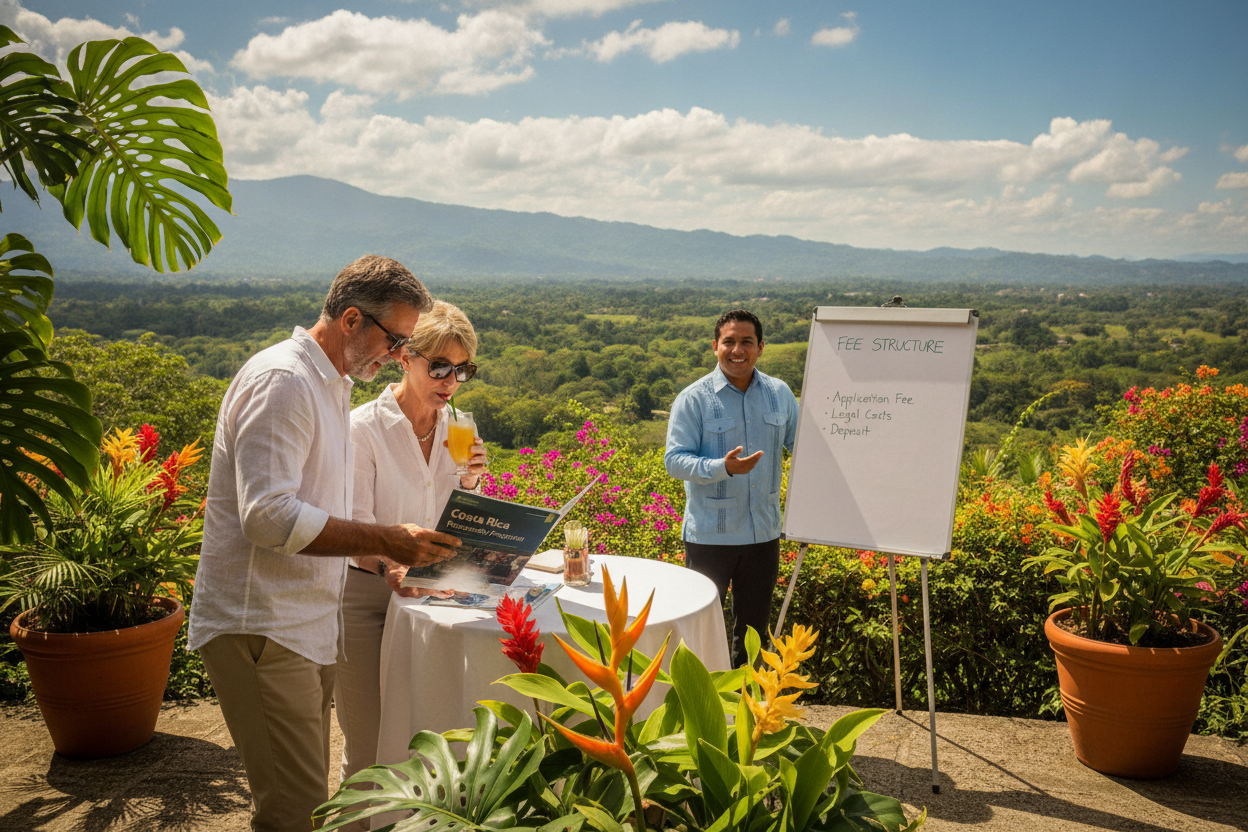
Welcome to our guide on navigating the journey of residency in this beautiful country. For over 20 years, we have assisted individuals and families in understanding the complex landscape of immigration. Our goal is to provide clear and factual information about the requirements for obtaining residency.
Costa Rica is a top destination for retirees, offering a stable environment and a welcoming culture. The pensionado visa is a popular option for those looking to settle here. This guide will explore the essential steps involved in the application process.
Understanding the financial and legal obligations is crucial for anyone planning to move. Each residency case is unique, depending on nationality, family situation, and immigration history. We focus on providing up-to-date information to help you prepare for your transition smoothly.
If you have questions or need personalized guidance, feel free to contact us. We are here to help you navigate your residency journey.
Understanding Costa Rica Pensionado Residency Fees
Navigating the financial landscape of residency in this vibrant country is essential for prospective applicants. Understanding the requirements for the pensionado residency can help you plan your move effectively.
Under Article 81 of Law 8764, the pensionado category is designed for retirees. Applicants must demonstrate a stable, lifetime pension income of at least $1,000 per month. This income can come from a government source, social security, or a private retirement plan.
It is crucial to note that this financial threshold is strictly enforced. The government requires verification of these funds to ensure applicants can support themselves during their stay. While the pensionado program is a popular residency option, it does not grant the right to work in the country.
Maintaining your residency status necessitates ongoing compliance with these financial standards throughout your time in Costa Rica.
The Pensionado Residency Application Process
Embarking on the journey to secure residency can feel overwhelming, but we are here to simplify the process. The application for residency in this vibrant country requires meticulous attention to detail.
First, gather and authenticate all necessary personal and financial records. Ensure that every document is properly apostilled in your home country. This step is crucial for acceptance by immigration authorities.
Next, all foreign-language documents must be translated into Spanish by a court-approved translator in Costa Rica. This ensures compliance with local regulations.
Once your documents are ready, submit your completed application package to the relevant government office. Double-check that all forms are signed and accurate to avoid delays.
We recommend creating a comprehensive checklist of required documents. This will help you track your progress throughout the residency application journey.
Income Proof and Essential Documentation

The path to residency requires careful preparation and attention to essential documentation. One of the most critical components is providing clear proof of your pension income. This demonstrates your financial self-sufficiency and is vital for your application.
To support your residency application, you must include an official birth certificate and, if applicable, a marriage certificate. Both documents need to be apostilled to be valid in this country. Additionally, all submitted documents must be current. For instance, criminal background checks are typically only valid for six months from the date of issuance.
The authorities require that your pension income be documented through official letters from your pension provider or government social security agency. If you are applying with a spouse, including a marriage certificate is necessary to prove your legal relationship.
We advise starting the process of obtaining your birth certificate and other vital records well in advance. This helps account for potential processing delays. Ensuring that your income documentation is consistent and verifiable is essential for a successful residency application.
Comparing Residency Options in Costa Rica
When considering residency options, it’s important to evaluate the different categories available in this beautiful country. Each residency type has unique requirements that cater to various financial situations.
The pensionado category is tailored for retirees with a stable pension income. In contrast, the rentista residency is designed for those who can prove consistent passive income from investments. This option allows individuals to live comfortably without relying on a pension.
Another option is the inversionista category, which requires a minimum investment of $200,000 in a local business or property. This path is ideal for those looking to contribute to the economy while securing residency.
Choosing the right residency category depends on your specific financial situation. We suggest carefully reviewing the financial thresholds for each residency option to ensure you meet the criteria before starting your application. For more details on residency types, visit this page.
Managing Ongoing Compliance and Renewals
Ensuring your residency status remains valid in this country requires careful attention to compliance and renewal processes. After your residency is approved, you must enroll in the CAJA public healthcare system. This enrollment is essential for maintaining your legal standing.
The renewal process for your residency card must be completed annually or as required by your specific residency category. Staying current with your CAJA payments is crucial. It ensures that your identification card remains valid at all times.
Be mindful of renewal timelines. Failing to update your status can lead to complications with your residency privileges. The Costa Rican immigration system mandates that you visit the country at least once per year to maintain your residency.
We want to emphasize that your residency status is not permanent upon initial approval. It requires consistent attention to renewal requirements. Staying informed about changes in the Costa Rican immigration system will help you manage your ongoing compliance effectively.
Budgeting for Residency Fees and Related Costs
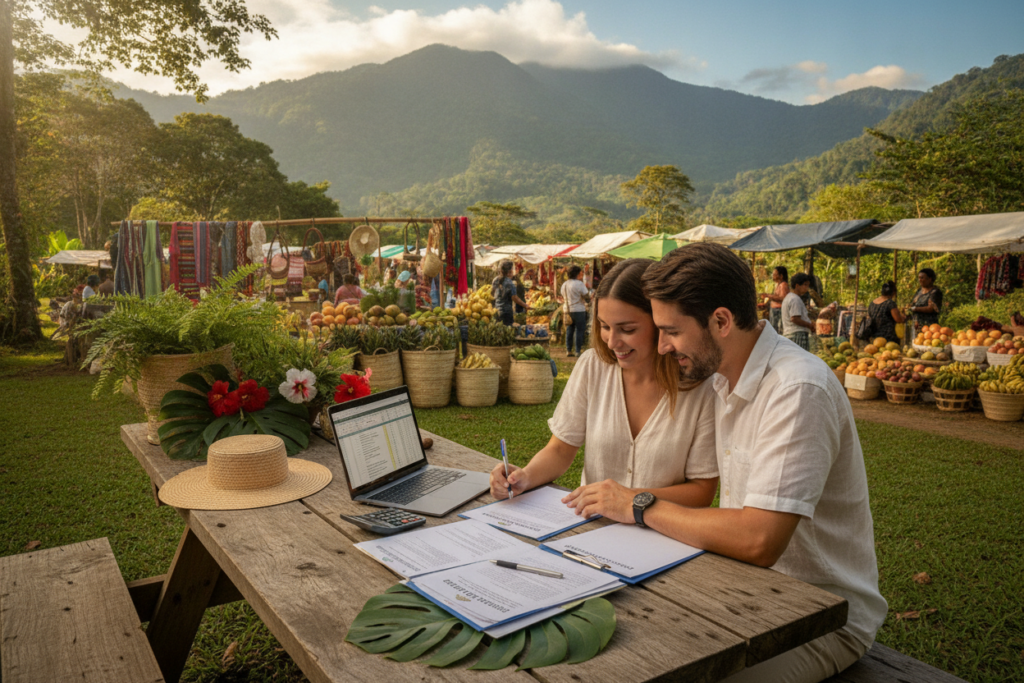
Budgeting for your residency journey involves careful consideration of various costs. It’s essential to understand that government fees for residency applications can change, impacting your overall financial plan.
When planning your move, consider the following:
- Official government fees are separate from document preparation and legal assistance costs.
- Your total application cost will include expenses for apostilles, translations, and possible travel for appointments.
- Don’t forget to factor in the ongoing monthly CAJA contributions, which depend on your declared income.
- Long-term financial planning should also include potential tax obligations and costs for maintaining your residency card.
- While the pensionado program offers some tax benefits, consulting a professional about your retirement income is wise.
- We recommend setting aside a contingency fund for unexpected expenses during the application process.
- Understanding the full financial picture, including living costs and potential business expenses, is vital for a successful transition.
For a detailed breakdown of costs associated with residency, visit this page.
costa-rica-pensionado-residency-fees: Detailed Insight
Gaining insight into the pensionado residency process can significantly ease your transition. The pensionado visa category requires proof of a lifetime pension income of at least $1,000 per month to qualify for residency.
During the first three years, your status remains temporary. After this period, you may apply for permanent residency under current immigration law.
Applicants must provide a valid passport, birth certificate, and marriage certificate. All documents must be apostilled and translated for the immigration process.
Additionally, you must open a local bank account to demonstrate your financial commitment to the country during your residency. This step is crucial for your application.
While you hold residency, it’s essential to follow all immigration rules, including those related to tax and property. Many retirees find the benefits of the pensionado visa appealing, such as tax exemptions on foreign income.
Lastly, be prepared for a thorough review of your income documents. You must provide proof of your pension at each renewal.
The Role of CRIE in Your Residency Journey
Understanding the role of expert guidance can make your residency journey smoother and more manageable. For over 20 years, we have provided educational support to individuals and families navigating the residency application process in this beautiful country.
Our team focuses on delivering factual information regarding the pensionado visa and other immigration categories. This helps you make informed decisions tailored to your needs.
Johanna Alvarez, our immigration expert, offers personalized guidance to clarify the specific requirements for your residency application. We do not act as a government agency; instead, we help you understand the procedures required by the authorities to secure your legal status.
Whether you are considering an investment or a pensionado visa, we provide insights to manage your residency journey effectively. Every case is unique, and we work with you to address the specific challenges related to your nationality and documents.
For personalized guidance and current pricing, please contact Johanna Alvarez at CRIE via WhatsApp at +506 8706 3888, email info@crie.cr, or visit crie.cr.
Your Next Steps for a Smooth Residency Experience
Taking the next steps in your residency journey can set the stage for a smooth transition. Start by reviewing the specific requirements for your chosen residency category. This ensures you have all necessary documents ready.
We recommend beginning the apostille and translation process early. These steps often take the most time before your application can be submitted.
Staying organized is key. Keep a detailed record of all correspondence and submissions made to the immigration authorities in Costa Rica.
Patience is essential during the residency application process. Compliance with all regulations is vital for a successful outcome.
If you have questions about your specific situation, reach out to our team for personalized guidance. We are here to provide the factual information you need to navigate the complexities of moving to and living in this beautiful country.
Contact Johanna Alvarez at CRIE today via WhatsApp at +506 8706 3888, email info@crie.cr, or visit crie.cr for personalized guidance and current pricing.
FAQ
What is the minimum monthly income required for pensionado residency?
FAQ
What is the minimum monthly income required for pensionado residency?
We need to demonstrate a guaranteed monthly income of at least
FAQ
What is the minimum monthly income required for pensionado residency?
We need to demonstrate a guaranteed monthly income of at least $1,000 from a pension or retirement source to qualify for this residency category.
What documents are necessary for the application process?
Our application must include a birth certificate, proof of income, a marriage certificate if applicable, and other supporting documents like bank statements and property titles.
How long does the residency application process take?
The processing time can vary, but we typically expect it to take several months, depending on the completeness of our application and the workload of the immigration office.
Are there any taxes associated with pensionado residency?
While we are not taxed on our pension income in Costa Rica, it’s essential to stay informed about any local taxes that may apply to property or business investments.
How often do we need to renew our residency?
Our residency status must be renewed every three years, and we need to ensure that we maintain compliance with all legal requirements during this period.
Can we work while holding pensionado residency?
This residency category does not allow us to work in Costa Rica. However, we can engage in passive income activities, such as investments or rental properties.
What are the benefits of pensionado residency?
With this residency, we enjoy various benefits, including access to the national healthcare system, the ability to own property, and the opportunity to live in a beautiful country with a welcoming community.
How do we prove our pension income?
We can provide proof of income through official pension statements, bank statements showing regular deposits, or any other documentation that verifies our pension source.
What is the role of CRIE in the residency process?
CRIE offers guidance and support throughout our residency journey, helping us navigate the application process and ensuring we have all necessary documentation in order.
,000 from a pension or retirement source to qualify for this residency category.
What documents are necessary for the application process?
Our application must include a birth certificate, proof of income, a marriage certificate if applicable, and other supporting documents like bank statements and property titles.
How long does the residency application process take?
The processing time can vary, but we typically expect it to take several months, depending on the completeness of our application and the workload of the immigration office.
Are there any taxes associated with pensionado residency?
While we are not taxed on our pension income in Costa Rica, it’s essential to stay informed about any local taxes that may apply to property or business investments.
How often do we need to renew our residency?
Our residency status must be renewed every three years, and we need to ensure that we maintain compliance with all legal requirements during this period.
Can we work while holding pensionado residency?
This residency category does not allow us to work in Costa Rica. However, we can engage in passive income activities, such as investments or rental properties.
What are the benefits of pensionado residency?
With this residency, we enjoy various benefits, including access to the national healthcare system, the ability to own property, and the opportunity to live in a beautiful country with a welcoming community.
How do we prove our pension income?
We can provide proof of income through official pension statements, bank statements showing regular deposits, or any other documentation that verifies our pension source.
What is the role of CRIE in the residency process?
CRIE offers guidance and support throughout our residency journey, helping us navigate the application process and ensuring we have all necessary documentation in order.
What documents are necessary for the application process?
How long does the residency application process take?
Are there any taxes associated with pensionado residency?
How often do we need to renew our residency?
Can we work while holding pensionado residency?
What are the benefits of pensionado residency?
How do we prove our pension income?
What is the role of CRIE in the residency process?
Article by Glenn Tellier (Founder of CRIE and Grupo Gap)
Don't wait, contact us right now!
Call or WhatsApp Costa Rica +506 8373 2085 or +506 8706 3888
Call USA/Canada +1 305-906-6784