
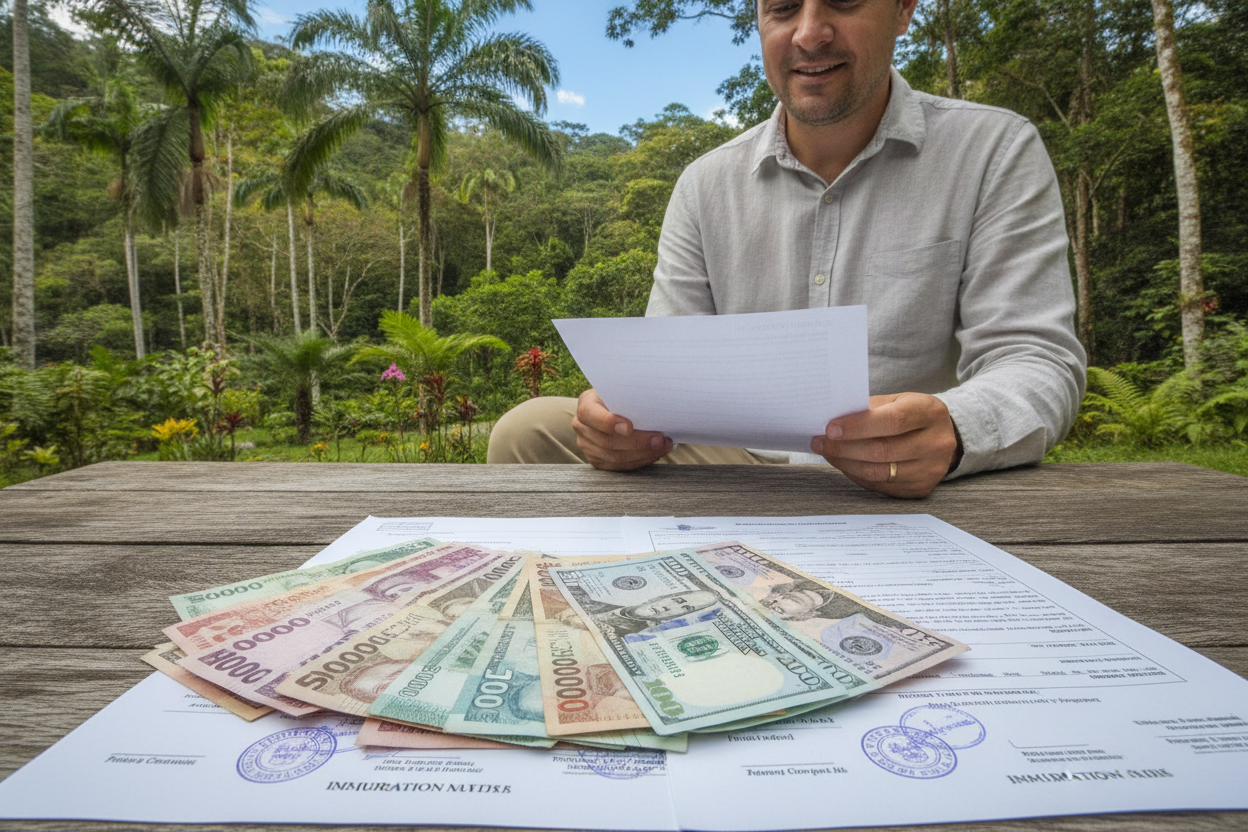
Navigating the world of immigration can be daunting, especially when it comes to understanding the costs involved. In this guide, we aim to clarify the various expenses associated with moving to this beautiful country. The immigration department categorizes countries into four distinct groups, each with its own visa requirements.
Every application submitted must adhere to strict guidelines. This ensures that the process runs smoothly and without unnecessary delays. Understanding the specific visa category you fall under is crucial. It will help you determine the total financial commitment required for your legal stay.
We are here to provide factual information that assists you in preparing for the financial and administrative requirements of your upcoming transition. By familiarizing yourself with the current legal framework, you can make informed decisions about your move.
Understanding Residency and Immigration in Costa Rica
Understanding the intricacies of residency and immigration can feel overwhelming. For over 20 years, our team at CRIE has focused exclusively on helping individuals and families navigate the complex residency process in this beautiful country.
Because we specialize in immigration services, we provide specialized knowledge that helps you understand the nuances of moving here. Our long-standing experience allows us to guide you through the residency requirements that have evolved over the last two decades.
We do not act as a law firm or government agency. Instead, we offer practical, factual guidance based on our extensive history in the field. By focusing solely on residency, we ensure that our clients receive dedicated attention throughout the entire administrative process of establishing their new life.
Overview of Visa Categories and Eligibility
Navigating visa categories is key to ensuring a smooth transition. Costa Rica’s immigration authorities classify countries into four distinct groups, each with unique requirements for entry.
Citizens from the first and second groups usually receive a tourist visa upon arrival. This visa typically allows for a stay of up to 90 days. In contrast, individuals from the third and fourth groups must apply for a restricted visa well in advance, usually at least 90 days before their intended travel date.
It is essential to distinguish between a short-term tourist visa and a long-term residency permit. Each serves a different purpose and has its own set of requirements. Always verify your specific group status, as the criteria can vary significantly based on diplomatic agreements between your home country and Costa Rica.
Essential Documents for the Immigration Process

Gathering the necessary documents for immigration can be a complex task. Each document plays a critical role in your application process. Ensuring you have everything in order is essential for a smooth transition.
A valid passport with at least six months of remaining validity is one of the most critical documents for your visa application. You will also need to provide official birth certificates that have been properly apostilled to verify your identity and family history for the authorities.
The documentation process often requires that your background checks and birth certificates be translated into Spanish by an accredited professional. Ensuring your documents are current is vital, as many official records must be reissued within six months of your submission date to be accepted.
We recommend keeping an organized checklist of all required documents to ensure you meet the specific requirements set by the immigration office.
Application Process and Timeline Considerations
The journey through the immigration application process requires careful planning and patience. Understanding the timeline is crucial for all applicants aiming for a restricted visa.
The application process demands a minimum of 90 days for authorities to review your submitted documentation. This timeframe can feel lengthy, but it is essential for a thorough evaluation.
Should your visa application be denied, applicants must wait at least six months before reapplying. This waiting period can be frustrating, so managing your expectations is vital.
We recommend planning your travel time well in advance. Avoid purchasing non-refundable airline tickets until your visa application has been officially approved. This precaution can save you from unnecessary stress and financial loss.
In summary, patience and preparation are key elements in navigating the immigration process. For more detailed guidance, visit our ideal guide to residency.
Fee Structure and Approval Charges in Costa Rica
Understanding the costs associated with immigration can often feel like navigating a maze. The financial requirements are crucial for anyone seeking residency. Being aware of these charges can help you plan your budget effectively.
The standard fee for a restricted visa application is $52.00. This amount is non-refundable, regardless of the outcome of your request. Additionally, you may need to make a security deposit into a designated bank account set by the General Office of Migration.
The exact amount of this security deposit is determined by the government once your visa is approved. Be prepared for additional costs, as banks may charge processing fees for handling the required deposit. Always confirm the payment method with the consulate in your jurisdiction, as they provide specific instructions for these mandatory fees.
Detailed Guide to costa-rica-immigration-approval-fees
Understanding the financial obligations tied to immigration can significantly impact your planning. Knowing the costs associated with your visa application is essential for effective budgeting.
The fees you pay cover the administrative processing of your request by the government. However, it is crucial to remember that paying these fees does not guarantee that your visa application will be approved.
These costs are separate from other expenses you might incur, such as document translation, apostille services, or legal assistance for your application. We emphasize that the fee is for the service of reviewing your application, not a payment for guaranteed entry into the country.
Being transparent about these costs helps you prepare for the financial reality of the immigration process without any unexpected surprises.
Implications of Visa Approval on Residency Status
Gaining clarity on the implications of your visa approval is crucial for your future in this new environment. Once your residency status is officially approved, you unlock legal benefits unavailable to those on a simple tourist visa.
After maintaining temporary residency for three years, you can apply for permanent residency. This transition offers more long-term stability and opens up new opportunities.
Permanent residency grants the right to work in Costa Rica, which is a significant change from the limitations faced by temporary residents. However, it’s essential to note that you cannot utilize the benefits of residency until your status is fully validated.
As you spend more years in the country, consider future implications for your residency status. Planning for the transition between different status levels can help you navigate your long-term goals effectively.
Differences Between Resident, Tourist, and Investor Visas
Exploring the unique requirements of residency, tourist, and investor visas can greatly simplify your immigration journey. Each visa category serves distinct purposes, and understanding these differences is essential.
The Pensionado Visa is tailored for individuals who can prove a monthly retirement income of at least $1,000 USD from reliable sources. This visa allows retirees to live comfortably in the country.
For those interested in the Investor Visa, an investment of at least $150,000 USD into a qualifying project is necessary. This option not only facilitates residency but also contributes to the local economy.
Unlike a tourist visa, residency visas require proof of consistent income or significant capital. This ensures you can support yourself during your stay. Each visa category has unique requirements, so individuals must evaluate which path aligns best with their financial situation and long-term goals.
We help you understand these differences so you can choose the right visa category for your specific needs and personal circumstances. For more information on residency options, visit our guide to residency for investors.
Legal and Consular Guidance for Applicants
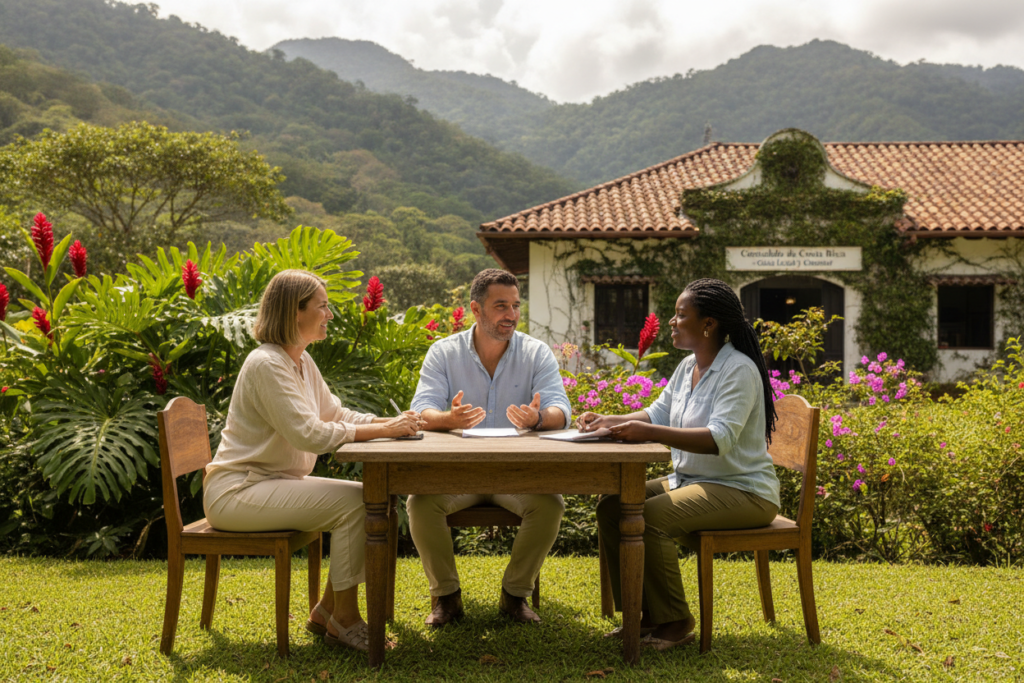
Knowing the functions of consulates can significantly ease the visa application experience. These government entities play a crucial role in processing your visa requests. They ensure that all necessary documentation is reviewed and provide vital instructions for payment.
Trusted experts can offer guidance, but it’s essential for all applicants to adhere to the official rules established by the Costa Rican government. The U.S. Embassy and other foreign consulates are valuable resources, providing specific information regarding visa requirements and processing times.
We recommend maintaining clear communication with your consulate. This ensures you have the most current information for your case. Professional guidance can also help you navigate the complex requirements, making sure your application is complete and accurate before submission.
Key Tips for a Successful Immigration Application
Successfully navigating your immigration application hinges on thorough preparation and documentation. To enhance your chances of approval, follow these essential tips.
Preparation and Documentation Best Practices
Always double-check your entry and exit stamps in your passport. Errors by authorities can lead to significant issues with your residency application. Providing clear proof of economic solvency, such as bank statements and income tax forms, is also crucial.
Preparation is vital. Ensure all your documents are translated and authenticated well before your deadline. You must also be ready to explain your profession or occupation clearly, as this information is often requested by the Costa Rican government.
Double-Checking Entry and Exit Stamps
Maintaining a clean record and being forthcoming about your plans will help you meet the requirements for a smooth transition to Costa Rica. By being organized and diligent, you can significantly ease the immigration process.
Reach Out for Personalized Guidance
Transitioning to a new country involves many personal and logistical considerations. Each case depends on your nationality, family situation, and immigration history.
For tailored assistance regarding your residency or immigration status, we invite you to consult with our expert, Johanna Alvarez. You can reach out via WhatsApp at +506 8706 3888 or email us at info@crie.cr for more information.
Visit our website at crie.cr to discover how we assist individuals and families in their transition to this beautiful country. We are here to help you navigate the complexities of the process and ensure you have the right information for your unique situation.
FAQ
What are the basic requirements for applying for residency in Costa Rica?
How long does the residency application process typically take?
Are there different types of residency visas available?
What fees should we expect during the immigration process?
Is there a difference between a tourist visa and a residency permit?
What documents are essential for the application?
How do we ensure our application is successful?
What happens after our visa is approved?
Can we seek assistance with the immigration process?
Article by Glenn Tellier (Founder of CRIE and Grupo Gap)
Don't wait, contact us right now!
Call or WhatsApp Costa Rica +506 8373 2085 or +506 8706 3888
Call USA/Canada +1 305-906-6784