
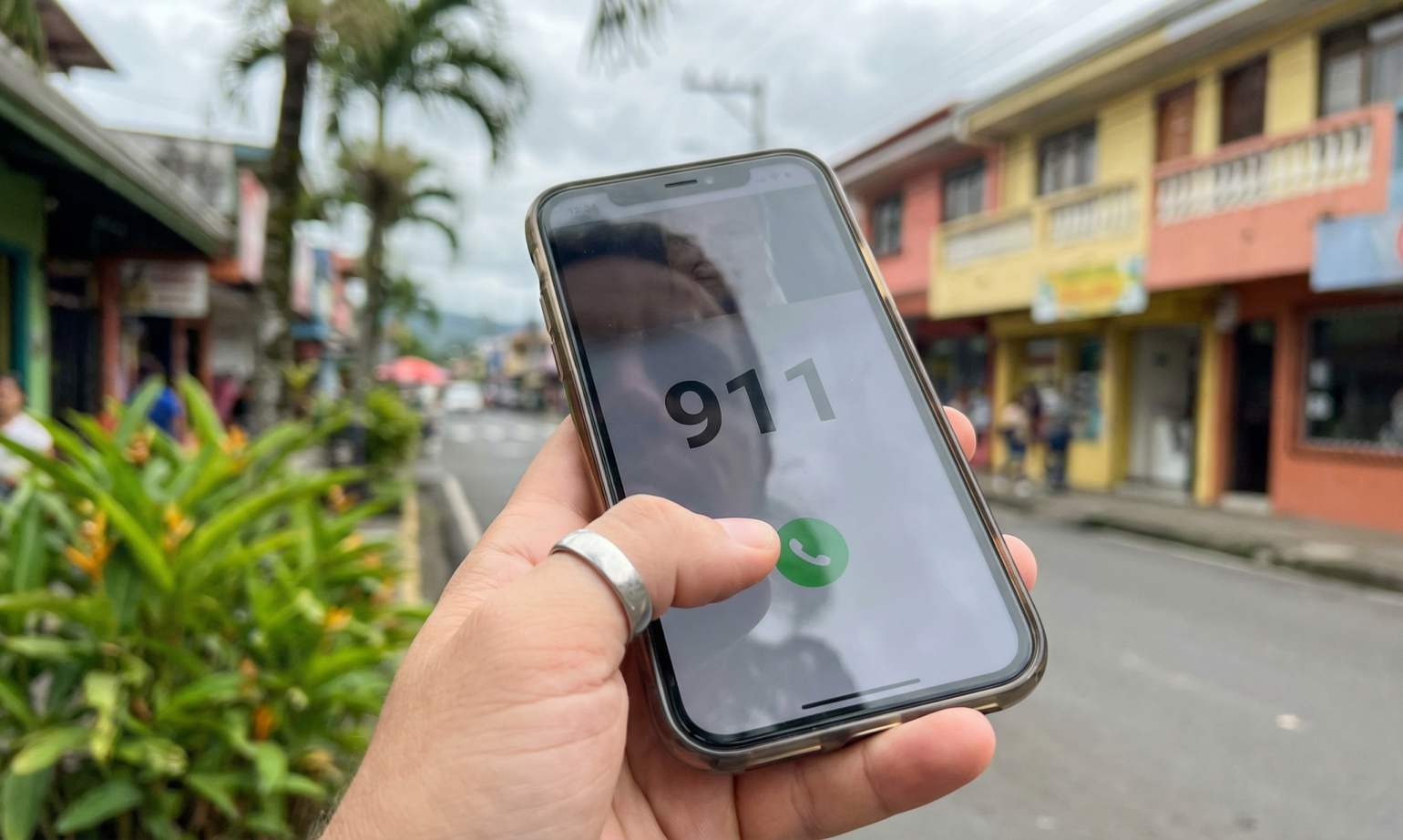
When traveling or living abroad, one of the most critical pieces of information you can have is how to get help in an emergency. In Costa Rica, a country celebrated for its natural beauty and peaceful culture, a streamlined and effective emergency response system is in place to protect both its citizens and the millions of tourists who visit each year. The central pillar of this system is the universal emergency number: 911.
This guide provides a comprehensive overview of Costa Rica’s emergency numbers and services for 2026. We will cover the 911 system, specialized contact numbers, services for tourists, and practical tips to ensure you are prepared for any situation. Understanding these essential contacts is a crucial step in ensuring your safety and peace of mind while enjoying the Pura Vida lifestyle.
The 911 System: Your First Point of Contact
Just like in the United States and Canada, 911 is the primary emergency number in Costa Rica. This centralized system is designed to be the first point of contact for any type of emergency, connecting you to the appropriate services, including police, fire, and ambulance. The system is managed by the government and is accessible from any phone, including landlines, cell phones, and public phones, 24 hours a day, 7 days a week.
One of the key features of the 911 system is its bilingual support. Operators are trained to handle calls in both Spanish and English, which is a significant advantage for tourists and expats who may not be fluent in Spanish. When you call 911, be prepared to provide your location as precisely as possible, the nature of the emergency, and your contact information. The operator will then dispatch the necessary resources to your location.
The 911 system in Costa Rica has been operational since 1994 and has undergone significant improvements over the years. Today, it is a sophisticated network that integrates multiple emergency services, including police, fire, and medical response. The system is equipped with GPS technology that can help operators pinpoint your location if you are calling from a mobile phone, which is particularly useful in remote areas or if you are unsure of your exact location. Response times vary depending on your location, with urban areas typically seeing faster response times than rural regions. However, the system is designed to ensure that help reaches you as quickly as possible, regardless of where you are in the country.
Specialized Emergency Numbers: When to Call Direct
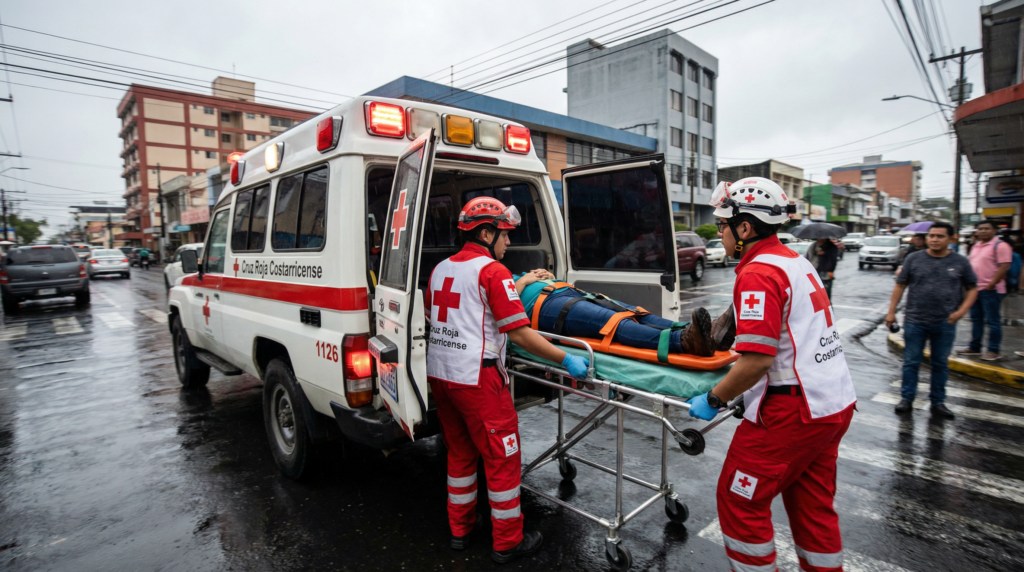
While 911 is the main emergency number, there are also direct lines to specific services. These can be useful if you know exactly what type of assistance you need. However, it is generally recommended to call 911 first, as the operator can coordinate a multi-agency response if necessary.
- Police (Fuerza Pública): 1117 – For situations requiring police presence but are not life-threatening, such as reporting a theft or a disturbance.
- Fire Department (Bomberos): 1118 – For fires, chemical spills, and rescue operations.
- Red Cross (Cruz Roja): 1128 – For medical emergencies and ambulance services. The Red Cross is a primary provider of pre-hospital medical care in Costa Rica.
- Traffic Police (Policía de Tránsito): 2222-9330 or 2222-9245 – For reporting traffic accidents, road blockages, or other traffic-related issues.
- Judicial Police (Organismo de Investigación Judicial – OIJ): 2295-3000 – For reporting serious crimes, such as assault, robbery, or missing persons.
For those considering a move to Costa Rica, understanding the local infrastructure and services is a key part of the relocation process. For more information on living in Costa Rica, you can visit GAP.cr.
Tourist Police: A Dedicated Service for Visitors
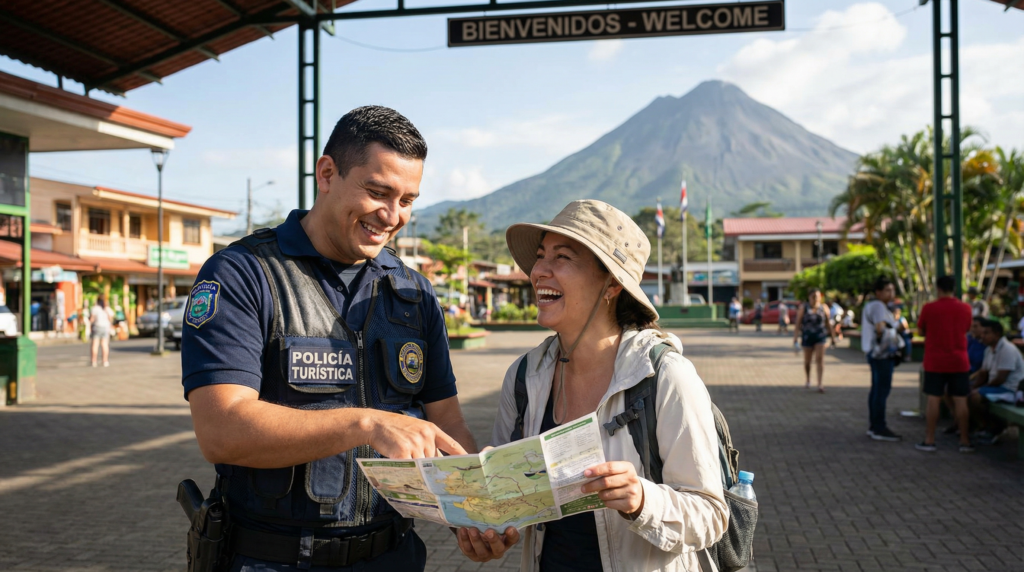
Recognizing the importance of tourism to the country’s economy, Costa Rica has a dedicated Tourist Police force. These officers are specially trained to assist tourists with a variety of issues, from providing directions to handling reports of theft or other crimes. They are often bilingual and can be found in major tourist areas, such as airports, national parks, and popular beach towns.
While there is no single direct number for the Tourist Police, they can be reached through the 911 system. Simply inform the operator that you are a tourist and explain your situation, and they will dispatch a Tourist Police unit if one is available in your area. This service is an invaluable resource for visitors who may feel vulnerable or unsure of how to navigate the local legal system. For those looking to invest in property in tourist areas, GAP Real Estate can provide insights into the safest and most secure locations.
The Tourist Police are not just reactive; they also take a proactive approach to visitor safety. They conduct regular patrols in high-traffic tourist areas, offer safety briefings at hotels and tour operators, and work closely with local businesses to ensure that tourists have a safe and enjoyable experience. If you are a victim of a crime, the Tourist Police can assist you with filing a report, contacting your embassy, and navigating the legal process. They are also a great resource for general information about the area, including recommendations for safe places to visit and things to avoid.
Medical Emergencies: Hospitals and Clinics
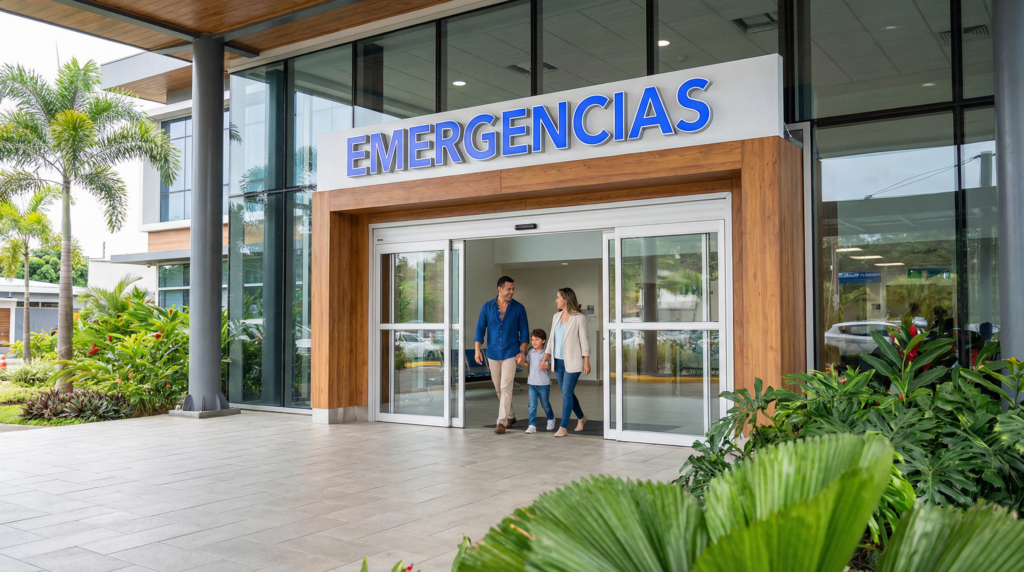
Costa Rica has a high-quality healthcare system, with both public and private hospitals and clinics. In a medical emergency, the Red Cross (1128) is the primary provider of ambulance services. However, in some cases, a private ambulance service may be faster. It is a good idea to have the number of a private ambulance service in your area, especially if you are living in a more remote location. The Red Cross operates a fleet of ambulances throughout the country and provides basic life support and advanced life support services. Their paramedics are highly trained and equipped to handle a wide range of medical emergencies, from heart attacks to traumatic injuries.
There are three main public hospitals in the San José area that are equipped to handle major emergencies:
- Hospital México: 2242-6700
- Hospital San Juan de Dios: 2547-8000
- Hospital Calderón Guardia: 2257-7922
Private hospitals, such as CIMA (2208-1000) and Clínica Bíblica (2522-1000), also offer excellent emergency care. For those considering long-term investments in Costa Rica, it is important to have a plan for healthcare. GAP Investments can provide information on how to navigate the healthcare system as an expat.
Frequently Asked Questions (FAQ) About Emergency Numbers in Costa Rica
Is 911 free to call in Costa Rica?
Yes, 911 is a toll-free number and can be called from any phone without charge.
What should I do if I don’t speak Spanish?
The 911 system has bilingual operators who can assist you in English. When you call, simply state that you need an English-speaking operator.
What information should I have ready when I call 911?
Be prepared to provide your exact location (province, canton, district, and any landmarks), the nature of the emergency, your name, and a contact number.
Are there any other important numbers I should know?
It is a good idea to have the number of your country’s embassy or consulate in Costa Rica. For example, the U.S. Embassy can be reached at 2519-2000.
What should I do in case of a natural disaster, such as an earthquake or a hurricane?
In the event of a natural disaster, the National Emergency Commission (CNE) is the primary coordinating body. You can reach them through the 911 system. It is also a good idea to follow their updates on social media.
What if I need to report a power outage or a water service issue?
For power outages, you should contact the national electricity company (ICE) at 1026. For water service issues, you should contact the national water company (AyA) at 800-737-6783.
What if I am the victim of a crime?
If you are the victim of a crime, you should report it to the OIJ (2295-3000). They are the investigative body responsible for handling criminal cases. If you need immediate assistance, call 911.
What if I have a medical emergency and need to finance my care?
In the case of a medical emergency, your health is the priority. However, if you are concerned about the cost of care, there are financial solutions available. GAP Equity Loans can provide information on how to access funds for unexpected medical expenses.
Conclusion: Be Prepared and Stay Safe
Costa Rica is a beautiful and welcoming country, but like any destination, it is important to be prepared for emergencies. By familiarizing yourself with the 911 system and other essential contact numbers, you can ensure that you are able to get help quickly and efficiently if the need arises. Keep a list of these numbers in your phone and in a visible place in your home or hotel room.
For expats and long-term residents, it is also a good idea to build a network of contacts in your local community, including neighbors, friends, and local authorities. This can be an invaluable resource in an emergency. For those who need assistance with the residency process or other legal matters, CRIE.cr is an excellent resource for expats.
Article by Glenn Tellier (Founder of CRIE and Grupo Gap)
Don't wait, contact us right now!
Call or WhatsApp Costa Rica +506 8373 2085 or +506 8706 3888
Call USA/Canada +1 305-906-6784