
Understanding the costa-rica-dimex-renewal-amount-check is crucial for every foreign resident in this beautiful country. The DIMEX card, which represents your residency, is essential for maintaining your legal status. Typically, this card requires renewal every two or three years, making it vital to stay informed about the process.
For over 20 years, CRIE has been dedicated to assisting individuals and families with their residency needs. Our aim is to provide you with clear and factual information about the renewal process. This way, you can focus on enjoying your time here without unnecessary complications.
Managing your DIMEX renewal effectively requires attention to detail. Specific government requirements can change periodically, so staying updated is important. Whether you are a new resident or have lived here for years, understanding your card status is a fundamental responsibility.
Why Renewing Your DIMEX is Critical for Costa Rica Residency
The importance of renewing your DIMEX card cannot be overstated. A DIMEX is your residency card, distinct from the Cedula, which is the official citizenship card of Costa Rica. Many people mistakenly confuse these with the 180-day visa stamp that you receive upon entering the country.
Maintaining your permanent residency requires a valid DIMEX card at all times. Failing to renew on time can lead to significant issues. For instance, you may find it difficult to open new bank accounts or sign contracts without a valid card.
Moreover, without your DIMEX, you could end up paying higher non-resident prices at national parks, which can be frustrating. We’ve found that the renewal process is generally less involved than the initial application, especially if you keep your documentation organized.
By prioritizing your renewal, you ensure your residency status remains active. This gives you peace of mind, knowing you are compliant with local immigration laws and can access essential services without stress.
Key Steps in costa-rica-dimex-renewal-amount-check Process
To successfully navigate the DIMEX renewal, understanding the key steps is essential. First, you must identify your residency category and gather the required documents for your appointment. This will ensure a smooth process.
You can schedule your appointment at a Banco Costa Rica branch or through the Correos Costa Rica system. Both options are authorized to handle these requests. During the process, be ready to provide your full name, email address, and your parents’ names as they appear on your birth certificate.
When visiting the bank or post office, ensure you have the necessary fees in cash or a valid credit card. Each residency category has unique requirements, so verifying your specific status before booking your appointment time is vital.
Additionally, present your current DIMEX card and proof of your most recent payments to the CCSS system. This will confirm that your account is active. Keeping all your documents organized in one folder will help you navigate your office visit efficiently.
Gathering the Required Documents for Your DIMEX Renewal
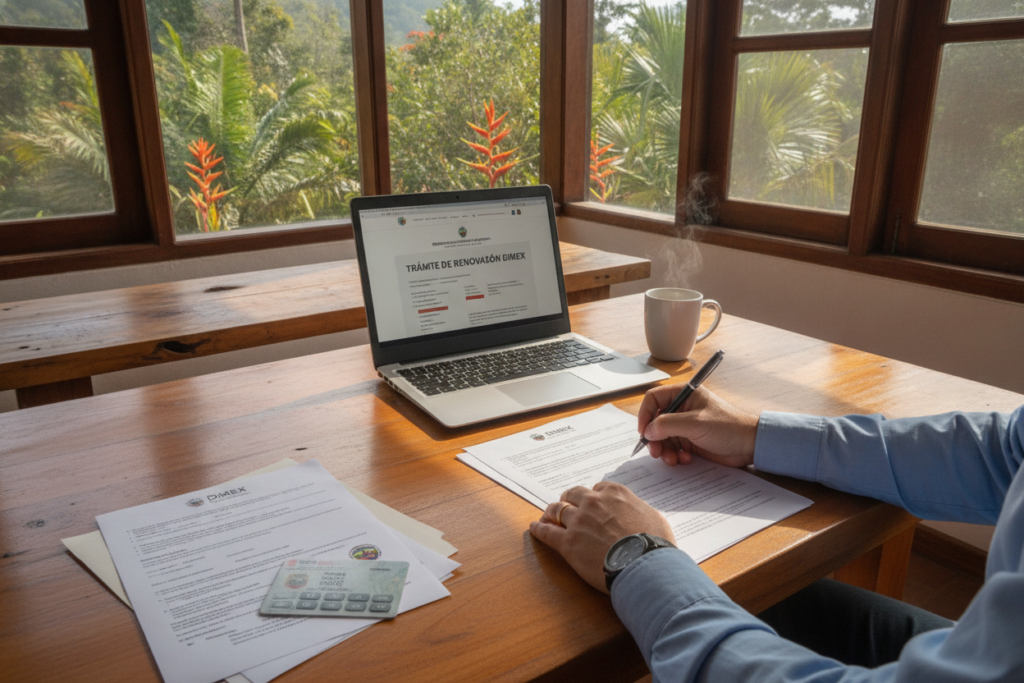
Gathering the necessary documents is a crucial step in the DIMEX renewal process. Having everything prepared will save you time and effort during your appointment.
First, you need to bring your current DIMEX card and a valid passport. Both should be in readable, undamaged condition. Additionally, prepare a typed document on an 8.5 x 11-inch sheet of paper. This document must include your email address and the names of your parents as they appear on your birth certificate.
Another essential document is the informed consent form. This must be filled out, but remember to sign it only in front of the staff member. Proof of your CAJA enrollment is also mandatory, as it shows you are current with your payments.
If you are a dependent under your spouse, be ready to provide an apostilled marriage certificate. We suggest checking your status in the CCSS system beforehand to avoid any issues. Each residency category has specific requirements, so ensure you have the latest bank letters or statements available for review.
How to Schedule Your Renewal Appointment at BCR and Correos de Costa Rica
Scheduling your DIMEX renewal appointment is a straightforward process. You can easily book your appointment through the Banco Costa Rica website or by calling the 800-BCRCITA hotline. This allows you to secure a time that fits your schedule.
For those in rural areas, the Correos Costa Rica system offers a convenient option. After your appointment, you will receive a voucher indicating when your new card will be ready for pickup, typically within 22 business days.
It’s crucial to arrive at the bank or post office at least 10 minutes before your scheduled time. This ensures that you are served promptly. The BCR system captures your data and sends it to the immigration office for processing.
If there are any delays, keep in mind that your proof of application voucher acts as temporary documentation. We recommend saving a digital copy of your appointment confirmation email for reference. This email contains important details about your transaction and payment requirements.
Navigating the Payment Process and Associated Fees
Navigating the payment process for your DIMEX renewal can be straightforward with the right information. Knowing the associated fees is crucial for a smooth experience.
The total cost for your renewal typically includes the immigration fee, shipping costs, and the bank commission. You must be prepared to pay these fees in cash or with a banco costa rica credit card, as other payment methods are generally not accepted.
When paying at the correos costa rica office, ensure you have the exact amount in cash. This helps avoid any issues during your appointment. All payments must be linked to your specific account and include your full name as it appears on your passport.
We have found that keeping your payment receipts organized helps prevent confusion or delays when you pick up your card. Remember, the fees are non-refundable, so double-check your residency category requirements before finalizing your payment.
Understanding the Renewal Timelines and Critical Deadlines
Being aware of the timelines for DIMEX renewal is essential for maintaining your residency. We recommend starting the renewal process at least three months before the expiry date on your current card. This allows ample time to gather necessary documents and secure an appointment.
If you miss this deadline, you can still renew your permanent residency for up to three months after your card has expired. However, beyond this grace period, a formal letter from a lawyer will be required to explain your late renewal.
For those who have let their status lapse for over a year, the process becomes more complex and must be handled directly at the immigration office. Marking your calendar in advance can help ensure you meet all deadlines.
Failing to maintain a valid DIMEX card can lead to significant restrictions, such as difficulties accessing banking services or obtaining necessary permits. Staying ahead of these deadlines is the best way to protect your residency status and avoid extra costs associated with late filings.
What to Expect During Your Renewal Appointment
When preparing for your DIMEX renewal appointment, knowing what to expect can ease your anxiety. The process is straightforward, and being informed helps ensure everything goes smoothly.
Upon arriving at the bank, inform the security guard about your scheduled appointment. This will help you get directed to the correct line. A representative will collect your documents and verify your information. You will also fill out a form with your current address and contact details.
During the appointment, your photograph will be taken for your new DIMEX card. After the session, you will receive a proof of application document containing your expediente number and the expected date for your card pickup.
It’s common for the bank to make copies of your documents, so have your originals and photocopies ready. If you are renewing at a branch, the staff will confirm your CAJA status to ensure you meet all current requirements.
We suggest keeping your application voucher in a safe place. You will need it to claim your new card at the post office later. For more details on the renewal process, visit this guide.
Tips for a Smooth DIMEX Renewal Experience
To ensure a hassle-free DIMEX renewal, we recommend following some practical tips. Effective communication is key during your appointment. If you’re not fluent in Spanish, consider bringing someone who can assist with translation.
Importance of Translation and Effective Communication
Relying on phone apps for translation can lead to misunderstandings. It’s best to have a trusted person by your side. Always keep a printed copy of your instructions. This allows you to guide your translator and maintain control over the process.
How to Avoid Common Pitfalls
Many individuals face delays because they don’t double-check their documents. Make sure your email address and phone number are accurate on your form. If you’re unsure about any part of the process, ask for clarification at the bank.
Being polite and patient with the staff can also enhance your experience. Remember, a positive attitude goes a long way during your residency renewal.
Case Scenarios: Handling Different Residency Categories
Understanding the nuances of each residency category is vital for compliance. Each type, such as Pensionado, Rentista, or Inversionista, has specific requirements that must be met to maintain your legal status in Costa Rica.
Inversionistas must process their renewals directly at the DGME immigration offices. This is crucial, as they do not have the flexibility that other categories enjoy.
Pensionados and Rentistas can apply at either Banco Costa Rica or Correos de Costa Rica. This flexibility can make the renewal process easier for many.
If you hold permanent residency, ensure that your proof of assets or income aligns with the original application requirements. Additionally, if you are married, a recent marriage certificate may be necessary to confirm your relationship status.
Every case is unique, depending on nationality, family situation, and immigration history. For personalized guidance, we recommend speaking with Johanna Alvarez, our CRIE immigration expert.
For pricing and next steps, feel free to reach out via WhatsApp at +506 8706 3888, email info@crie.cr, or visit our website at crie.cr for more information.
Wrapping Up Your DIMEX Renewal Guidance
Staying proactive about your residency card renewal allows you to fully embrace your life here. Successfully completing your renewal ensures that you can continue to enjoy your life without the stress of expired documentation.
By starting the process at least three months before your card expires, you give yourself ample time to handle any unexpected requirements. Remember, maintaining your permanent residency is a responsibility that requires ongoing attention to your CAJA status and government filings.
We hope this guide has provided the clarity you need to navigate the system with confidence and ease. If you ever feel overwhelmed by the requirements, professional support is available to help you manage your residency status effectively.
Keep your documents organized and your appointment details handy to ensure a smooth experience every time you need to renew your card. We are here to support you in your journey, so do not hesitate to reach out if you need personalized guidance for your specific situation.
FAQ
What is the DIMEX card and why is it important?
How do we check the renewal amount for our DIMEX card?
What documents do we need for the DIMEX renewal?
How can we schedule our renewal appointment?
What payment methods are accepted for the renewal fees?
When should we renew our DIMEX card?
What happens if we miss the renewal deadline?
What can we expect during the renewal appointment?
How can we ensure a smooth renewal experience?
Are there different requirements for various residency categories?
Article by Glenn Tellier (Founder of CRIE and Grupo Gap)
Don't wait, contact us right now!
Call or WhatsApp Costa Rica +506 8373 2085 or +506 8706 3888
Call USA/Canada +1 305-906-6784