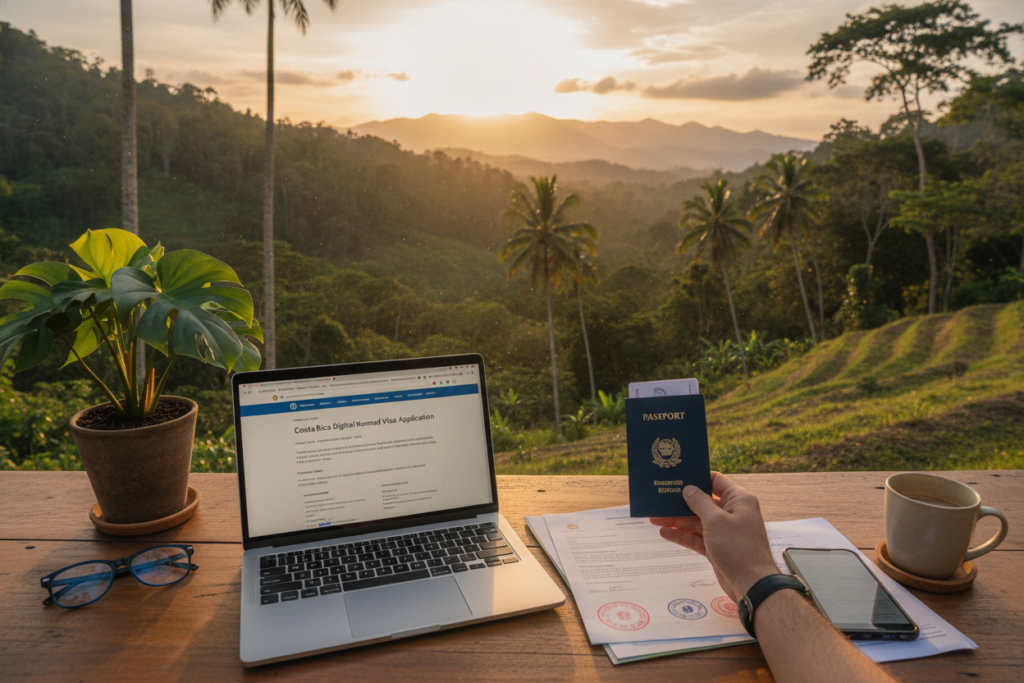
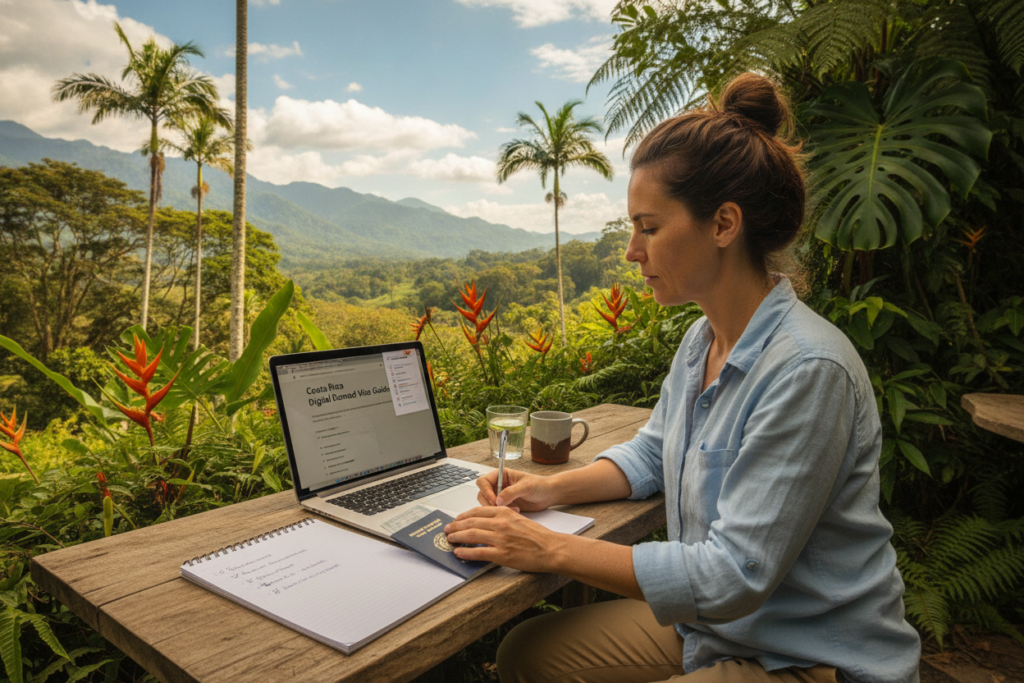
Dreaming of a life surrounded by lush rainforests and tropical beaches? The famous “Pura Vida” lifestyle and welcoming culture make this country a top destination for remote workers seeking a fresh start.

We must clarify a crucial point from the start. The Costa Rica Digital Nomad visa is a temporary permission to stay. It is not a residency status and does not count toward citizenship.

Our focus at CRIE is exclusively on genuine residency and immigration pathways. If you seek permanent legal ties, you should explore categories like Pensionado, Rentista, or Inversionista.

While digital nomads need specific insurance to obtain their temporary visa, the requirements differ vastly from formal residency applications. This guide will walk you through both, emphasizing the long-term pathway.

We provide transparent, step-by-step guidance on documentation and common pitfalls. We make no promises, but we help you build a solid foundation for your future here.

Introduction to Costa Rica Residency and Digital Nomad Insurance

A professional office setting featuring a diverse group of Caucasian individuals in business casual attire, discussing Costa Rica residency and digital nomad visa pathways. In the foreground, a well-dressed man and woman are seated at a sleek conference table filled with documents and a laptop displaying the brand name "Pura Vida Costa Rica." In the middle background, a large screen shows a colorful infographic of Costa Rica’s visa options, blending tropical elements like palm trees and the outline of the country's map. Soft natural lighting filters through large windows, casting a warm glow and creating an inviting atmosphere. The composition should evoke a sense of collaboration and opportunity, capturing the essence of digital nomadism in Costa Rica.

The distinction between a temporary stay and establishing permanent roots in this Central American nation is fundamental for planning your future. Many location-independent professionals start by exploring the temporary permit for remote workers.

This permit allows you to live and work here for up to a year, renewable once. It requires proof of foreign income and valid health coverage. However, it is explicitly not a form of residency (Residencia).

Time spent under this status does not count toward the years required for permanent residency or citizenship. For those seeking long-term legal ties, the country offers formal pathways like Pensionado, Rentista, and Inversionista.

The Rentista category, based on proven monthly income, is often the closest fit for remote professionals. Both temporary and permanent applicants need insurance, but the requirements and verification differ significantly.

Our focus at CRIE is solely on guiding clients through these formal residency and immigration processes. We provide expert, step-by-step guidance to build a solid application. There are no shortcuts, but we help you navigate the complex requirements with confidence. For details on the temporary option, you can learn more about the digital nomad.

Eligibility and Qualification for Costa Rica Residency (Residencia)

A professional business setting showcasing eligibility for Costa Rica residency, featuring a diverse group of three Caucasian individuals in business casual attire (polo or button-down shirts), engaged in a discussion. The foreground includes a wooden table with residency documents and a laptop open to a vibrant website titled "Pura Vida Costa Rica". The middle features the team brainstorming over maps of Costa Rica and checklists for residency. The background includes large windows with lush tropical greenery visible outside, providing natural light, creating an inviting and productive atmosphere. Use soft lighting to enhance the warmth of the scene, captured at a slight angle to emphasize collaboration and engagement. The overall mood is focused yet friendly, illustrating the importance of understanding residency qualifications in a welcoming environment.

To build a permanent life here, you must qualify under one of the official residency categories. Each has specific financial requirements. We walk you through the main options.

Who Qualifies for Residency

The Pensionado (Pensionado) category is designed for retirees. You must have a guaranteed lifetime pension of at least US$1,000 per month.

Many remote workers fit the Rentista (Rentista) category. It requires demonstrating a stable monthly income of US$2,500 for two years. This income can come from investments or business revenue.

The Inversionista (Inversionista) pathway is for investors. A minimum investment of US$150,000 in local assets is required. If purchasing real estate, the title must be in your personal name.

These categories grant formal legal residency. This status counts toward permanent residency and citizenship, unlike a temporary digital nomad visa.

Basic Requirements and Initial Steps

First, determine which category aligns with your financial situation. Verify you meet the income or investment threshold.

Start gathering your documentation. Proof includes pension statements, bank records, or investment certifications. All documents require proper authentication.

You will also need a valid passport, a clean criminal background check, and health insurance that meets local standards. The application process begins while you are still abroad.

Meeting the financial threshold is just the first step. Government review involves multiple steps and can take several months. Patience and thorough preparation are essential for a successful outcome.

Preparing Your Documentation: Apostilles, Translations, and More

A successful residency application hinges on meticulous document preparation long before you set foot in the country. We guide you through this essential phase to build a solid foundation.

Essential Documents to Collect

Start gathering your core paperwork from home. You will need a valid passport, an official criminal background check, and financial proof of income or pension. Birth and marriage certificates are also required if applicable.

Having these items ready is the first critical step in the application process.

Tips for Apostilles and Translations

Most foreign documents require an apostille from your home country’s authorities. This authentication cannot be done after you arrive. Plan for this to take several weeks.

Once in Costa Rica, you must get official Spanish translations from a certified local translator. Incomplete or improperly prepared documents are a leading cause of delays.

Always verify the latest requirements directly at migracion.go.cr. When in doubt, seeking expert guidance can help navigate these complex steps.

Timelines and Common Pitfalls in the Application Process

Once your documents are prepared, the waiting period begins—this is where realistic expectations are crucial.

Understanding Processing Timelines

The entire process typically spans several months. We break it into phases: preparation, submission, government verification, and final approval.

These are estimates, not guarantees. Government workload and your case details affect the schedule. It’s wise to plan for flexibility.

Mistakes to Avoid for a Smooth Process

Common errors cause major delays. Submitting papers without proper apostilles or certified Spanish translations tops the list.

Another critical mistake is not meeting exact income thresholds with clear proof. Attempting to shortcut the system almost always backfires.

Always verify the latest official requirements. Patience and thorough accuracy are your best tools for navigating this phase successfully.

Costa Rica Digital Nomad Insurance Requirements

The mandatory health coverage for the temporary remote work permit serves a distinct purpose separate from long-term residency rules. We must clarify this critical difference upfront.

For this specific visa, you must provide proof of valid health insurance covering your entire intended stay. Minimum medical coverage of $50,000 is standard, including emergencies and hospitalization.

Remote workers typically use international travel medical or specialized nomad policies. These plans offer the flexibility needed for a temporary stay.

It is vital to understand this permit is not a form of legal residency. Time spent here does not count toward the years required for permanent status or citizenship.

If you decide you want to stay permanently, the Rentista category is often the closest fit. It is based on proven monthly income rather than a pension.

Transitioning requires starting the formal residency application from scratch. Residency often requires enrolling in the public CCSS system or a local private plan.

The public system is affordable but can have wait times. Private facilities like CIMA offer faster, English-speaking care. Always verify current requirements at migracion.go.cr.

Financial Thresholds: Pensionado (Pensionado), Rentista (Rentista), and Inversionista Explained

Understanding the financial criteria for each residency pathway is key to selecting the right option for your long-term plans. We break down the three main categories: Pensionado (Pensionado), Rentista (Rentista), and Inversionista (Inversionista).

Minimum Income and Investment Criteria

The Pensionado category requires proof of a permanent pension of at least US$1,000 per month. This income must come from a government or qualified private plan.

Rentista applicants must demonstrate a guaranteed monthly income of US$2,500 for two years. Sources can include investments, business revenue, or annuities.

The Inversionista pathway demands a minimum investment of US$150,000 in Costa Rican assets. If purchasing real estate, the title must be in your personal name.

Comparing the Different Residency Options

Pensionado suits retirees with a stable pension. Rentista fits those with reliable cash flow. Inversionista is for individuals with significant capital to invest.

Each category has ongoing obligations and different documentation needs. We recommend verifying the latest requirements directly with authorities.

Starting from Home: Document Preparation and Confidence Building

Your journey to establishing roots abroad begins not with a plane ticket, but with a well-organized file folder at home. The most critical work for your residency application happens long before you arrive in Costa Rica.

Organizing Your Paperwork Before Arrival

Start by gathering certified copies of birth certificates, marriage documents, and police background checks. These documents must be apostilled in your home country—this step cannot be done later.

Create a simple tracking list for each item. Note its apostille status and expiration date. This organization prevents last-minute scrambling and costly delays.

Verifying Requirements on migracion.go.cr

Always verify the latest official checklist directly at migracion.go.cr. This site is your source for current forms, fees, and procedural updates.

Checking requirements builds confidence. You’ll know exactly which documents you need for your specific residency pathway.

Thorough preparation at home reduces stress. It creates a solid foundation for your entire application journey, letting you focus on the exciting transition ahead.

Embracing Your Future in Costa Rica: Final Steps for a Smooth Transition

Achieving residency status provides the legal foundation to build a lasting life, integrate into the community, and enjoy true peace of mind. This final step culminates months of careful preparation.

Legal residency opens doors temporary permits cannot. You gain the ability to live here indefinitely and access the public healthcare system. It’s the path to truly embracing the famous Pura Vida lifestyle.

Once approved, you’ll complete biometrics and receive your cédula. These final administrative tasks typically take a few weeks. Then, you can focus on enjoying the welcoming culture and natural beauty.

We at CRIE are your long-term partner in this journey. For expert guidance, contact us via WhatsApp at +506 8706 3888 or email info@crie.cr. Always verify current procedures at migracion.go.cr.

FAQ

What are the health coverage requirements for the visa?

You must provide proof of valid international or local health insurance for your entire intended stay. The policy must offer coverage within the country and meet minimum requirements set by immigration authorities. We always recommend securing this proof early in your application process.

How do I prove my monthly income meets the financial requirements?

You’ll need official documentation—like bank statements or a letter from a pension provider—showing consistent, verifiable deposits. The required minimum amount depends on your chosen residency category, such as Rentista or Pensionado. Gathering these financial documents from your home country is a critical first step.

How long does the application process typically take?

Processing times can vary widely, often taking several months. Delays frequently occur due to incomplete documentation or translation errors. Starting your document preparation early—including apostilles and certified translations—is the best way to manage expectations and avoid common pitfalls.

Can I use my existing travel insurance policy?

A> Most standard travel policies do not meet the specific, long-term coverage requirements for this residency pathway. You typically need a specialized international health plan or a policy from a Costa Rican provider that is valid locally. Always verify the exact specifications before assuming your current plan is sufficient.

What is the most common mistake applicants make?

Underestimating the document preparation phase is a major hurdle. This includes not getting birth certificates apostilled, using unofficial translations, or not having financial proof covering the full required period. We advise using the official immigration website (migracion.go.cr) as your primary source to verify every requirement.

What happens if my application is denied?

Denials often stem from incomplete paperwork or insufficient proof of financial means. You can usually reapply by addressing the specific reason for rejection. Working with a professional who understands the local system can significantly improve your chances of a successful outcome on your first attempt.


Article by Glenn Tellier (Founder of CRIE and Grupo Gap)

Don't wait, contact us right now!
Call or WhatsApp Costa Rica +506 8373 2085 or +506 8706 3888
Call USA/Canada +1 305-906-6784

See If You Qualify For Residency Today!