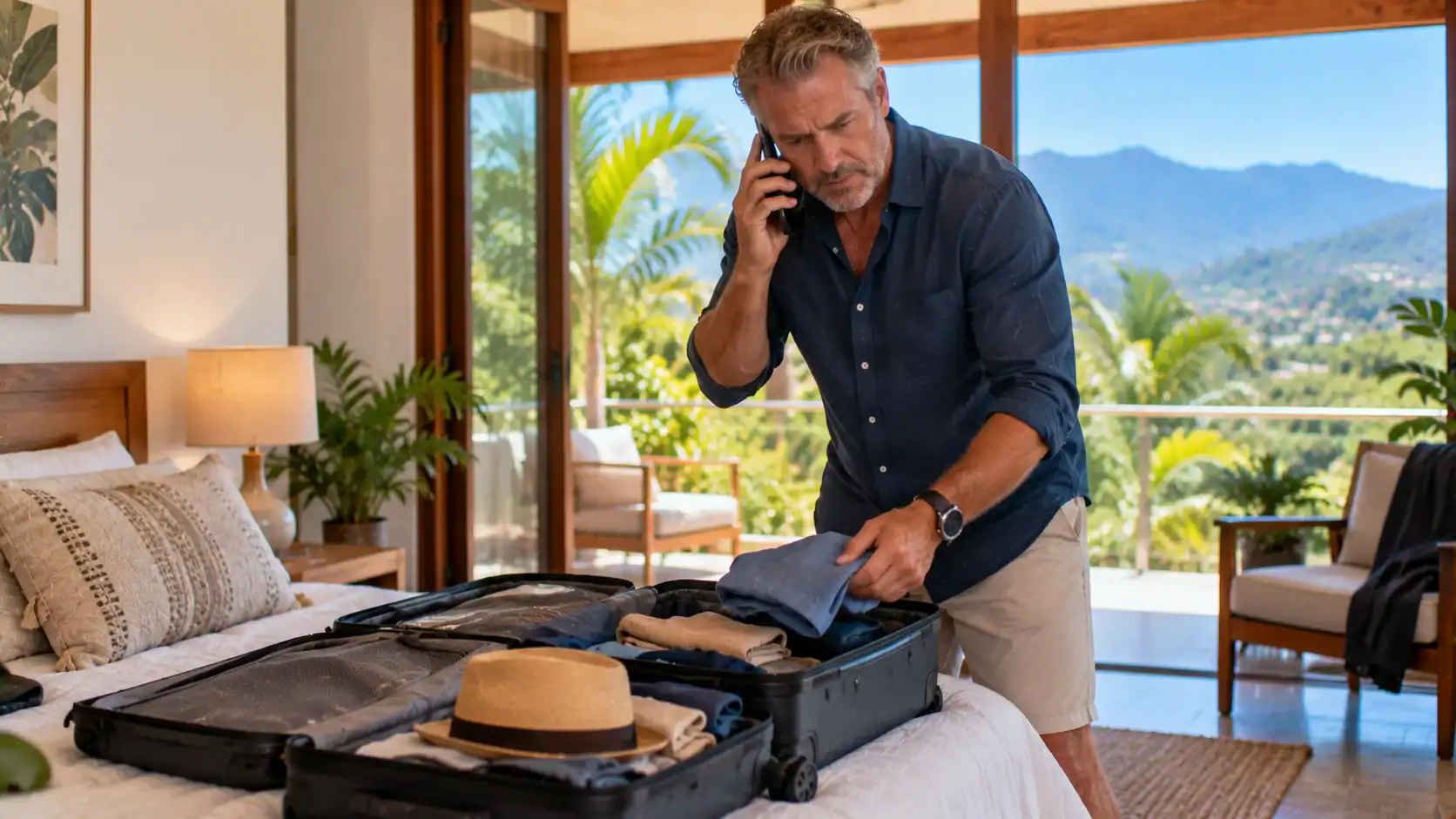
This is a pressing question for anyone navigating the immigration process. The straightforward answer is yes—international travel is possible. However, specific procedures must be followed to protect your legal standing.
We at CRIE provide clear, professional guidance on this exact scenario. Once your application is filed, you receive an expediente document. This paper proves your case is active with immigration authorities.
It allows you to stay in the nation beyond a tourist visa. More importantly, it is key for re-entry. The required documentation differs if you travel by air versus by land.
Understanding these rules is crucial for planning family visits or business trips. Proper preparation prevents complications upon your return. Our expertise helps you move forward with confidence during this waiting period.
Introduction to Costa Rica Residency and Renewal Process

The journey to becoming a legal resident in Costa Rica hinges on meticulous preparation from the very start. The residency process is structured and demands specific documentation from your home country.
Overview of CRIE Services for Residency (crie.cr)
We at CRIE (crie.cr) focus exclusively on Costa Rica residency and immigration services. Our role is to guide you through every phase with transparency. We provide expert partnership in navigating the complex immigration system.
We ensure your documentation meets all requirements specified by authorities. Our service is about step-by-step guidance, not promises about approval timelines.
Understanding the Importance of Document Preparation
The foundation of any successful application rests on gathering correct documents. Each must be properly apostilled by your country’s designated authority. Official translations by certified translators in Costa Rica are also mandatory.
Most official papers, like birth certificates, are valid for only six months from issuance. This makes timing your submission strategically important. Starting this process before you relocate prevents frustrating delays.
Proper documentation preparation is the critical first step. It determines whether your application moves forward efficiently or gets stuck. We emphasize this to set realistic expectations for your residency journey.
Can You Leave Costa Rica While Residency Renewal Is Pending

Costa Rican immigration policy explicitly allows for travel abroad while a residency file is under review. Upon filing your case, authorities issue an official expediente document.
This paper serves as legal proof of your active application status. It permits you to stay in the country beyond a tourist visa’s expiration.
The expediente also forms the basis for re-entry after international travel. However, the rules differ between land borders and airports.
Crossing by land into neighboring nations is straightforward. Present your expediente to border officials when returning to Costa Rica. An onward ticket is typically not required.
Air travel involves an extra layer. While immigration law allows your re-entry, airlines may still request proof of a return flight. We recommend carrying both your passport and the expediente at all times.
Understanding these distinctions is the key to stress-free movement. Proper documentation ensures a smooth return, protecting your legal standing during the process.
Step-by-Step Guide to Costa Rica Residency Applications (Pensionado, Rentista, Inversionista)
Understanding your eligibility is the first critical step toward securing legal status in Costa Rica. We guide clients through three primary residency options: Pensionado, Rentista, and Inversionista.
Who Qualifies for Each Residency Category
The Pensionado category is for retirees with a verifiable lifetime pension. It requires proof of at least US$1,000 per month in permanent income.
The Rentista pathway suits those with guaranteed income from investments or annuities. Applicants must demonstrate US$2,500 per month for two years.
The Inversionista program demands a minimum investment of US$150,000 in local assets. A crucial rule: the property must be in the applicant’s personal name.
Eligibility Criteria and Financial Thresholds
Meeting the financial requirements is just one part of the process. Official documentation must prove the income or investment source.
Note that the Digital Nomad visa is not a residency category. It does not count toward permanent status or citizenship.
If you seek a true residency path, the Rentista option is often the closest fit. It provides full legal rights and a timeline toward permanent residency.
Preparation and Document Checklist for a Smooth Application
A successful residency application is built on a foundation of meticulously prepared paperwork. We guide clients to begin this essential documentation process well before relocation.
Essential Documents and Their Requirements
The required documents form the core of your submission. You need a newly issued, certified copy of your birth certificate from vital records.
A police clearance or criminal background check is mandatory from every country where you lived as an adult. This proof must typically be issued within the last six months to remain valid.
If applicable, include a certified marriage certificate. For dependent children, their birth certificates listing you as a parent are also necessary.
Process for Apostilles and Translations
Every official document from your home country requires an apostille. This international certification validates the paper for use in Costa Rica.
You must obtain apostilles before arriving. In the United States, this means contacting your state’s Secretary of State office.
After apostille, certified translation into Spanish is the final step. Only a traductor oficial registered with local authorities can provide this service.
Since most documents are valid for just six months, timing is critical. Starting this entire process from your home country prevents significant delays.
Timelines and Key Milestones in Your Residency Journey
A clear understanding of timeframes is essential for managing expectations throughout your application journey. We set realistic expectations about this process from the start.
Submission Phases and Expected Timeframes
The residency process typically takes eight to twelve months from submission to final approval. This period includes distinct phases: document preparation, formal filing, official review, and card issuance.
Your application enters a queue at immigration upon submission. Review times can vary based on administrative volume and staffing.
Managing Document Expiration and Renewals
Most official papers are valid for just six months from their issue date. Since the approval period often exceeds this window, documents may expire.
This necessitates obtaining fresh copies, new apostilles, and updated translations. We help clients time their submissions strategically to minimize this risk.
After initial approval, a renewal cycle begins. Temporary status typically requires renewal every one to two years.
Proactive planning involves tracking all key dates. A detailed calendar helps you prepare for each phase without last-minute complications.
Common Mistakes and Pitfalls to Avoid During Residency Renewal
Learning from the errors of others is a strategic way to safeguard your own residency renewal journey. We have observed consistent patterns that cause unnecessary complications.
Frequent Application Errors
A major pitfall involves documents nearing their six-month validity window at submission. This almost guarantees needing fresh papers mid-process.
Underestimating apostille processing times back home creates similar delays. Financial proof must precisely match category requirements—ambiguous statements lead to rejection.
Using uncertified translators invalidates your entire submission. Another critical error is assuming Digital Nomad status contributes toward permanent residency—it does not.
Advice to Prevent Documentation Delays
Our core advice is to partner with specialists from the outset. Begin gathering paperwork earlier than seems necessary.
Build a generous buffer into every deadline. Maintain meticulous records of all submissions and dates.
For a smooth residency renewal in Costa Rica, never assume “close enough” suffices. Immigration officials demand exact compliance with every rule.
Maintaining Legal Status and Travel Rights While Renewal Is Pending
The key to stress-free international travel during processing is understanding two distinct sets of rules. Your legal standing is secured by the official expediente document issued upon filing.
This paper changes your immigration status from a short-term tourist to an applicant with a case under active review. It authorizes you to remain in the country throughout the entire process, even beyond the standard tourist visa period.
Using Your Expediente as Proof of Pending Application
Understanding the expediente’s legal weight is important. It serves as definitive proof that your residency status is pending.
This official shift eliminates the need for “border runs” to renew a tourist visa. You are legally present while authorities process your file.
Guidelines for International Travel During the Process
For land travel to neighboring countries, present your expediente to border officials upon return. They will typically allow re-entry without requiring an onward ticket.
Air travel presents a different scenario. While immigration law permits your entry with the expediente, airlines often enforce their own policies.
Carry your passport, expediente, and consider having proof of onward travel when flying. This prepares you for any airline requests at check-in.
The document protects your right to return, giving you peace of mind for necessary trips abroad.
Additional Considerations: Thresholds, Exclusions, and Special Cases
Beyond the basic categories, specific financial thresholds and program exclusions require careful attention. We address these special cases to prevent application surprises.
Understanding Income Requirements for Pensionado and Rentista
The income thresholds for Pensionado and Rentista are strict legal mandates. Pensionado applicants must prove permanent pension income of at least US$1,000 per month.
Rentista applicants need guaranteed income of US$2,500 monthly for two years. These are non-negotiable figures set by Costa Rican immigration law.
For the Inversionista category, the US$150,000 minimum investment has a critical rule. The qualifying property must be held in the applicant’s personal name, not through a corporation.
Why Digital Nomad Status Does Not Count Toward Residency
Costa Rica’s Digital Nomad visa is a separate temporary authorization. It does not constitute temporary residency and offers no path to permanent status.
Time under this visa does not count toward citizenship eligibility. If your goal is genuine Costa Rica residency, the Rentista category is often the appropriate alternative.
The pathway to Costa Rican citizenship always begins with obtaining temporary residency. After three years, one can apply for permanent residency.
Most nationalities require a total of seven years of residency before becoming eligible for citizenship. Planning with these milestones in mind is essential.
Final Thoughts for a Smooth Transition to Permanent Residency
Achieving permanent residency in Costa Rica marks a significant milestone. The path typically spans three years of maintained temporary status, requiring periodic renewal.
This progression unlocks substantial benefits. Permanent residents gain unrestricted work rights and more flexible travel rules.
They can be absent for up to two consecutive years without losing status. This offers greater freedom for global connections.
Living in Costa Rica as a legal resident means full integration into its life. It allows access to healthcare and local services.
We provide expert support throughout this entire journey. Our partnership ensures each phase is handled with precision.
For personalized advice on your Costa Rica residency path, contact us. Reach CRIE via WhatsApp at +506 8706 3888 or email info@crie.cr.
FAQ
Can I travel outside the country while my residency renewal is being processed?
Yes, you can typically travel. However, you must carry the official receipt proving your renewal application is pending, known as the “expediente.” This document serves as your temporary proof of legal status when re-entering the country. We always advise consulting with an immigration expert for your specific case before making travel plans.
What documents are most critical for a smooth renewal application?
The most critical items are your current residency card (DIMEX), a valid passport, proof of ongoing financial solvency (like pension or investment statements), and a clean criminal background check. All foreign-issued documents require an apostille and official Spanish translation. Proper document preparation is the key to avoiding significant delays.
How long does the residency renewal process usually take?
The processing time can vary, but you should plan for several months. It’s crucial to submit your renewal application well before your current card expires to maintain uninterrupted legal status. We help clients track these timelines and manage document expiration dates to prevent lapses.
What are common mistakes that cause renewal applications to be rejected or delayed?
Frequent errors include submitting expired documents, providing incorrect translations, missing apostilles, or failing to prove continuous financial eligibility. Another major pitfall is waiting until the last minute to start the process, which doesn’t allow time to correct unforeseen issues.
Do the income requirements for categories like Pensionado or Rentista change?
The financial thresholds for these temporary residency categories are set by the Costa Rican government and can be adjusted. It’s essential to verify the current minimum required income or deposit amount at the time of your application or renewal, as using outdated figures will result in a denial.
Why doesn’t holding a Digital Nomad visa help me get permanent residency?
The Digital Nomad visa is a separate, non-resident immigration status. Time spent under this visa does not count toward the three-year requirement needed to apply for permanent residency. They are distinct processes with different long-term goals and benefits.
Article by Glenn Tellier (Founder of CRIE and Grupo Gap)
Don't wait, contact us right now!
Call or WhatsApp Costa Rica +506 8373 2085 or +506 8706 3888
Call USA/Canada +1 305-906-6784