
Understanding the caja payment rules in Costa Rica is essential for anyone considering long-term residency. The Caja Costarricense de Seguro Social, the public healthcare system, plays a crucial role in this process. For residency applicants, registering with the Caja is not just a formality; it is a mandatory step in the immigration journey.
This article aims to provide a clear overview of how the national social security system functions for new residents. We want to simplify the residency requirements, helping you navigate the administrative landscape with confidence. Many newcomers find that the healthcare system is a cornerstone of their new life, ensuring access to essential medical services.
By following our guide, you will learn how to manage your obligations effectively while maintaining your legal status in the country. With the right information, you can approach your move to Costa Rica with the proper financial preparation and peace of mind.
Understanding Caja: An Overview of Costa Rica’s Social Security System
Navigating the intricacies of the Caja system is crucial for anyone planning to settle in Costa Rica. The Caja Costarricense de Seguro Social (CCSS) serves as the backbone of public healthcare and social security in the country. This system provides essential medical care and long-term coverage for residents.
For many people, enrollment in the Caja is not just beneficial; it is a mandatory requirement for finalizing residency status after immigration approval. Compliance with this government requirement is critical for all foreign nationals living in Costa Rica.
Access to public healthcare is a significant advantage. However, residents must understand that their coverage is closely tied to their legal status. This article aims to clarify how the Caja system operates and its impact on the daily lives of new residents.
How Caja Fees Are Calculated for Different Residency Categories
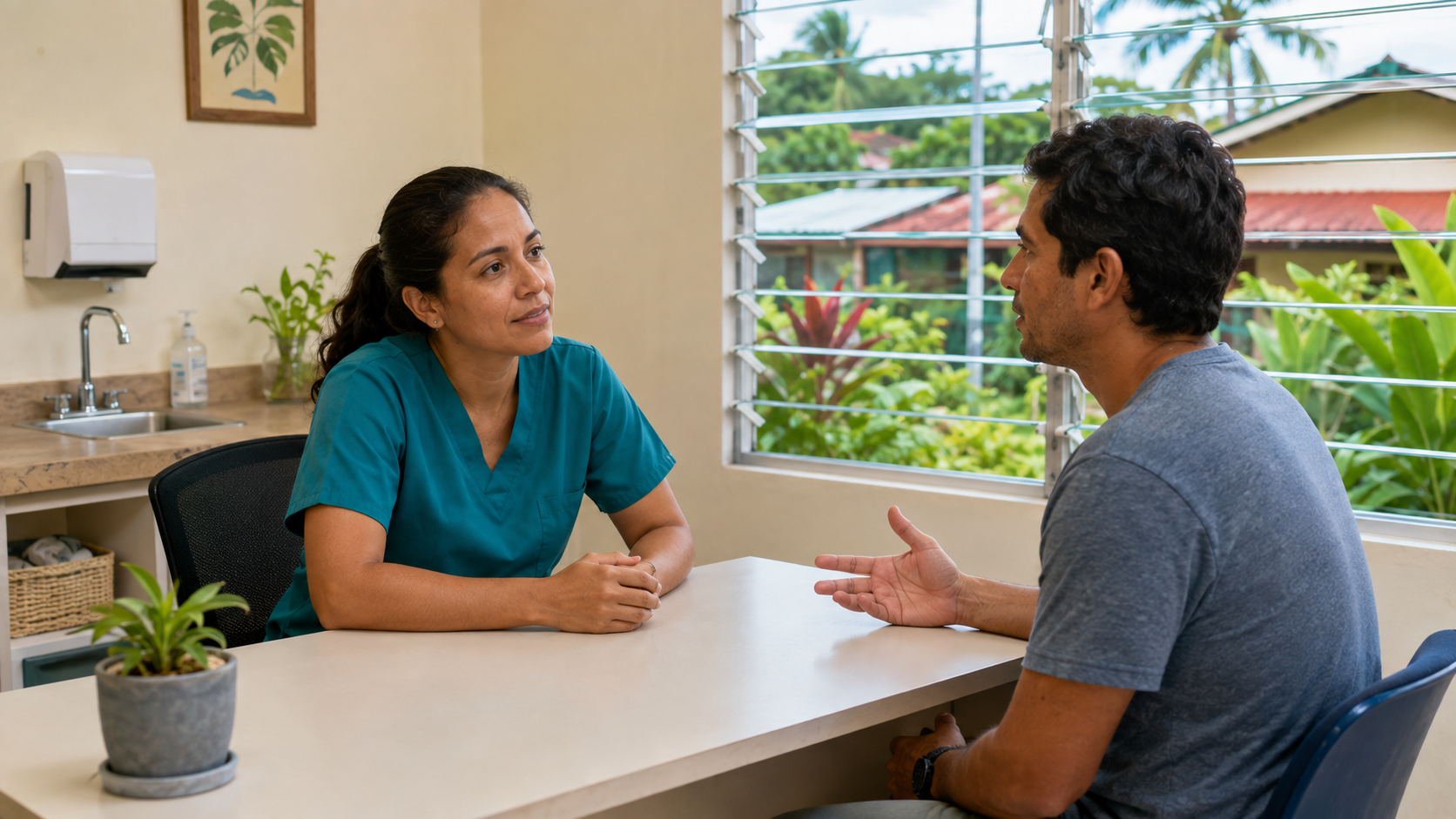
Understanding the calculation of Caja fees can greatly benefit those settling in Costa Rica. The Caja system relies on two main pillars: SEM for health insurance and IVM for the pension system. Each resident must provide proof of income, which helps determine their monthly contribution amount.
For a Pensionado resident, the calculation is based on the lifetime pension income reported during the immigration approval process. Rentista applicants must account for their fixed income, while investors need to provide financial documentation to meet the Caja system’s requirements.
These services ensure that all residents contribute fairly to the healthcare and pension funds managed by the government. By grasping the calculation process, we can better plan for the costs associated with our new life in Costa Rica.
Detailed Breakdown by Residency Type
For those looking to establish themselves in Costa Rica, grasping the intricacies of the Caja payment system is vital. Each residency category has its unique fee structure, influencing the overall costs for new residents.
Pensionado residency fee determination
Pensionado residents typically demonstrate a monthly pension income of at least $1,000. This income is essential for qualifying under the specific residency category. The Caja system calculates their monthly premium using established SEM and IVM percentage formulas based on the reported income.
Differences in Rentista and Investor calculations
Rentista residents, on the other hand, often show a monthly income of $2,500. Their contributions are assessed based on documented financial proof. Investors must provide certified financial documentation to determine their contribution accurately. Families, including spouses and children, can often be included under a single insurance policy, simplifying the healthcare coverage process.
Registration Process and Timing for Caja Enrollment
Knowing how to register for Caja is essential for expats aiming for residency in Costa Rica. The registration process typically begins after you receive official residency approval from immigration authorities. This step is crucial for ensuring access to the healthcare services provided by Caja.
Before visiting the local Caja office, it’s important to prepare your documentation. You will need your passport and proof of income ready for enrollment. Many expats find that completing this step promptly is vital for finalizing their DIMEX card and maintaining legal status in Costa Rica.
While the process may seem complex, organizing your residency documents will help you navigate the requirements more efficiently. Remember, family members, such as spouses or children, may also need to be included in your initial registration plan.
Once enrolled, you will receive information regarding your monthly contribution. This information is vital for your long-term healthcare coverage and helps you plan for future costs associated with living in Costa Rica.
Common Mistakes in Estimating Your Caja Payments
Many newcomers to Costa Rica often misjudge their expected Caja payments. This can lead to financial strain and unexpected costs. Understanding the common pitfalls can help you avoid these issues.
A frequent mistake is assuming that private insurance can replace the mandatory Caja requirement. This assumption can create gaps in your healthcare coverage. Additionally, many people incorrectly estimate their monthly payments by using figures from other residents. This is problematic because income and residency category can greatly affect the amount owed.
Failing to account for mandatory pension contributions can also lead to surprises after residency approval. Some expats delay addressing these requirements, which can complicate the immigration process. It’s crucial to recognize that the Caja system is not a flexible private insurance plan. By avoiding these common errors, we can keep our financial plans accurate and our residency status secure.
For more insights on navigating residency in Costa Rica, check out our residency support services.
Budgeting and Long-Term Planning for Monthly Caja Contributions

For a successful residency in Costa Rica, understanding how to budget for Caja payments is key. When planning your move, it’s essential to incorporate your monthly Caja contribution into your long-term residency budget. This will help you manage your finances effectively.
Several factors can influence the amount you pay each month. Changes in your income, family status, or adjustments mandated by the government can all affect your final payment. Many expats find that maintaining a clear financial plan helps them avoid surprises during residency renewals or updates.
It’s important to remember that these costs are separate from private healthcare expenses. Many residents choose to maintain private insurance for quicker access to clinics and doctors. By treating your Caja payment as a fixed monthly cost, you can ensure that your residency process remains smooth and compliant.
Proper planning allows you to enjoy the benefits of the Costa Rican healthcare system while keeping your finances stable and predictable.
How CRIE Supports Your Residency Process and Caja Registration
The path to residency in Costa Rica is much smoother with professional guidance tailored to your needs. At CRIE, we have over 20 years of experience helping individuals and families navigate the complexities of immigration.
Our team recognizes that every case is unique. Factors like nationality, family situation, and immigration history can influence your residency journey. We provide personalized guidance for your specific residency category and Caja registration.
Johanna Alvarez, our dedicated immigration expert, is here to assist you. She can help clarify the requirements and streamline your process. We focus on delivering practical information to help you meet all government obligations efficiently.
For assistance, reach out via WhatsApp at +506 8373 2085 or email info@crie.cr. Our goal is to support you in managing your residency obligations effectively as you settle into your new home.
Final Thoughts and Next Steps with CRIE
Embarking on your residency journey in Costa Rica involves understanding the vital aspects of the Caja system. Navigating this system is essential for ensuring you meet your legal obligations while enjoying the benefits of healthcare.
By recognizing your specific residency category and income requirements, you can effectively manage your monthly contributions. This will help maintain your legal status and avoid unexpected costs.
Remember, CRIE is here to provide the expertise you need to handle your immigration process with confidence. Don’t hesitate to reach out to Johanna Alvarez for personalized guidance on your residency and Caja registration needs.
Contact us today via WhatsApp at +506 8373 2085 or visit CRIE’s website to start your journey toward residency in Costa Rica.

FAQ
What is the Caja system in Costa Rica?
Caja, or Caja Costarricense de Seguro Social, is Costa Rica’s social security system that provides healthcare and social services to residents, including expats. It is essential for maintaining residency status in the country.
How are Caja fees calculated for different residency categories?
The fees are based on income and vary depending on residency categories such as Pensionado, Rentista, and Investor. Each category has specific contribution percentages that are applied to the declared income.
What documents do we need for Caja registration?
To register for Caja, we need proof of residency, income documentation, and identification. This may include our residency card, tax returns, and any relevant financial statements.
How often do we need to make Caja payments?
Caja payments are typically made monthly. It’s important for us to stay current with these payments to ensure continuous access to healthcare services.
What are common mistakes people make when estimating Caja payments?
Many people misinterpret their income levels or contribution percentages, leading to underestimating their monthly fees. It’s crucial for us to accurately assess our financial situation when calculating these contributions.
How can we budget for our monthly Caja contributions?
We should incorporate Caja fees into our overall residency budget by reviewing our income and other expenses. Understanding the potential changes in our income can also help us plan effectively.
What support does CRIE provide for Caja registration?
CRIE offers guidance throughout the residency process, helping us navigate the requirements for Caja registration. With over 20 years of experience, we understand the unique needs of each individual case.
Can children be included in our Caja coverage?
Yes, children can be included in our Caja coverage. We need to provide their identification and proof of dependency to ensure they receive the necessary healthcare services.