
The best place to retire in Costa Rica depends on the life you want to build, but most of the retirees we help end up in the Central Valley. It has spring-like weather most of the year, the country’s best hospitals and specialists, shopping and services close by, and the international airport within easy reach, while the beaches stay a weekend trip away. Below, we explain why, and how to compare the other regions too.
Looking at all your options? Read our complete guide to Costa Rica residency, with every category compared.
Start with your everyday priorities
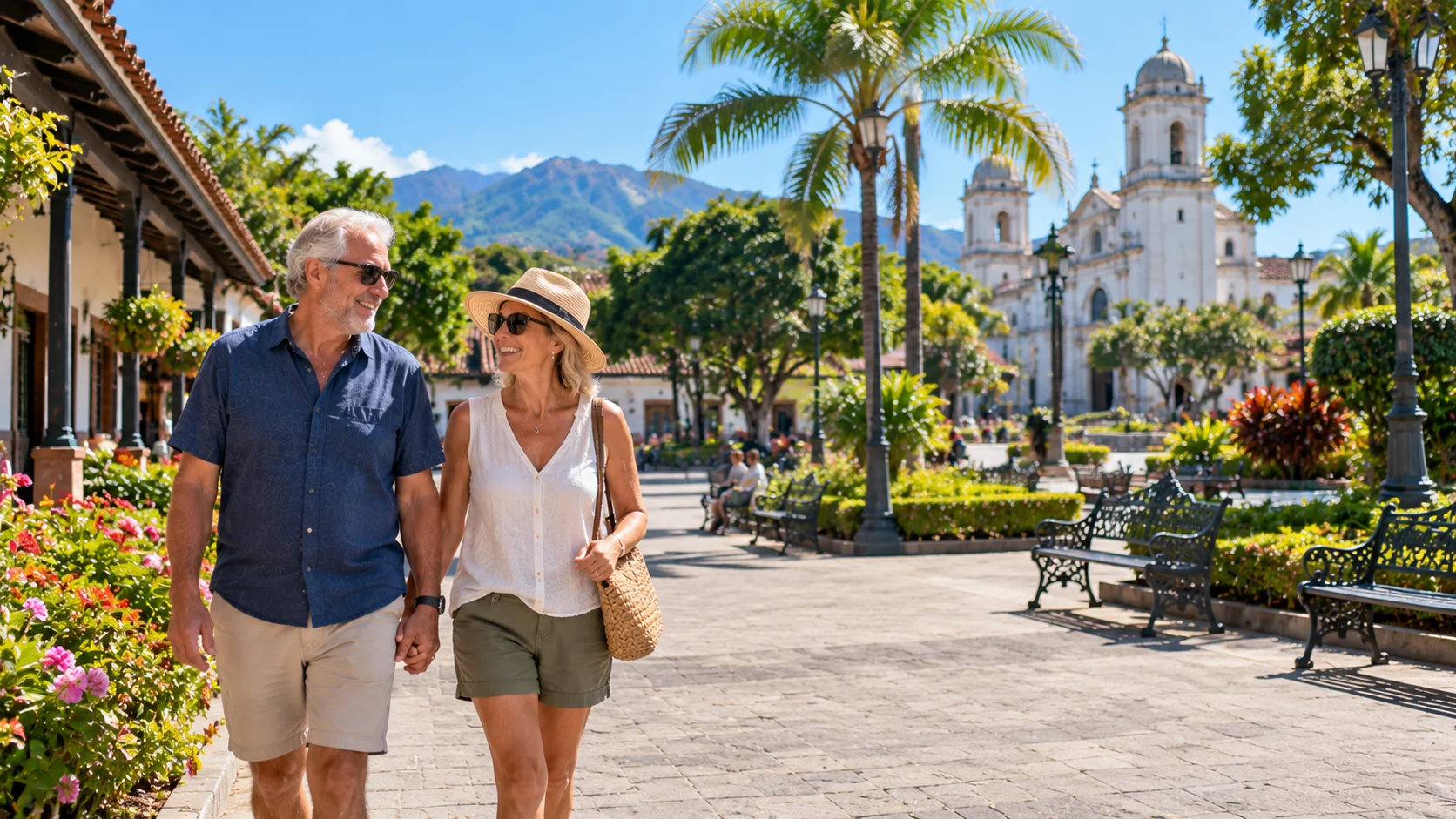
Before comparing towns, make a short list of what matters most. Think about climate, walkability, driving, noise, community, access to everyday services, and the kind of home you enjoy. A location that feels perfect for a weekend may not feel right for a normal week.
The Central Valley
The Central Valley is where most of our clients choose to live, and where our team has worked for over 20 years. It sits high enough to stay comfortable: mornings are fresh, afternoons are mild, and you can pick your microclimate, from cooler mountain towns to warmer valley towns, without the constant heat and humidity of the coast. The largest public hospitals and the top private hospitals and specialists are here, along with malls, supermarkets, banks, restaurants and the international airport. The immigration offices you will visit for your residency are here too. And when you want the ocean, the Pacific beaches are a day or weekend trip away.
Each community has its own personality: some areas feel urban and active, others are smaller and more residential. Visit at different times of day to understand traffic, rain, noise, and the rhythm of the specific area.
For a closer look at the capital and its surroundings, read our Escazú area guide and Barrio Amón history and visiting guide.
Atenas: assess the neighbourhood, not a climate slogan
Atenas is one of the communities included in the ICT’s Central Valley activities guide, which mentions local food traditions and rural activities. It is a useful area to explore when comparing smaller-town living with the urban communities around San José. This article does not endorse a claim that it has the world’s best climate.
Spend an ordinary day in the area you are considering. Try groceries, a meal, an appointment and the journey back to the prospective home. A house advertised as “Atenas” may have a very different access road and distance from services than a place near the town centre. Confirm internet, water arrangements, parking and transport at that exact address.
If airport access matters, test the actual route and leave room for traffic rather than relying on a fixed travel-time promise. Visit in different weather conditions where possible and compare the home’s ventilation, maintenance and accessibility. Ask local organizers about activities you would join; do not assume every neighbourhood has the same expat network.
Cachí, Paraíso and the Cartago area
Cachí can be considered as part of a visit to the wider Cartago and Orosi area. The ICT’s Central Valley attractions page describes the Cachí dam and reservoir, the Reventazón River and nearby Orosi and Ujarrás sights. The dam is hydroelectric infrastructure; a scenic view does not establish public access to the facility or permission for a water activity.
For sightseeing, confirm opening arrangements for each attraction with its operator and use permitted viewing areas. For a longer stay, look beyond the reservoir view: check the road to the specific property, everyday shopping, internet availability, healthcare access and transport to Cartago. Ask about current conditions before travelling and avoid stopping where roadside visibility or parking is unsafe.
A tourist circuit and a residential routine are different tests. Try both before deciding the area fits your plans. This is a starting point for evaluating the location, not a current property listing or a promise of inexpensive housing.
Mountain and lake communities
Mountain and lake areas can appeal to people who enjoy cooler conditions, green views, and a slower pace. They may suit someone who values scenery and quiet more than being close to a large city. Ask practical questions about roads, weather patterns, local services, and how often you expect to travel outside the area.
Pacific coast communities
Coastal towns offer a different rhythm, with warmer weather and an outdoor-focused lifestyle. Each coast and beach town has its own character. Some feel lively and social, while others are more relaxed or remote. Spend time there outside of peak holiday periods if you can, so you see how the place feels during normal life.
The Southern Zone
The Southern Zone attracts people who are drawn to lush landscapes, smaller communities, and a stronger sense of distance from the busiest parts of the country. It can be a good fit for someone who values nature and a quieter setting. It is especially important to visit in person and understand the travel and weather conditions that come with the location.
Retirement villages, independent housing and care
If you search for a “retirement village” in Costa Rica, clarify what the provider actually offers. A home in a residential development, an independent-living arrangement and a staffed care residence address different needs. A garden, pool or social calendar does not establish that nursing or personal assistance is available.
For independent housing, request the ownership or rental terms, recurring fees, community rules, accessibility details and the services included. Ask whether residents must meet any age criteria and what happens if your needs change. Our condominium ownership guide explains documents to review where that property regime applies.
If you need personal assistance, overnight support or nursing, evaluate a care service separately. CONAPAM describes long-stay homes, day centers and community care networks. These categories should not be treated as a guarantee of a subsidized place for every retiree. Contact the organization about eligibility, assessment and capacity.
Our assisted-living and elderly-care guide provides questions about authorization, staffing and written costs. Visit the actual accommodation, include the future resident in the decision, and ask how the provider handles increasing care needs.
Questions before paying a reservation or deposit
- What accommodation and services are included in writing?
- Who owns or operates the property, and what approvals apply?
- Which fees can change, and what are the refund and exit terms?
- Is support available at night and on weekends if you need it?
- Can the home and surrounding routes meet your mobility needs?
Official care-category sources checked September 7, 2026. Obtain current details directly from the provider; this is a comparison guide, not an endorsement of a development.
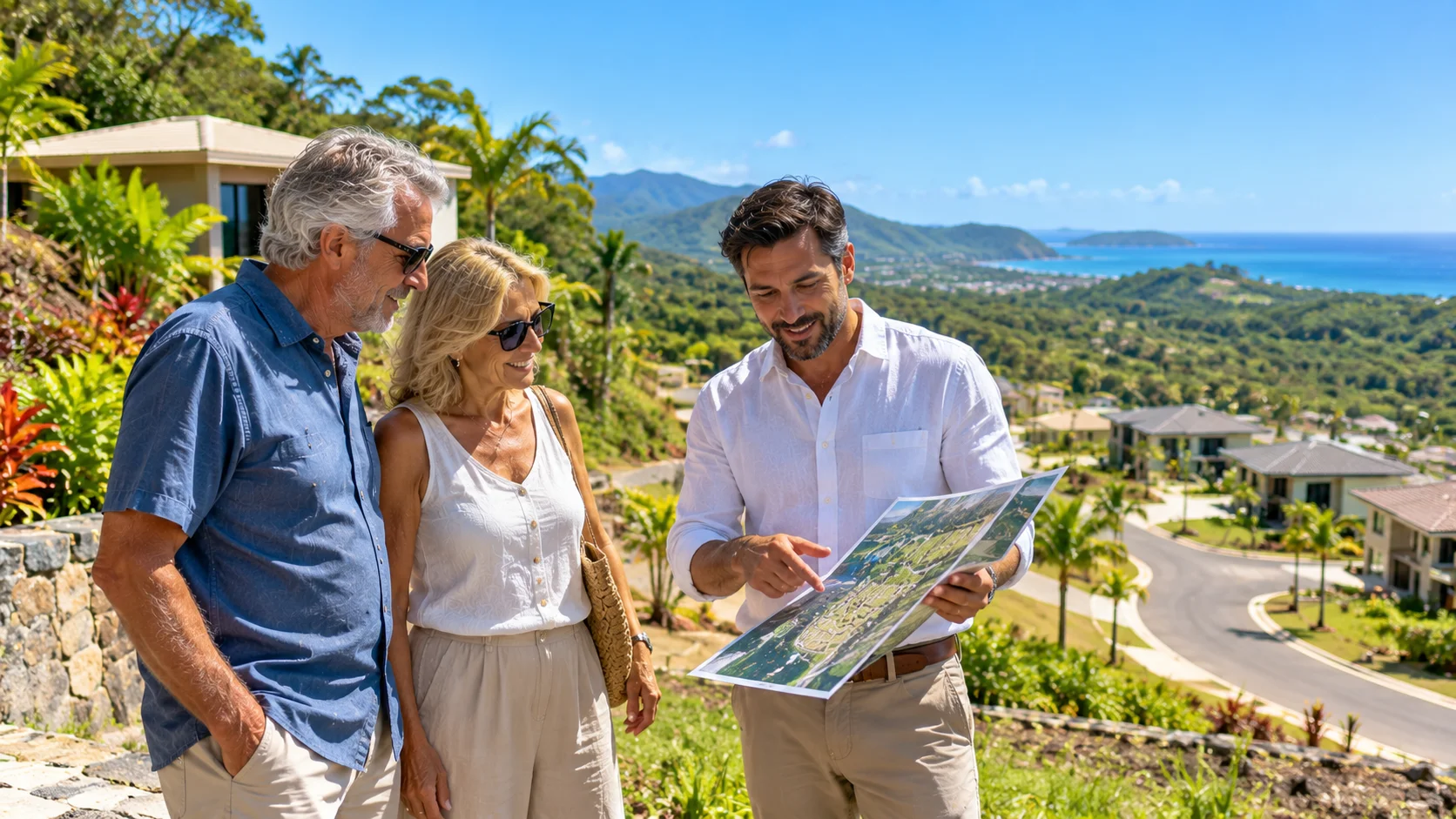
Looking for an affordable town in Costa Rica?
There is no verified nationwide “cheapest town” ranking in this guide. A low advertised rent can be offset by transport, household bills or the cost of reaching services you need. Compare actual homes and routines rather than assuming that a town’s reputation guarantees a lower budget.
Four places to include in your comparison
These are geographic starting points for research, not claims that they are cheaper than every alternative. The Costa Rican Tourism Institute’s Central Valley guide describes communities including Grecia, San Ramón and Turrialba; its Southern Pacific guide includes San Isidro de El General. Tourism information helps locate and understand an area, but does not establish current residential rents.
- Grecia: compare a home near your regular errands with one farther outside the center. Price the transport you would actually use and check connectivity at each address.
- San Ramón: compare central and outlying homes with the same bedrooms, furnishings and lease length. Include any trips outside the area that your work or appointments would require.
- Turrialba: compare the town with surrounding communities only after testing your routes. Ask about access in wet weather, utilities and the services included in the rent.
- San Isidro de El General: include housing here in a Southern Zone comparison, and separately budget any travel you expect to make to the coast, airport or other appointments.
Build a like-for-like monthly comparison
For each shortlisted property, record the quoted rent and date, deposit, utility responsibilities, internet availability, transport costs and your usual food basket. Keep one-time moving expenses separate from recurring costs. Compare similar lease terms; a holiday rental and a long-term unfurnished home are not equivalent price samples.
Request written details directly from the provider and visit before committing. A listing is an asking price, not proof of an area’s average cost. If a cheaper home would require buying a vehicle or making frequent long journeys, include those consequences before deciding it saves money.
Our cost-of-living guide explains grocery and household budgeting. Use it with your own quotes to find a place that is affordable for your household, rather than relying on an unsupported minimum monthly figure.
Official destination sources checked September 7, 2026. No rent survey or verified cheapest-town ranking is claimed.
Community living and meeting other residents
An expat community is a network of people, not a guarantee of a particular housing standard or a substitute for getting to know Costa Rican neighbours. Before choosing a home, try the activities you would actually join: language classes, volunteering, hobbies or a local gathering. Check whether events are open to newcomers, which languages are used and whether the schedule continues outside the tourist season.
San José and the surrounding urban area
For San José-area living, distinguish the city centre from surrounding municipalities and hillside neighbourhoods. The ICT Central Valley guide introduces the region’s cultural and natural attractions. A practical housing visit should also test the route to your regular groceries, medical appointments and social activities. A neighbourhood can feel different across just a few blocks, and travel time varies with traffic.
Visit prospective streets in daylight and in the evening with appropriate local guidance. Ask about noise, pedestrian access, parking, internet at the exact address and maintenance responsibilities. Do not take a claim that an area is popular with foreigners as proof that every property there suits your budget or routine.
Retiring on the Caribbean coast
The official Caribbean guide describes destinations including Cahuita, Puerto Viejo and Gandoca-Manzanillo and the region’s Afro-Caribbean cultural heritage. These places should not be treated as interchangeable. Compare the actual distance from a prospective home to shops, transport and healthcare, including the journey when weather or darkness makes travel harder.
Try a longer stay before committing. Check ventilation, humidity management, water and electricity arrangements, internet and how you would handle appointments outside the immediate area. Speak with residents about everyday life while remembering that one person’s experience is not a regional guarantee of safety, cost or service quality.
Considering Uvita and the Southern Pacific
ICT’s Southern Pacific information includes Uvita among the region’s coastal destinations. For living there, compare a home near everyday errands with one on a hillside or farther from the centre. Check the actual road surface, slope, drainage and access in wet weather; an attractive view does not answer those questions.
Make a realistic weekly plan covering shopping, social activities and medical appointments. Ask providers directly about services and availability rather than using holiday reviews as evidence of year-round residential support. If you expect to walk, test the actual route rather than measuring straight-line distance on a map.
Gated developments and independent homes
A gate describes an access arrangement, not a guarantee against crime. Ask who controls entry, how deliveries and visitors are handled, what maintenance fees cover and what happens during a power or staffing interruption. Review noise, pet, rental and common-area rules before signing.
If the property is governed as a condominium, obtain the governing documents and current financial information with qualified advice. A gated entrance alone does not establish its legal ownership regime. Compare total recurring costs and your ability to leave or sell, and do not assume communal facilities provide personal care.
Retirement and senior scouting tours
A scouting trip can help you compare communities, but choose its purpose before booking. A general sightseeing tour, a property-sales tour and a trip arranged around retirement research are different products. Request the itinerary, included transport and accommodation, cancellation terms and any commissions or sales relationships in writing.
Ask how much time is reserved for ordinary errands and independent exploration. Include more than one region where practical, and keep the final housing decision separate from a salesperson’s timetable. For older travellers, describe your individual mobility and accessibility needs: steps, walking distances, seating, toilets and vehicle access matter more than a tour’s senior-friendly label. Arrange medical and insurance questions separately with appropriate professionals.
Destination sources reviewed September 8, 2026. These are comparison questions, not endorsements of a development, operator or location.
How to compare possible locations

- Stay long enough to experience an ordinary weekday.
- Walk or drive the routes you would use most often.
- Notice weather, noise, hills, road surfaces, and parking.
- Talk with local residents and business owners.
- Return at a different time of year before making a major decision.
Frequently asked questions
Which part of Costa Rica has the best climate?
Climate is personal. Elevation, rainfall, and local conditions can vary widely, even within the same general region. Visit the exact area you are considering.
Should I choose a coast or the Central Valley?
Start with the lifestyle you want. Most of the retirees we help choose the Central Valley for its mild weather, hospitals and services, and visit the beaches on weekends. If you want to be by the ocean every day, visit your coastal town in its hottest and rainiest months before you decide.
How many places should I visit?
More than one. Comparing a few communities gives you a clearer sense of what truly fits your needs.
Choose a place that fits you
CRIE can help you think through the practical side of making Costa Rica your home. Contact CRIE to discuss your plans before you make your next visit.
Retirement funds: build a spending plan before choosing a home
List your dependable income and the timing of payments, then compare it with the household costs you expect in Costa Rica. Separate regular income from money that would require selling an asset or drawing down savings. Record the currencies involved and leave room for exchange-rate changes instead of assuming today’s conversion will last.
Budget for housing, food, transport, healthcare, maintenance, travel and unexpected costs. Add one-time relocation expenses separately. Ask your pension provider about payment arrangements abroad and obtain individual advice about taxes, withdrawals and any effect on existing benefits before changing accounts or investments.
A retirement fund, a pension payment and immigration eligibility are separate matters. This guide does not recommend a particular investment, withdrawal rate or guaranteed return. Nor does moving establish entitlement to a Costa Rican public pension. Compare your financial plan with current official requirements for the immigration category you intend to use; do not treat a lifestyle budget as proof of eligibility.
Use written quotes and review the plan when your housing, care needs or income change. A scouting visit is a good opportunity to test the recurring costs you would otherwise be estimating from abroad.
Atenas and Cachí destination references checked September 8, 2026. Personal budgets and provider arrangements must be confirmed individually.
Thinking of moving to Costa Rica?
Get a free residency assessment. Tell Johanna, our immigration expert, about your situation, and she will tell you which residency fits you and what you need.
WhatsApp Johanna: +506 8373 2085Free assessment
Or email info@crie.cr