
Giving back in Costa Rica works best when a local organisation identifies the need and explains how you can help. Money, requested supplies, professional skills and a regular volunteer commitment can serve different purposes. Start with the organisation’s own contact details and current programmes.
Choosing a charity and making a useful donation
Ask what the organisation does, who benefits, how it reports its work and which donation channel it controls. A familiar name in a social-media appeal is not enough to verify a payment request. Go to the organisation’s own website before transferring money.
The Costa Rican Red Cross provides donation, training and volunteering routes through its website. Those are different ways to support its work; a donation does not enrol someone as an emergency responder. Check the current programme rather than assuming an old fundraising message is still active.
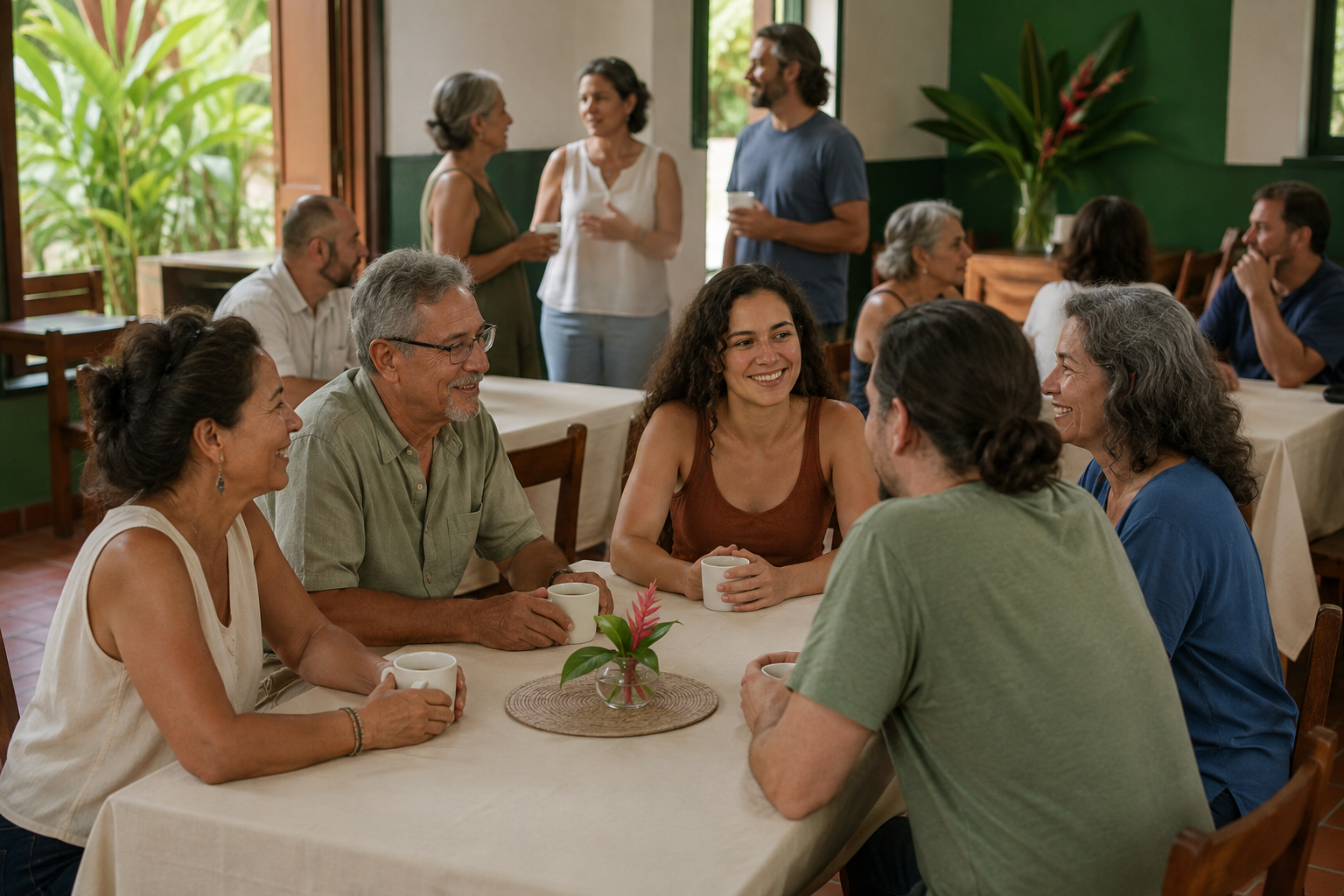
Before donating physical goods, ask whether they are wanted and how delivery will work. Sorting, storage and disposal can consume scarce staff time. A small contribution through a verified channel may be more useful than unsolicited items that the recipient cannot use.
Volunteering: match the role to your real availability
Explain your language ability, skills, available dates and any physical limitations. Ask for a defined task, a supervisor and a realistic time commitment. Organisations may need reliable ongoing help more than a brief visitor experience. Respect a programme’s selection and training process.
Discuss transport, accommodation, insurance, expenses and cancellation arrangements before committing. If a programme charges a fee, request an itemised explanation of what it pays for. A fee is not, by itself, evidence of either a good programme or a bad one.
Conservation volunteering through SINAC
SINAC publishes an official protected-area volunteering framework. It explains that participating organisations must establish an agreement setting out objectives and responsibilities. Ask which arrangement covers your placement and obtain confirmation from the programme contact before treating an advertised park placement as authorised.
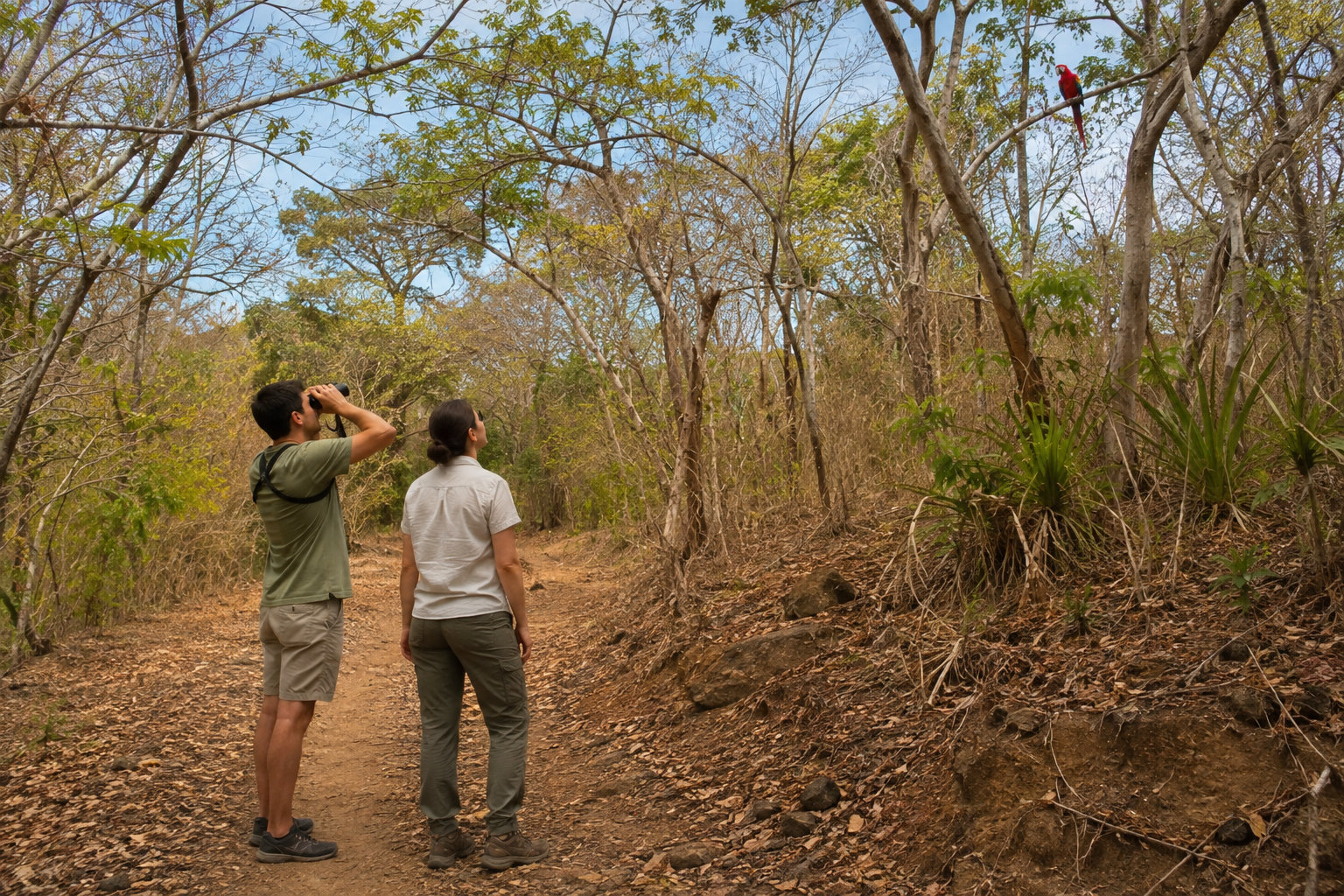
Confirm the assigned tasks and site rules. Do not feed, handle or move wildlife simply because you are volunteering. A conservation placement should explain its purpose, supervision and limits. Ask how the work benefits the site and what training is required.
Protect the people you are there to support
Choose programmes with clear supervision and privacy rules, particularly where children or people receiving care are involved. Do not expect unrestricted contact, share identifying photographs without proper permission or substitute enthusiasm for qualifications. Skilled activities should remain within the role the organisation has approved.

Programme acceptance and immigration permission are separate questions. Before committing to a role, confirm the immigration position through the official immigration authority. This article does not establish that visitor status authorises a particular placement.
For ongoing support, agree how the organisation will acknowledge donations or report progress without demanding intrusive photographs of beneficiaries. Keep receipts and review whether your contribution is meeting the need the organisation identified.
Organisation and SINAC sources checked September 8, 2026. Availability, screening and programme terms must be confirmed directly. Illustrations do not imply affiliation with the named organisations.