
Electric-car ownership in Costa Rica works best when the vehicle fits your actual routes and charging arrangements. Before buying, verify the connector, home installation, local service support and the condition of the battery. A low advertised running cost is only one part of the decision.
Start with your weekly driving
List your routine journeys and the longest trip you regularly make. Allow for hills, passengers, luggage and a reserve before the next reliable charger. Ask for the vehicle’s documented range under stated test conditions, then discuss realistic use with the supplier. Do not plan a trip around arriving at one charger with almost no battery remaining.
Check the charger and connector together
CNFL’s charging service page, updated 4 September 2026, lists rapid-charging sites with CCS1, GB/T and, at some sites, CHAdeMO connectors. Its list identifies the connectors at each location. A charger pin on a map is not enough: check that the site supports your specific car and that its current status is usable.
The same page explains card payment and a CNFL RFID option. The RFID arrangement requires an associated CNFL electricity service. Check the applicable payment method and current posted charge before relying on a station. Rates and charging time affect the bill; a promotional “minutes to 80%” statement is not a guarantee for every vehicle.
Make a route plan with a backup
Save the operator’s contact and identify an alternative stop before departure. Check access hours and whether entry to a property is restricted even if the charger is shown on a map. Follow the charging instructions for that site and the vehicle manufacturer; connector appearance alone is not permission to use an unapproved adapter.
Arrange safe charging at home
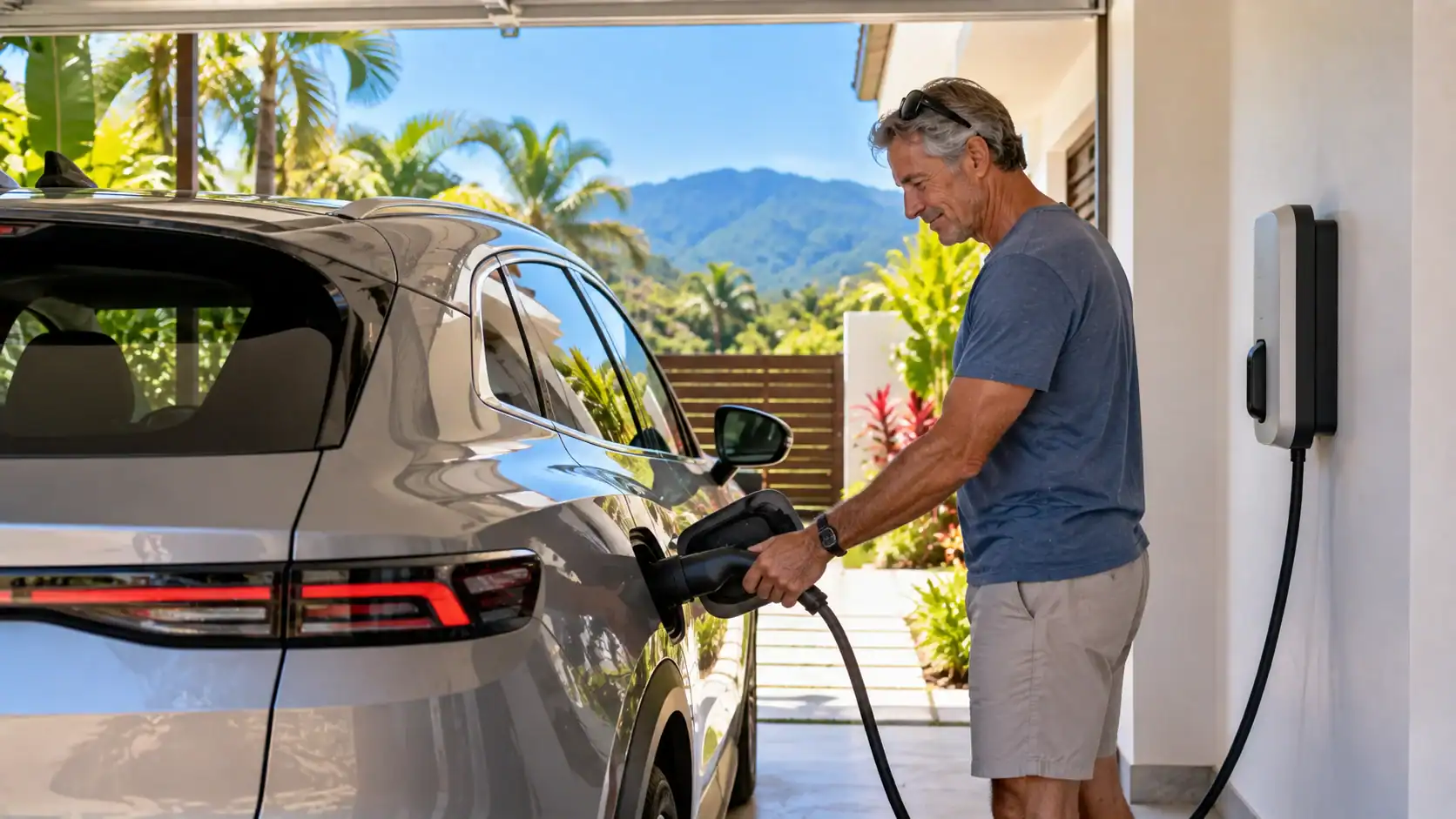
Ask a qualified electrical professional to assess the circuit, protective equipment, grounding and available supply before installing a charger. In a rental or condominium, obtain the relevant owner or administration agreement and clarify who pays for equipment and electricity. Confirm how the charger will be protected from weather and how the cable will avoid becoming a trip hazard.
Inspect a used electric vehicle carefully
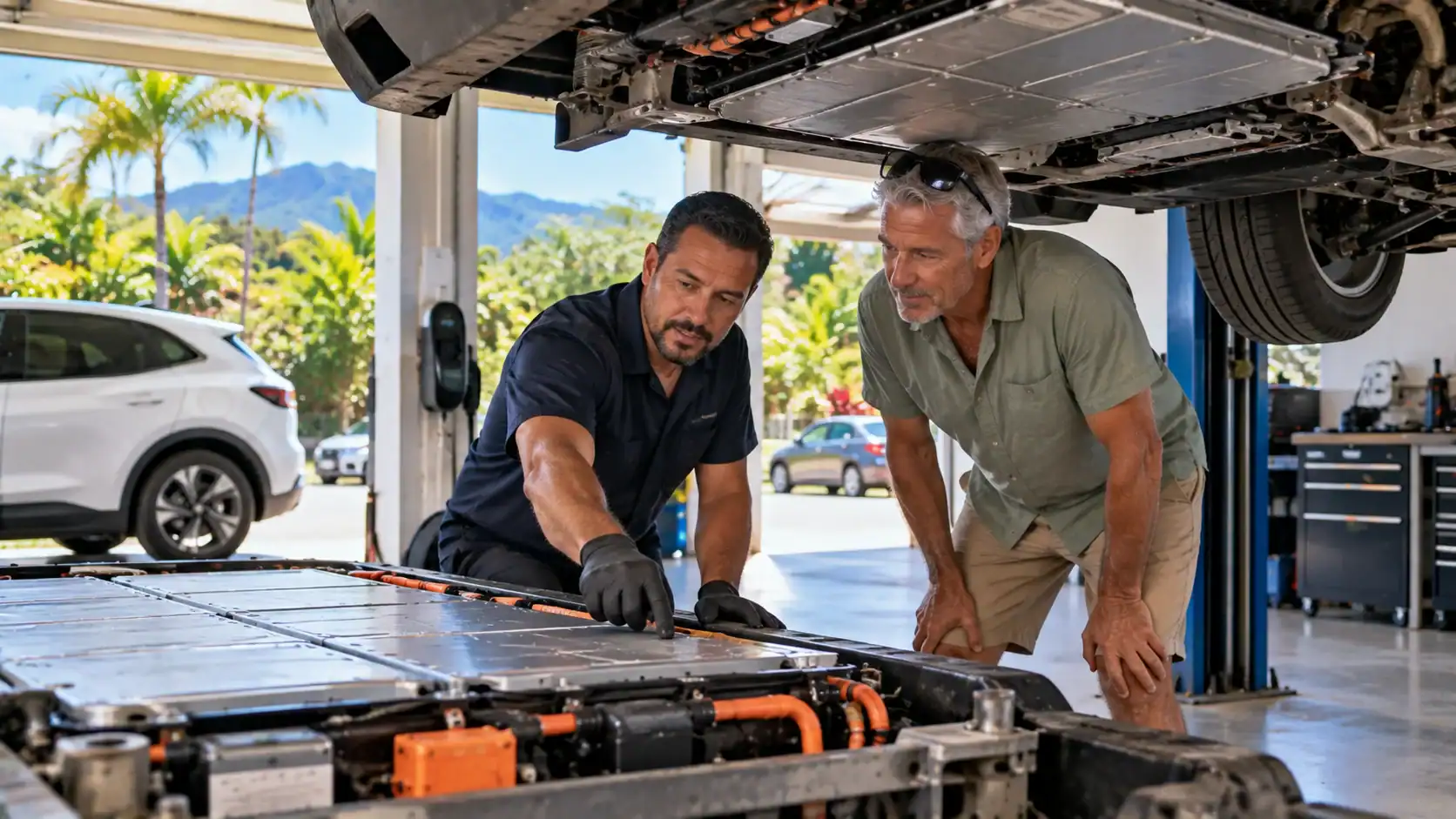
Request a battery-health assessment suitable for the model, maintenance history, warranty terms and information about repairs. Ask whether local technicians can service the exact version you are buying and obtain parts. Vehicles imported from different markets can differ in charging equipment and support. Verify the vehicle identification and ownership documents through the ordinary purchase process.
Compare total cost rather than fuel savings alone
Include purchase price, financing, insurance, registration-related costs, tires, maintenance, charger installation and electricity. Get a separate current assessment of any applicable import taxes or incentives; this guide does not promise that every electric vehicle qualifies for an exemption. If importing, read the car-import planning guide before shipping.
For the national electricity context, see our renewable-electricity explanation. For road conditions and preparation, see driving in Costa Rica. A suitable car is the one for which you can arrange dependable charging, service and a realistic budget.
Sources reviewed on 8 September 2026. Availability and service terms can change; use the linked provider or authority for the specific date and address.