
Costa Rica’s history begins long before independence in 1821. Indigenous societies, Spanish colonial rule, coffee and railway development, regional migration and political change all shaped the country people know today. This guide provides a starting point for exploring that history through museums and educational resources.
Sources reviewed September 8, 2026. Historical dates are distinguished from current visitor arrangements.
Costa Rica’s eight Indigenous peoples
Costa Rica has eight Indigenous peoples: Bribri, Cabécar, Brunca or Boruca, Brörán or Térraba, Chorotega, Huetar, Maleku and Ngäbe. Spellings and alternative names vary between sources and communities. The Fiscalía de Asuntos Indígenas identifies eight peoples and 24 Indigenous territories. A people and a territory are different things, so those numbers should not be used interchangeably.
These are living communities, not populations that exist only in a historical display. The Ministry of Education’s Indigenous mini-encyclopedias introduce languages, histories and ways of life, with volumes covering different communities and regions. Use community-preferred names and seek community-led information before arranging a visit. Ask permission before taking photographs or entering private or culturally important places.
The stone spheres of the Diquís
The pre-Columbian stone spheres are archaeological heritage associated with southern Costa Rica. They are human-made objects studied in their settlement context, not evidence of an invented lost civilization. The National Museum’s Diquís research programme investigates sites with spheres in the Diquís delta and provides educational material on their manufacture and archaeological setting.
Seeing an isolated sphere in a town is different from visiting an archaeological site. Look for interpretation that explains where an object was found, what is known about its context and which questions remain open. Use the Museum’s information to plan a visit; do not touch, climb or move archaeological objects. Avoid treating speculative explanations as established history.
Independence in 1821
The National Museum’s independence exhibition distinguishes the Central American declaration of September 15 from the act signed in Cartago on October 29, 1821. Independence was a process of receiving news, debating political arrangements and establishing institutions; it should not be reduced to a single event happening everywhere at once.
For readers following public commemorations, this distinction explains why different documents and dates appear in museum accounts. Read the date and place on a document before assuming it describes the same local event.
Coffee, transport and everyday life
The National Museum’s history catalogue explains the nineteenth-century growth of coffee production and trade alongside other farming activities. Railway construction and large-scale banana cultivation later changed the economy and connections between regions. These developments also involved unequal working conditions and social differences; the story was not simply one of uninterrupted prosperity.
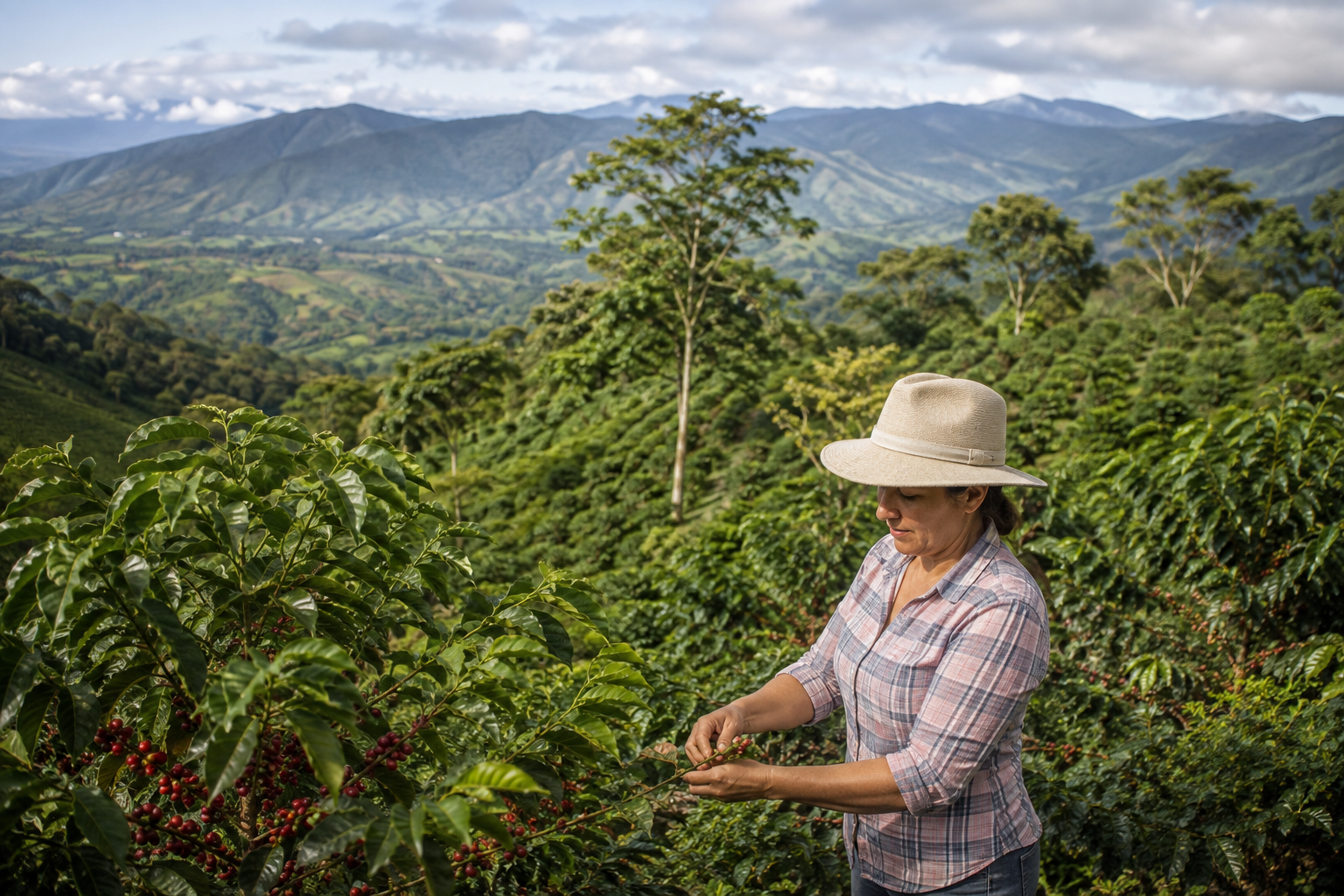
When visiting a coffee farm or railway exhibit, ask how products were transported, who did the work and how communities changed. Those questions connect landscapes and buildings with the people who lived and worked there.
William Walker and the National Campaign
The National Campaign of 1856–1857 was part of Central American resistance to William Walker and his filibuster forces. It belongs to a regional history, not just a biography of one foreign adventurer. The Museo Histórico Cultural Juan Santamaría’s publications cover Walker, Santa Rosa, the San Juan River campaign and other aspects of the conflict.
For a useful introduction, compare a campaign chronology with biographies and accounts of individual battles. A later painting, monument or commemorative story is a source about public memory as well as about the event it represents. Do not assume a dramatic quotation or illustration is a contemporary eyewitness record.
Who was Juan Santamaría?
Juan Santamaría was an Alajuela-born soldier and army drummer, remembered as a Costa Rican national hero. The museum’s biographical account recalls his burning of Francisco Guerra’s mesón during the Battle of Rivas on April 11, 1856. Rivas is in Nicaragua: the episode was part of the regional National Campaign, rather than Costa Rica’s independence from Spain in 1821. The museum bearing his name in Alajuela specializes in that conflict and offers educational and biographical material. Its catalogue includes works about Santamaría and the burning of the mesón, alongside broader studies of the campaign.
Visitors can use the museum to understand why his name appears in civic life and commemoration. Look at the difference between a biography, a school-oriented retelling and an academic study. Each serves a different purpose, and the broader campaign involved many people beyond its best-known hero.
Modern history and public institutions
The former Bellavista barracks now houses the National Museum. The Museum’s institutional history identifies it as the place where the army was abolished in 1948. The building therefore connects military history with the country’s later cultural and civic institutions.
Our presidential timeline provides a separate chronological reference. A timeline helps organize dates, but it does not replace study of the social conflicts, reforms and daily experiences that shaped each period.
Explore history beyond a list of facts
Choose one question for your next museum or library visit: how a town developed, where a family came from, how a crop was traded or why a monument was erected. Compare more than one kind of source and note when it was written. Old population totals and visitor information should not be presented as current facts.
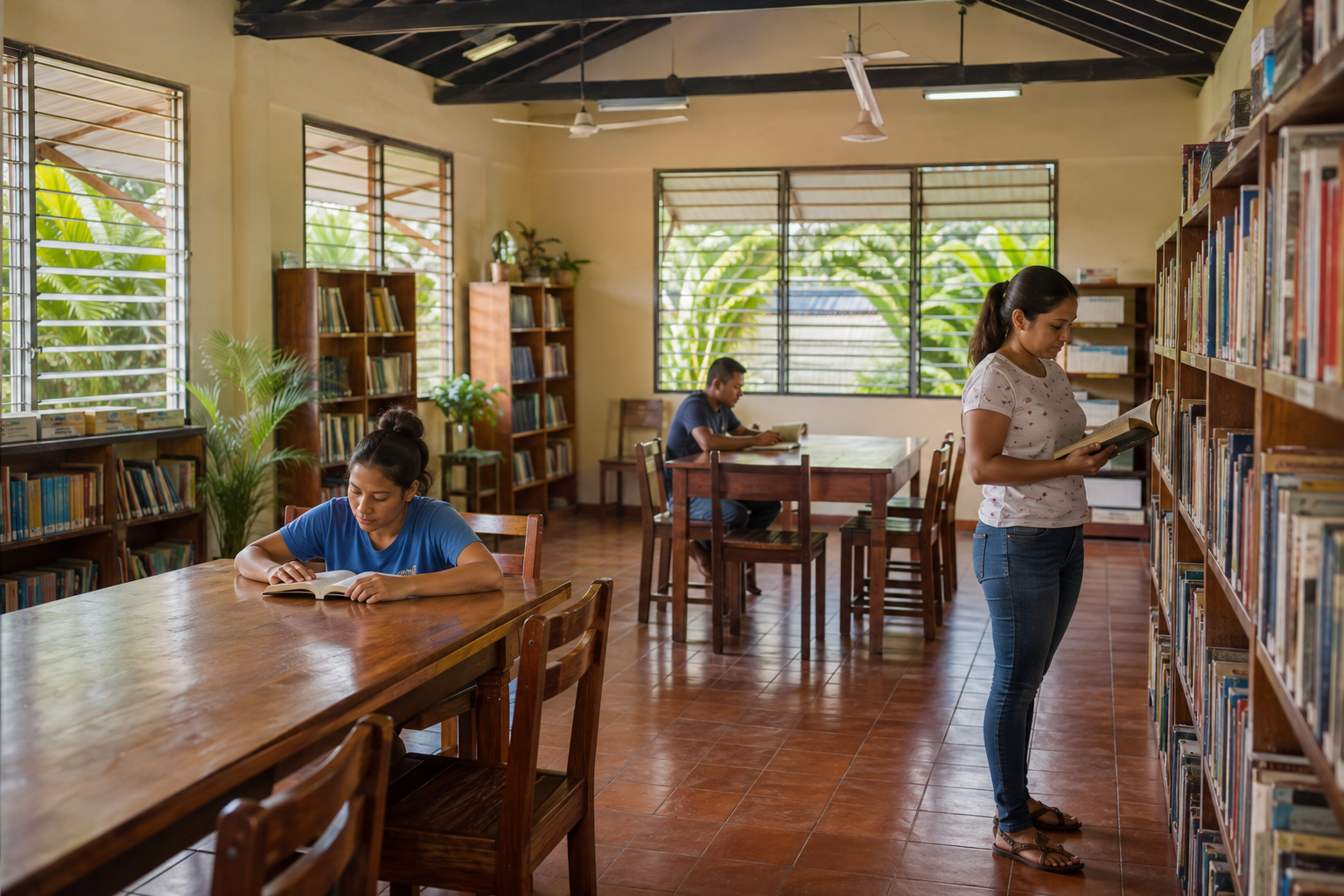
Our public-library guide explains where to begin looking for reading and research resources. Ask staff about local-history collections and digital catalogues rather than assuming every branch holds the same material.
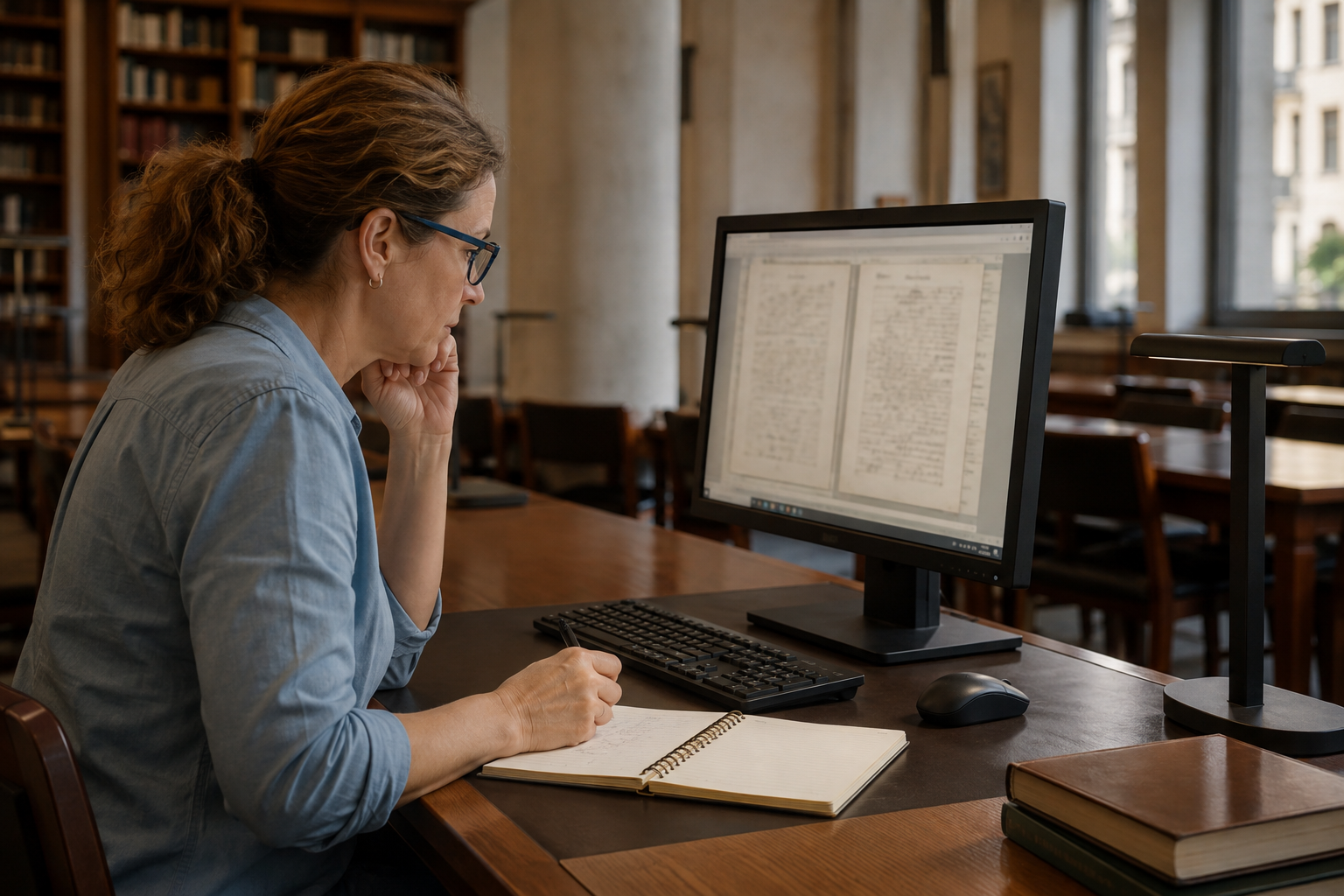
For everyday interactions, see our cultural-etiquette guide. Learning the country’s history can enrich a move or visit without assuming that every Costa Rican shares the same background or traditions.
Famous landmarks that help explain Costa Rica’s history
Landmarks are most useful when their history is explained alongside their appearance. In San José, the National Theatre and the former Bellavista barracks illustrate different strands of national life. Archaeological sites with stone spheres tell a much earlier story. A modern visitor route can connect these subjects without presenting them as buildings from the same period.
The National Theatre
The National Theatre’s own historical account explains the building’s artistic and construction background. It remains a place to explore performance and architectural heritage. Use the theatre’s current visitor information to distinguish a guided visit from a ticketed performance; access to particular spaces can differ.
Bellavista and the National Museum
The National Museum documents that construction of Bellavista barracks began in 1917 and developed in stages. Its architecture account identifies a complex that includes the former barracks, commanders’ houses and the adjoining civic plaza. The building’s conversion to museum use is part of its historical importance, not merely a convenient setting for exhibits.
For an archaeological counterpart, read the stone-spheres section above and the museum’s site information before travelling to the southern region. Do not assume an object displayed in a city museum is still in its original archaeological setting.
Costa Rican architecture: more than a single colonial style
There is no single style that describes all Costa Rican buildings. A theatre, a former military complex and a Caribbean home reflect different functions, periods and communities. Distinguish an architectural description from a claim that a building has officially protected heritage status.
A Tecnológico de Costa Rica research inventory treats Caribbean architecture as a significant part of Limón’s historic urban landscape, documenting buildings in the historic centre and Jamaica Town. This local research is a better starting point than describing the whole country through a generic European or tropical-resort aesthetic.
When looking at a historic building, ask what it was built for, what materials and features remain and how later changes altered its use. A restored façade does not prove that every interior element is original. Likewise, a building in everyday use can have cultural importance even if it is absent from a tourist “top ten” list.
Plan respectful visits. Check the institution’s opening information, photography rules and accessibility. View private homes from lawful public space and do not enter simply because a building is architecturally interesting. Compare the institution’s historical photographs with the present site when that material is available.
Landmark and architecture sources checked September 8, 2026. Museum, theatre and academic accounts are used for historical context; current access arrangements should be checked with each institution.
A brief history of immigration in Costa Rica
Migration is part of Costa Rica’s history, but it should not erase the history and continued presence of Indigenous peoples. The National Museum’s history catalogue explains colonial society through relationships among Indigenous communities, Europeans and Africans, including exploitation and slavery. These experiences were not equivalent to voluntary modern relocation.
During the nineteenth century, Afro-Caribbean workers arrived for construction of the Atlantic railway. The museum connects this movement with cultural and religious diversity, including English-speaking Protestant traditions. Railway construction and the growth of banana production also changed the country’s economy and transport connections.
For the late twentieth century, the museum identifies Nicaraguans as the principal migrant population. This historical description should not be presented as a current count of foreign residents or as a description of every individual’s reason for moving.
Reading migration history alongside labour, family and community histories gives a fuller picture than treating Costa Rica solely as a destination for overseas retirees. For present-day population questions, consult our guide to interpreting expatriate population estimates. Current immigration procedures belong to a separate discussion and should be checked with DGME.
Historical source reviewed September 8, 2026; the museum catalogue covers multiple periods rather than current immigration statistics.