
Costa Rica is a vibrant destination for many expats looking to start anew. As individuals consider relocating, a common question arises: can permanent residents work in Costa Rica? Understanding the legal framework surrounding employment and residency is crucial for anyone planning to settle in this beautiful Central American nation.
In this guide, we aim to clarify how different residency statuses affect your ability to work legally. Navigating the immigration system can be complex, but with the right information, you can make informed decisions about your future here.
It’s essential to recognize that the right to work in Costa Rica is regulated by national immigration authorities. We will provide you with the necessary insights to help you understand the requirements for maintaining legal status while you enjoy life in this tropical paradise.
Understanding Costa Rica Residency and Work Regulations
For those considering a move, grasping the nuances of residency in Costa Rica is essential. The immigration system here categorizes foreign nationals into specific groups, each with unique rights concerning employment. Understanding these classifications helps in navigating the complexities of working legally.
Obtaining permanent residency is a significant commitment. It typically takes 3-5 years to complete the bureaucratic process successfully. Most temporary residency categories do not grant the automatic right to work. Therefore, securing a separate work permit is necessary.
Employers in Costa Rica must adhere to strict labor laws when hiring foreign residents. This ensures compliance with national employment regulations. Understanding these limitations is crucial for anyone who intends to live in Costa Rica while maintaining a stable professional life.
Exploring Temporary Residency Options in Costa Rica
The allure of Costa Rica draws many expats eager for a fresh start. For those considering this move, understanding temporary residency options is crucial. Various categories exist, each with its own eligibility criteria and required documents.
For instance, investor residency requires a minimum investment of $150,000 in real estate or company shares. The Rentista status demands proof of a fixed income of at least $2,500 per month for two years. Similarly, individuals applying for Pensionado status must demonstrate a lifelong pension of at least $1,000 per month.
Applicants for temporary residency must provide specific documents, such as proof of financial means, to demonstrate their eligibility. However, one of the primary challenges is that temporary residency does not grant the legal right to work for a local employer. Thus, compliance with the criteria of your chosen category is essential to maintain legal status in the country.
Benefits and Drawbacks of Temporary Residency
Temporary residency in Costa Rica provides a pathway to experience the local culture. This status allows foreigners to live in the country for a set period, typically up to two years. It offers a unique opportunity to explore the beauty and lifestyle of Costa Rica while deciding on a long-term move.
However, one major drawback is the restriction on employment. Most temporary categories limit the ability to work for local companies without specific permits. While you can reside legally, you must be prepared for these limitations regarding your professional activities.
We encourage you to weigh these factors carefully. Navigating the rules for work in Costa Rica while on a temporary status can be challenging. Often, seeking professional legal advice is beneficial to ensure compliance with local laws.
Transitioning from Temporary to Permanent Residency
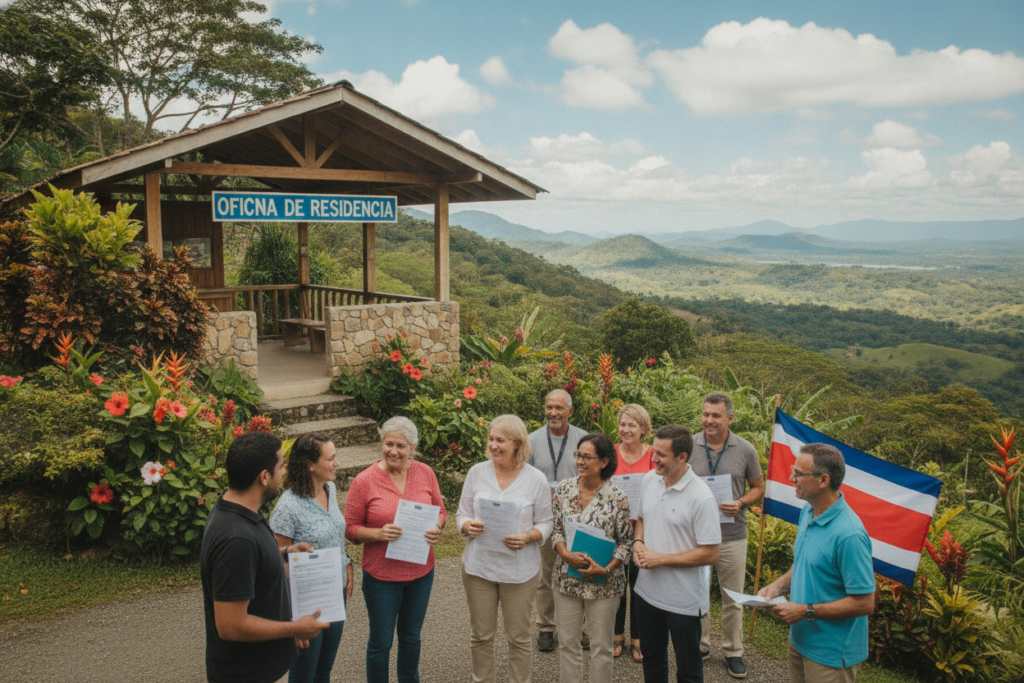
Transitioning to permanent residency in Costa Rica can be a rewarding journey for many expats. After maintaining temporary residency for three years, individuals may become eligible to apply for permanent residency status with the immigration department.
The transition process requires you to prove that you have met all obligations during your initial years of living in Costa Rica. This includes maintaining your residency status and complying with local laws.
Careful preparation of your application is crucial. All documents must meet the strict standards required for permanent residency approval. Successfully completing this transition provides a greater sense of stability for those who wish to make their home in Costa Rica.
We recommend planning your timeline well in advance. This ensures a smooth transition from your temporary status to permanent residency.
Exploring Permanent Residency in Costa Rica
Understanding the path to permanent residency in Costa Rica is vital for those looking to settle long-term. This status allows individuals to live in the country indefinitely, eliminating the need for frequent renewals.
To apply, you must submit various documents that prove your suitability. These include police records and evidence of your commitment to Costa Rica. Once your application is approved, obtaining your DIMEX identification card within 90 days is mandatory.
Permanent residents are obligated to pay taxes and maintain their status in accordance with local laws. This commitment also grants the freedom to work without the administrative burdens faced by those on temporary permits.
can-permanent-residents-work-in-costa-rica
The ability to work legally in Costa Rica is a significant advantage for permanent residents. Many people wonder if they can work, and the answer is a resounding yes. Permanent residents have the right to engage in any type of employment without the limitations faced by temporary residents.
Unlike temporary residency, which often requires specific work permits, permanent residency removes these barriers. It is a common misconception that all foreign residents are prohibited from working. Understanding your rights as a permanent resident is vital for successful integration into Costa Rican society.
Clarifying these employment rights helps you avoid the pitfalls of working illegally while you live in Costa Rica. We encourage you to familiarize yourself with the regulations to make the most of your professional opportunities.
Special Employment Permits and Exceptions
For professionals with specialized skills, Costa Rica presents distinct avenues for employment. Exceptions to residency requirements may be made for individuals whose skill sets are not readily available in the local workforce.
Corporations in Costa Rica can sponsor a work permit for these individuals. Such permits are often utilized by large companies to bring in managers or executives trained in their international offices.
Employers must demonstrate that the role cannot be filled by a local candidate before securing a permit for you. This process can be complex and requires close coordination between the company and immigration authorities.
We advise verifying the specific requirements for any work permit offer. Ensuring compliance with the laws of Costa Rica is essential for a smooth employment experience.
Understanding Remote Work Opportunities
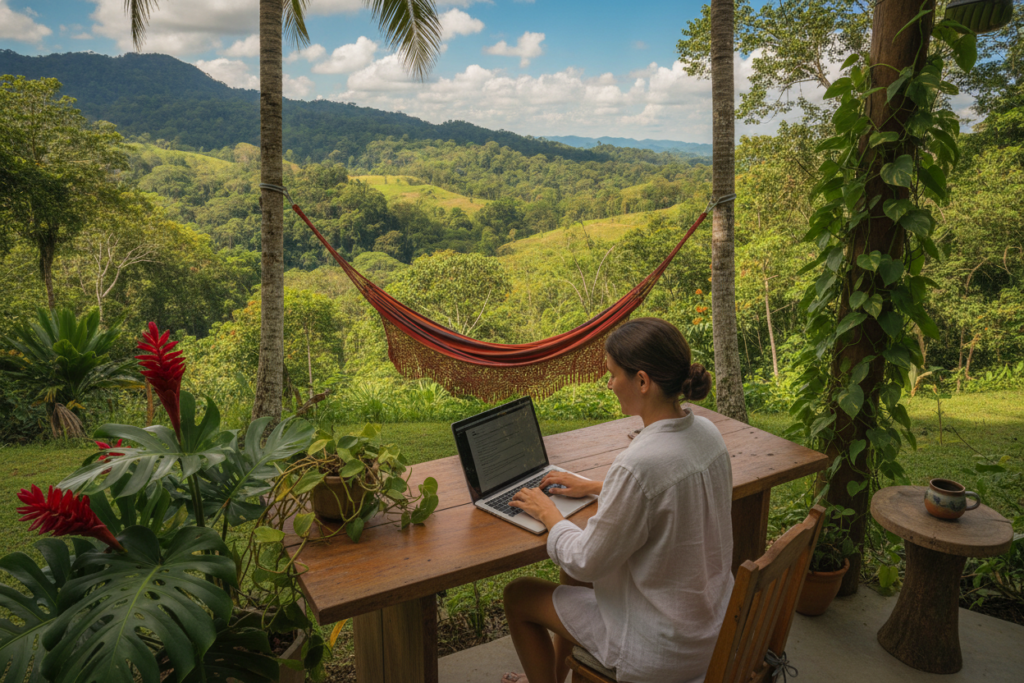
Many expats find remote work an appealing option while living in Costa Rica. This arrangement allows individuals to earn income from foreign companies while enjoying the vibrant lifestyle that Costa Rica offers.
Here are some key benefits and considerations for remote employment:
- Many expats engage in remote work, allowing them to earn in foreign currencies.
- This setup provides flexibility and a chance to explore Costa Rica’s beauty.
- It’s crucial to ensure compliance with local regulations to maintain your residency status.
- Working across different time zones can present practical challenges that need consideration.
- Consulting with a professional can help clarify tax obligations related to your remote work.
Working Under the Table: Risks and Realities
Engaging in informal employment can seem tempting for many expats in Costa Rica. However, this choice carries significant risks that can jeopardize your legal residency status.
Many individuals might find the short-term financial rewards of cash jobs appealing. Yet, these benefits often come with long-term consequences that can be detrimental. Working without a valid permit can lead to immediate deportation by immigration authorities.
Employers who hire individuals without the proper authorization also face severe penalties, including fines. Moreover, workers in these situations are vulnerable to exploitation and abuse.
We strongly advise against taking such risks. Protecting your ability to live in Costa Rica legally should always be your priority. For more information on legal employment options, visit this link.
Entrepreneurship and Business Ownership in Costa Rica
Costa Rica offers a fertile ground for entrepreneurial spirits eager to make their mark. Starting a business here is a viable option for many expats. However, it’s crucial to understand the limitations regarding work permits.
Foreigners can own businesses that employ locals, but they cannot perform work themselves. This means that while you can invest your money to create a company, you must navigate the legal landscape carefully.
Managing a business involves dealing with complex regulations and bureaucracy. This can be challenging for new entrepreneurs. Therefore, hiring a qualified lawyer is essential to structure your business correctly and avoid violating your permit terms.
We recommend thoroughly researching the market before investing your money into a new venture in Costa Rica. This will help you understand the local business environment and increase your chances of success.
Impact of Low Wages and Local Competition
Navigating the job market in Costa Rica requires awareness of local salary standards and competition. The economic landscape here presents unique challenges for those seeking employment.
Many foreign residents find that wages in Costa Rica are significantly lower than in the United States or Europe. For example, a university graduate may earn around $6.19 per hour, while domestic service workers often make as little as $1.73 per hour.
With a national unemployment rate of approximately 10%, competition for jobs is fierce. Many local Costa Ricans are highly qualified for available roles, making it essential for foreign residents to prepare for these salary standards.
Understanding these economic realities is crucial for anyone planning to support themselves through local employment while living in Costa Rica.
Navigating the Immigration Process with CRIE
Navigating the immigration landscape in Costa Rica can be challenging for newcomers. Fortunately, organizations like CRIE offer valuable assistance to simplify this process.
For over 20 years, CRIE has helped individuals and families navigate the complex immigration process required to obtain residency in Costa Rica. Their team provides personalized guidance to ensure that all your documents are correctly prepared for submission to the authorities.
CRIE focuses exclusively on residency and immigration services, helping you understand the requirements for your specific family situation. If you have questions about the current residency process and associated costs, you can reach out to Johanna Alvarez at CRIE.
For expert advice, contact Johanna via WhatsApp at +506 8706 3888, email info@crie.cr, or visit their website at crie.cr.
Tips for Successful Employment and Residency Integration
To thrive in Costa Rica, it’s essential to adapt to its unique employment culture. Many employers recognize foreign degrees, but you may need to get them legalized for local validation. Understanding this process can significantly enhance your job prospects.
Adapting to the Local Work Culture
Successful integration into the work culture of Costa Rica requires patience, language skills, and a willingness to adapt to local norms. Embracing these aspects can lead to a more fulfilling experience as a resident.
Planning Ahead and Managing Expectations
We should plan ahead by ensuring our education credentials are legalized so they are recognized by potential employers in the country. Managing your expectations regarding salary and work-life balance is essential for a positive experience as a resident.
Building a local network can provide valuable insights into the job market and help you find opportunities that match your skills. We encourage you to approach your new life with an open mind and a commitment to understanding the local customs.
Your Next Steps for Navigating Work and Residency in Costa Rica
To successfully integrate into life in Costa Rica, one must comprehend the residency and employment regulations. Planning is essential, especially if you intend to work or earn income.
Whether you choose to apply for permanent residency or start with a temporary status, your family situation and nationality will influence the process. It’s crucial to gather all necessary documents to facilitate a smooth application.
We recommend speaking with Johanna Alvarez at CRIE for personalized guidance on costs and timelines. You can reach out via WhatsApp at +506 8706 3888, email info@crie.cr, or visit crie.cr to discuss your next steps today.
Every individual case is unique, so ensure you have all your documents ready to help your chosen expert provide the best advice.
FAQ
Can permanent residents work in Costa Rica?
Yes, permanent residents are allowed to work in Costa Rica without needing a separate work permit. They have the same employment rights as Costa Rican citizens.
What types of residency are available in Costa Rica?
Costa Rica offers several types of residency, including temporary and permanent residency. Each type has its own eligibility criteria and benefits.
What documents are required for applying for permanent residency?
To apply for permanent residency, we need to provide various documents, including proof of income, a criminal background check, and valid identification.
Are there any limitations on employment for temporary residents?
Yes, temporary residents may face restrictions on the types of jobs they can take. They often require a work permit, which is subject to specific conditions.
How long must we live in Costa Rica to transition from temporary to permanent residency?
Typically, we must reside in Costa Rica for three years on a temporary visa before we can apply for permanent residency.
What are the benefits of being a permanent resident?
Permanent residents enjoy benefits such as access to public services, the ability to work without restrictions, and the right to live in the country indefinitely.
Can we work remotely while living in Costa Rica?
Yes, many residents choose to work remotely. However, we must ensure compliance with local tax laws and regulations regarding foreign income.
What are the risks of working under the table in Costa Rica?
Working under the table can lead to legal issues, including fines and deportation. It’s essential to follow legal employment guidelines to avoid complications.
How can we start our own business in Costa Rica?
To start a business, we need to register with the local authorities, obtain necessary permits, and comply with tax regulations. This can also pave the way for residency through investment.
What should we know about salary standards in Costa Rica?
Salary standards in Costa Rica can be lower than in many Western countries. It’s important to research local wage levels and understand the economic landscape for foreign workers.