
Navigating the immigration system in Costa Rica can be daunting. Many newcomers find themselves overwhelmed by the legal requirements for residency. One common mistake is choosing the wrong residency category. This can lead to delays or even denial of your residency application.
At CRIE, we have spent over 20 years helping individuals and families understand these complexities. Our experience has shown us that selecting the correct residency category is crucial for anyone planning to live in Costa Rica for years to come. A successful residency application hinges on understanding the local system and the financial income thresholds required by law.
We aim to provide clear guidance to help you avoid pitfalls during your relocation. Our goal is to ensure your transition to the Costa Rican lifestyle is supported by a solid legal strategy.
Understanding Costa Rica Residency Requirements
Understanding the residency requirements in Costa Rica is essential for a smooth transition. Each applicant must navigate a series of legal documentation essentials to ensure a successful application.
According to Jordan Arias, the Director of our Immigration Law department, knowing the specific legal requirements is vital. Applicants need to provide proof of income, such as a pension, investment returns, or business earnings, to meet the standards set by the country.
Whether you are pursuing a pensionado or investor option, precise documentation is necessary. Many expats overlook that their tourist status does not allow them to work or stay indefinitely without proper residency.
Real estate investment is a common path, but it requires specific documentation to prove compliance with legal requirements. We emphasize that reviewing financial proof is crucial to align with the chosen residency category.
Proper documentation forms the backbone of the immigration process, ensuring your entry and stay in Costa Rica remain legally secure for many years. Within 30 days of arrival, many individuals start gathering the necessary paperwork to avoid common mistakes.
Common Pitfalls in the Residency Application Process
The journey to secure residency in Costa Rica is filled with potential pitfalls. Many applicants overlook critical details that can lead to delays or even denials. One major issue arises from document certification and translation. For instance, foreign documents must be issued within a six-month time frame prior to submission. This includes vital records like birth and marriage certificates, which require apostille or legalization.
Additionally, many applicants fail to realize that these documents must be translated by an official translator in Costa Rica. Delays often occur when an applicant submits outdated records or neglects to plan for the time needed to obtain fresh, certified copies. We’ve seen numerous residency applications stalled because proof of income or pension did not meet the strict validity requirements.
Timing is another crucial factor. Many struggle with the short validity period of criminal background checks. Ensuring that your birth and marriage records are current is essential to avoid unnecessary setbacks. By planning your document collection months in advance, you can navigate these common pitfalls and streamline your application process. For more tips on traveling during the residency process, check out our detailed guide here.
Navigating the wrong-residency-category Selection Process
Choosing the right residency option in Costa Rica requires careful consideration. Understanding the available immigration categories is essential for making an informed decision. Each category, whether pensionado, rentista, or investor, has specific requirements that must be met.
Matching your profile to the right category can simplify your application process. We encourage applicants to assess their income sources, family dynamics, and long-term aspirations in Costa Rica. Many people mistakenly select a category based on perceived ease rather than actual eligibility under Costa Rican law.
A well-structured application aligns your profile with the most suitable category. This reduces the risk of scrutiny from the immigration department and helps ensure a smoother transition. By planning carefully, you can navigate the immigration process with confidence.
Step-by-Step Guide to a Smooth Application
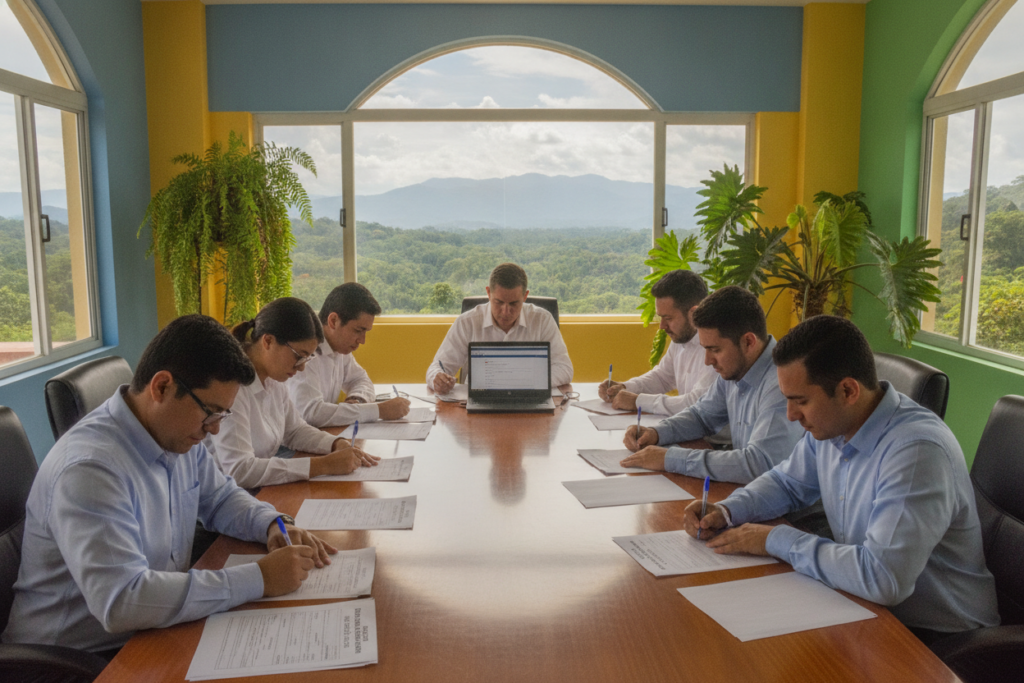
A successful residency application in Costa Rica requires careful preparation and attention to detail. We understand that the process can be overwhelming, but following a structured approach can make it manageable.
First, gather all necessary documents, including your birth certificate and marriage certificate. Ensure these documents are properly legalized. Additionally, foreign documents must be translated into Spanish by an official translator for acceptance by Costa Rican immigration authorities.
Meeting the required timelines is crucial. Processing times can vary significantly depending on the complexity of your residency application. After submitting your application, you will need to register your fingerprints as part of the standard approval process.
Once your application is approved, you will be eligible to obtain your DIMEX, which serves as your official resident identification card in the country. We recommend keeping a detailed record of all your documents to ensure consistency throughout the residency process.
Proper preparation of your investment or income proof is essential. This ensures that the immigration department has everything they need for a quick review. By following these steps carefully, you can significantly reduce the time it takes to receive your final approval and resident status.
Avoiding Delays and Document Errors
Proper documentation is the backbone of a successful residency application in Costa Rica. Consistency is key; ensure that your name, date of birth, and other personal details match perfectly across all your submitted documents. Even minor discrepancies can lead to significant delays in the processing of your residency application.
We have seen many cases where a simple error in a certificate caused the immigration department to request additional information or clarification. Taking the time to review every document before submission is a vital step in ensuring a smooth and successful approval process.
Foreign documents should be checked for accuracy, as any mistake can result in the need for re-issuance, which adds months to your timeline. By maintaining high standards for your documentation, you protect your status and ensure that your residency remains in good standing.
Our experience shows that proactive error checking is the most effective way to avoid the common pitfalls that plague many residency applications. A well-prepared file is the best defense against the administrative hurdles that can arise during the immigration process in Costa Rica.
How the Wrong Residency Category Affects Your Costa Rican Stay
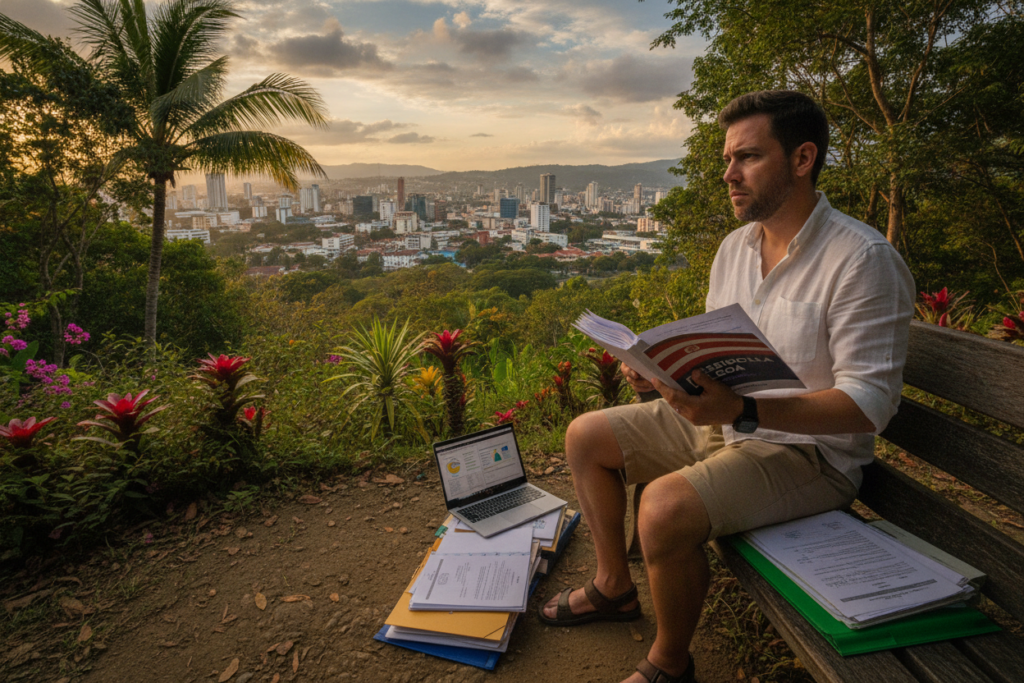
The impact of selecting an incorrect residency type can ripple through your entire stay in Costa Rica. Choosing the wrong residency category can lead to extended processing times. The immigration system may require additional evidence or even a complete refiling of your application.
Your future status in the country hinges on maintaining the correct residency type. This is closely tied to your specific income or investment proof. Administrative hurdles often arise when applicants realize too late that their chosen residency option does not align with their actual life in Costa Rica.
A misaligned application can result in the denial of your residency. This forces you to rely on tourist entry, disrupting your long-term plans. We have assisted many individuals who faced significant stress because their initial residency application did not accurately reflect their financial situation.
Ensuring that your category is correct from the start is crucial. This helps you avoid the long-term implications of a flawed immigration strategy. By carefully selecting your path, you can secure your status and enjoy the peace of mind that comes with a properly filed application.
Practical Tips for a Successful Residency Application
Implementing practical strategies can significantly ease your residency application process. We believe that leveraging professional guidance is crucial. This ensures your application is handled with expertise and meticulous attention to detail.
Staying updated with the latest regulatory requirements in Costa Rica is essential. Immigration laws can change, and being informed helps you adapt quickly. We recommend speaking with Johanna Alvarez, our immigration expert, for personalized guidance on your specific situation.
Whether you are planning a business venture or a quiet retirement, having a clear strategy is vital for a successful residency outcome. You can reach out to us via WhatsApp at +506 8373 2085 or send an email to info@crie.cr to learn more about our services.
Our team at crie.cr is dedicated to helping you navigate the complexities of the immigration process with clarity and professional support. Every case is unique, so personalized advice is always the best approach for success.
Final Thoughts and Next Steps
Achieving residency in Costa Rica is an important milestone that requires careful thought and preparation. By avoiding common mistakes and selecting the right residency type, you can ensure a smooth transition to your new life in this beautiful country.
Your residency status is a long-term commitment that provides stability for your family and future investments. We encourage you to take the next step by reaching out to our team for personalized consultation regarding your immigration needs.
With the right preparation and professional support, you can successfully navigate the complexities of the Costa Rican immigration process. We look forward to helping you thrive in Costa Rica for many years to come.

FAQ
What are the main residency categories available in Costa Rica?
Costa Rica offers several residency categories, including pensionado (retiree), rentista (income earner), and investor. Each category has specific requirements that we must meet to qualify.
How long does the residency application process typically take?
The processing time for residency applications can vary, but it usually takes several months. We should prepare for potential delays due to document verification and immigration law requirements.
What documents do we need to provide for our residency application?
Essential documents include a valid passport, birth certificate, proof of income, and any applicable marriage certificates. All documents must be properly certified and translated if necessary.
Can mistakes in our application affect the outcome?
Yes, errors in our application can lead to delays or even denial. It’s crucial to double-check all documents and ensure they meet Costa Rican immigration standards.
What happens if we choose the wrong residency category?
Selecting an inappropriate residency category can complicate our application process and may result in additional administrative hurdles. We must carefully evaluate our situation before applying.
How can we ensure our financial proofs are acceptable?
To ensure our financial proofs are acceptable, we should provide clear documentation of our income, such as bank statements or pension certificates, that align with the requirements of our chosen residency category.
Is it necessary to seek professional help for the residency application?
While it’s not mandatory, seeking professional guidance can significantly streamline our application process and help us avoid common pitfalls related to documentation and compliance.
What are the implications of being in the wrong residency status?
Being in the wrong residency status can lead to complications with our legal standing in Costa Rica, affecting our ability to stay long-term and potentially resulting in fines or deportation.