
Welcome to our comprehensive guide on navigating the legal residency process in Costa Rica. For over 20 years, we at CRIE have been helping individuals and families understand the complex immigration landscape necessary for a successful move to this beautiful country.
Costa Rica remains a top destination for those seeking long-term stability. This guide will explore various legal pathways available to foreigners looking to call this vibrant country home. We aim to provide clear, practical insights to help you plan your relocation journey with confidence.
Understanding the residency process is crucial for securing your future in Costa Rica. With careful planning, your transition can be smooth and enjoyable. To learn more about the steps involved, check out our detailed resource here.
Understanding the Value of Costa Rican Residency
The journey towards residency in Costa Rica offers numerous benefits that can enrich your living experience. Obtaining residency allows you to integrate into the local social security system, which provides essential access to public healthcare services.
Many expats choose to live in Costa Rica for the high quality of life. This includes access to world-class private facilities like Hospital CIMA San José, which is JCI-accredited and known for its exceptional care.
Legal residency provides the stability needed to build a life here without the constant worry of relying on tourist visa renewals. Families often find that having formal resident status makes it easier to enroll children in schools and manage long-term household affairs.
By formalizing your status, you gain the legal standing necessary to participate fully in the local community and enjoy the benefits of the system.
CRIE’s 20 Years of Expertise in Residency and Immigration
For over two decades, we have guided individuals and families through the intricacies of residency in Costa Rica. Our extensive experience in immigration allows us to offer a practical, step-by-step approach tailored to each client’s needs.
With over 20 years of experience, CRIE has helped countless families navigate the immigration requirements necessary to live in Costa Rica. We believe that a straightforward approach to the residency process is the best way to avoid common pitfalls and ensure a successful outcome.
Our team has refined our methods over the years, helping you understand the nuances of moving to Costa Rica effectively. We focus on providing clear, actionable advice to simplify the immigration journey for those who choose to make this country their home.
By leveraging our long-standing expertise, we help you manage the residency process with the care and attention your specific case deserves.
Overview of Temporary Residency in Costa Rica
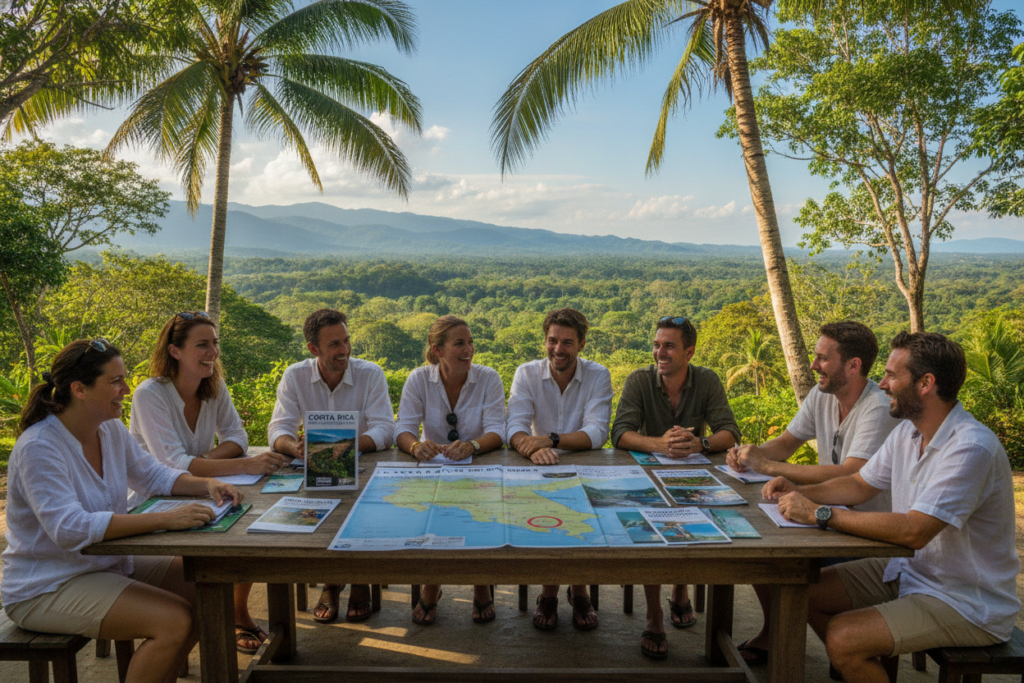
For most newcomers, the pathway to living in Costa Rica starts with temporary residency. This status is essential for those looking to establish their lives here legally.
Most applicants begin their journey by applying for temporary residency, which allows them to live in Costa Rica under a specific legal category. The process often takes several months to complete, depending on the complexity of your case and the current workload at the immigration office.
After maintaining your status for three years, you may become eligible to transition to permanent residency. This transition offers greater flexibility for your future in this beautiful country.
We help you identify which of the many available categories best fits your personal situation and long-term goals for living in Costa Rica. Understanding the requirements for each of these categories is essential for a successful application and a smooth transition to your new life.
legal-residency-options-for-expats-in-costa-rica-2026-crie: Comparing Legal Residency Categories
When considering a move to Costa Rica, understanding the different residency categories is essential for a smooth transition. Each category has unique requirements, making it vital to choose the one that aligns with your situation.
The investor category is popular among those looking to make a significant investment in property or business within Costa Rica. To qualify, you need to invest a minimum of $200,000.
Pensionado residency is designed for retirees who can show a monthly pension of at least $1,000. This option allows you to enjoy the benefits of living in Costa Rica while maintaining financial security.
On the other hand, Rentista residency requires proof of a stable income of at least $2,500 per month. This category is ideal for those with consistent, non-employment income who wish to secure residency through financial independence.
Choosing the right category is vital, as each has different requirements regarding investment or income. We assist you in comparing these options to ensure you select the path that aligns with your financial situation and relocation goals.
Gathering and Preparing Your Application Documents
Gathering the right documentation is a vital step for anyone looking to secure residency in Costa Rica. Preparing your documents correctly is crucial for a successful application process.
You will need to provide an official birth certificate and a valid passport for yourself and any family members included in your application. Every document must be properly apostilled in your home country before it can be accepted by the authorities in Costa Rica.
Additionally, we ensure that your documentation meets all local requirements, including the need for certified translations into Spanish by court-approved professionals. Careful attention to these requirements prevents delays and ensures that your residency application is processed as efficiently as possible.
For more information on document preparation, check out our detailed guide here.
Navigating the Residency Application Process

Successfully applying for residency in Costa Rica hinges on knowing the right procedures and requirements. The application process begins with selecting the correct category that matches your specific financial and personal circumstances.
Once your documents are ready, we guide you through the submission process to ensure every requirement is met before filing in Costa Rica. You will need to present your passport and other supporting materials to the immigration authorities as part of the formal application.
Following up on your application is a standard part of the process. We help you stay informed about the status of your request. Our team works diligently to ensure that every document is in order, minimizing the risk of rejection and keeping your move to Costa Rica on track.
Practical Tips and Common Challenges for Expats
Preparing for a move to Costa Rica can be both exciting and challenging, especially when it comes to residency. Many expats face hurdles while gathering their documents, often due to missing apostilles or incorrect formatting.
It is essential to allow enough time for collecting your passport and other vital records. This will help you avoid last-minute stress that can complicate your application process.
We assist you in avoiding common pitfalls by reviewing your documentation. Ensuring compliance with the strict standards set by authorities in Costa Rica can save you time and frustration.
Proper preparation is key. It prevents the need to restart the residency application process due to simple errors. Our practical advice helps you navigate the complexities of moving to Costa Rica, addressing potential issues before they become major obstacles.
How We at CRIE Support Your Immigration Journey
CRIE is here to simplify your immigration journey, offering expert assistance every step of the way. We understand that moving to a new country can be overwhelming, especially when it comes to residency.
Our immigration expert, Johanna Alvarez, is dedicated to providing personalized guidance tailored to your unique situation. With over 20 years of experience, we have successfully supported families in navigating the complexities of the residency process.
We focus on developing a correct application strategy that reflects your specific needs. Our commitment is to help you achieve your goal of moving to Costa Rica with clear, professional, and friendly support.
At CRIE, we ensure that your application is handled with the utmost care, showcasing our long history of success in the immigration field.
Your Next Steps for a Smooth Residency Transition
Setting your sights on residency in Costa Rica is the first step toward a new chapter in your life. Every residency case is unique, influenced by your nationality, family situation, and immigration history. Therefore, personalized guidance is essential for success.
To discuss your next steps, pricing, and the best strategy for your move, please reach out to our expert, Johanna Alvarez. You can contact us via WhatsApp at +506 8706 3888, email us at info@crie.cr, or visit our website at crie.cr for more details.
We look forward to helping you navigate the requirements and ensuring your transition to life in Costa Rica is as smooth as possible. Reach out today to start your journey with the support of a team that has been helping foreigners for over 20 years.
FAQ
What are the main types of residency available in Costa Rica?
The primary types of residency include temporary residency categories such as Pensionado, Rentista, and Digital Nomad, as well as permanent residency options. Each category has specific requirements and benefits tailored to different lifestyles.
How long does the residency application process take?
The application process can vary, but typically it takes several months to complete. Factors such as document preparation and submission can influence the timeline. We recommend starting the process as early as possible to avoid delays.
What documents do we need to apply for residency?
Essential documents include a valid passport, birth certificate, proof of income, and any necessary translations. Depending on the residency category, additional documentation may be required. It’s crucial to ensure all documents are complete and properly certified.
Can we work while holding a temporary residency visa?
Yes, certain temporary residency categories, like the Digital Nomad visa, allow holders to work remotely. However, it’s important to verify the specific conditions associated with each residency type to ensure compliance with local laws.
What are the tax implications for residents in Costa Rica?
Residents are generally subject to Costa Rican tax laws, which may include income tax on local earnings. We recommend consulting a tax professional to understand your obligations and ensure compliance with both local and international tax regulations.
Is healthcare accessible for residents in Costa Rica?
Yes, residents have access to the public healthcare system, known as Caja, which offers affordable medical services. Many expats also choose private healthcare options for quicker access and a wider range of services.
What is the process for transitioning from temporary to permanent residency?
To transition, residents typically need to meet specific criteria, such as residing in the country for a certain period and maintaining their residency status. The application for permanent residency involves submitting additional documentation and may require a fee.
How can we ensure our application is correctly submitted?
We recommend working with a professional immigration service to navigate the complexities of the application process. They can provide personalized guidance and help ensure that all documents are correctly prepared and submitted on time.