
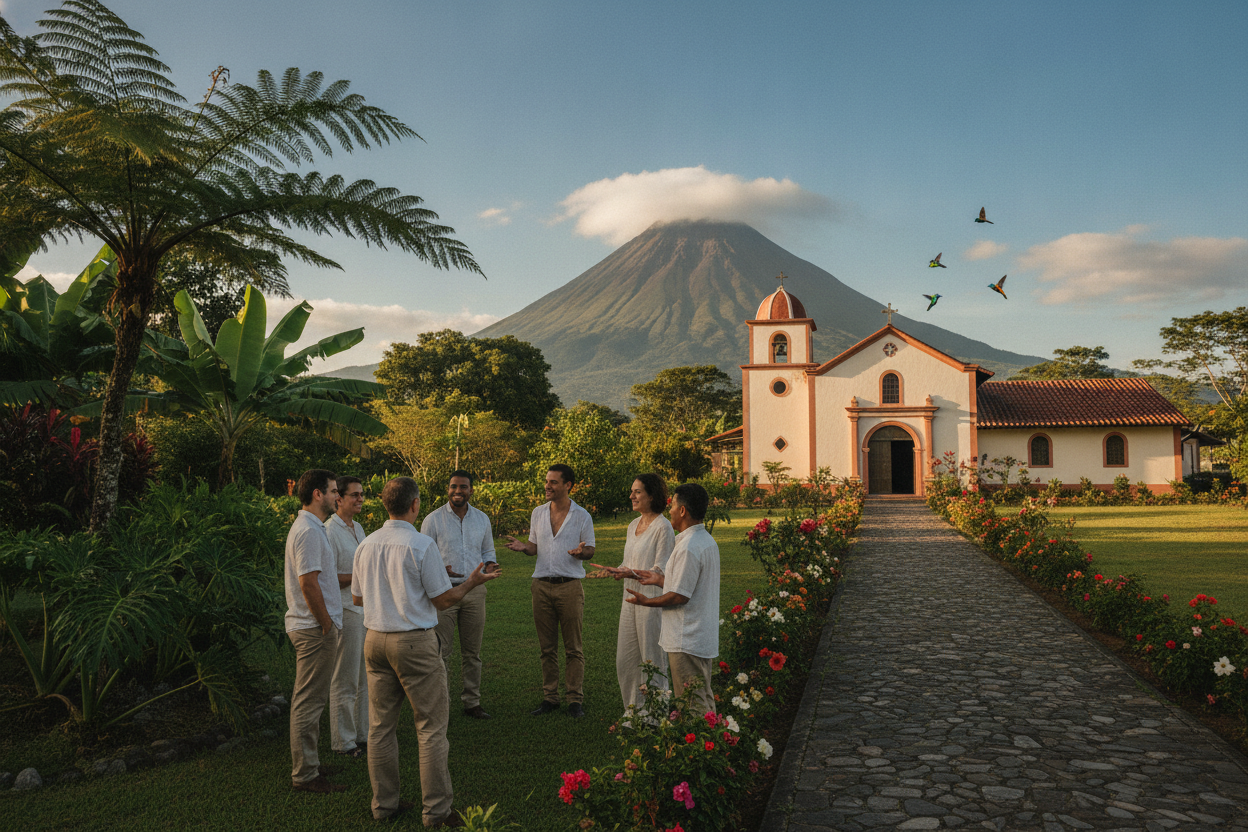
Are you considering a move to a vibrant country known for its commitment to peace and sustainability? Costa Rica stands out as the first nation to constitutionally abolish its army. This unique decision reflects the country’s dedication to fostering a stable and harmonious society.
Ranked third globally in the Environmental Performance Index, Costa Rica is not only a paradise for nature lovers but also a welcoming place for those seeking to serve in religious capacities. Navigating the residency process can seem daunting, but we are here to help you understand the legal framework established for foreign nationals.
In this guide, we will explore the essential steps to transition from a visitor to a legal resident. Our aim is to provide you with the necessary information to ensure a smooth application process while meeting all legal standards. By following the correct procedures, you can fully enjoy the stunning landscapes and rich culture that define life in this Central American gem.
Overview of Costa Rica Residency for Religious Workers
Costa Rica stands as the most stable democracy in Latin America. Its strategic location, just 2.5 hours from Miami, makes it an appealing destination for many. Understanding the residency process for religious workers is crucial for those looking to contribute to the community.
The government classifies individuals based on their contributions to society. Maintaining legal status is essential and requires adherence to immigration laws. This ensures that foreign nationals can reside and work legally within the country.
Religious workers often fall into special categories, necessitating specific documentation to validate their affiliation and the nature of their service. By grasping the broader context of residency, applicants can align their personal goals with the established requirements in Costa Rica.
The Role of Immigration in Costa Rica’s Appeal
With its focus on social welfare and education, this country has become a beacon for those seeking a new beginning. Historical trends show that individuals from diverse nations, including the United States and Nigeria, have successfully navigated the immigration system to make this nation their home.
The appeal of this country is rooted in its commitment to creating a welcoming environment. This atmosphere encourages integration into the local culture, allowing newcomers to feel at home. The unique blend of natural beauty and respect for the legal system attracts global citizens seeking a fresh start.
Immigration has played a vital role in shaping the modern landscape of this nation. It has fostered a diverse population that contributes to ongoing development. By understanding the historical context of residency, applicants can better appreciate the welcoming nature of the society they are joining.
Assessing Residency Requirements for Religious Workers
Navigating the complex landscape of residency requirements can be a crucial step for aspiring religious workers. Each applicant must consider various eligibility factors that influence their ability to reside legally in the country.
Evaluating personal and family situations is essential. These factors directly impact the documentation required for a successful residency filing. Specific requirements may vary based on nationality, which could determine whether a consular visa is necessary.
By assessing your situation early in the process, you can address potential challenges before they become obstacles. Our focus is on providing the factual information needed to navigate these requirements effectively while complying with local immigration laws.
Document Checklist for Costa Rica Residency Applications
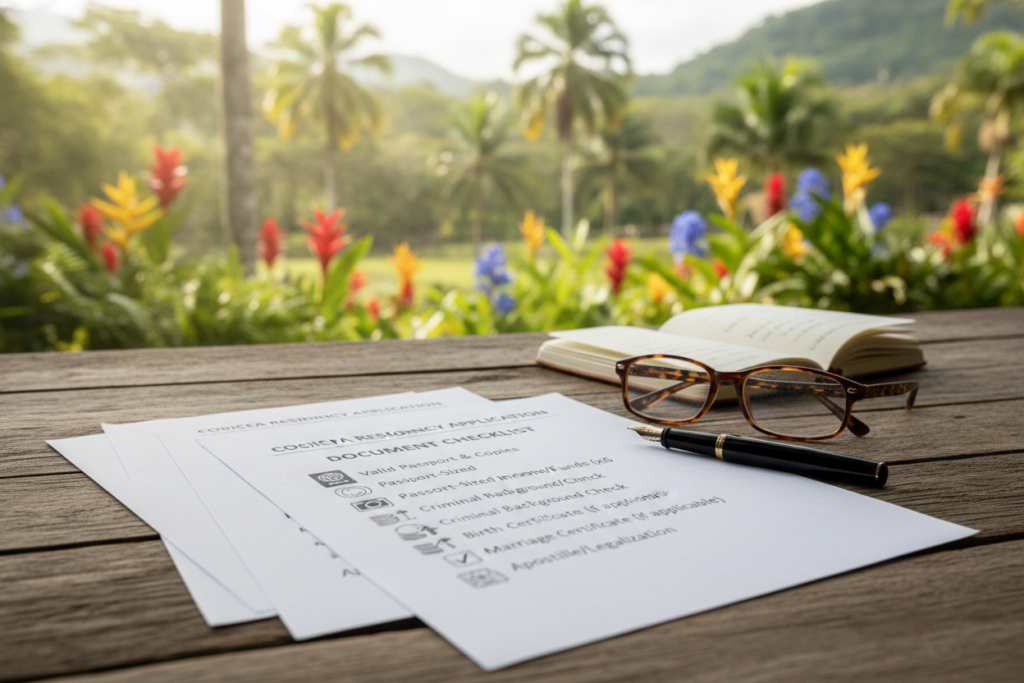
Gathering the right documents is essential for a successful residency application. Each applicant must prepare several important personal and legal documents to ensure compliance with immigration requirements.
First and foremost, a valid birth certificate is a fundamental document required for each applicant. This certificate must be translated into Spanish by a court-approved translator. Additionally, police records are mandatory and should be obtained from your last place of residency.
Every document submitted for your application must be properly prepared. This often includes obtaining an apostille from the country of origin where the paper was issued. The process of notarization and authentication is critical, as it ensures that your legal documents are recognized by the authorities in Costa Rica.
Ensuring that all documents are current and correctly authenticated is the most effective way to avoid delays in your residency application process. We guide you through these essential steps to help you navigate this important aspect of your journey.
Navigating the Application Process
Understanding the nuances of residency applications is vital for a smooth transition. We are here to provide step-by-step guidance to help you manage the submission of your residency file. This process can be complex, involving multiple government offices.
Once your application process is initiated, your status changes from a tourist to a residency applicant. This allows you to remain in the country legally while your application is reviewed. Following established procedures for submission is essential to ensure your residency request is handled efficiently.
We focus on helping you understand the logistical requirements of the process. This way, you can move forward with confidence in your residency journey. For more detailed information, you can visit this link.
costa-rica-residency-for-religious-workers
Understanding the unique residency process for those in religious roles is essential for a successful transition. Tailoring the process involves identifying the specific legal category that best fits your role and the nature of your service.
While standard paths are well-defined, religious workers may need to provide additional evidence of their affiliation with a recognized institution. This ensures that your application reflects your commitment and purpose.
We help you navigate the nuances of the residency process, ensuring that your specific situation is accurately represented to the immigration authorities. Adapting the standard requirements to your unique role is key to a successful outcome.
Our goal is to provide the clarity needed to manage the complexities of the residency process while focusing on your primary objective of serving your community.
Legal Considerations and Practical Advice
Understanding the legal framework is essential for a successful residency application. Legal considerations are paramount when applying for residency, as the law in Costa Rica is strictly enforced by immigration authorities. Being well-informed about the requirements can help you avoid common pitfalls.
Common mistakes include submitting incomplete documents, which can lead to delays or rejections. We offer practical advice on how to manage your residency journey effectively. Seeking professional guidance can be invaluable in navigating the complexities of the law.
Missteps in the application process can result in significant delays. Therefore, it is vital to be well-informed about the requirements before you begin. By adhering to legal standards and seeking appropriate advice, you can better position yourself for a successful residency experience in Costa Rica.
Timing and Processing in the Present Immigration Context
In today’s immigration landscape, understanding the timeline for residency applications is more important than ever. Current processing times for residency typically range from 6 to 12 months after filing. This period can vary based on several factors.
The volume of applications at the Immigration Authority significantly influences how long it takes to receive a decision. Fluctuations in this volume can lead to unexpected delays.
We advise our clients to plan for these months of waiting. The government allows residency applicants to maintain their status while their files are processed. Being aware of the time involved helps you manage your expectations.
As you prepare for your life in this beautiful country, our experience enables us to provide realistic estimates regarding the time you should expect for your residency approval.
Eligibility Based on Nationality and Family Situation
Assessing your eligibility based on nationality can significantly impact your residency application process. In Costa Rica, the Political Constitution ensures that all individuals are treated equally, regardless of their nationality. This means that the residency process is fair and accessible to everyone.
When applying for residency, it’s essential to consider your family situation. Spouses and children under 18 can be included in the main applicant’s residency application. This inclusion can simplify the process and ensure that your family can join you in this beautiful country.
We assist each applicant in understanding how their unique family situation and nationality influence the documentation and financial requirements for their residency. By carefully assessing these factors, you can ensure that your application meets the standards set by the immigration authorities.
Financial and Income Verification for Residency
Understanding the financial requirements is crucial for anyone looking to establish residency in this beautiful country. Meeting the income threshold is a critical step, as the government mandates proof of a stable income.
For example, if you are applying for a Pensionado residency, you need to show a monthly income of $1000 from a recognized institution. Alternatively, those pursuing Rentista residency must demonstrate a monthly income of $2500 for five years, often verified through a letter from a bank.
The amount of your financial deposit is a key factor in your residency application. It must be documented clearly to satisfy the authorities. We help you navigate the income verification process, ensuring that your financial documentation meets the strict standards required for your specific residency category.
Whether you are proving a pension or an investment, the accuracy of your income documentation is essential for the approval of your residency.
Comparing Residency Types for Religious Workers
Choosing the right residency type is crucial for anyone planning to settle in a new country. In our exploration of residency options, we highlight the differences between temporary and permanent residency.
Most applicants start with temporary residency, which serves as the initial status. After three years of holding this status, individuals can apply for permanent residency. Each residency category has its own set of rules, and selecting the right option depends on your long-term goals and your role in the community.
We explain the differences between these residency options, helping you understand the path from temporary status to permanent residency. Religious workers may find that a specific category suits their needs better. By understanding the requirements for each residency option, you can plan your future in this beautiful country with greater clarity and confidence.
Expert Insights and Immigration Trends
The landscape of immigration in Costa Rica has seen significant changes over the years. With over 20 years of experience, we have helped countless families navigate the complexities of immigration and residency. Our reflections on immigration trends show that the process for establishing a business or serving in a religious capacity has evolved.
We have observed how the law in Costa Rica is applied to various cases. This knowledge allows us to provide practical guidance for your residency journey. Approval rates for residency applications are high when requirements are met, making it essential to understand the process thoroughly.
Johanna Alvarez, our immigration expert, is available to discuss your specific situation. For personalized guidance and pricing, please contact her via WhatsApp at +506 8706 3888, email info@crie.cr, or visit our website at crie.cr.
Final Thoughts and Guidance for Your Journey
Embarking on a journey to a new country can be both exciting and challenging. Your path to residency requires careful preparation of documents and a clear understanding of the law.
Over the years, we have assisted many individuals in securing their status. We remain committed to providing factual information for your residency application.
Whether you are pursuing an investment or a pension-based option, success hinges on meeting every requirement with precision. We encourage you to reach out for personalized guidance, as each case depends on your unique nationality and family situation.
By staying informed and working with experienced professionals, you can navigate the residency process effectively. Enjoy the many benefits of living in this beautiful country.
FAQ
What are the basic requirements for applying for residency in Costa Rica?
How long does the residency application process take?
What types of income are acceptable for residency applications?
Can family members apply for residency along with me?
What should I do if my residency application is denied?
Are there specific institutions that support religious workers in the residency process?
Is it necessary to have a bank account in Costa Rica for residency?
What happens after my residency application is approved?
Article by Glenn Tellier (Founder of CRIE and Grupo Gap)
Don't wait, contact us right now!
Call or WhatsApp Costa Rica +506 8373 2085 or +506 8706 3888
Call USA/Canada +1 305-906-6784