
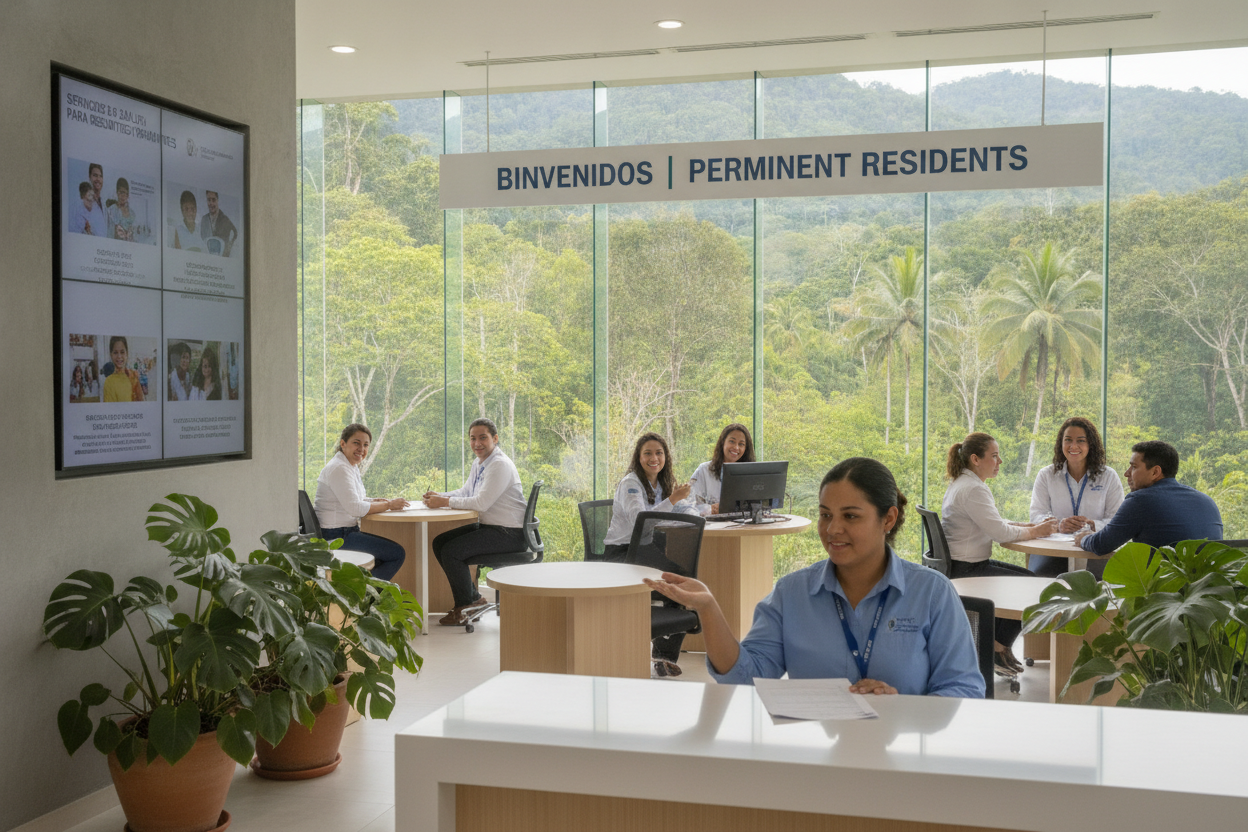
Understanding the healthcare requirements is essential for anyone looking to establish residency in this beautiful country. The Caja system is a vital part of this process, as mandated by Immigration Law 8764. It ensures that all residents have access to necessary healthcare services.
At CRIE, we have been guiding individuals and families through the complexities of residency and immigration for over 20 years. Our experience allows us to provide clear, factual information about your obligations as a resident. We focus on helping you navigate the requirements, ensuring you understand what is needed to finalize your residency status.
This guide aims to simplify the process of understanding the Caja for those who are new to the country. We provide step-by-step information to help you prepare your documents from home. While we do not guarantee pricing or approval timelines, we strive to set realistic expectations for your immigration journey.
Understanding the Role of Caja in Costa Rica Residency
For anyone seeking residency in Costa Rica, grasping the healthcare system is crucial. The Caja Costarricense de Seguro Social (CCSS) was established in 1941 to ensure universal healthcare and manage pensions for residents.
Under Immigration Law 8764, registering with the Caja is mandatory for all residents. This step is essential to complete the residency process. Contributions to the social security system are divided into two parts: SEM for sickness and maternity and IVM for pension benefits.
Having access to Caja services means residents can utilize primary care clinics, known as EBAIS. These clinics offer general checkups and minor procedures. Moreover, the insurance covers the main applicant and their dependents, such as spouses and children.
Importantly, every child aged 0 to 18 is entitled to free government coverage, regardless of their residency status. This comprehensive approach underscores the government’s commitment to ensuring health security for all residents.
Navigating Costa Rican Residency Options
Choosing the right residency option in Costa Rica can be a complex process. There are three primary categories to consider: Pensionado, Rentista, and Inversionista. Each category has specific requirements that you must meet to qualify.
The Pensionado category is designed for retirees who receive a guaranteed pension of at least US$1,000 per month. This option allows retirees to enjoy a comfortable lifestyle in the country.
On the other hand, the Rentista status requires proof of a stable income of US$2,500 monthly for two years. You will need to document this income through official bank letters.
For those looking to invest, the Inversionista category demands a minimum investment of US$150,000 in Costa Rica. If you choose to invest in real estate, ensure that the property title is in your name.
Before arriving, remember that all foreign documents, like birth certificates and police checks, must be apostilled. Lastly, the Digital Nomad visa does not count as residency and will not lead to permanent status.
For more detailed guidance on residency requirements, visit this page.
Understanding caja-for-permanent-residents-in-costa-rica Requirements
Gaining insight into the requirements for healthcare enrollment is vital for new residents in this vibrant country. Once your residency is approved by the immigration directorate (DGME), you must register with the Caja system within 90 days. This step is crucial to ensure access to essential healthcare services.
The monthly premium you pay is based on the income you reported to the DGME. It is calculated using two charts: the Healthcare Chart and the Pension Chart. Generally, applicants in the Pensionado category will see lower premiums compared to those in the Inversionista or Rentista categories.
If your income is documented through bank statements from your home country, you will need to provide a statement from a Costa Rican CPA. Additionally, Inversionistas approved through an active corporation may face a personal, on-site audit as part of determining their premium.
Preparing for Your CAJA Enrollment Process

Preparing for your enrollment in the Caja system is a crucial step for all new residents. Gathering the right documents ahead of time can streamline your application process. You will need to authenticate your documents to meet the requirements set by the government.
Many expats plan a one-week trip specifically for the registration step. Urban offices in San José often require appointments, which can add weeks to your timeline. However, some rural offices may allow you to complete the registration in a single day.
Here are some tips to ensure a smooth in-person registration:
- Have bilingual, personal assistance at your appointment to avoid language barriers.
- Document errors, such as missing apostilles or uncertified translations, can cause delays.
- We provide bilingual, personal assistance at your Seguro Social office appointment anywhere in the country.
For more detailed guidance on residency requirements, visit this page.
Common Pitfalls and Mistakes to Avoid
Understanding the common pitfalls in the residency process can ease the transition for new residents. Many applicants encounter issues that can delay their applications or increase costs.
A frequent error is misinterpreting the income thresholds or submitting documents with small discrepancies. These inconsistencies can lead to delays or rejection during your appointment at the local office.
It’s crucial to report only the specific income used for your residency application. Misreporting your total worldwide income can trigger much higher insurance premiums.
Expats without fluency in Spanish often face misunderstandings at the office. This can lead to incorrect premium quotes or incomplete paperwork.
By understanding these potential pitfalls, you can save significant time, money, and frustration during your transition to residency. Professional guidance can also help navigate the various interpretations of rules across different offices.
Strategies to Manage and Adjust Your CAJA Premiums

Navigating the complexities of CAJA premiums is essential for new residents looking to optimize their healthcare costs. After three years of temporary residency, we can apply for permanent residency, which opens up opportunities to renegotiate monthly premiums.
If you find your income has decreased, you can provide a letter from a Costa Rican CPA to demonstrate your lower net monthly income. While Pensionado holders typically cannot deduct expenses, many local offices may allow this practice to help reduce costs.
For those currently holding Rentista status, switching to Pensionado can lead to a more favorable premium. If you encounter any disputes at the Caja office, showing your DGME immigration resolution can clarify the official requirements.
For personalized guidance on pricing and next steps, we recommend speaking with Johanna Alvarez, our immigration expert at CRIE, who can assist you with your specific situation.
Ready to Begin Your Residency Journey with CRIE?
Embarking on your residency journey in Costa Rica can be both exciting and overwhelming. Every residency case depends on your specific nationality, family situation, documents, timing, and immigration history, requiring a tailored approach.
We provide transparent guidance and professional support to help you navigate the complexities of the Costa Rican immigration system. For personalized assistance, pricing, and next steps, please speak with Johanna Alvarez, our dedicated CRIE immigration expert.
You can reach us via WhatsApp at +506 8706 3888, by email at info@crie.cr, or by visiting our website at crie.cr. Let our team assist you in ensuring your documentation and registration process are handled with the care and attention they deserve.
FAQ
What is the CAJA system in Costa Rica?
How do we apply for CAJA as permanent residents?
What are the costs associated with CAJA enrollment?
Are there any benefits to being enrolled in CAJA?
How long does the CAJA enrollment process take?
Can we switch our residency category after enrolling in CAJA?
What should we avoid during the CAJA enrollment process?
How can we negotiate lower CAJA premiums?
Article by Glenn Tellier (Founder of CRIE and Grupo Gap)
Don't wait, contact us right now!
Call or WhatsApp Costa Rica +506 8373 2085 or +506 8706 3888
Call USA/Canada +1 305-906-6784