
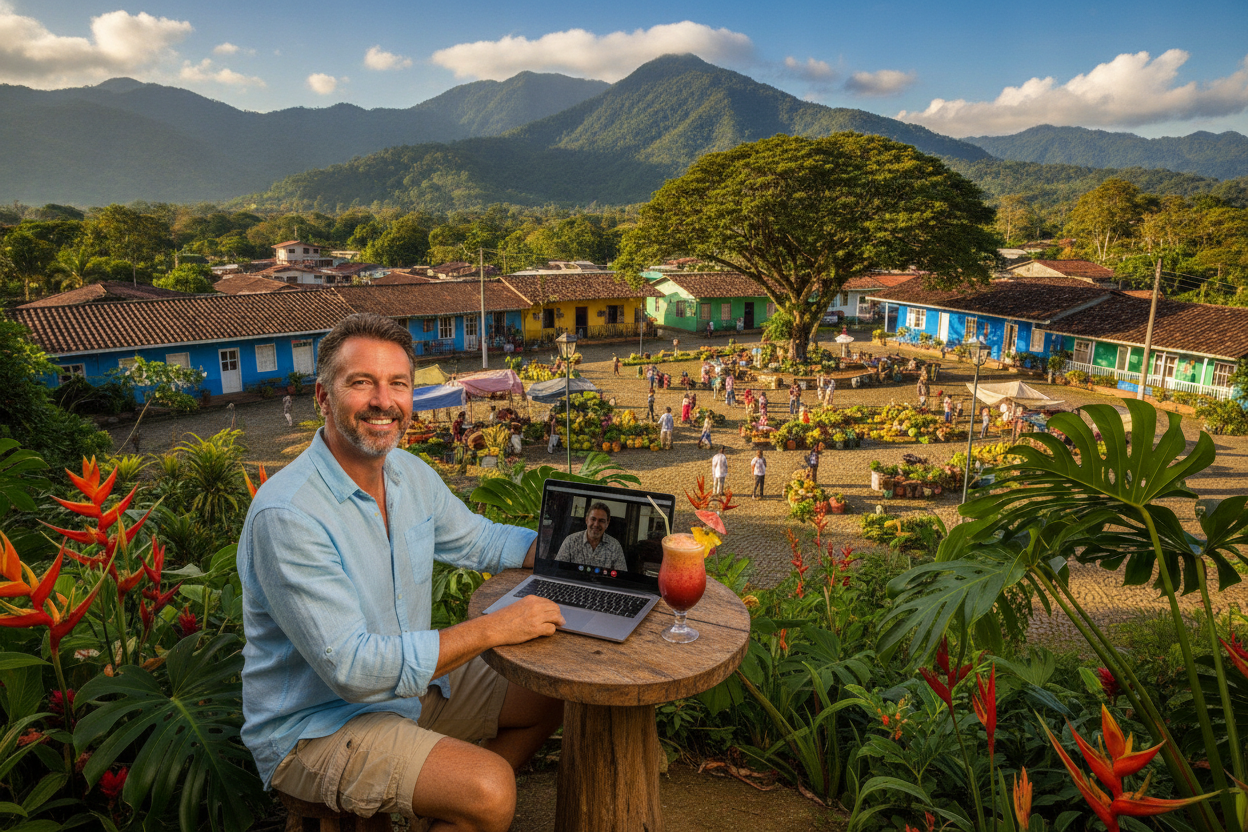
Costa Rica, known as the “rich coast,” is a vibrant country in Central America, home to around 5 million people. For those considering a move, this destination offers a unique opportunity to embrace the famous Pura Vida lifestyle. Here, you can enjoy a beautiful tropical environment and a welcoming culture.
Today, approximately 70,000 US expatriates call this country home. If you are contemplating a new adventure or a peaceful retirement, understanding the legal pathways is crucial. We will explore four main options for relocating, including the Pensionado and Rentista programs.
Our guide aims to provide clear, factual information to help you navigate the complexities of moving to this stunning country. With our insights, you can confidently take the first steps toward a successful transition.
Discovering the “Pura Vida” Lifestyle in Costa Rica
Nestled in Central America, this tropical paradise is celebrated for its breathtaking landscapes and warm-hearted people. The “Pura Vida” lifestyle embodies a relaxed and positive attitude that influences daily life here. This phrase, which translates to “pure life,” serves as a greeting, acknowledgment, and farewell among locals.
Many expatriates notice a significant improvement in their quality of life after relocating. The focus on community and the stunning natural beauty enhances their everyday experiences. You will hear “Pura Vida” frequently, reminding you to cherish the simple joys of your new life.
Additionally, Costa Rica is home to one of the world’s Blue Zones, where people often enjoy longer and healthier lives. The combination of climate, diet, and social habits contributes to this longevity. Embracing this unique lifestyle requires an open mind and a willingness to adapt to the slower, more intentional pace found throughout the country.
Why Costa Rica Attracts US Citizens
The allure of this Central American gem continues to attract thousands of American expatriates. With over 70,000 US citizens currently residing in the country, many expats find the environment highly appealing for long-term relocation.
This country boasts one of the highest living standards in Central America. Its political stability further enhances its attractiveness for those leaving the United States. Many expats are drawn to the modern infrastructure, which includes reliable electricity, high-speed internet, and clean tap water.
Moreover, the diverse geography allows for various lifestyle choices. Whether you prefer bustling urban centers, serene mountain villages, or lively beach towns, there is a perfect spot for everyone. Many expats appreciate the balance between modern amenities and the untouched natural beauty that defines the landscape.
Residency and Immigration Options for US Citizens
For those looking to establish a new life in a vibrant country, Costa Rica offers a wealth of residency options. Each pathway caters to different circumstances, making it essential to choose the right one for your situation.
The Pensionado program is a popular choice for retirees. To qualify, applicants must provide proof of a lifetime pension of at least $1,000 per month. This program allows retirees to enjoy the benefits of living in this beautiful country.
For those not yet retired, the Rentista program offers residency options by demonstrating a guaranteed monthly income of at least $2,500 for two years. Investors can explore the Inversionista program, which requires a minimum investment of $150,000 in a business or government-approved project in Costa Rica.
Additionally, the Digital Nomad visa is ideal for remote workers. It requires proof of a stable monthly income of at least $3,000 for individuals or $4,000 for families. Each of these residency options requires careful documentation to ensure your application meets the legal standards.
Leveraging CRIE’s 20+ Years of Residency Expertise
With over two decades of experience, CRIE has been a trusted partner for those seeking residency in this beautiful country. Our dedicated team has helped numerous families navigate the complexities of immigration to Costa Rica.
We understand that every residency case is unique. Factors such as nationality, family situation, and immigration history play crucial roles in the application process. Our personalized service ensures that you receive guidance tailored to your specific needs.
For personalized assistance and current pricing on your residency application, we encourage you to connect with Johanna Alvarez, our lead immigration expert. You can reach our office via WhatsApp at +506 8706 3888 or email info@crie.cr.
To learn more about how our professional service can help you manage the legal requirements for your new life, visit our website at crie.cr.
Navigating Documentation and Legal Requirements
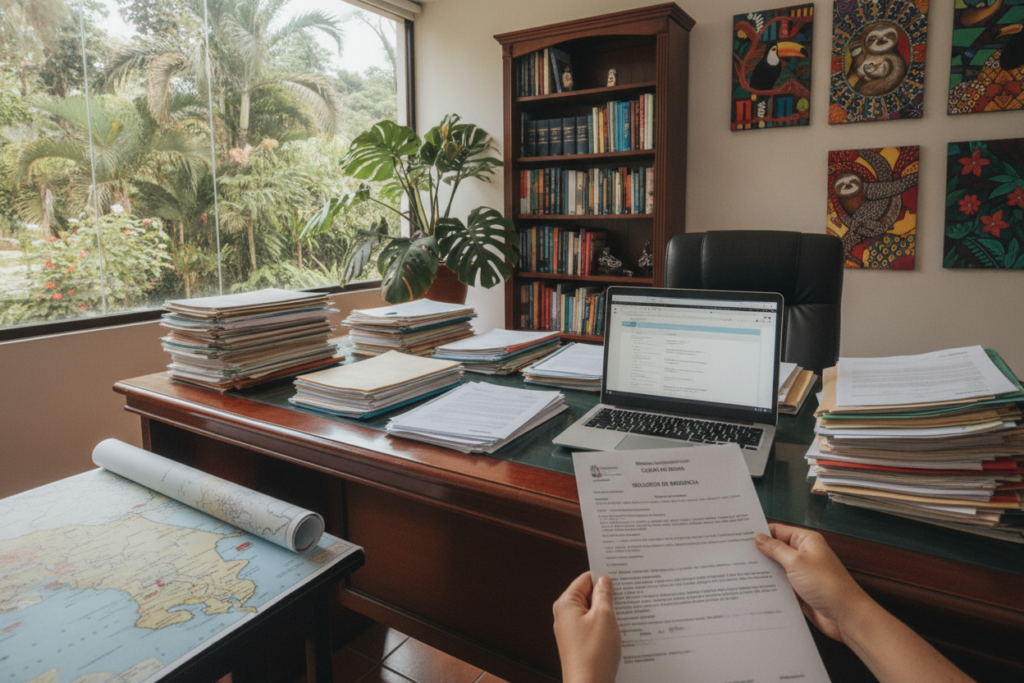
Gathering the necessary paperwork is a crucial step for those aiming to establish residency in this vibrant country. Meeting the legal requirements involves collecting essential documents such as your passport, birth certificate, and an FBI criminal background check.
All official documents must be properly apostilled by the US Department of State to be valid for your residency application in Costa Rica. Additionally, every document must be translated into Spanish by an official translator to meet the strict requirements of the immigration office.
Keeping your application package organized with all necessary proof of income and identity is vital for a smooth processing timeline. We recommend building in extra time for these administrative tasks, as document authentication can often lead to delays during the residency process.
living-in-costa-rica-as-a-us-citizen: Your Journey Explained
Your path to a new life in this vibrant nation begins with selecting the right residency option. It’s crucial to prepare your documents well in advance of your move. The entire process can take anywhere from 3 to 12 months, so planning your timeline carefully is essential.
Once your application is filed, you will receive proof that your residency is in process. This milestone is significant in your journey. After approval, you will complete the registration steps to receive your DIMEX card, the official way to identify yourself as a legal resident.
We encourage you to stay organized throughout this time. Maintaining compliance with immigration law is vital for your long-term success in this beautiful country. For more detailed information, you can visit this guide on Costa Rican citizenship by.
Embracing Local Culture and Community Connections
Connecting with the local culture is essential for anyone starting anew in this vibrant nation. Building a strong community is a vital part of your transition. Platforms like InterNations can help you connect with other expats in San José.
Ticos, the locals, are known for being welcoming and easy-going. Making an effort to learn Spanish will go a long way in helping you integrate into the local community. Adapting to the Pura Vida attitude means valuing personal relationships over strict scheduling.
Many expats find that their social networks grow quickly when they participate in local events. Engaging with both Ticos and fellow international residents can lead to meaningful connections. Being respectful of local customs, such as using formal greetings, will also help you build positive relationships.
Housing, Property, and Cost of Living Insights
Exploring the housing options in this tropical paradise is a crucial step for future residents. Finding suitable housing is a priority, and renting is often the best way to explore different areas before committing to a property purchase.
In popular areas like San José, you can expect to pay between $600 and $1,200 for a two-bedroom apartment, depending on the neighborhood and amenities. When buying property, remember that Americans have the same rights as locals, but it is wise to work with a reputable attorney to ensure a clear title.
Budgeting for your everyday cost of living should include utilities, groceries, and the relatively low property taxes of 0.25% on your registered home value. Whether you choose the beach towns or the Central Valley, understanding the local housing market is essential for managing your monthly expenses in Costa Rica.
Healthcare and Well-Being for US Expatriates
The healthcare landscape in Costa Rica is diverse and accessible, catering to both locals and expatriates. As a legal resident, you will need to contribute to the Caja system, which provides a nationwide network of clinics for your healthcare needs.
Many expats choose to supplement the public system with private insurance. This allows access to English-speaking doctors and shorter wait times at facilities like Hospital CIMA. Medical costs in Costa Rica are often 50-70% lower than what you would pay in the United States.
Maintaining your well-being is easier when you have access to high-quality care. The healthcare system in Costa Rica is highly regarded globally. We recommend that every expat researches their insurance options to ensure they have the right coverage for both routine checkups and emergency medical situations.
Legal Pathways for Employment and Remote Work
Understanding the employment landscape in Costa Rica is vital for expatriates looking to thrive. Your residency status plays a significant role in determining your ability to work in this beautiful country.
The Digital Nomad visa is a popular option for those who wish to continue their remote work for employers based outside of Costa Rica. This allows you to enjoy the local lifestyle while maintaining your current job.
If you seek local employment, your employer must provide sponsorship. They must prove that the position could not be filled by a local citizen or resident. This requirement ensures that job opportunities are available for both locals and expatriates.
Permanent residents enjoy the freedom to work without needing a separate work permit. This provides more flexibility for your career in Costa Rica. Always ensure your work status is compliant with immigration law to avoid any issues while you are living and working in the country.
Financial Planning: Banking, Taxes, and Expat Expenses
Understanding the financial landscape is crucial for anyone considering a move to this tropical paradise. As US citizens, we must remain aware of our ongoing tax obligations, which include filing annual returns on worldwide income.
Opening a local bank account is essential for managing daily expenses as an expat. However, this process requires specific documentation, such as proof of address and residency status.
It’s also important to be mindful of the exchange rate when transferring funds. Currency fluctuations can significantly impact our monthly budget while living in Costa Rica.
Many expats find that working with a tax expert familiar with both US and Costa Rican laws helps optimize their financial situation. Proper planning for banking and tax needs will provide the stability we need to enjoy our new life without unnecessary financial stress.
Transportation, Infrastructure, and Everyday Life
Transportation options in Costa Rica are diverse, making it easy to navigate this beautiful country. Whether you prefer public buses, shuttles, or commuter trains, you can easily connect with nearby towns and cities from San José.
If you choose to drive your own car, be prepared for some unique challenges. Street names can be rare, so locals often use landmarks for directions. It’s essential to follow traffic laws, such as the 40 km/h speed limit in residential areas and 80-100 km/h on highways.
Ride-hailing apps like Uber are popular in the city, providing a convenient and often safer alternative to traditional taxis. However, we advise caution when driving at night, as streetlights are not common and road conditions can change unexpectedly in rural areas.
Tips to Enhance Your Transition to Costa Rican Life
Transitioning to a different culture often requires an open mind and a willingness to learn. To make your move to Costa Rica smoother, consider learning basic Spanish phrases. This will help you communicate better with the local people you meet daily.
You will notice that Ticos often start their day as early as 6:00 AM. Adjusting your schedule can help you feel more in sync with the local way of life. Patience is also essential, especially when dealing with administrative processes, as things may move at a different pace than in the United States.
Engaging with your neighbors and participating in local festivals is a great way to feel more at home in your new environment. Remember, every small effort you make to understand the culture will be appreciated by the people who call Costa Rica their home.
Practical Steps and Document Preparation for Residency
Embarking on the journey to residency in this tropical paradise requires careful planning and document preparation. The residency application process involves gathering important documents like birth certificates and police checks.
Understanding the processing timeline is vital. This knowledge helps us manage expectations and plan our move to Costa Rica with greater confidence. The time it takes to process applications can vary significantly based on the type of visa and current immigration volume.
To ensure a smooth application process, we suggest creating a checklist of all legal requirements. This will help us avoid missing any critical steps during our residency application process.
Working with an expert can also be beneficial. They can guide us through the complexities of the immigration office, ensuring our documents meet all current standards for Costa Rica. Staying proactive with our document preparation will minimize delays and help us achieve our goal of legal residency in a timely manner.
Ready to Begin Your Costa Rican Adventure? Connect with CRIE Today!
Embarking on a new journey in this tropical paradise can be an exhilarating experience. Your path to establishing residency here is exciting and becomes much smoother with the right professional support.
We have guided countless expats through the complexities of residency, and we are prepared to assist you with your unique needs today. If you are ready to take the next step, please reach out to our team at CRIE for personalized guidance and transparent pricing on our services.
Our experts are eager to answer your questions and help you prepare for a successful transition to your new life in this beautiful country. Connect with us via WhatsApp at +506 8706 3888 or visit crie.cr to start your Costa Rican adventure with confidence.
FAQ
What is the cost of living in Costa Rica compared to the United States?
How can we obtain residency in Costa Rica?
What are the healthcare options for US citizens living in Costa Rica?
Are there job opportunities for US citizens in Costa Rica?
What is the best way to find housing in Costa Rica?
How do we adapt to the local culture in Costa Rica?
What should we know about transportation in Costa Rica?
What are the requirements for bringing pets to Costa Rica?
Article by Glenn Tellier (Founder of CRIE and Grupo Gap)
Don't wait, contact us right now!
Call or WhatsApp Costa Rica +506 8373 2085 or +506 8706 3888
Call USA/Canada +1 305-906-6784