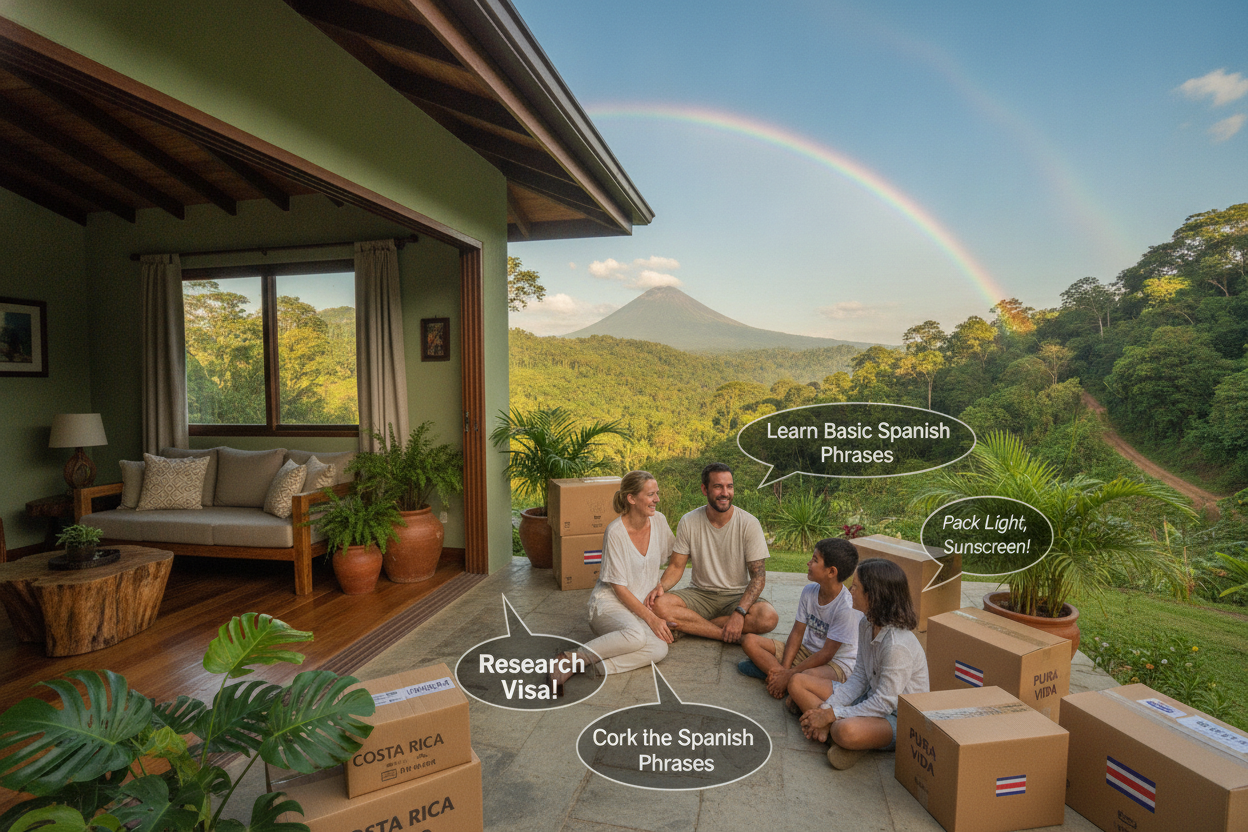
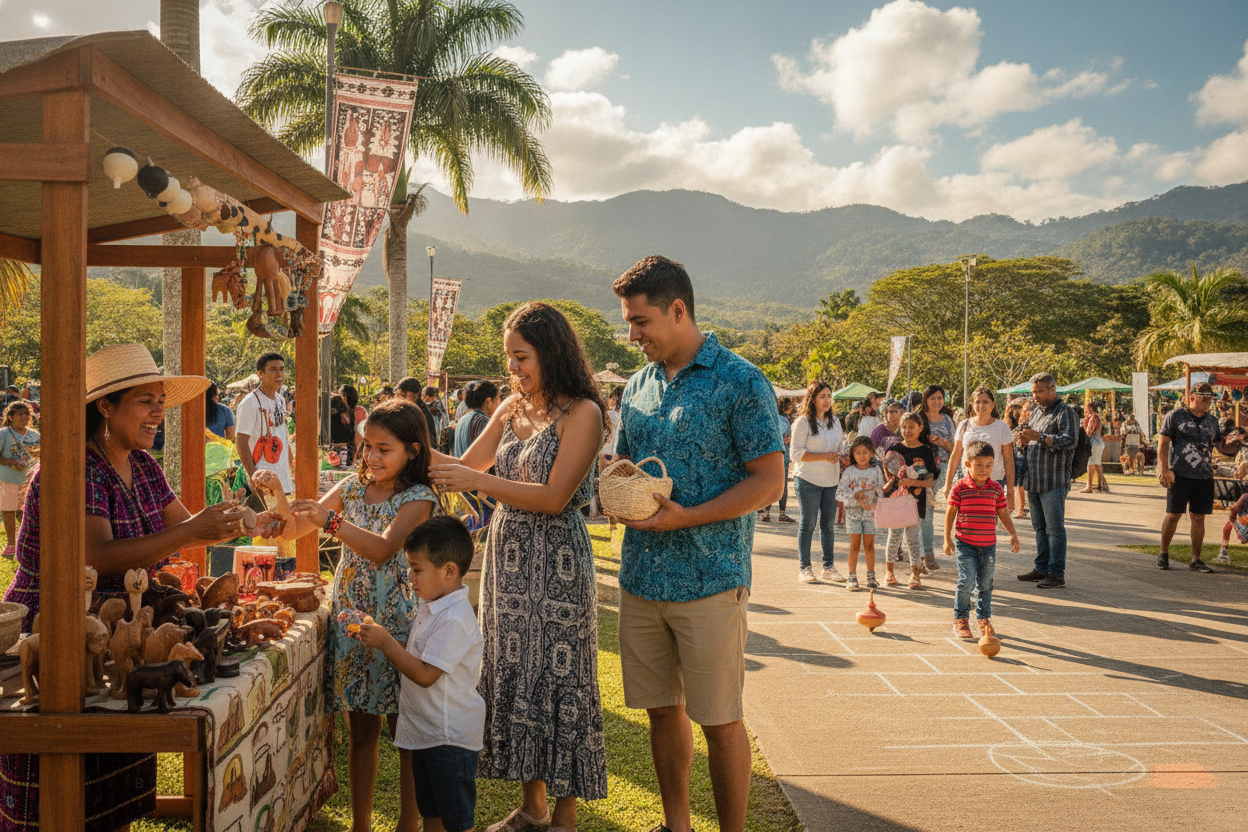
Many families dream of a gentler rhythm of living. They imagine more space, cleaner air, and mornings that begin with birds instead of alarms. This vision of a better life and a relaxed lifestyle is a powerful draw to Costa Rica.

This guide goes beyond the beaches and “pura vida” clichés. We provide a practical roadmap through residency options and legal steps. Our focus is on helping your family make the move correctly, from the very start.

This dream is more achievable than ever. Nearly 120,000 Americans now call this country home—a 34% increase since the pandemic. It’s a well-traveled path, chosen by people seeking a profound change.

We are CRIE, experts in Costa Rica residency and immigration. We’ll clarify the core options: Pensionado, Rentista, and Investor visas. We also address a critical point—the Digital Nomad visa is not a path to permanent residency.

The most important step begins at home. Proper preparation with documents, apostilles, and translations prevents costly delays. Let’s build your realistic plan for moving to Costa Rica.

Understanding Residency Options in Costa Rica

A detailed scene depicting a modern office environment, where a Caucasian professional staff member in business casual attire, such as a polo shirt and button-down, is engaging with a family considering residency options in Costa Rica. The foreground features a large table with documents outlining various residency options, brochures featuring "Pura Vida Costa Rica," and a laptop displaying information about the country. In the middle ground, the family looks interested and conversant while examining the materials. The background showcases large windows with views of Costa Rica’s lush green landscape and mountains, with soft, natural light illuminating the room. The overall mood is warm and welcoming, embodying the spirit of relocation and opportunity.

Three distinct residency pathways form the legal foundation for families wishing to establish a new home in Costa Rica. Each category has specific financial thresholds and documentation needs.

Pensionado (Pensionado) Requirements

The Pensionado visa is designed for individuals with a guaranteed retirement income. It requires proof of a lifetime pension of at least US$1,000 per month from a government or qualifying private source.

Rentista (Rentista) and Investor (Inversionista) Criteria

The Rentista category suits those with stable passive income. Applicants must demonstrate US$2,500 per month for two years from investments or rentals.

For the Investor visa, a minimum of US$150,000 must be placed into approved real estate or a business. A critical rule: the property title must be in the applicant’s personal name.

Processing for these residencies typically takes three to six months. We help families determine the optimal path for their situation and goals in this country.

Step-by-Step Guide to Costa Rica Immigration with CRIE (crie.cr)

A professional office setting reflecting the immigration qualification process to Costa Rica, featuring a diverse group of Caucasian individuals in business casual attire. In the foreground, a friendly immigration consultant assists a family with paperwork, showcasing forms and a laptop displaying the Costa Rica Immigration website (crie.cr). The middle ground captures a welcoming atmosphere with potted plants and Costa Rican decorations. The background displays a large banner reading "Pura Vida Costa Rica," exuding a sense of warmth and community. Soft, natural lighting floods the space, creating a bright and inviting ambiance. The angle is slightly overhead, providing a clear view of the interactions and the supportive environment, illustrating a step-by-step guide to immigration in Costa Rica.

The journey to residency in Costa Rica begins with one critical question: do you qualify? We guide families through a systematic process before moving to Costa Rica. This initial assessment saves significant time and prevents wasted work.

Who Qualifies? (¿Quién califica?)

Three primary residency categories exist in Costa Rica. The Pensionado visa requires a verifiable lifetime pension. The Rentista category demands proof of stable passive income. The Inversionista visa needs a qualifying investment in the country.

We help you determine which path fits your financial profile. Always verify the latest criteria at the official migracion.go.cr website.

Necessary Documentation and Preparation

The most crucial work happens before you leave home. Essential documents require apostilles—official certifications for international use. These must be obtained from your home country’s authorities.

Every document also needs a certified Spanish translation. Rushing this process after relocating causes major delays. We create tailored checklists to ensure your file is complete from the start.

Preparing Your Documentation Before Arrival

We cannot stress enough: the work you do at home dictates your timeline in Costa Rica. The most practical preparation happens before you leave your home country. Properly authenticated documents prevent costly delays that can stretch into months.

Apostilles and Translations

Two processes are non-negotiable. First, obtain apostilles for key documents. An apostille is an official government certification that verifies a document’s authenticity for international use.

Birth certificates, marriage licenses, and police background checks all need this stamp. Second, every document not in Spanish requires a certified translation. The translator’s credentials must be recognized by Costa Rican authorities.

Organizing Files from Home

Create a master checklist for each family member. Track each paper through three stages: original, apostilled, and translated. This simple list keeps everything on schedule.

Scan every version for digital backups. Officials may request copies at any point. Start this entire process at least three months before your move. Apostille and translation services can take several weeks.

Families who arrive with a complete, organized file often see their residency approved in a matter of months.

Common Mistakes to Avoid During the Residency Process

The most frequent pitfalls in securing residency stem from incomplete paperwork and visa category confusion. These errors can add six to twelve months to your timeline. Careful planning from the start is your best defense.

Incomplete Documentation Issues

Submitting documents without proper apostilles is the top cause for rejection. Every birth certificate and police check needs this official stamp. Background checks must also be less than six months old.

Financial proof for a Rentista visa requires clear evidence of stable income. Bank statements alone are often insufficient. You need official letters from your financial institution covering the full two-year period.

Misunderstanding Residency vs. Digital Nomad Options

Many families confuse the Digital Nomad visa with a residency pathway. This is a critical error. The Digital Nomad option allows a one-year stay, renewable once, for remote workers.

It requires $3,000 monthly for individuals or $5,000 for families. However, it does not count toward permanent residency or citizenship. For a real path forward, remote workers should consider the Rentista category. Those with pensions should look at Pensionado.

We help families identify these pitfalls early. Our guidance steers applications toward approval, avoiding costly resubmission cycles.

Navigating the CRIE Process for a Smooth Transition

Successfully navigating the immigration system hinges on one fundamental principle: preparation from your home country. We guide families through a structured way to turn official requirements into completed applications. This process saves significant time and reduces stress.

Starting from Home with Documents Ready

This is the cornerstone of our guidance. Gathering, apostilling, and translating documents before you leave is essential. Doing this work from your home country is far simpler and less costly.

Once you are in Costa Rica, obtaining these certifications becomes difficult. You might need to mail documents internationally. Our team provides a customized checklist for each family to follow from day one.

Using Resources at migracion.go.cr

The official immigration website, migracion.go.cr, contains all current forms and rules. It is the definitive source for legal requirements. However, the information is presented in dense administrative Spanish.

Most families find it challenging to interpret. We serve as your expert bridge. We translate what the site requires into clear, actionable steps for your specific situation.

Even when working with us, you should verify policies there. Rules can change. Our advice is always anchored in the latest official data from that site. This careful approach is a key part of a smooth transition to life in this beautiful country.

Understanding Income and Investment Thresholds

Understanding the exact income and investment thresholds removes guesswork from your application. Knowing these numbers is the first step to qualifying for residency in this beautiful country.

Pensionado Income Minimum: US$1,000+/month

The Pensionado visa requires a guaranteed lifetime pension. You must prove at least US$1,000 per month from a government or recognized private institution.

Qualifying sources include Social Security, military retirement, and private pension plans. The income must be permanent, not temporary.

Rentista and Investor Step Requirements

The Rentista category demands US$2,500 per month in passive income. You must show this income will continue for a minimum of two years.

For the Investor visa, a minimum of US$150,000 must go into approved real estate or a business. A critical rule: the property title must be in your personal name, not a corporation.

These are baseline figures. Authorities may request more proof, especially for families. We help structure your documents to meet these specific financial requirements for living in Costa Rica.

Digital Nomad vs. Permanent Residency: Key Differences

One of the most common points of confusion we encounter involves the fundamental difference between a temporary visa and permanent residency. Costa Rica’s Digital Nomad visa is a legal work permit, not a residency category. Time spent under this status does not count toward the years required for permanent residency or citizenship.

The Digital Nomad option allows a one-year stay, renewable once. It requires verified income of $3,000 monthly for individuals or $5,000 for families. This visa permits remote work for foreign employers and lets families enroll children in local schools.

Its critical limitation is the two-year maximum. When this period ends, families must either leave the country or switch to an actual residency category. None of those two years count if you later apply for Rentista or Pensionado status.

For remote workers committed to long-term living in Costa Rica, the Rentista residency is the strategic choice. It requires proving $2,500 in monthly passive income for two years. This is genuine residency that starts your clock toward permanent status.

We help families assess their true intentions. The Digital Nomad visa works for a trial period. For a permanent relocation, pursuing actual residency from the start is the informed decision.

tips-for-moving-to-costa-rica-with-family: Essential Considerations

While residency forms the legal backbone, your family’s daily life in Costa Rica depends on other key choices. The transition involves more than paperwork.

Unique Challenges for Families

Relocating with children adds specific layers. School selection, finding pediatric care, and maintaining stability during the move are top priorities.

Children often adapt fastest, picking up Spanish and making new friends quickly. The entire process takes time. Most families need six to twelve months to feel fully settled in their new life.

Finding the Right Community and Services

Choosing where to live is crucial. Areas like Jaco, Tamarindo, and Manuel Antonio have established expat communities. These places offer bilingual schools and familiar services.

There is no shame in seeking support while your family adjusts. We guide the residency process, but we also understand these broader needs. Our goal is to help structure your move for both legal success and family wellbeing.

Planning Your Family’s Move: Home, School, and Lifestyle Factors

Beyond legal residency, the success of your relocation hinges on practical lifestyle choices surrounding home and school. These interconnected decisions shape your daily life more immediately than your visa category.

We guide families through these priorities before committing to a specific location.

Choosing the Ideal Neighborhood

The Central Valley near San José offers developed infrastructure. Areas like Escazú and Heredia have reliable internet and many bilingual schools.

Pacific coast towns provide an outdoor-focused lifestyle. Communities like Tamarindo trade some convenience for natural beauty and relaxed beach rhythms.

Mountain regions like Atenas offer cooler climates and affordable housing. Each place supports a different pace of living in Costa Rica.

Integrating into Local Culture

School choice is a major factor. Public schools offer free Spanish immersion. Private and international schools provide bilingual instruction for a fee.

The typical school day starts early and ends by early afternoon. This schedule allows for significant family time.

True integration is an active choice. Learning Spanish and participating in community events leads to deeper belonging. This shapes a fulfilling family life in Costa Rica.

Immigration Timelines: What to Expect at Each Stage

The residency process in Costa Rica follows a predictable, though not rapid, bureaucratic rhythm. We establish realistic expectations from the start—most family applications take three to six months from submission to approval.

Processing Times and Key Deadlines

This timeframe includes initial review and final card issuance. During these months, families typically remain in the country on renewable 90-day tourist visas.

Every 90 days, a brief border crossing renews your tourist status. This allows you to settle into daily life while waiting.

Incomplete documentation can add six to twelve months to your timeline. Proper preparation prevents these costly delays.

After approval, you receive temporary residency for one year. This renews annually for three years before qualifying for permanent status. Planning your moving costa journey around these realistic timeframes is essential for a smooth transition.

Who Can Qualify: Meeting the Residency Requirements

The key to a successful residency application lies in the quality of your financial documentation. Authorities need verified proof, not just a claim that you meet the thresholds.

Proof of Income and Investment Documentation

For the Pensionado category, you need an official letter from your pension issuer. This letter must state your guaranteed monthly benefit of $1,000 or more. Bank deposit records help but do not replace this institutional proof.

The Rentista path requires more detailed evidence. You must provide bank statements showing consistent deposits of $2,500 per month for at least a year. A letter from your financial institution must also guarantee this passive income for a 24-month period.

Acceptable sources include investment distributions, rental income, or annuity payments. Regular employment income does not qualify for this category.

For the Investor visa, the property title must show a value of $150,000 or more. The title must be in your personal name. Business investments require company registration and financial statements proving the capital injection.

All financial documents must be recent, apostilled, and translated. We help families compile this evidence correctly to avoid delays in moving costa rica.

The Role of CRIE in Guiding Your Costa Rica Journey

Expert guidance can transform the daunting process of securing residency into a manageable, step-by-step plan. Our role is to be your dedicated partner through this specific legal pathway.

Expert Advice and Step-by-Step Assistance

We provide focused expertise in Costa Rica residency and immigration. Our work begins with a qualification assessment for your family.

We then create a custom document checklist. This covers apostilles, translations, and the correct filing sequence.

This careful approach helps prevent the common mistakes that cause delays. It saves you significant time and stress during the moving process.

We act as your translator of complex bureaucracy. We explain official requirements from migracion.go.cr in a practical way.

Our goal is to provide peace of mind. You can focus on your new life, knowing the legal part is handled correctly.

For a clear discussion of your situation, contact us. Reach out via WhatsApp at +506 8706 3888 or email info@crie.cr.

Legal Insights: Residency Steps Before Considering Citizenship

Achieving citizenship in this country is a process measured in years, not months. We address it transparently as a long-term possibility, not a near-term goal. The legal pathway requires completing several residency stages first.

You must hold temporary residency for three consecutive years, renewing it annually. After that, you can apply for permanent status. Only after additional years as a permanent resident do you become eligible to apply for Costa Rican citizenship.

The full journey typically spans 7 to 10 years minimum. Costa Rica, like most nations, grants citizenship thoughtfully. It requires demonstrated commitment to the country and integration into Costa Rican life over time.

Temporary residency provides the legal right to live here indefinitely. It allows work, access to healthcare, and stability for your family. Everything except voting rights is covered.

Permanent residency removes the annual renewal hassle. It offers greater flexibility and starts the clock for citizenship if desired. Many families find permanent status provides all the stability they need.

They often maintain their home country citizenship. This avoids complex dual-citizenship considerations. Your immediate priority is securing residency, not a distant passport.

We help families build that solid residency foundation. Our expertise ensures your first steps are correct. For a deeper look at the naturalization process, explore our detailed guide to Costa Rica citizenship.

Essential Resources for Your Costa Rica Move

Your transition involves more than visas. It requires knowing where to find reliable information on schools, shopping, and healthcare. We organize essential resources into two clear categories.

Key Information on crie.cr and migracion.go.cr

Start your journey at crie.cr for residency and immigration guidance. We help determine your category and document checklist. This is your primary resource for legal questions.

The official migracion.go.cr site holds all forms and current rules. It is the source of truth for Costa Rica’s immigration law. Navigating it requires Spanish fluency—we translate requirements into clear steps.

Beyond paperwork, families need practical lists. These include school directories and healthcare providers in your chosen area. Neighborhood comparisons help gauge cost of living and community feel.

For daily needs, learn the grocery store hierarchy. Automercado offers imported food at premium prices. Mas x Menos provides mid-range options, while Palí is budget-friendly.

Weekly farmers markets, or ferias, offer fresh produce at great value. Understanding local shopping is a key tip for settling in. Reliable travel within the country depends on your location.

We point you toward these practical resources. Our expertise ensures your legal pathway is solid for moving costa rica long-term.

Final Preparations for Starting Your New Life in Costa Rica

The final stretch before your move involves tying up loose ends at home and planning your first weeks on the ground. Confirm your documents are apostilled and translated. Book temporary housing and research local grocery shopping and bank options.

Some days will feel challenging. Missing friends and navigating a new culture is normal. Other days will reward you with stunning beach moments and a slower, richer family life.

Most families feel settled within 6 to 12 months. Children often adapt fastest. Budget for living costs and occasional travel back home.

While you handle logistics, we ensure your legal residency foundation is solid. Our guidance turns complex requirements into a clear pathway for your move to Costa Rica.

Ready to begin? Contact us to discuss your family’s situation. Reach CRIE via WhatsApp at +506 8706 3888 or email info@crie.cr.

FAQ

What are the main residency options for moving to Costa Rica with a family?

The primary pathways are the Pensionado, Rentista, and Inversionista visas. The Pensionado requires a lifetime pension of at least

FAQ

What are the main residency options for moving to Costa Rica with a family?

The primary pathways are the Pensionado, Rentista, and Inversionista visas. The Pensionado requires a lifetime pension of at least $1,000 per month. The Rentista visa demands a guaranteed $2,500 monthly income for two years. The Inversionista option requires a $150,000 minimum investment in Costa Rica. Each has different documentation needs, but all lead to permanent residency, which is the crucial first step before considering citizenship.

How do we start the residency process from our home country?

Begin by gathering and authenticating your core documents. This includes obtaining apostilles on birth and marriage certificates and having them translated by an official translator in Costa Rica. We recommend contacting experts like CRIE early to review your financial proof—be it pension statements, bank guarantees, or investment deeds. Having everything prepared stateside drastically smooths your transition.

What’s the biggest mistake families make during the application?

A common error is submitting incomplete or incorrectly legalized paperwork, which causes significant delays. Another is confusing the Digital Nomad visa with permanent residency. The nomad visa is a short-term solution with different rights. For a permanent move, a formal residency application is essential. Using resources from migracion.go.cr and professional guidance helps avoid these pitfalls.

How long does the residency process typically take?

A> You should plan for a multi-stage process taking several months. After submitting your application to Immigration, receiving a case number can take 2-4 weeks. The full review and approval for temporary residency often takes 3-6 months. Once approved, you’ll finalize your cédula (ID card) in Costa Rica. We guide clients through each deadline to keep the process on track.

What should we consider when choosing where to live with kids?

A> Key factors include access to reputable schools—international, bilingual, or local—and family-friendly communities. The Central Valley offers established expat networks and amenities, while beach towns provide a different lifestyle. Visit areas for a month or two to test daily life. Consider proximity to healthcare, grocery shopping, and activities that will help your family integrate and feel at home.

How does CRIE assist families specifically?

A> We act as your experienced guide, translating complex legal and financial requirements into a clear action plan. Our team manages the step-by-step process, from document checklist to government submissions. We provide realistic timelines and costs, connect you with trusted local services, and offer candid advice to build your new life. Think of us as your partner in navigating this exciting journey.

,000 per month. The Rentista visa demands a guaranteed ,500 monthly income for two years. The Inversionista option requires a 0,000 minimum investment in Costa Rica. Each has different documentation needs, but all lead to permanent residency, which is the crucial first step before considering citizenship.

How do we start the residency process from our home country?

Begin by gathering and authenticating your core documents. This includes obtaining apostilles on birth and marriage certificates and having them translated by an official translator in Costa Rica. We recommend contacting experts like CRIE early to review your financial proof—be it pension statements, bank guarantees, or investment deeds. Having everything prepared stateside drastically smooths your transition.

What’s the biggest mistake families make during the application?

A common error is submitting incomplete or incorrectly legalized paperwork, which causes significant delays. Another is confusing the Digital Nomad visa with permanent residency. The nomad visa is a short-term solution with different rights. For a permanent move, a formal residency application is essential. Using resources from migracion.go.cr and professional guidance helps avoid these pitfalls.

How long does the residency process typically take?

A> You should plan for a multi-stage process taking several months. After submitting your application to Immigration, receiving a case number can take 2-4 weeks. The full review and approval for temporary residency often takes 3-6 months. Once approved, you’ll finalize your cédula (ID card) in Costa Rica. We guide clients through each deadline to keep the process on track.

What should we consider when choosing where to live with kids?

A> Key factors include access to reputable schools—international, bilingual, or local—and family-friendly communities. The Central Valley offers established expat networks and amenities, while beach towns provide a different lifestyle. Visit areas for a month or two to test daily life. Consider proximity to healthcare, grocery shopping, and activities that will help your family integrate and feel at home.

How does CRIE assist families specifically?

A> We act as your experienced guide, translating complex legal and financial requirements into a clear action plan. Our team manages the step-by-step process, from document checklist to government submissions. We provide realistic timelines and costs, connect you with trusted local services, and offer candid advice to build your new life. Think of us as your partner in navigating this exciting journey.


Article by Glenn Tellier (Founder of CRIE and Grupo Gap)

Don't wait, contact us right now!
Call or WhatsApp Costa Rica +506 8373 2085 or +506 8706 3888
Call USA/Canada +1 305-906-6784

See If You Qualify For Residency Today!