
Moving your home to a new country is a significant life experience. It requires careful planning of your personal items. Many families have transitioned to life in this beautiful country over the last 20 years. We have witnessed their journeys and the challenges they faced.
When you decide on bringing your favorite household items, understanding the logistics is essential. Knowing the specific requirements for your items can ensure a smooth transition. Our goal is to provide you with the necessary information to make your move successful and stress-free.
For more insights on related topics, you can check out this article. It highlights important considerations when relocating to a new environment.
Understanding the Process and Key Regulations
Transitioning to a new country involves navigating various processes and regulations. For those planning to bring their household items, it’s crucial to understand the specific requirements set by local authorities.
Costa Rica operates on electrical standards of 120 V and 60 Hz. This means that before you relocate, you must ensure your appliances are compatible with these specifications. The power sockets in the country are Type A and Type B, similar to those in the United States.
Having the correct technical information about your devices is essential. It prevents potential damage when plugging them into the local power grid. We recommend checking the labels on each electronic device to confirm compatibility with the electrical infrastructure here.
Proper preparation regarding these technical specifications is vital for anyone planning to bring their favorite appliances into their new home.
Step-by-Step Process for Importing Appliances to Costa Rica
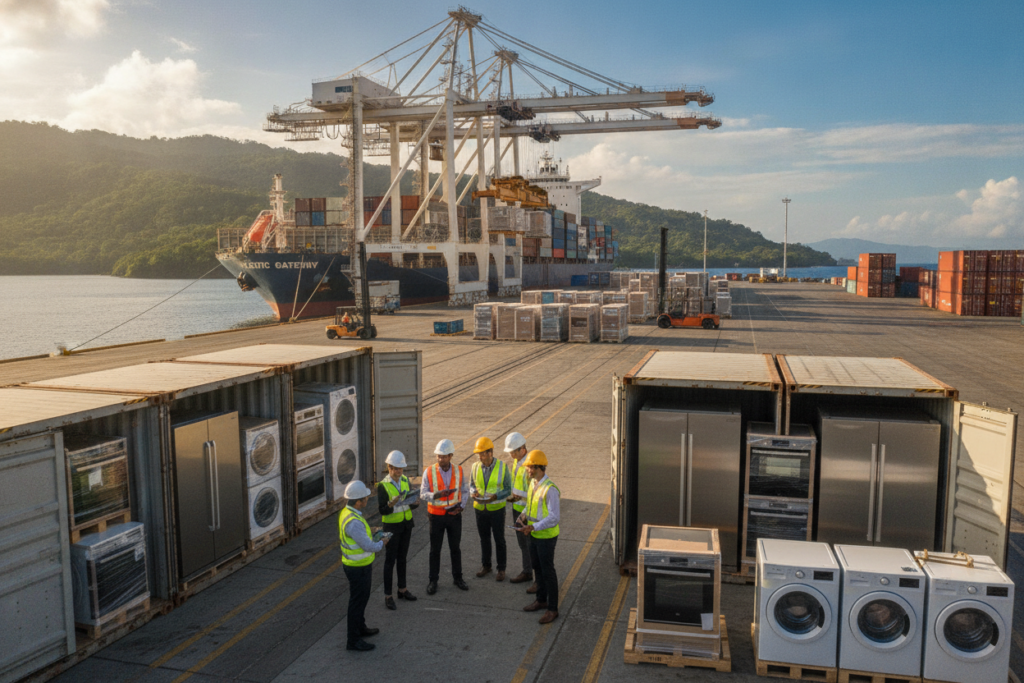
Understanding the necessary steps for relocating your household items can simplify the process. When bringing your goods, you must ensure compliance with local customs regulations and safety standards.
Many people find that the time spent preparing documentation for their items is well worth the effort. This preparation helps avoid delays at the border.
It’s essential to remember that certain items are prohibited. You should never attempt to transport fireworks or aerosol sprays, as these are strictly regulated by customs authorities.
Each product in your shipment should be clearly documented. This documentation satisfies the requirements of local customs officials at SJO or LIR airports.
Navigating the legal requirements for your household items is a critical step. It ensures your appliances arrive safely at your new home.
Managing Costs and Import Taxes
Understanding the financial implications of relocating can help ease the transition. One key aspect to consider is the range of import taxes in Costa Rica, which can vary significantly. These fees can range from 5% to 80% of the value of your household goods.
The Costa Rican government applies specific duties to these items, which can substantially increase the overall cost of your shipment. To navigate these complexities, we recommend consulting with a professional customs broker. They can provide accurate information regarding the taxes applicable to your specific freight and appliances.
Article 3 of the Costa Rica Customs Law outlines the legal framework for importing used items into the country. By carefully calculating the total value of your shipment, you can manage your budget effectively. For more detailed information, you can refer to this resource.
Packing, Shipping, and Logistics Preparation
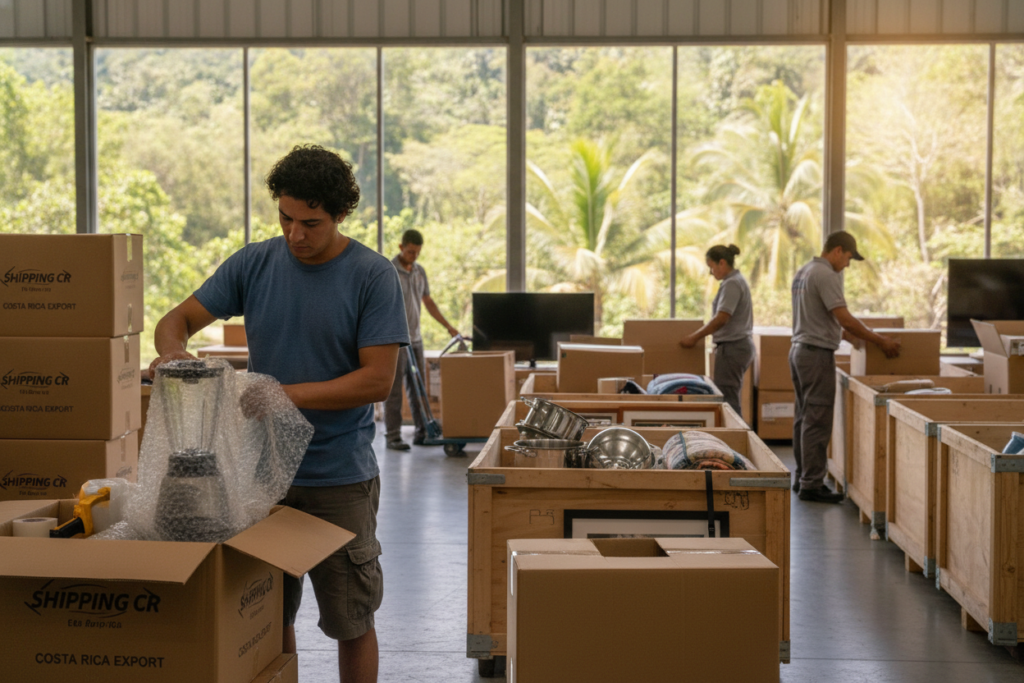
Preparing your household goods for a move requires careful consideration and planning. The way you package your items can significantly impact their safety during transit. Therefore, it’s crucial to focus on efficient packaging and choosing reliable shipping services.
Tips for Efficient Packaging and Protection
Proper packaging is essential for protecting your goods. Here are some tips:
- Choose the right shipping services to ensure the safe transport of your household items.
- Professional freight companies can manage the entire shipping process, safeguarding your items from the moment they leave your home.
- Efficient packaging protects every delicate product and machine you decide to import.
- We suggest obtaining multiple quotes for your shipping needs to find the best balance between cost and quality of services.
- Verify your chosen shipping provider’s experience with household goods to ensure safe delivery.
Choosing the Right Shipping and Moving Services
Shipping companies can handle the logistics of moving your household goods from your origin to your new home. Selecting a reliable service will give you peace of mind during this transition. For more information on customs duties and regulations, check out this resource.
Customs Inspection and Documentation Best Practices
Navigating the customs process can significantly impact your move. When your shipment arrives in Costa Rica, customs agents at SJO or LIR airports will inspect your household items. They ensure that everything is for personal use, not for resale.
Many people find it helpful to remove tags and original boxes from their appliances. This practice can help demonstrate that each item is a personal product rather than commercial merchandise.
Being prepared for a customs inspection saves you time. It also ensures that your household goods are processed efficiently by the authorities. If you are bringing a specific machine or electronic device, have the documentation ready to explain its use to customs officials.
Clear communication with customs officers is vital. This approach will help ensure your household items are cleared for entry into Costa Rica smoothly.
Smart Tips for a Smooth Import Experience
When relocating, it’s essential to think about how your choices can impact your move. Researching the local market can be beneficial. Stores like Pricemart and Gollo offer various kitchen products that might save you time and shipping costs.
If you have a high-value kitchen machine that you cherish, it may be worth the effort to import it. However, assessing local availability is crucial. Your experience will help determine which items justify the shipping expense versus those you can find locally.
We recommend exploring the local market for household items. You might discover similar products at reasonable prices. Additionally, always consider the long-term maintenance of your appliances. In some areas, finding parts for specific machines can be challenging.
Additional Considerations for Relocating Household Items
Making informed choices about your household items can enhance your relocation experience. Adapting to local market pricing is a smart way to manage your budget effectively. Many people find that purchasing kitchen products locally helps avoid the complexities of international shipments.
It’s also important to consider the availability of technical services for your appliances. Some brands may not have authorized repair centers in the country. This can affect your ability to maintain and repair your items in the long run.
When planning your move, keep in mind that importing a car comes with significant taxes. For instance, vehicles under three years old are taxed at 52.29%. Knowing these costs can help you make better financial decisions.
By researching local availability for essential products like water filters and kitchen tools, you can streamline your transition. This proactive approach can save you time and ensure you have what you need for your new home.
Ready to Make Your Move? Contact Us for Personal Guidance
Embarking on a journey to a new home can be both exciting and challenging. At CRIE, we have supported individuals and families with residency and immigration for over 20 years. Our focus is solely on helping people transition smoothly into their new environment.
Every situation is unique, depending on nationality, family dynamics, and documentation. For personalized guidance on your residency and next steps, please reach out to our immigration expert, Johanna Alvarez.
You can connect with us via WhatsApp at +506 8373 2085, email us at info@crie.cr, or visit our website at crie.cr for more information.

FAQ
What are the key regulations we need to know when bringing goods into the country?
We must familiarize ourselves with the customs guidelines set by Costa Rican authorities, including any restrictions on specific items and the required documentation.
How do we ensure our appliances meet local electrical standards?
It’s essential to verify that the appliances we choose comply with the electrical specifications required in Costa Rica, including voltage and plug types.
What documentation is necessary for importing household items?
We need to gather several documents, including invoices, packing lists, and any necessary permits to ensure a smooth import process.
What should we expect regarding import duties and tariffs?
Understanding the overview of import duties is crucial. We can anticipate certain tariffs based on the value and type of items we are bringing into the country.
How can we estimate additional fees associated with importing?
In addition to import taxes, we should consider shipping costs, insurance, and handling fees that may arise during the process.
What are some tips for packing our items efficiently?
We should focus on using sturdy materials, cushioning fragile items, and labeling boxes clearly to ensure safe transport and easy unpacking.
How do we choose the right shipping services?
Researching different shipping companies and comparing their services, costs, and customer reviews can help us select the best option for our needs.
What can we do to prepare for customs inspections?
We should organize our documentation and ensure that all items are declared accurately to avoid delays during customs inspections.
How can personal experience help us in this process?
Learning from others who have gone through the import process can provide valuable insights and tips that make our experience smoother and more efficient.
What should we consider regarding local market pricing?
Adapting to local market pricing is important. We should research the availability and cost of similar items in Costa Rica to make informed decisions.
How do we plan for future technical support and repairs?
We can look into local service providers and warranty options for our appliances to ensure we have access to support when needed.