
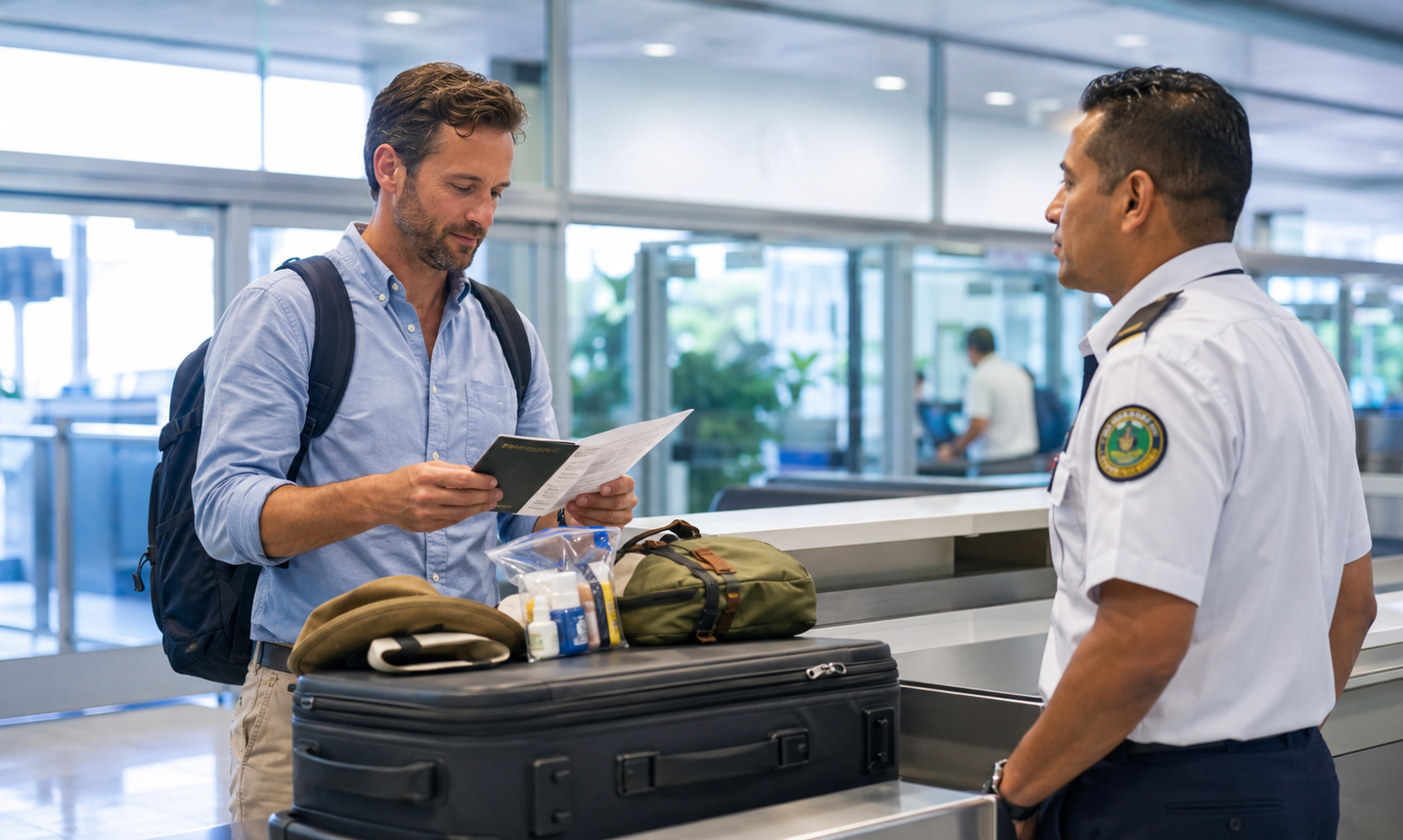
Customs and Travel Preparation
Arriving in Costa Rica is usually straightforward, but customs can become stressful when travelers pack items that are prohibited, restricted, undeclared, or poorly documented.
This is especially important for people who are not just visiting for vacation, but preparing to move, apply for residency, bring medications, ship belongings, travel with pets, or carry important documents.
The safest rule is simple: do not guess. If an item could be restricted, regulated, agricultural, medical, commercial, high value, or legally sensitive, check before you travel.
This article explains the practical customs issues expats, retirees, families, and long-term visitors should understand before entering Costa Rica.
Quick Answer
Costa Rica customs can restrict or prohibit items such as certain foods, plants, seeds, fresh agricultural products, regulated animal products, controlled medications, weapons, illegal substances, commercial goods without proper documentation, and cash or securities of US$10,000 or more if not declared properly. Rules can vary by item, so travelers should declare when required and confirm current requirements before arrival.
Food and Plants – Be Careful
Fresh foods, plants, seeds, and agricultural items can create problems because Costa Rica protects its agriculture and environment.
Medication – Bring Records
Travelers should carry prescriptions and medical documentation for important medications.
Cash – Declare Large Amounts
Cash or securities of US$10,000 or more must be declared through the proper process.
In This Article
- How Costa Rica customs works
- Food, plants, seeds, and agricultural products
- Medications and prescriptions
- Cash declarations
- Commercial goods and high-value items
- Pets and animal-related documents
- Household goods and shipping
- Common customs mistakes travelers make
Customs Is Different From Immigration
Immigration is about people. Customs is about what you are bringing into the country.
When you arrive in Costa Rica, immigration reviews your entry as a traveler. Customs reviews your luggage, goods, declarations, and any items that may be restricted or taxable.
Many travelers think that once they pass immigration, everything else is automatic. That is not always true.
If customs has questions about your luggage, food, medications, commercial goods, pets, cash, electronics, or other items, you may be asked for more information or documentation.
Practical point: Passing immigration does not mean customs has approved everything in your luggage. These are separate steps.
Food Items Can Be Restricted
Food is one of the most common customs issues for travelers.
People often pack snacks, meat products, dairy products, fruits, vegetables, seeds, homemade food, or specialty items without thinking about agricultural rules.
Costa Rica takes plant health, animal health, and agricultural protection seriously. Some food items may be allowed, some may be inspected, and some may be confiscated.
Fresh fruits, fresh vegetables, seeds, plants, and animal-origin foods can create problems if they do not meet the proper requirements.
Packaged, sealed, commercially produced dry foods are generally less likely to create problems than fresh or homemade items, but even packaged products can be questioned depending on what they are.
Do not assume food is harmless. A sandwich, fruit, seeds, homemade food, meat product, or plant-based item can still create customs issues even if it was only meant as a snack.
Plants, Seeds, and Agricultural Products Need Special Care
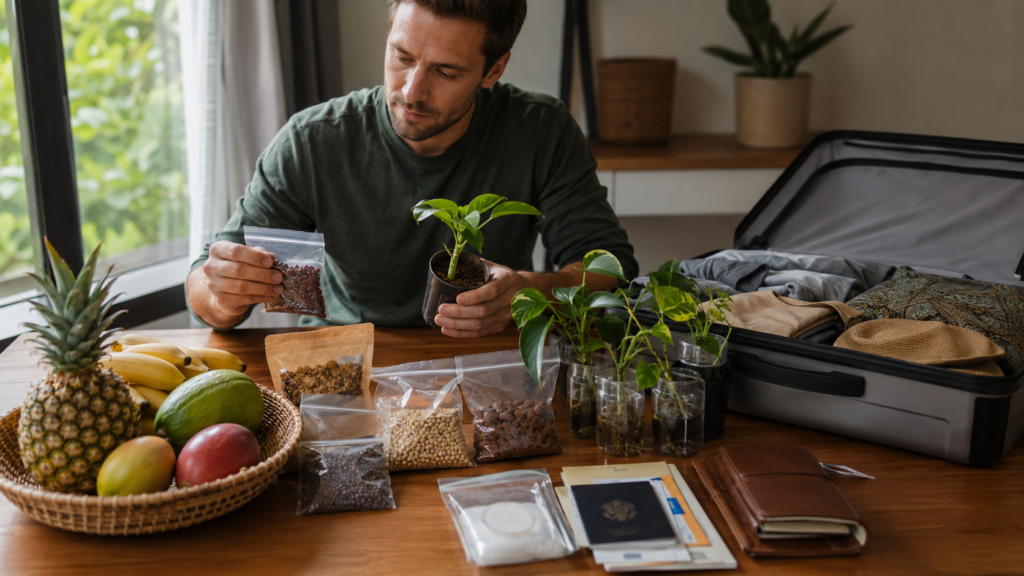
Plants, seeds, cuttings, soil, bulbs, fresh produce, and agricultural products are sensitive because they can carry pests, diseases, or environmental risks.
These items may require prior authorization, phytosanitary documentation, inspection, or may not be allowed at all depending on the item and origin.
This matters for gardeners, farmers, plant collectors, homesteaders, and people moving to Costa Rica who want to bring seeds or plants from home.
Do not pack these items casually in luggage.
If the item is plant-based and not clearly processed, confirm the requirements before travel.
Medications Should Be Clearly Documented
Many travelers and future residents bring medications to Costa Rica.
That is normal, but medication should be packed carefully and documented properly.
Keep medications in their original packaging when possible. Bring a prescription or doctor’s letter, especially for important long-term medications.
Do not bring large, unexplained quantities that look commercial or inconsistent with personal use.
If a medication is controlled, unusual, injectable, refrigerated, or essential to your health, confirm requirements before travel.
Medication planning tip: Carry a clean medication list showing the brand name, active ingredient, dosage, and reason for use. This helps with doctors, pharmacists, and customs questions.
Cash or Securities of US$10,000 or More Must Be Declared
Travelers entering or leaving Costa Rica with cash or securities of US$10,000 or more, or the equivalent in another currency, must complete the required declaration process.
This does not mean it is illegal to travel with that amount.
It means the amount must be declared properly before completing the required entry or exit procedures.
This rule matters for people moving to Costa Rica, buying property, bringing funds for relocation, or traveling with financial instruments.
Do not hide large cash amounts. If you are carrying US$10,000 or more in cash or securities, ask for the proper form and declare it through the required process.
Commercial Goods Are Different From Personal Items
There is a big difference between personal belongings and goods that look commercial.
If you arrive with multiple identical products, inventory, tools for resale, packaged merchandise, business equipment, or items that appear intended for sale, customs may treat them differently from personal luggage.
Commercial goods may require invoices, import documentation, permits, taxes, or a customs broker.
This can surprise people who are moving, starting a business, bringing supplies, or carrying equipment for work.
If the items look commercial, prepare documentation before arrival.
High-Value Items Can Raise Questions
Expensive electronics, professional equipment, cameras, tools, instruments, jewelry, and specialty items can raise customs questions.
If the item is clearly personal and reasonable for your trip, there may be no issue. But if the value, quantity, or type of item looks unusual, customs may ask questions.
Keep receipts, ownership records, serial numbers, insurance records, or travel documentation when appropriate.
This is especially important if you are moving to Costa Rica and traveling with more than normal vacation luggage.
Pets Require Proper Documents
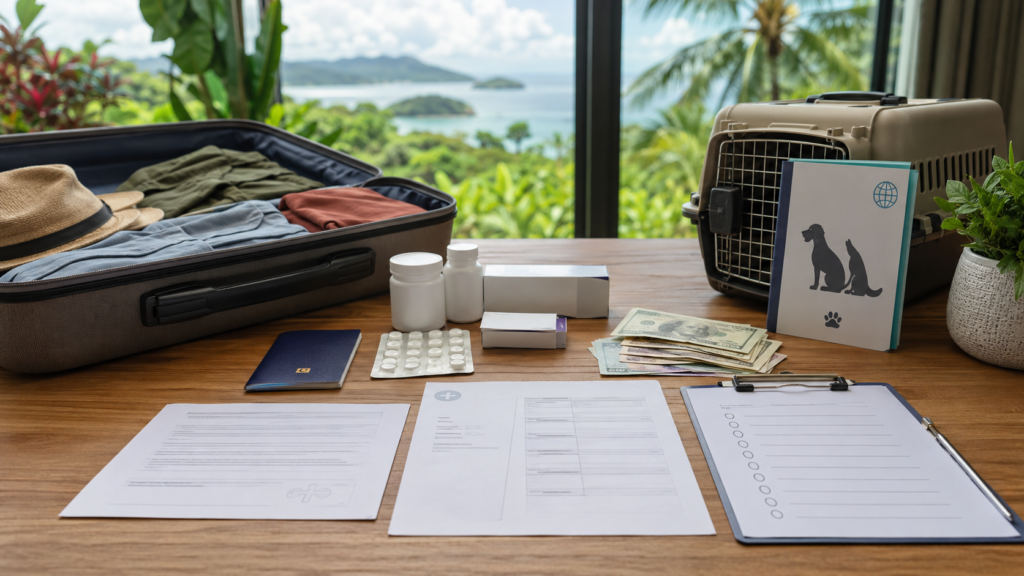
Dogs, cats, and other animals are not treated like ordinary luggage.
If you are bringing a pet to Costa Rica, you need to follow the proper animal health and import requirements.
That usually means preparing health certificates, vaccination records, and airline documentation before travel.
Do not arrive with a pet and assume the paperwork can be solved at the airport.
Pet relocation should be planned before your travel date, especially if you are moving permanently.
Weapons and Illegal Items Are Serious Customs Problems
Some items are not just inconvenient at customs. They can create serious legal problems.
Do not travel with weapons, restricted weapon-related items, ammunition, illegal substances, or anything that could be treated as a controlled or prohibited item under Costa Rican law.
This includes items that may be legal or easier to purchase in another country but are not legal to bring into Costa Rica without proper authorization.
If an item could be legally sensitive, do not pack it unless you have confirmed the current rules with the proper authority before travel.
Online Purchases and Shipped Items Can Also Be Restricted
Customs issues do not apply only to airport luggage.
Items shipped by courier, mail, freight, or container can also be inspected, taxed, delayed, restricted, or denied entry.
Online purchases may require invoices, import permits, product registrations, taxes, and courier processing.
Plant-based goods, health products, cosmetics, supplements, medications, electronics, tools, and commercial products can all create questions depending on the item.
Before ordering or shipping something important, confirm whether it can legally enter Costa Rica.
Household Goods Are Not Automatically Problem-Free
People moving to Costa Rica often ship household goods, personal belongings, furniture, tools, kitchen items, electronics, and sentimental items.
Used personal belongings can still require customs review and may still create costs, documentation requirements, or delays.
Large shipments should be handled with a qualified shipping company or customs broker.
Do not assume that personal items are automatically exempt from customs questions.
Common Items Travelers Should Think About Before Packing
| Item Type | Why It Can Be an Issue | Best Practical Step |
|---|---|---|
| Fresh fruit, vegetables, plants, and seeds | Can create agricultural and environmental risk concerns. | Do not pack casually. Confirm requirements before travel. |
| Meat, dairy, homemade food, and animal products | May be restricted, inspected, or confiscated depending on the product. | Avoid bringing unless requirements are clearly confirmed. |
| Medications | May require prescriptions, original packaging, or medical support. | Carry prescriptions and a doctor’s letter when appropriate. |
| Cash or securities of US$10,000 or more | Must be declared through the proper process. | Request and complete the required declaration form. |
| Commercial goods | May require invoices, permits, taxes, and customs processing. | Use proper documentation and professional guidance. |
| Pets | Animal health rules and airline documentation apply. | Prepare veterinary and travel documents before arrival. |
What Happens if an Item Is Not Allowed?
If customs determines that an item is not allowed, improperly documented, undeclared, or restricted, several things can happen.
The item may be confiscated. It may be held for inspection. You may be asked for documents. You may need a customs broker. You may have to pay duties, taxes, storage, or processing charges. In serious cases, legal consequences can apply.
The outcome depends on the item and the situation.
The best way to avoid problems is to confirm rules before packing and declare items when required.
Why This Matters for Residency Applicants
Customs is not the same as residency, but the two often overlap in real life.
People applying for residency may arrive with important documents, medications, personal belongings, pets, household goods, or financial records.
They may also be planning future shipments, vehicle imports, or relocation purchases.
That is why customs planning should be part of your move, especially if Costa Rica is becoming your long-term home.
CRIE handles residency and immigration services. For customs classification, duties, shipping, and restricted goods, travelers should work with the correct customs, shipping, or government authority.
Before You Travel to Costa Rica, Check These Items
- Are you bringing food, plants, seeds, or agricultural products?
- Are you carrying medications in original packaging with prescriptions?
- Are you carrying US$10,000 or more in cash or securities?
- Are any items commercial, high value, or intended for resale?
- Are you bringing pets with complete health documents?
- Are you traveling with professional tools or equipment?
- Are you shipping boxes, household goods, or a vehicle later?
- Do you have invoices, receipts, ownership records, and packing lists?
- Have you confirmed current rules before packing questionable items?
Common Customs Mistakes Travelers Make
The first mistake is assuming that personal use means an item is automatically allowed.
The second mistake is bringing fresh food, plants, seeds, or homemade items without checking the rules.
The third mistake is carrying medication without prescriptions or medical documentation.
The fourth mistake is failing to declare cash or securities of US$10,000 or more.
The fifth mistake is traveling with commercial-looking goods and no invoices or explanation.
The sixth mistake is confusing immigration approval with customs approval.
These problems are usually avoidable with planning.
Final Thoughts
Costa Rica customs is not something to fear, but it is something to respect.
Most travelers pass through without major problems. Issues usually happen when people pack restricted items, forget to declare something, bring poor documentation, or assume rules are the same as back home.
If you are moving to Costa Rica or preparing for residency, take customs seriously before you travel.
Know what you are bringing, keep your documents organized, declare when required, and check questionable items before you pack them.
A little preparation can prevent a stressful arrival.
Planning to Move to Costa Rica?
CRIE helps retirees, investors, spouses, parents, families, and expats prepare for the Costa Rica residency process.
For customs rules, restricted goods, import duties, and shipping issues, work with the proper customs authority, shipping company, or customs broker. For residency planning, document preparation, and immigration guidance, CRIE can help you prepare correctly before you move.
Article by Glenn Tellier (Founder of CRIE and Grupo Gap)
Don't wait, contact us right now!
Call or WhatsApp Costa Rica +506 8373 2085 or +506 8706 3888
Call USA/Canada +1 305-906-6784