
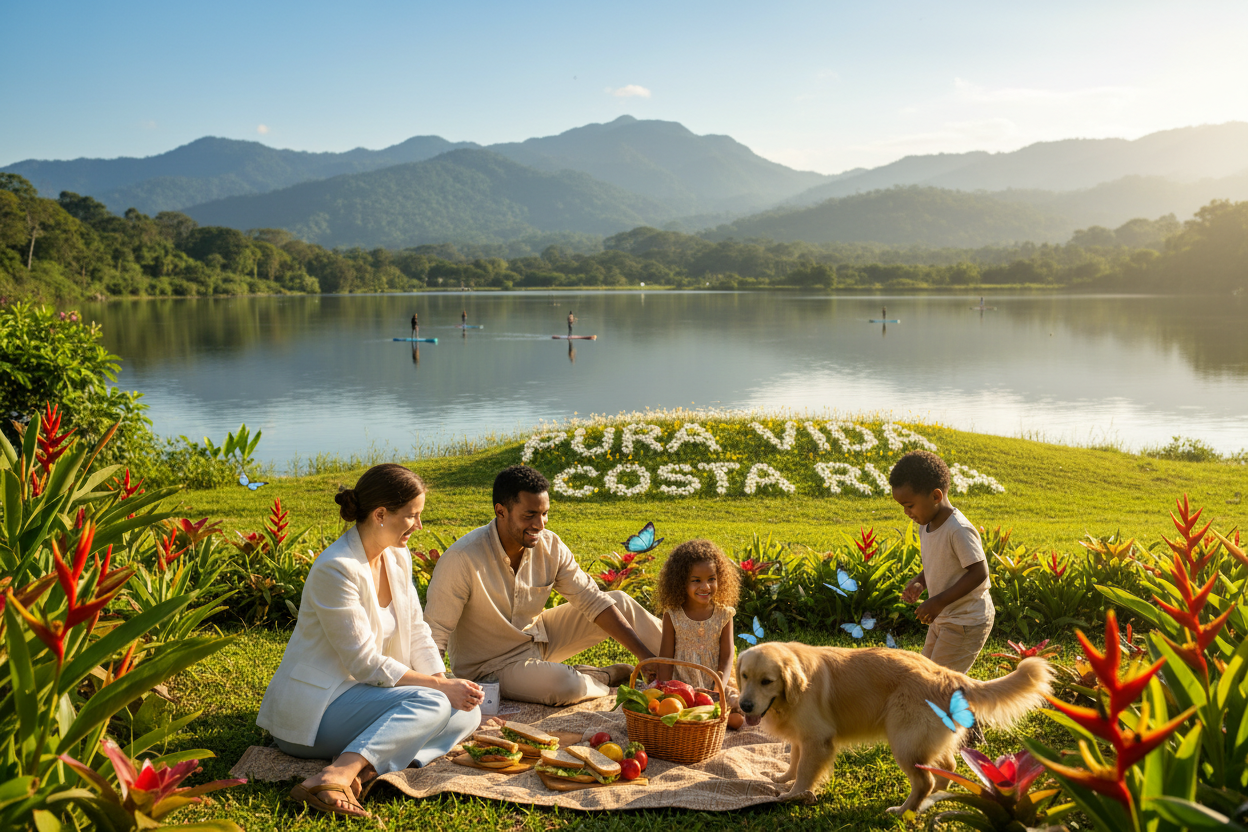
Costa Rica is a haven for families seeking a better quality of life and new opportunities. The country is known for its lush landscapes, pleasant climate, and rich cultural heritage.
We recognize that for many, the concept of home extends beyond borders—it embraces family at its core. Planning a move to this beautiful nation can be a comforting solution to unite with loved ones.
Costa Rica offers an exceptional quality of life. This makes it an attractive destination for those seeking stability and a peaceful environment for their family.
Navigating the residency process requires careful planning. We are here to help you understand the essential steps for a successful application.
By choosing to relocate, you open doors to a new life. Your household can thrive in a welcoming and sustainable environment here in Costa Rica.
Overview of Costa Rican Residency Options
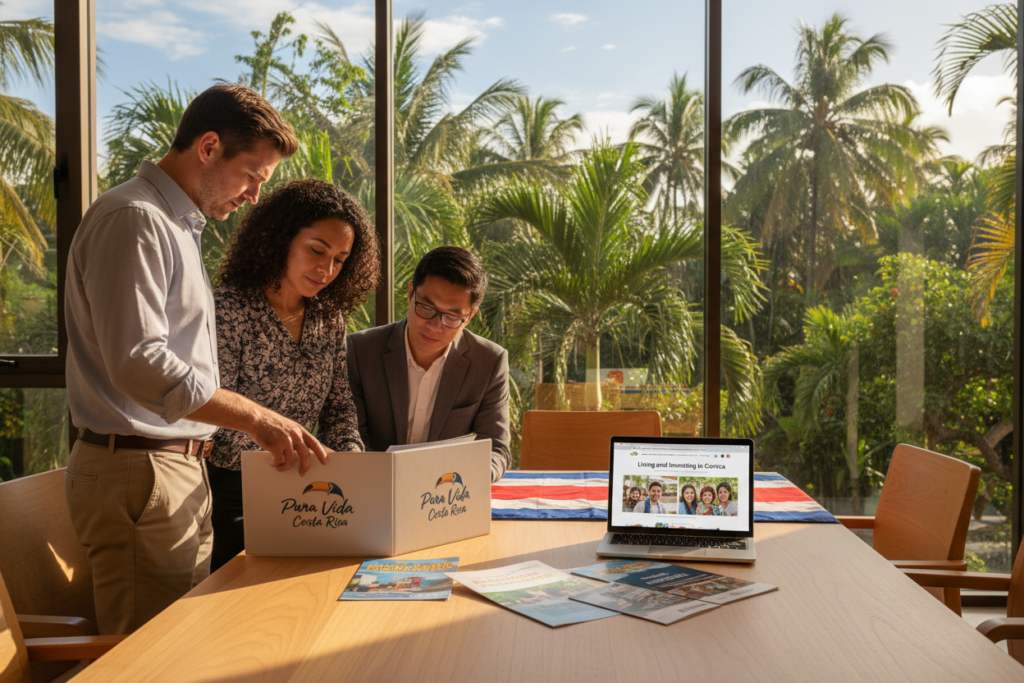
For families considering a long-term move, Costa Rica provides several formal residency pathways. Each option has specific financial and legal requirements.
Understanding these categories is the first step. It helps you align your goals with the correct legal framework.
Introducing CRIE and Its Role
At CRIE (crie.cr), we specialize in Costa Rican immigration. Our team guides you through the complex residency process.
We clarify important distinctions. For instance, a Digital Nomad visa is a temporary status—it does not lead to permanent residency or citizenship.
Why Families Choose Costa Rica
Many select this country for its stable democracy and high-quality healthcare. These factors create a secure foundation for a new home.
Following the proper application process is key. It unlocks the high quality of life that makes Costa Rica so appealing for family life.
Understanding the Family Reunification Process (Reunificación Familiar)
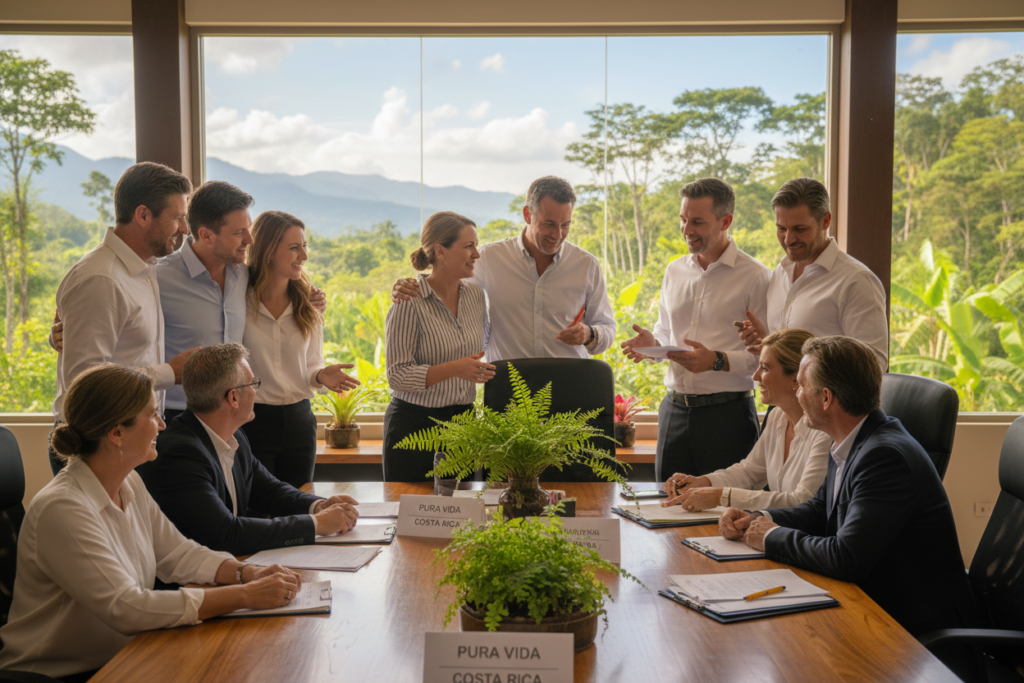
Navigating the legal pathway to bring your loved ones to Costa Rica requires a clear understanding of the Family Reunification program. This process, known as Reunificación Familiar, provides a structured method for residents and citizens to sponsor their immediate family members.
Who Qualifies as a Family Member
Eligibility focuses on your closest relatives. This includes your legally recognized spouse and your dependent children.
Parents of the primary resident are also eligible for sponsorship under this program. You must prove these relationships with official, authenticated documentation from the start.
Benefits of Reuniting with Loved Ones
Successfully completing this application creates a stable home environment in Costa Rica. It supports your long-term goals for a permanent life here.
Your entire family can then enjoy the benefits of living in this country together. We assist in preparing all necessary materials to ensure full compliance with Costa Rican immigration laws.
Step-by-Step Guidance for a Successful Application
The key to a smooth residency process lies in proactive preparation, starting long before you submit your formal application.
Preparing and Organizing Required Documents
We strongly recommend beginning your document preparation from your home country. All paperwork issued abroad must be authenticated through the Apostille process or consular legalization.
Non-Spanish documents require official translation by a certified translator in Costa Rica. Meticulous organization prevents significant delays in your residency approval.
Application Submission Best Practices
Once you arrive in the country, submit your application promptly. This maintains your legal status and moves you toward your residency goals efficiently.
We guide you through every step, organizing files for smooth submission. This organized approach benefits your entire household, including dependent children seeking to join you.
Eligibility Criteria and Financial Requirements
Each residency category in Costa Rica has distinct financial thresholds you must meet. Understanding these requirements is the first step toward a successful application.
Pensionado (Pensionado) Threshold: US$1,000+/month
The Pensionado category is designed for retirees. It requires proof of a permanent income of at least US$1,000 per month from a verified pension source.
This stable monthly income is a core requirement for this type of residency. We help verify that your pension meets the official criteria.
Rentista (Rentista) and Investor (Inversión) Requirements
The Rentista path demands proof of a stable income. You must show at least US$2,500 per month for two years, often verified through a bank.
For the Investor option, a minimum commitment of US$150,000 is needed. This investment must be in property or a business, held in your personal name.
We help you evaluate these financial requirements against your goals. Understanding the cost and obligations is key to a smooth process for your retirement or investment plans in Costa Rica.
Preparing Documentation Before Arrival
Avoiding delays in your Costa Rican residency process begins with gathering and authenticating key documents from your home country. We guide you to start this critical phase early.
Obtaining Apostilles and Official Translations
Essential papers like your birth certificate and marriage certificate need an apostille. This stamp validates them for use in Costa Rica.
Your police record must be less than six months old from its issue date. This is a strict requirement for the residency file.
Every foreign document also requires an official translation. A certified translator in Costa Rica must complete this step after you arrive.
Checklist for Document Preparation
We provide a detailed checklist to organize all necessary paperwork. It helps prevent common pitfalls that slow down many applications.
By preparing these documents before you leave, you save valuable time. You also reduce the stress of moving to a new country.
Meeting all documentation requirements upfront ensures a smoother path. Your entire application benefits from this organized approach.
Common Pitfalls and Mistakes to Avoid
We frequently observe that delays and added costs stem from a few recurring mistakes in the residency process. Being aware of these common errors can help you navigate your application more smoothly.
Incomplete or Improper Documentation
Incomplete paperwork is a leading cause of delays. Many applicants struggle with the specific requirements for document authentication and translation.
Submitting an expired police record or missing an official translation will stall your entire application. Immigration authorities will reject files that do not meet every requirement.
Misunderstanding the Application Timeline
It is vital to understand that the residency process can span several months. We cannot guarantee specific approval dates.
Misjudging this timeline often leads to expired documents. This creates unnecessary cost and stress during your transition to this country.
By staying informed and planning proactively, you avoid these preventable setbacks. A complete and timely application is your best path forward in Costa Rica.
Timeline and Process Milestones
Setting realistic expectations for processing times is a cornerstone of a successful relocation. Managing these distinct phases proactively ensures you maintain good legal standing throughout your journey in Costa Rica.
Estimated Processing Times and Key Deadlines
We cannot guarantee specific approval dates. Most residency applications take several months to move through official government channels.
Upon approval, temporary residency is typically granted for an initial period of two years. This status requires renewal to remain valid.
Tips for Timely Renewals and Follow-Up
You must renew your residency identification card every two years. This action is crucial to ensure you remain in good standing.
After holding temporary residency for three years, you may be eligible to apply for permanent residency. This offers greater long-term stability.
We recommend visiting the country at least once every year. This helps keep your residency active and avoids issues with your status.
Our team helps you track these key milestones. We ensure you meet every deadline for your application and subsequent renewals.
family-benefits-residency-costa-rica: Unlocking Opportunities for Your Loved Ones
Beyond the application paperwork, achieving residency opens a door to a future where your spouse and children can build a secure life alongside you. This status provides tangible advantages that enhance your entire household’s quality of life in this beautiful country.
Advantages for Spouses and Dependent Children
Your immediate family gains access to the national healthcare system upon registration with the Social Security (CCSS). This is a fundamental benefit for residents. Your spouse can work legally, and your children can attend local schools, creating a stable foundation for your new home.
Path to Permanent Residency and Citizenship
We help you understand the progression from temporary to permanent status. After three years with temporary residency, you can apply for permanent residency. This is a key milestone.
Holding permanent residency for seven years makes you eligible to apply for Costa Rican citizenship. This full integration offers the highest level of stability for your family’s future. For more details on these steps, review our page on common questions.
Final Thoughts: Begin Your Costa Rican Residency Journey with Confidence
We understand that relocating your family is a major life decision. It demands reliable guidance and clear facts.
This guide aims to give you the clarity needed to begin your residency application with peace of mind. Your household deserves a stable and rewarding life in this beautiful country.
For specific questions about your case, our team is here to help. You can reach us on WhatsApp at +506 8706 3888 or by email at info@crie.cr.
We are dedicated to simplifying the immigration process for you. Start your path today toward a new home full of opportunity in Costa Rica.
FAQ
What are the main residency options for families moving to Costa Rica?
The most common pathways for families are the Pensionado, Rentista, and Investor categories. Pensionado requires proof of a lifetime pension of at least
FAQ
What are the main residency options for families moving to Costa Rica?
The most common pathways for families are the Pensionado, Rentista, and Investor categories. Pensionado requires proof of a lifetime pension of at least $1,000 per month. Rentista requires a guaranteed income of $2,500 per month for two years or a deposit in a Costa Rican bank. The Investor category requires a minimum investment of $150,000 in approved sectors like real estate or tourism projects.
How does the Family Reunification process work for my spouse and children?
Once a primary applicant obtains temporary residency, they can apply for Reunificación Familiar. This process allows spouses and dependent children under 25 (or any age if disabled) to gain residency status as dependents. It streamlines their application, often requiring fewer financial documents, and allows your family to access the same benefits, like the public healthcare system.
What documents do we need to start the residency application process?
You’ll need several key documents apostilled and officially translated. These include birth certificates for all family members, marriage certificates, a police clearance certificate from your home country, and proof of income or investment. For income, you’ll need official letters from your pension fund or bank statements. We recommend starting this collection before you arrive to avoid delays.
What is the typical timeline from application submission to approval?
The entire process from submitting your application to receiving your first temporary residency card (cédula) typically takes 3 to 6 months. This includes time for document review by immigration authorities. After approval, your initial residency status is valid for two years. It’s crucial to submit a complete, well-organized application to avoid requests for additional information that can significantly extend this timeline.
Can our family access Costa Rica’s public healthcare system with residency?
Yes, one of the significant benefits for families is access to the Caja Costarricense de Seguro Social (CCSS), the public healthcare system. Once you are a legal resident and registered with the Caja, you and your dependents gain access to a wide network of clinics and hospitals. Many families use this as an affordable base layer of coverage, often supplementing it with private health insurance.
What happens after our two-year temporary residency period ends?
Before your two-year temporary residency expires, you must apply for a renewal, which extends your status for another two years. After you have maintained temporary residency status for a total of three years, you become eligible to apply for permanent residency. This is a more stable status that does not require renewal and is a key step if you later wish to pursue citizenship.
,000 per month. Rentista requires a guaranteed income of ,500 per month for two years or a deposit in a Costa Rican bank. The Investor category requires a minimum investment of 0,000 in approved sectors like real estate or tourism projects.
How does the Family Reunification process work for my spouse and children?
Once a primary applicant obtains temporary residency, they can apply for Reunificación Familiar. This process allows spouses and dependent children under 25 (or any age if disabled) to gain residency status as dependents. It streamlines their application, often requiring fewer financial documents, and allows your family to access the same benefits, like the public healthcare system.
What documents do we need to start the residency application process?
You’ll need several key documents apostilled and officially translated. These include birth certificates for all family members, marriage certificates, a police clearance certificate from your home country, and proof of income or investment. For income, you’ll need official letters from your pension fund or bank statements. We recommend starting this collection before you arrive to avoid delays.
What is the typical timeline from application submission to approval?
The entire process from submitting your application to receiving your first temporary residency card (cédula) typically takes 3 to 6 months. This includes time for document review by immigration authorities. After approval, your initial residency status is valid for two years. It’s crucial to submit a complete, well-organized application to avoid requests for additional information that can significantly extend this timeline.
Can our family access Costa Rica’s public healthcare system with residency?
Yes, one of the significant benefits for families is access to the Caja Costarricense de Seguro Social (CCSS), the public healthcare system. Once you are a legal resident and registered with the Caja, you and your dependents gain access to a wide network of clinics and hospitals. Many families use this as an affordable base layer of coverage, often supplementing it with private health insurance.
What happens after our two-year temporary residency period ends?
Before your two-year temporary residency expires, you must apply for a renewal, which extends your status for another two years. After you have maintained temporary residency status for a total of three years, you become eligible to apply for permanent residency. This is a more stable status that does not require renewal and is a key step if you later wish to pursue citizenship.
Article by Glenn Tellier (Founder of CRIE and Grupo Gap)
Don't wait, contact us right now!
Call or WhatsApp Costa Rica +506 8373 2085 or +506 8706 3888
Call USA/Canada +1 305-906-6784