
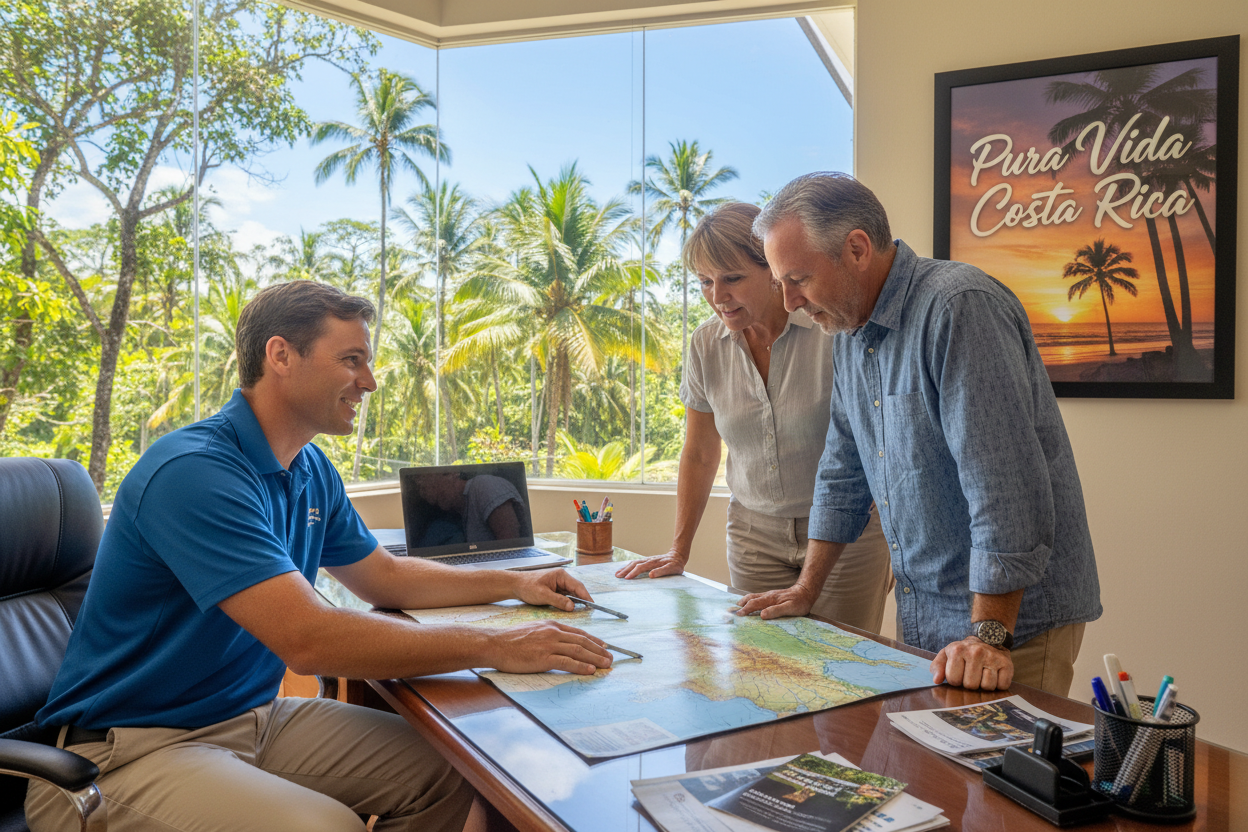
Dreaming of a life surrounded by lush rainforests and pristine beaches? Making that dream a permanent reality starts with understanding the legal residency process. The path to residency-for-us-citizens-costa-rica involves specific financial thresholds and government-mandated pathways.
Navigating these requirements alone can feel overwhelming. That’s where we come in. At CRIE, we specialize exclusively in Costa Rican immigration. Our team provides the professional guidance you need to ensure every document meets local standards.
We believe in simplifying complex legal systems. Moving to a new country is a significant life event, and we are your dedicated partners. Starting your preparation early with a personalized residency assessment is the best way to avoid common pitfalls.
Our approach combines expert knowledge with a protective, guiding hand. We help you transition smoothly into your new life, ensuring your journey to this tropical paradise stays firmly on track.
Introduction to Costa Rica Residency
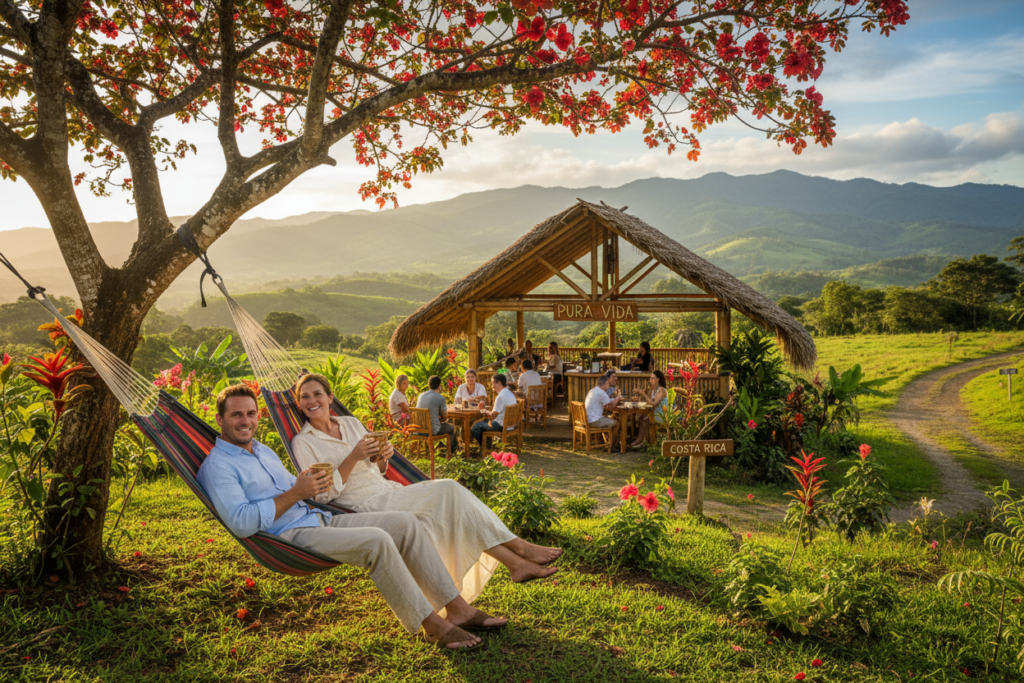
The decision to establish residency in Costa Rica opens the door to a culture defined by its ‘Pura Vida’ philosophy. This move is about more than paperwork. It’s a commitment to a new way of living in a stable, democratic nation.
Embracing the Pura Vida Lifestyle
Pura Vida translates to “pure life.” It embodies a national attitude prioritizing happiness, community, and harmony with nature. This ethos shapes daily living here.
With a population of 5.1 million, Costa Rica offers a welcoming scale. The predominantly Christian culture and democratic republic government foster a secure, family-oriented society. Many find the slower pace a refreshing change.
The transition to life in Costa Rica is rewarding. Experiencing the friendly culture and tropical climate firsthand makes the effort worthwhile. We encourage a realistic mindset, valuing community and environmental preservation.
Our expertise guides you through the initial stages of your move. We ensure you feel supported as you integrate into your new home and embrace this unique lifestyle.
Understanding the Residency Options
Costa Rica offers distinct legal pathways for establishing permanent status, each with specific financial criteria. The three primary categories are Pensionado, Rentista, and Inversionista. Your choice depends largely on your source of funds and long-term plans.
Pensionado Path Explained
The Pensionado route is designed for retirees. It requires proof of a guaranteed lifetime pension with a minimum monthly income of $1,000. This stable financial proof is the cornerstone of the application.
Rentista and Investor Routes
For those without a pension, the Rentista category is an alternative. It mandates proof of a $2,500 monthly income for two years, often backed by a bank deposit.
The Inversionista, or investor, path requires a one-time capital injection. A minimum investment of $150,000 into approved local assets—like real estate or a business venture—secures your status.
You can own a business under these categories. However, you are generally restricted from working as an employee for another company in Costa Rica. We help you evaluate which financial path aligns with your goals.
Who Qualifies for Costa Rica Residency
Qualifying for legal status here hinges on meeting specific, non-negotiable financial benchmarks set by immigration authorities. The core requirement is proving you have sufficient, stable means to support yourself without seeking local employment.
Eligibility Criteria and Income Thresholds
Your eligibility centers on your ability to meet the income requirements for your chosen category—Pensionado, Rentista, or Inversionista. Each path has a distinct minimum financial threshold you must consistently demonstrate.
This proof of financial stability is required whether you apply alone or include family members. The authorities need clear evidence that the entire household can be supported by your guaranteed funds or investment.
A helpful procedural note: dependents under the age of 12 are exempt from certain fingerprint registration steps. Understanding these details early streamlines your process.
We assist in gathering and preparing all necessary documentation to prove you meet every legal stipulation. A clear understanding from the start, perhaps through a pre-application consultation, is essential for a smooth application and helps you avoid unnecessary delays.
Our team ensures your financial proof—bank letters, pension statements, investment records—is formatted precisely as the immigration office requires. This meticulous presentation significantly increases your chance of a successful approval as a legal resident.
Step-by-Step Guide to the Application Process
Successfully submitting your paperwork hinges on understanding two critical phases: document collection and formal filing. You can initiate your request at a Costa Rican consulate abroad or with an immigration officer if you are already in the country. This initial choice sets the administrative pathway for your file.
Gathering Required Documents
The first phase involves compiling your core personal documentation. Essential items include your original birth certificate and a certified criminal background check from your home country. Every document must be current and accurately reflect your details.
Filing Your Application Correctly
The second phase is the official submission. A key component is a formal letter addressed to the Consul of Costa Rica. This letter must clearly state your reason for seeking residency. Meticulous attention here prevents costly delays.
We guide you through drafting this letter and verifying all personal information. Our structured approach manages the flow of data, keeping your application on track. For a comprehensive overview, refer to our complete guide to permanent residency.
Document Preparation Before Arrival
One of the most crucial, yet often underestimated, steps is preparing your official paperwork from your home country. The foundation of a smooth application is built long before you land.
We cannot overstate the importance of this phase. Every official certificate you submit must undergo two specific legal processes.
Apostilles and Translations Essentials
First, each document requires an apostille—an international certification that verifies its authenticity for use abroad. Second, a certified professional must translate everything into Spanish.
This includes your birth certificate and, critically, your Federal Criminal Background Certificate. This particular certificate must be issued within six months of your application date to remain valid.
Starting this work from the United States is essential. Obtaining apostilles and translations from abroad can be time-consuming. Proper preparation prevents costly last-minute corrections after you arrive.
Our team provides a detailed checklist to guide you. We ensure every document meets the precise standards of Costa Rican immigration authorities, setting your residency application on the right path from day one.
Timelines and Processing Timeframes
Understanding the timeline for your application is key to managing your relocation plans effectively. Patience and organization are your greatest assets during this phase.
What to Expect During Your Application Process
The processing time for most initial permits ranges from 9 to 24 months. You are allowed to remain in the country during this period while your file is under review.
This timeframe can vary based on application volume and completeness. We help you set realistic expectations from the start.
Planning for Renewals and Permanent Residency
After maintaining legal status for three years, you become eligible to apply for permanent residency. This status offers more flexibility regarding work and renewals.
Planning for your future requires understanding that the permanent residency permit must be renewed every five years. Staying proactive with renewals ensures your long-term stability.
We guide you through these milestones, ensuring you stay organized throughout the entire process. Our support helps you maintain peace of mind while building your life here.
Avoiding Common Mistakes in Your Application
The difference between a smooth approval and a frustrating delay often lies in avoiding a handful of predictable mistakes. We see applicants encounter unnecessary hurdles by overlooking key procedural details.
Tips to Prevent Costly Delays
Incomplete documentation is a leading cause of delays. Submitting a file missing even one required item can halt your entire process for weeks. Always verify the official checklist before filing.
Relying on outdated information is another common error. Official requirements can change. Using an old form or an expired criminal background check will likely result in rejection.
Identifying Pitfalls to Watch Out For
Failing to properly legalize your documents is a major pitfall. This includes obtaining apostilles and certified Spanish translations. Authorities will not accept documents without these steps.
Another frequent issue is not following specific formatting rules. Even minor deviations in cover letters or financial statements can trigger a correction request.
We help you identify these risks early. Our team reviews every detail for accuracy before submission. We provide you with the most current and reliable guidance to navigate confidently.
Understanding Visa Versus Residency
A common point of confusion for newcomers is the fundamental difference between a temporary visa and legal residency. A visa grants permission to enter and stay for a specific, limited period. Residency is a formal legal status that allows you to live in the country long-term.
Limitations of Tourist Visas for Long-Term Stay
US passport holders can typically stay for up to 180 days on a tourist visa. This requires proof of onward travel. It is a temporary visit permit, not a substitute for residency.
The Digital Nomad visa offers a 12-month stay for remote workers. It is important to understand this visa does not count toward permanent residency or citizenship. It is a separate, temporary category.
Relying on repeated border runs—often called “perpetual tourism”—is not a reliable strategy. Immigration officials are increasingly scrutinizing this practice, which can lead to entry denials.
We recommend pursuing a formal residency category if your goal is to stay permanently. Our team can guide you in transitioning from a temporary visa to a secure residency permit that aligns with your long-term plans.
Breakdown of Residency Types for US Citizens
Choosing the right residency path is a critical financial decision. It hinges on your source of income and investment capacity. The three main categories—Pensionado, Rentista, and Inversionista—each have strict monetary thresholds.
We provide a clear breakdown to help you select the option that fits your financial profile. Understanding these specifics from the start prevents confusion later.
Pensionado Income Requirements
The Pensionado category is for retirees with a guaranteed lifetime pension. You must prove a minimum monthly income of $1,000 from a permanent source.
Acceptable sources include Social Security or a military retirement fund. This stable financial proof is the foundation for your application under this visa type.
Rentista and Inversionista Specifics
The Rentista path requires demonstrating a $2,500 monthly income for two years. This is often secured by a $60,000 deposit in a local bank account.
The Inversionista, or investor visa, demands a one-time capital commitment. A minimum investment of $150,000 into approved local projects grants you legal status.
Each option has precise requirements that immigration authorities will verify. Our team helps you gather the correct proof for a smooth approval process.
The Role of Property Ownership in Residency
The structure of your property ownership—specifically, holding title in your personal name—is a critical legal detail for immigration purposes. Acquiring assets here can be a powerful step toward securing your long-term status.
Requirement: Property in Applicant’s Personal Name
Immigration rules are clear. To use real estate as supporting evidence for your application, the title must be in your personal name. Holding assets through a corporation or trust often does not satisfy the authorities.
This requirement ensures a direct, verifiable link between you and your investment. We advise clients to structure their purchases correctly from the start to avoid complications.
Foreigners generally enjoy the same property rights as local citizens. There is one key exception: acquisitions within restricted maritime zones require special government permissions.
Our team verifies that your property title is in good standing and meets all criteria. Following the correct legal procedures from the beginning secures your investment and supports your residency file.
Preparing Financial Proof and Guarantees
Submitting flawless financial documentation is the most critical step in proving your eligibility for long-term status. Authorities require formal, current proof that you can support yourself without local employment.
This evidence directly supports your application and determines your monthly contribution to CAJA, the universal healthcare system. Your verified income level sets your monthly premium.
Obtaining Bank Letters and Financial Statements
You must obtain official letters from your bank. These letters confirm your account balance and your ability to meet the minimum monthly income requirements.
We assist you in opening a local bank account. This account is often necessary for managing daily expenses and residency-related payments smoothly.
Your financial statements must be consistent and transparent. This clarity satisfies officials that you will contribute to the local economy.
Proper planning includes understanding your tax obligations abroad. We guide you in presenting your income and assets to align with immigration office expectations for a successful Costa Rica immigration visa process.
Local Regulations and Apostille Requirements
One procedural step that applicants often misunderstand is the mandatory legalization of all foreign-issued certificates. Local immigration rules are strict. Your birth certificate or background check from back home is not automatically valid here.
Understanding the Document Legalization Process
An apostille is an international stamp of authenticity. It proves your document is genuine and issued by a proper authority. This legalization process makes your foreign paperwork binding for the local government.
Failing to get this stamp is a common error. It can lead to the outright rejection of your entire application package. We provide clear instructions on handling this for your vital records.
Our team stays updated on any regulatory changes. We ensure the information we give you is accurate and actionable. Managing this carefully helps you avoid the frustration of re-doing documents after you arrive.
Managing Timelines and Staying Organized
Effective management of your residency obligations centers on two key practices: calendar tracking and meticulous record-keeping. Long-term success depends on consistent compliance, not just initial approval.
Checklist to Prepare Before Applying
A core requirement is spending at least four months per year in the country. This physical presence rule is non-negotiable for maintaining your status.
You must also plan for mandatory contributions to the social security system. These payments are a standard part of life for many permit holders.
Effective Record-Keeping Strategies
Keep all payment receipts and entry stamps organized. Renewals happen every few years, and having a complete file saves time.
This proactive approach prevents last-minute stress. You can enjoy your life abroad without worrying about missed deadlines.
Our team acts as your organizational partner. We help you track every important date and document throughout your journey.
Staying Updated: Checking migracion.go.cr Information
Government immigration policies are not static, making proactive verification a cornerstone of a successful application process. Relying on outdated forms or second-hand advice can lead to frustrating delays or even rejection.
The official Dirección General de Migración y Extranjería website, migracion.go.cr, is your primary source for the latest legal updates. We strongly encourage you to verify all procedural details and financial thresholds directly through this official channel.
Essential Resources and Updates
Our team actively monitors this official site and other legal publications. We cross-reference our guidance to ensure it reflects the most current standards in the country. This allows us to provide you with accurate, actionable advice as rules evolve.
Staying fully informed also means understanding the tax implications of your new status. Your residency can affect your financial obligations to both governments. Clarifying this early is a key part of responsible planning.
By combining verified official resources with our expert support, you navigate the system with clarity. This dual approach builds the confidence needed to move forward securely.
Connecting with CRIE for Expert Guidance
Having expert support on call can transform a complex administrative process into a manageable, step-by-step plan. The final phase of your move involves precise execution.
Connecting with CRIE gives you a direct line to seasoned professionals. We provide clear guidance on every aspect, from your initial visa application to long-term residency status.
Reach Us on WhatsApp +506 8706 3888
For quick, personalized answers, message our team on WhatsApp. It’s the perfect way to discuss specific questions about tax obligations, healthcare enrollment, or business setup in your new country.
Email: info@crie.cr
For detailed case reviews or document drafts, email us at info@crie.cr. This allows us to provide comprehensive feedback tailored to your unique situation.
Whether you’re planning for eventual citizenship or need clarity on current rules, we are your partner. Let us handle the complexities so you can focus on enjoying your new lifestyle.
Start your custom blueprint today. Contact us via WhatsApp at +506 8706 3888 or email info@crie.cr.
Final Thoughts and Next Steps Towards Costa Rica Residency
With the complexities of immigration pathways now clearer, your focus can turn to implementation and long-term planning. Building a solid foundation for your life as a permanent resident is the ultimate goal.
Our guidance covers the full spectrum—from securing your initial residency status to navigating tax obligations and healthcare enrollment. Whether your interests lie in starting a business or making a real estate investment, we provide the roadmap.
The path to citizenship is a long-term journey. Partner with us to create a custom, stress-free plan for your successful relocation. Let’s build your future in Costa Rica together.
FAQ
What is the fastest residency path for a retiree?
The Pensionado program is often the most straightforward. It requires proof of a lifetime pension or Social Security income of at least
FAQ
What is the fastest residency path for a retiree?
The Pensionado program is often the most straightforward. It requires proof of a lifetime pension or Social Security income of at least $1,000 per month. We help you organize the required bank letters and income certification for a smooth application.
Can I use rental income to qualify for residency?
Yes, through the Rentista category. You must demonstrate a guaranteed monthly income of $2,500 for two years. This typically requires a deposit of $60,000 into a Costa Rican bank or notarized income guarantees. We guide clients through validating their income sources correctly.
How long does the residency process take?
From submission to approval, plan for 3 to 6 months. Timelines depend on Migración’s caseload and your application’s completeness. We manage this process to prevent delays—proper document preparation before arrival is key to staying on schedule.
Do I need to translate all my documents?
Yes. Every document issued outside Costa Rica—birth certificates, marriage licenses, income proof—requires an apostille and an official Spanish translation by a certified translator in Costa Rica. We work with trusted professionals to handle this essential step.
What’s the biggest mistake applicants make?
Underestimating the document legalization process. Submitting documents without apostilles or proper translations causes immediate rejection. Another common error is using a tourist visa to apply for residency—you must enter the country with the correct visa type. We provide a pre-application checklist to avoid these pitfalls.
Does buying property grant me automatic residency?
No, property ownership itself does not grant residency. However, it can be part of the Inversionista (Investor) category, which requires a $150,000 minimum investment. The property must be titled in the applicant’s personal name, not a corporate entity, to qualify.
How do I prove my income meets the requirements?
You’ll need a formal letter from your pension administrator or bank, often notarized and apostilled, stating the income is permanent and will be deposited for life. For Rentista, you need proof of a $60,000 deposit or a guarantee. We help draft these financial proof documents to meet Migración’s strict standards.
When should I start the application process?
Start at least 6-9 months before you plan to move. This allows time for gathering documents, obtaining apostilles, scheduling translations, and ensuring your financial proofs are flawless. Rushing leads to errors—we create a phased timeline to keep your application on track.
,000 per month. We help you organize the required bank letters and income certification for a smooth application.
Can I use rental income to qualify for residency?
Yes, through the Rentista category. You must demonstrate a guaranteed monthly income of ,500 for two years. This typically requires a deposit of ,000 into a Costa Rican bank or notarized income guarantees. We guide clients through validating their income sources correctly.
How long does the residency process take?
From submission to approval, plan for 3 to 6 months. Timelines depend on Migración’s caseload and your application’s completeness. We manage this process to prevent delays—proper document preparation before arrival is key to staying on schedule.
Do I need to translate all my documents?
Yes. Every document issued outside Costa Rica—birth certificates, marriage licenses, income proof—requires an apostille and an official Spanish translation by a certified translator in Costa Rica. We work with trusted professionals to handle this essential step.
What’s the biggest mistake applicants make?
Underestimating the document legalization process. Submitting documents without apostilles or proper translations causes immediate rejection. Another common error is using a tourist visa to apply for residency—you must enter the country with the correct visa type. We provide a pre-application checklist to avoid these pitfalls.
Does buying property grant me automatic residency?
No, property ownership itself does not grant residency. However, it can be part of the Inversionista (Investor) category, which requires a 0,000 minimum investment. The property must be titled in the applicant’s personal name, not a corporate entity, to qualify.
How do I prove my income meets the requirements?
You’ll need a formal letter from your pension administrator or bank, often notarized and apostilled, stating the income is permanent and will be deposited for life. For Rentista, you need proof of a ,000 deposit or a guarantee. We help draft these financial proof documents to meet Migración’s strict standards.
When should I start the application process?
Start at least 6-9 months before you plan to move. This allows time for gathering documents, obtaining apostilles, scheduling translations, and ensuring your financial proofs are flawless. Rushing leads to errors—we create a phased timeline to keep your application on track.
Article by Glenn Tellier (Founder of CRIE and Grupo Gap)
Don't wait, contact us right now!
Call or WhatsApp Costa Rica +506 8373 2085 or +506 8706 3888
Call USA/Canada +1 305-906-6784