
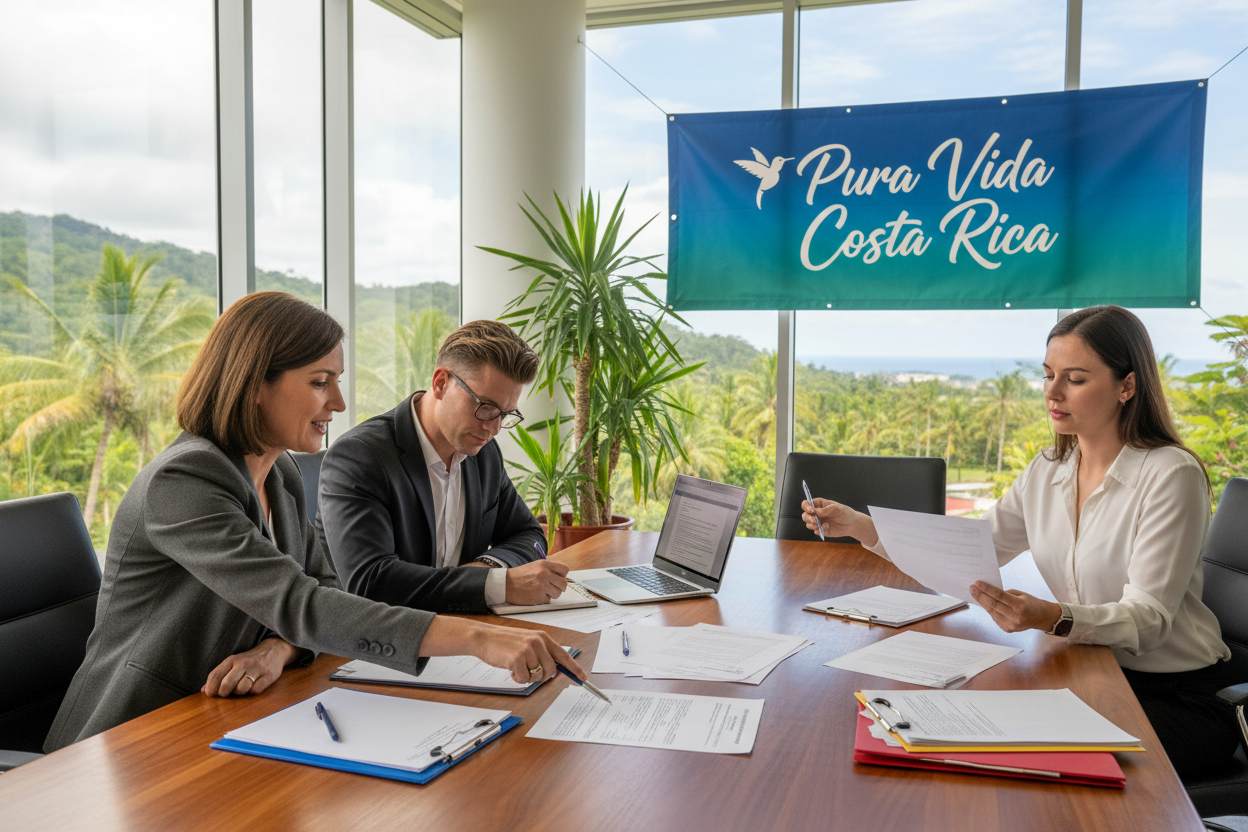
Costa Rica stands apart as a peaceful nation. It abolished its military decades ago to focus on education and healthcare. This unique choice contributes to its high rankings for governance and quality of life.
For many, it becomes more than a destination; it becomes a long-term home. The journey to formalize that connection through costa rican citizenship is a significant process. It begins with establishing a solid residency foundation.
Navigating the legal pathways can be complex. We guide applicants through each step, ensuring they understand the specific requirements. Our goal is to build your case on accurate, verified information from the start.
We provide transparent guidance as your partner. While the official portal, migracion.go.cr, is essential for updates, our team offers the personalized support needed to navigate these systems. For answers to common questions, our resources are a great starting point.
Let’s discuss your goals for life in Costa Rica. Contact our experts via WhatsApp at +506 8706 3888 or email info@crie.cr for professional assistance tailored to your situation.
Preparing for Your Costa Rica Residency Journey

Organizing your paperwork from your home country is the first critical step toward securing residency in Costa Rica. We emphasize starting this process early to avoid delays. Proper documentation forms the cornerstone of a successful application.
Starting from Home: Organizing Your Documents
Before you leave, gather all essential records. This includes birth certificates and police clearances. The Costa Rican government requires these for legal recognition.
We advise clients to secure apostilles for all vital records. An apostille must be obtained from the state or federal authority where the document was issued. The U.S. Embassy does not provide this service for U.S. citizens.
Understanding Apostilles and Translations
Every official document must be translated into Spanish by a certified translator. This meets the strict standards set by Costa Rican authorities. A single missing or incorrect document can stall your entire residency progress.
By managing your paperwork at home, you ensure a smoother transition to this country. Our team provides a detailed checklist to prevent common errors. We help you navigate the complexities of Costa Rican bureaucracy.
Maintaining custody of all legal documents is vital for your security. This is especially true for families, including those exploring residency as a child of a Costa. Let us guide you from the very beginning.
Who Qualifies for Costa Rica Residency?

Costa Rica offers several distinct residency pathways. Each has specific financial requirements for applicants. Understanding these options is key to a successful application.
Eligibility Criteria for Pensionado
The Pensionado program is for retirees with a stable pension. You must prove a monthly income of at least US$1,000. This pension must be guaranteed for life.
Requirements for Rentista and Inversionista
The Rentista category suits those with other reliable income. It requires proof of US$2,500 per month for two years. The Inversionista path demands a US$150,000 minimum investment in your personal name.
Clarifying the Digital Nomad Option
We must clarify the Digital Nomad visa. It is a temporary permit, not a form of permanent residency. It does not count toward the time needed for Costa Rican citizenship.
Choosing the right category is crucial. Our team helps you evaluate your situation against these country requirements. We ensure you start on the correct legal path.
Step-by-Step Guide for the Residency Application Process
We break down the Costa Rican residency application into manageable stages for clarity and efficiency. This formal process demands accuracy and patience, as government timelines are strict.
Initial Eligibility Assessment
The first step is a thorough assessment. We review your financial and personal profile to determine the correct residency category for Costa Rica.
Proof of stable income is a mandatory requirement. This initial review ensures your application aligns with the country’s legal standards from the start.
Preparing and Submitting Your Application
Once your path is clear, we assist in gathering all necessary documentation. This includes securing certified translations and apostilles for your official records.
The complete application must be filed with the General Directorate of Migration and Foreigners. We guide applicants through this submission to ensure every detail is correct.
Managing this time-sensitive process is crucial. Our team provides ongoing support, helping you navigate each phase efficiently and transparently.
citizenship-costa-rica-process: Transitioning from Residency to Citizenship
The path from being a resident to becoming a citizen of Costa Rica is a structured legal progression. It requires patience and a clear understanding of the naturalization requirements.
The Importance of Establishing Legal Residency
Your legal residency status is the mandatory foundation. To qualify for naturalization, you must maintain continuous legal residency in the country for seven years.
This time must be documented with a valid residency card. Any significant gaps can reset the clock. We help clients ensure their status remains uninterrupted.
How Residency Leads to Citizenship
After meeting the residency requirement, applicants face key tests. You must pass exams on Spanish language and Costa Rican history.
A clean criminal record is also mandatory. The law permits dual nationality, so you can become a Costa Rican citizen without renouncing your original citizenship.
The final step is filing with the Civil Registry. This office handles the citizenship application process. Children born to at least one Costa Rican parent acquire nationality at birth, simplifying registration for families.
We guide you through each requirement, from test preparation to final submission for Costa Rican nationality.
Essential Documentation and Preparation Tips
Before setting foot in Costa Rica, securing and validating your essential personal documents is a non-negotiable step. This preparation is the most effective way to avoid frustrating delays in the immigration process. Understanding the specific validity requirements set by Costa Rican laws is crucial for all applicants.
Key Documents to Secure Before Arrival
Two documents form the core of your application dossier. Your birth certificate must be certified and carry an apostille from your home country. A police clearance certificate proving a clean criminal record is also mandatory and must be issued within the last three months.
The Civil Registry in Costa Rica maintains official records. Proper registration of your authenticated documents ensures you are recognized as a legal resident. Keeping these records updated is vital for all future residency renewals with the authorities.
This foundational work also supports your long-term goals. Future steps, like the knowledge test on Costa Rican history and culture, become more manageable. Having an organized file from the start streamlines every subsequent phase.
We help you navigate the complexities of Costa Rican immigration. Our team ensures every document is correctly translated and authenticated. Our goal is to make your transition to this country as smooth and efficient as possible.
Timelines and Critical Steps in the Application Process
The application process for Costa Rican citizenship involves several critical time-sensitive steps. Understanding the expected durations helps you plan effectively and maintain realistic expectations.
Expected Processing Durations
Processing times can vary significantly. A citizenship application typically takes from ten months to a year and a half to complete.
Residency applications have their own timelines, which depend on the category and government volume. Applicants must prepare for this duration and adhere to all legal requirements throughout.
Managing Documentation Milestones
Maintaining continuous legal residency is a non-negotiable requirement. You must track your time in the country and ensure your status remains active.
Key documents, like proof of stable income and a clean criminal record, have expiration dates. We help you submit these well in advance to avoid delays.
Understanding dual nationality laws is also important when you decide to get Costa Rica citizenship. Finally, preparing for the test on Costa Rican history and culture is a key step. Our team guides you through each milestone, ensuring you navigate the Costa Rican immigration system efficiently.
Common Pitfalls and Mistakes to Avoid
A single oversight in your documentation or residency status can significantly delay your goal of becoming a Costa Rican citizen. We help you identify and steer clear of the most common errors applicants face.
Documentation Errors and Overlooked Requirements
Incorrect translations or missing apostilles are leading causes for rejection. Authorities require every document to be perfectly translated into Spanish.
Maintaining a clean criminal record is non-negotiable. Any legal issue can jeopardize your residency in Costa Rica. For investor applications, property must be titled in your personal name.
Warnings About Residency Gaps and Missteps
Continuous legal residency is mandatory for citizenship. A gap in your status can reset the eligibility clock, forcing you to start over.
Always keep your residency card valid and understand local laws. The U.S. Embassy cannot intervene in immigration matters. We provide clear guidance to protect your time in the country.
Final Thoughts on Your Costa Rica Residency and Citizenship Journey
Achieving Costa Rican citizenship represents the culmination of a carefully managed legal process. It requires significant commitment and benefits greatly from professional guidance.
Understanding the laws and requirements of this country is the key to successful integration. This knowledge allows you to fully enjoy the benefits of being a citizen.
Whether you are beginning with residency or aiming directly for Costa Rican citizenship, we are your partners. We support your long-term goals, including planning for family-based residency options.
Stay informed about any policy updates that may affect your path. We are proud to help you make Costa Rica your permanent home and future.
FAQ
What is the first step to getting Costa Rican citizenship?
The first step is always establishing legal residency. You cannot apply for citizenship directly. You must first become a resident, typically under categories like Pensionado, Rentista, or Inversionista. We help clients navigate this foundational residency process.
How long does the entire Costa Rica citizenship process take?
The timeline is significant. After obtaining residency, you must maintain it for several years—usually seven—before applying for nationality. The residency application itself can take 6-12 months. We manage expectations with realistic timelines from day one.
Can I become a citizen if I marry a Costa Rican?
Yes, marriage to a Costa Rican citizen offers a different path. After two years of marriage and one year of legal residency in the country, you can apply for citizenship. You’ll still need to pass the Spanish language and civics tests.
What are the main financial requirements for residency?
Requirements vary by category. A Pensionado must prove a lifetime pension of at least
FAQ
What is the first step to getting Costa Rican citizenship?
The first step is always establishing legal residency. You cannot apply for citizenship directly. You must first become a resident, typically under categories like Pensionado, Rentista, or Inversionista. We help clients navigate this foundational residency process.
How long does the entire Costa Rica citizenship process take?
The timeline is significant. After obtaining residency, you must maintain it for several years—usually seven—before applying for nationality. The residency application itself can take 6-12 months. We manage expectations with realistic timelines from day one.
Can I become a citizen if I marry a Costa Rican?
Yes, marriage to a Costa Rican citizen offers a different path. After two years of marriage and one year of legal residency in the country, you can apply for citizenship. You’ll still need to pass the Spanish language and civics tests.
What are the main financial requirements for residency?
Requirements vary by category. A Pensionado must prove a lifetime pension of at least $1,000 monthly. A Rentista needs a guaranteed income of $2,500 monthly for two years. An Inversionista must invest a minimum of $150,000 in Costa Rica. We verify these funds meet official criteria.
What documents are most critical for the application?
Key documents include a valid passport, birth certificate, marriage certificate (if applicable), and a clean criminal record report from your home country. All foreign documents require an apostille and official Spanish translation. We provide a detailed checklist to avoid errors.
What are the citizenship tests like?
Applicants must pass two exams: one on Costa Rican history and geography, and another demonstrating Spanish language proficiency. The tests are in Spanish and require dedicated study. We connect clients with resources to prepare effectively.
What’s the most common mistake people make?
A major pitfall is letting residency lapse by not renewing your cédula (ID card) or failing to make the required annual visits to Costa Rica. This can reset your clock for citizenship. We help clients set reminders and manage these compliance milestones.
,000 monthly. A Rentista needs a guaranteed income of ,500 monthly for two years. An Inversionista must invest a minimum of 0,000 in Costa Rica. We verify these funds meet official criteria.
What documents are most critical for the application?
Key documents include a valid passport, birth certificate, marriage certificate (if applicable), and a clean criminal record report from your home country. All foreign documents require an apostille and official Spanish translation. We provide a detailed checklist to avoid errors.
What are the citizenship tests like?
Applicants must pass two exams: one on Costa Rican history and geography, and another demonstrating Spanish language proficiency. The tests are in Spanish and require dedicated study. We connect clients with resources to prepare effectively.
What’s the most common mistake people make?
A major pitfall is letting residency lapse by not renewing your cédula (ID card) or failing to make the required annual visits to Costa Rica. This can reset your clock for citizenship. We help clients set reminders and manage these compliance milestones.
Article by Glenn Tellier (Founder of CRIE and Grupo Gap)
Don't wait, contact us right now!
Call or WhatsApp Costa Rica +506 8373 2085 or +506 8706 3888
Call USA/Canada +1 305-906-6784