
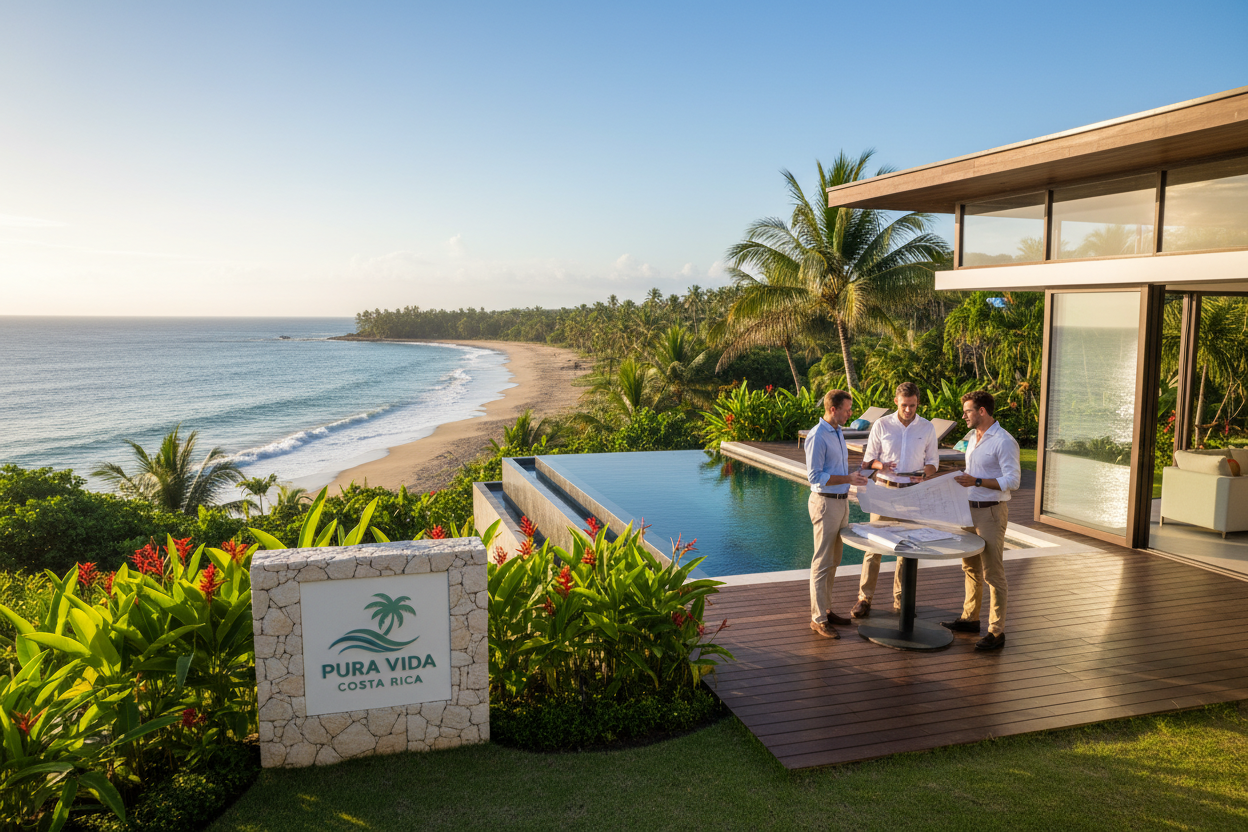
Yes, you absolutely can. Purchasing property is a common and valid path to residency under Costa Rica’s Investor category, known locally as “Inversionista.” This guide focuses exclusively on the official process through CRIE (crie.cr) for obtaining legal residency.
We are talking about permanent residency, not short-term stays. To qualify, a minimum capital commitment of US$150,000 is required. A crucial rule is that the asset must be titled in your personal name, not held by a corporation.
This option differs from other routes like the Pensionado (retiree) or Rentista (income-based) programs. Our goal is to walk you through who qualifies, what you need, and the step-by-step application journey.
We provide clear, practical guidance based on the real CRIE system. You will learn what documents to prepare and common pitfalls to avoid. We build trust through honest disclaimers—no hype, just the facts for a smoother transition.
Understanding Costa Rica Residency Requirements (Residencia/Immigración)
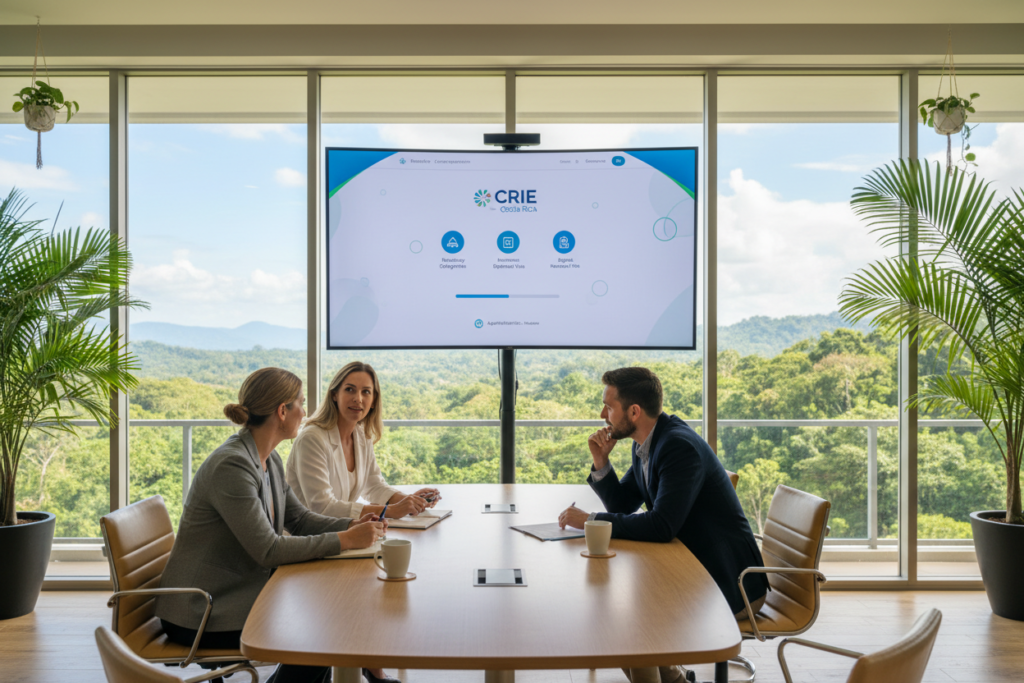
Navigating Costa Rica’s residency system begins with understanding its official digital gateway, CRIE (crie.cr). This platform is where all formal applications for legal residence are submitted and managed by the government.
Overview of the CRIE Process (crie.cr)
Think of CRIE as the mandatory starting point. Whether you’re applying as a Pensionado (retiree), Rentista (income recipient), or Inversionista (investor), your application flows through this system. It provides access for both individuals and legal entities, though specific rules—like personal property ownership for a real estate investment—still apply.
The Importance of Starting from Home with Your Documents Ready
The most common mistake is arriving unprepared. The CRIE platform has strict documentation standards. Getting your paperwork apostilled and translated into Spanish before you travel is non-negotiable.
Proper preparation from home saves months of frustration. It can turn a potential year-long ordeal into a smoother 6-8 month process. We always advise verifying the latest requirements directly at migracion.go.cr, as guidelines can shift.
Who Qualifies for Costa Rica Residency (Residencia)
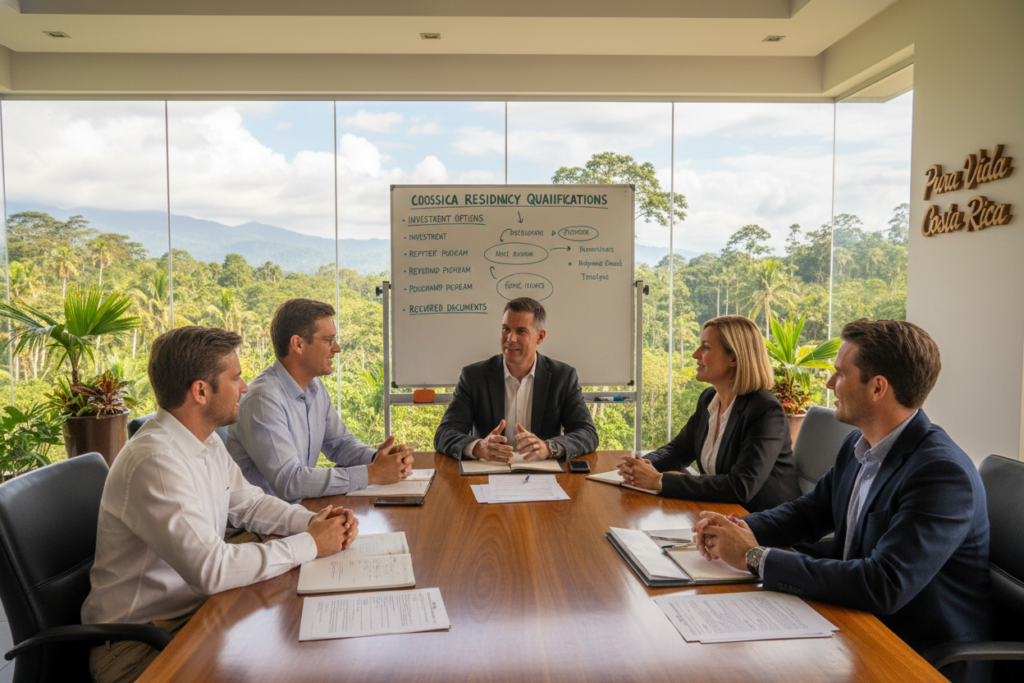
Foreign individuals seeking legal residence in Costa Rica must first identify which of the primary pathways aligns with their circumstances. The system offers three distinct categories, each with clear financial thresholds.
Eligibility Criteria and Basic Requirements
Your qualification hinges on proving stable financial resources. The Pensionado (retiree) category requires a lifetime pension of at least US$1,000 per month.
The Rentista (income recipient) path demands proof of guaranteed income. You must show US$2,500 per month for two consecutive years.
Thresholds for Pensionado, Rentista, and Inversionista
The Inversionista (investor) category needs a minimum investment of US$150,000. This capital must be committed in your personal name.
We must clarify a common point of confusion. The Digital Nomad visa is a temporary permit, not a residency pathway. It does not count toward permanent status or citizenship.
Unlike the U.S. accredited investor standard—based on high income or net worth—Costa Rica’s investor residency is simpler. It focuses solely on the committed investment amount within the country.
How to Prepare Your Documents for a Smooth Application
Gathering and authenticating your paperwork is the single most critical phase in the entire CRIE process. The most common mistake is underestimating the time required. You must start this from your home country, months before your planned move.
Required documents: Apostilles and Translations
You will need apostilled copies of key personal records. This includes your birth certificate, marriage certificate, and police background checks. All non-Spanish documents require official translation by a certified professional.
Plan for both the time and cost of these steps. For investors using real estate, the property appraisal and title must show the asset is in your personal name. This rule is non-negotiable for proving the investment’s value.
Checklist of essential paperwork before arrival
Financial documentation varies by category. Pensionados need proof of stable monthly income. Rentistas must show guaranteed income from bank or investment statements.
Inversionistas need proof of asset value, like a registered property appraisal. Tax records from your home country may also be required for verification. We recommend creating a master checklist to track each document’s status.
Organizing everything in a dedicated folder signals you are a serious applicant. This preparation is the backbone of a successful submission and speeds up the entire review.
Step-by-Step Guide to Applying for Residency with CRIE
Submitting your application through CRIE is a structured, step-by-step process managed entirely online. We guide you through the key phases to ensure you understand the workflow from start to finish.
Initial Application Process and Submission Tips
First, create your account on crie.cr. This grants you access to the official digital portal. You will select your residency category and begin uploading documents.
The system has specific checklists for Pensionado, Rentista, and Inversionista applicants. It will flag missing or incorrect files before submission. This is a crucial quality control step.
After you submit, the initial review can take several weeks to a few months. Complete documentation prevents delays. For a real estate investment, ensure your property appraisal meets the required value level.
Timelines and Follow-Up Procedures at migracion.go.cr
Realistically, plan for a 6 to 12 month process from submission to approval. More complex cases can take over a year. There are no guarantees on processing speed.
Effective follow-up strategies are essential. Regularly check your CRIE dashboard for status updates. Respond promptly to any requests from immigration authorities.
Always verify the latest procedures directly at migracion.go.cr. We provide guidance based on the current system, but rules can change. Your proactive engagement is key to moving the application forward.
Common Mistakes to Avoid in Your Residency Process
We see too many cases where simple oversights lead to months of unnecessary waiting. Understanding these common risks is key. Proactive knowledge and preparation from home are your best defenses.
Documentation Pitfalls and How to Steer Clear of Them
One major risk is arriving without documents fully ready. Apostilles and translations must be completed in your home country. Attempting this locally causes costly delays.
For investors using real estate, a critical rule is often missed. Many investors hold property through corporations, which invalidates the application. The asset must be in your personal name.
Lack of specific knowledge about financial proof is another hurdle. Each category has unique requirements. For a real estate investment, a proper appraisal is mandatory to prove value.
Implement organizational strategies from day one. Track every apostille, translation, and upload. Disorganization creates confusion that immigration authorities will notice.
Do not confuse the Digital Nomad visa with a residency pathway. It offers no route to permanent status. Pursuing the correct category from the outset is essential.
Seize opportunities to strengthen your application. Provide extra financial records or reference letters. This shows seriousness and can offset borderline thresholds.
Always verify requirements at migracion.go.cr. Relying on outdated advice introduces unnecessary risks. Regulations change, so direct consultation is your best strategy for successful investing. We advise all investors to consult directly.
Can I invest in real estate if I apply for the Investor Category: Requirements for Inversionista Residency
The Investor category provides a clear pathway to residency through capital infusion. Real estate is the most utilized vehicle for this purpose.
To qualify, you must commit a minimum of US$150,000. This capital must be verifiable through official appraisals and registration.
Investment thresholds and property ownership rules
A critical rule involves legal ownership. The asset must be titled in your personal name, not through any corporate structure.
This requirement differs from common local investment practices. Many people use corporations for liability reasons, but this invalidates the residency application.
Clarifying Digital Nomad status and its limitations
The Digital Nomad permit is a temporary work authorization. It does not grant permanent residency or count toward citizenship.
For long-term legal status, the Inversionista program is the closest option. It aligns directly with making a substantial capital commitment in the local market.
Proper documentation is essential for this process. All property taxes must be current to avoid application refusal. We advise consulting with a local attorney to ensure your investment meets all requirements.
Additional Considerations for Accredited Investors in Real Estate
For individuals with substantial financial resources, the accredited investor designation opens doors to a tier of exclusive real estate opportunities not available to the general public. This status is defined by U.S. Securities and Exchange Commission (SEC) rules and is separate from Costa Rica’s residency requirements.
Understanding accredited investor criteria and benefits
To qualify as an accredited investor, you must meet specific financial thresholds. An individual needs an income over $200,000 (or $300,000 jointly) for two consecutive years, or a net worth exceeding $1 million excluding your primary residence.
Professional certifications like Series 7 or 65 also provide a pathway. This accreditation grants access to private securities and unregulated deals. Only about 10.6% of American households met this criteria in 2020.
Insights on accessing exclusive real estate opportunities
Accredited investors can participate in private equity real estate, syndications, and crowdfunding platforms. These investment opportunities often involve higher potential returns but carry greater risk and illiquidity.
Verification of your status can be done through a CPA or third-party service. Understanding this landscape helps in building a diversified portfolio beyond a single property. It’s a strategic layer for sophisticated real estate investing.
Final Thoughts on Starting Your Costa Rica Residency Journey
A successful transition to life in Costa Rica begins long before you arrive, with careful groundwork laid at home. The Inversionista pathway is a viable option for qualified investors, but its success depends entirely on meticulous preparation and respecting the legal framework.
The most critical step is completing your documentation in advance. Apostilles, certified translations, and financial proofs must be finalized before your departure. This upfront effort is the single best strategy to avoid delays.
For those using real estate, remember the asset must be personally titled. Working with qualified local counsel ensures your investment meets both residency and legal standards.
If you have specific questions, reach out to the CRIE team via WhatsApp at +506 8706 3888 or email info@crie.cr. Always verify the latest procedures at migracion.go.cr to ensure you have current information.
FAQ
What are the main residency categories for investors moving to Costa Rica?
The primary path for investors is the *Inversionista* (Investor) residency. To qualify, you must make a minimum investment of 0,000 in Costa Rican assets, which can include real estate, business projects, or securities. This is distinct from the *Pensionado* or *Rentista* categories, which are based on guaranteed retirement income or stable deposits.
Does the property I buy for the Investor residency have to be my primary home?
No, it does not. The real estate investment for your *Inversionista* application can be for any type of property—a vacation home, a rental property, or land for development. The key requirement is proving the capital was legally brought into the country and invested in a registered asset. Your primary residence can be elsewhere.
How does being an “accredited investor” affect my real estate opportunities in Costa Rica?
While Costa Rican residency has its own rules, U.S. accredited investor status—based on net worth or income—can unlock access to private and syndicated deals. These often involve larger commercial properties or development funds not available to the general public. It provides access to a different tier of investment opportunities with potentially higher returns and risks.
What are the biggest documentation mistakes people make in the residency process?
A> The most common pitfalls involve incomplete apostilles or translations. Every foreign-issued document, like your birth certificate or proof of funds, must have a recent apostille and an official Spanish translation. Using expired documents or forgetting to legalize a single paper can cause months of delays with *Migración*. We always recommend a thorough pre-submission checklist.
Can I use the Digital Nomad visa instead of Investor residency to buy property?
The Digital Nomad visa is excellent for remote workers but has limitations for serious investors. It’s a temporary permit, not a path to permanent residency. While you can own property on this visa, it doesn’t fulfill the *Inversionista* requirement. For long-term goals and using property equity towards residency, the Investor category is the structured, permanent solution.
What is the role of CRIE in the application process?
CRIE (crie.cr) is the official online platform where you must initiate and manage your residency application. It’s your digital gateway to *Migración*. Starting here with perfectly prepared documents is non-negotiable for a smooth process. Think of it as your mandatory first step—all paperwork flows through this system.
What kind of real estate investment strategies work well under the Investor residency?
Successful strategies align with your goals. Many use the 0,000 minimum to purchase a revenue-generating asset, like a rental condo or a small commercial space, which can provide local income. Others invest in pre-construction or land banking for capital growth. The key is choosing an asset that not only meets the legal threshold but also fits your long-term financial plan for Costa Rica.
Article by Glenn Tellier (Founder of CRIE and Grupo Gap)
Don't wait, contact us right now!
Call or WhatsApp Costa Rica +506 8373 2085 or +506 8706 3888
Call USA/Canada +1 305-906-6784